- Company Articles
- Products and Technology
- Product knowledge
- 4040 vs 3030 Aluminum Profile End Caps: Size, Application & Compatibility Comparison

4040 vs 3030 Aluminum Profile End Caps: Size, Application & Compatibility Comparison
Related Product
3030 Aluminum Profile End Cap
The aluminum profile end cap adds a finishing touch to your project and closes off profile ends to limit dust and debris buildup, also it can avaid some scratch for material and labor during the assemble work.
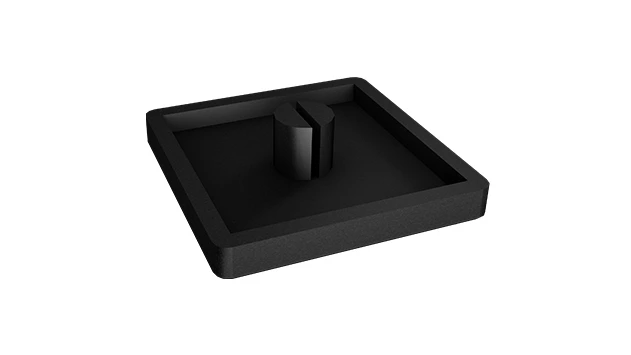
If you've ever worked with aluminum profiles—whether building a workshop workbench, setting up a production line, or assembling storage racks—you know that the little parts often make the biggest difference. Today, we're diving into one of those unsung heroes: aluminum profile end caps. Specifically, we're putting two of the most common sizes head-to-head: the 4040 aluminum profile end cap and the 3030 aluminum profile end cap. You might be thinking, "End caps? Really? How much can there be to them?" Trust me, once you've dealt with a loose end cap causing snags in your workflow or a misfit leaving your aluminum profile exposed to dust and damage, you'll realize these small accessories punch way above their weight. Let's break down what makes each size unique, where they work best, and how to choose the right one for your project.
What Are Aluminum Profile End Caps, Anyway?
First things first: Let's make sure we're all on the same page. Aluminum profile end caps are exactly what they sound like—small, often plastic or rubber covers designed to fit snugly over the exposed ends of aluminum extrusion profiles. Think of them as the "caps" on a marker: they keep the inside protected, prevent messes, and add a finished look. But their job goes beyond aesthetics. In industrial settings, aluminum profiles are everywhere—from lean system workstations to material racks—and their open ends can be a hazard. Sharp edges from cut profiles can scratch hands, catch on gloves or clothing, or even trap small tools. End caps smooth those edges out, turning a potential safety risk into a smooth, safe surface.
But that's not all. Aluminum profiles, especially those used in manufacturing or workshops, are prone to collecting dust, debris, or even moisture in their hollow centers. Over time, that buildup can lead to corrosion, especially if the profile is exposed to humidity or chemicals. End caps act as a barrier, keeping the inside of the profile clean and dry. And let's not forget about the "professional look" factor. A project with exposed, ragged profile ends looks unfinished—like a puzzle with missing pieces. End caps tie the whole setup together, making your aluminum profile structure look intentional and well-crafted, whether it's a retail display or a heavy-duty production line.
Pro Tip: Aluminum profile end caps are part of a larger family of aluminum profile accessories, which include brackets, connectors, and hinges. Choosing the right end cap isn't just about size—it's about ensuring it works seamlessly with the rest of your setup. We'll get into compatibility later, but keep this in mind: a great end cap should feel like it was made for your specific profile.
Size Matters: The Key Difference Between 4040 and 3030 End Caps
Let's cut to the chase: the biggest difference between 4040 and 3030 aluminum profile end caps is size. But "size" here isn't just about how big they look—it's about precise measurements that determine whether they'll fit your profile or not. Let's start with the profiles themselves, since the end caps are designed to match them.
A 4040 aluminum profile is, as the name suggests, roughly 40mm by 40mm in cross-section. These are the workhorses of the aluminum profile world—sturdy, versatile, and built to handle heavier loads. They're commonly used in industrial workbenches, machine frames, and lean system setups where strength is non-negotiable. The 4040 aluminum profile end cap, then, is engineered to fit snugly over the end of this 40x40mm profile. Its outer dimensions are slightly larger than 40mm (to account for the profile's wall thickness), and its inner dimensions are precisely calibrated to grip the inner edges of the profile without being too tight or too loose.
On the flip side, a 3030 aluminum profile is 30mm by 30mm—smaller, lighter, and more suited for lighter-duty applications. Think shelving units, small workstations, or display racks where you don't need the brute strength of a 4040 profile. The 3030 aluminum profile end cap is scaled down accordingly, with inner dimensions that match the 30x30mm profile's inner edges. It's more compact, but no less important for protecting and finishing the profile.
To visualize this, imagine trying to put a child's glove on an adult hand—it might sort of fit, but it'll be stretched, uncomfortable, and likely to fall off. The same goes for end caps: a 3030 end cap on a 4040 profile will rattle loose, while a 4040 cap on a 3030 profile won't even come close to fitting. Precision is key here, and manufacturers design these caps with tight tolerances to ensure a perfect fit.
Breaking Down the Dimensions
Let's get specific. A standard 4040 aluminum profile has a wall thickness of around 1.5mm to 3mm, depending on the manufacturer and intended use. That means the inner width of the profile (the part the end cap needs to grip) is slightly less than 40mm. For example, a 4040 profile with a 2mm wall thickness would have an inner width of 36mm (40mm - 2mm on each side). The 4040 aluminum profile end cap, then, would have an outer width of around 40mm (to cover the profile's outer edges) and an inner gripping width of 36mm, with small tabs or friction-fit edges that hold it in place.
For 3030 profiles, the math is similar. A typical 3030 profile has a wall thickness of 1mm to 2mm, so the inner width might be 28mm (30mm - 1mm on each side). The 3030 aluminum profile end cap would then have an outer width of 30mm and an inner gripping width of 28mm. These numbers can vary slightly between brands, but the principle remains: the end cap's inner dimensions must match the profile's inner dimensions to create a secure fit.
| Feature | 4040 Aluminum Profile End Cap | 3030 Aluminum Profile End Cap |
|---|---|---|
| Intended Profile Size | 40mm x 40mm aluminum profiles | 30mm x 30mm aluminum profiles |
| Typical Outer Dimensions | ~40mm x 40mm (varies by brand) | ~30mm x 30mm (varies by brand) |
| Inner Gripping Width | 36mm - 38mm (depending on profile wall thickness) | 28mm - 29mm (depending on profile wall thickness) |
| Weight (per cap) | 15g - 25g (heavier due to larger size) | 8g - 15g (lighter, more compact) |
| Common Materials | ABS plastic, Nylon, sometimes rubber | ABS plastic, Nylon (lighter materials) |

Material Matters: Durability and Design
Now that we've covered size, let's talk about what these end caps are made of. Most aluminum profile end caps are crafted from plastic—usually ABS (Acrylonitrile Butadiene Styrene) or Nylon. Why plastic? It's lightweight, affordable, and easy to mold into precise shapes, which is crucial for getting that perfect fit. Plus, plastic is naturally resistant to corrosion, which is a big plus if your profile is used in damp or humid environments (like a garage or food processing facility).
But not all plastics are created equal. 4040 end caps, which are designed for heavier-duty profiles, often use thicker or more rigid plastic. Since 4040 profiles are used in applications with more wear and tear—think workbenches where tools are dropped, or machine frames that vibrate—their end caps need to stand up to more abuse. You might find 4040 caps with reinforced edges or thicker walls to prevent cracking if they're knocked or stepped on (yes, it happens!).
3030 end caps, on the other hand, are often made from slightly softer or thinner plastic. Since 3030 profiles are used in lighter applications—like shelving or display units—their end caps don't need to be as tough. That said, "softer" doesn't mean "flimsy." A good 3030 end cap should still be able to withstand being bumped or cleaned without cracking. Some manufacturers even add UV stabilizers to the plastic, which is a big deal if your profile is used outdoors (like a patio awning frame or outdoor display). UV rays can break down plastic over time, making it brittle, but stabilizers slow that process down.
Rubber end caps are less common but worth mentioning. They're often used in environments where noise reduction is key—for example, in a workshop where profiles might be moved or bumped together. Rubber absorbs impact, so it's quieter than plastic. However, rubber is heavier and more expensive, so it's usually reserved for specific use cases. For most people, plastic end caps (ABS or Nylon) are the way to go—they strike the perfect balance between durability, cost, and functionality.

Application Scenarios: Where 4040 and 3030 End Caps Shine
Now that we understand size and material, let's talk about where you'd use each type of end cap. Remember: the end cap is only as good as the profile it's paired with, so let's start with the profiles' typical applications, then see how the end caps fit in.
4040 End Caps: For Heavy-Duty, Industrial Use
4040 aluminum profiles are built for strength, so they're a staple in industrial settings. Think about a manufacturing plant with assembly lines—those workstations where workers assemble products? Chances are, the frame is made from 4040 profiles. These setups need to support heavy tools, parts bins, and even the weight of workers leaning on them. The 4040 aluminum profile end caps here aren't just for looks—they're critical for safety. Without them, the sharp edges of the profiles could scratch workers or catch on the sleeves of their uniforms. In a fast-paced environment, those small hazards add up, so end caps are a simple way to reduce risk.
Another common use for 4040 profiles is in lean system setups. Lean manufacturing relies on efficiency, and 4040 profiles are perfect for building custom material racks, conveyors, or workstations that can be reconfigured as needs change. The end caps in these systems help keep the profiles clean (since dust and debris can slow down moving parts like conveyor belts) and ensure that the structure looks neat and professional—important for maintaining a streamlined, efficient workspace.
Even in non-industrial settings, 4040 profiles (and their end caps) have a place. For example, a garage workshop where you're building a heavy-duty toolbench. The bench needs to hold power tools, metal sheets, or engine parts—all of which are heavy. A 4040 frame with sturdy end caps ensures the bench stays safe and functional for years.
3030 End Caps: For Lighter, More Flexible Projects
3030 aluminum profiles are the "versatile little siblings" of 4040s. They're lighter, easier to handle, and perfect for projects that don't require maximum strength. One common application is retail displays—think of the shelves in a electronics store or the product stands at a trade show. These need to look clean and professional, so 3030 profiles with matching end caps create a sleek, modern look without adding unnecessary weight. Since retail displays are often moved or reconfigured, the lighter 3030 profiles (and their end caps) make setup and teardown a breeze.
Home workshops are another area where 3030 profiles shine. If you're building a small parts shelf, a hobby workbench, or a storage rack for gardening tools, 3030 is more than enough. The 3030 aluminum profile end caps here add a polished touch—no more worrying about splinters or sharp edges if you brush against the shelf. They also keep dust out of the profile's hollow center, which is a plus if you're storing small parts like screws or washers that could fall into the profile and get stuck.
Educational settings, like schools or maker spaces, also love 3030 profiles. They're easy for students or beginners to work with—light enough to cut with basic tools, and simple to assemble with connectors. The end caps here are a safety must: kids and new users are more likely to accidentally brush against the profiles, so smooth end caps prevent scrapes and cuts. Plus, they make the projects the students build look more professional, boosting confidence and pride in their work.
Real-World Example: A local bakery recently upgraded their kitchen with aluminum profile shelving. They needed something sturdy enough to hold heavy flour bags but not so heavy that it was hard to clean around. They went with 3030 profiles for the upper shelves (holding lighter items like mixing bowls) and 4040 for the lower shelves (holding 50-pound flour bags). The 3030 end caps kept the upper shelves looking neat, while the 4040 end caps on the lower shelves protected staff from sharp edges when bending down to grab ingredients. It's a perfect example of choosing the right end cap for the job!
Compatibility: Making Sure Your End Cap Plays Well with Others
We've talked about fitting end caps to profiles, but what about compatibility with other aluminum profile accessories? After all, most aluminum profile projects aren't just profiles and end caps—they include brackets, connectors, hinges, and sometimes even casters for mobility. The last thing you want is to choose an end cap that interferes with these other parts.
Let's start with 4040 end caps. Since 4040 profiles are often used with heavy-duty accessories—like large brackets or industrial casters—their end caps are designed to be low-profile. They sit flush with the end of the profile, so they don't stick out and interfere with connectors. For example, if you're attaching a 90-degree bracket to the end of a 4040 profile, the end cap should sit inside the profile, not outside, so the bracket can bolt directly to the profile's surface. Most 4040 end caps are recessed slightly for this reason—they're meant to be "invisible" once the profile is connected to other parts.
3030 end caps, on the other hand, are often used with lighter accessories, like small hinges or shelf brackets. Since 3030 profiles are narrower, the end caps sometimes have a slightly more pronounced lip (the part that covers the profile's edge), but this is still designed to work with standard accessories. The key here is to check the depth of the end cap. If the cap sticks out too far, it might prevent a bracket from sitting flush against the profile. Most manufacturers list the "protrusion depth" of their end caps (how much they stick out from the profile), so keep an eye on that when shopping.
Another compatibility consideration is color. Aluminum profile accessories (including end caps) come in a range of colors, but the most common are black, white, and silver (to match the aluminum finish). If you're building a display or a visible structure (like a retail shelf), you'll want the end caps to match the rest of your accessories. For example, if you're using black brackets and silver profiles, black end caps would tie the look together. Most brands offer color-matched end caps, so this is usually easy to manage.
Installation Tips: Getting the Perfect Fit Every Time
Installing aluminum profile end caps is usually a simple process, but there are a few tricks to ensure they fit snugly and stay in place. Let's start with the basics: cleaning the profile end. Before installing an end cap, wipe the inside and outside of the profile's end with a clean cloth to remove any dust, oil, or debris. Even a small speck of dirt can prevent the end cap from seating properly, leading to a loose fit. If the profile was recently cut, you might also want to file down any burrs (rough edges) with a metal file—this ensures the end cap doesn't catch on a sharp spot as you push it in.
For 4040 end caps (which are often slightly larger and stiffer), a little pressure is needed. Hold the end cap with both hands, align it with the profile's end, and press firmly but evenly. You should feel a slight "pop" as the cap's tabs or friction edges catch on the profile's inner walls. If it's too hard to push in, don't force it—you might crack the cap. Instead, check if the profile's end is bent or if there's debris inside. For really tight fits, you can warm the end cap slightly with a hair dryer (on low heat!)—plastic becomes more flexible when warm, making it easier to install. Just be careful not to overheat it, as that can warp the cap.
3030 end caps are usually easier to install since they're smaller and lighter. A gentle push is often enough to seat them. However, since they're smaller, they can also be to misalign. Make sure the cap is straight before pushing—if it's at an angle, it might get stuck halfway. If you need to remove a 3030 cap (to clean the profile or replace the cap), use a small flathead screwdriver to gently pry it off. Place the screwdriver under one edge and twist slightly—be careful not to scratch the profile or the cap.
One common mistake is assuming that "snug" means "permanently stuck." End caps should fit tightly enough that they don't fall off on their own, but they should still be removable if needed. If you have to hammer a cap into place, it's too small. If it falls off when you shake the profile, it's too big. The perfect fit is one where you can push it in by hand and it stays put, but you can still pull it off with a little effort.
Why Choosing the Right End Cap Matters (More Than You Think)
At this point, you might be thinking, "Okay, end caps are important, but how much does it really matter if I use the wrong size?" Let me tell you a quick story. A friend of mine runs a small machine shop and decided to build a new workbench using 4040 profiles. He was in a hurry and grabbed some end caps from his drawer—he thought they were 4040, but they were actually 3030. He pushed them into the profile ends, and they seemed to fit (sort of). A week later, he was working on a project, leaned against the bench, and one of the end caps popped out. His elbow hit the exposed profile edge, leaving a deep scratch. Luckily, it wasn't serious, but it could have been worse. That's the thing about end caps: they're small, but their absence (or a poor fit) can lead to real consequences.
Beyond safety, there's the issue of longevity. A profile with a loose end cap lets in dust and moisture, which can corrode the aluminum over time. Corrosion weakens the profile, making it less able to support weight. In a heavy-duty setup like a manufacturing workstation, that could lead to the structure failing—costing time and money to repair. End caps are a cheap insurance policy against that kind of damage.
And let's not forget about professionalism. If you're building a structure for a client—a retail display, a trade show booth, or a workshop for a customer—exposed profile ends look sloppy. It sends the message that you cut corners, which can hurt your reputation. On the flip side, clean, properly fitted end caps show that you care about the details, which builds trust with clients.
Conclusion: Small Part, Big Impact
Aluminum profile end caps might not be the most glamorous part of your project, but they're undeniably important. Whether you're working with 4040 profiles for a heavy-duty lean system or 3030 profiles for a lightweight display, choosing the right end cap—one that fits perfectly, matches your application, and works with your other aluminum profile accessories—is key to building a safe, durable, and professional setup.
Remember: size is the primary difference, but don't overlook material, compatibility, and installation. Take the time to measure your profiles, clean the ends, and test the fit. Your hands (and your project) will thank you. And if you're ever unsure which end cap to choose, don't hesitate to reach out to your aluminum profile supplier—they'll be able to point you to the perfect match for your needs.
So, the next time you're assembling an aluminum profile structure, give a little appreciation to the end caps. They're small, but they're working hard to keep your project safe, clean, and looking great. And isn't that what every builder wants?