- Company Articles
- Products and Technology
- Product knowledge
- 4040B EU Standard Aluminum Profile Color Options: Natural Silver, Black & Custom Finishes

4040B EU Standard Aluminum Profile Color Options: Natural Silver, Black & Custom Finishes
Related Product
4040B EU Standard Aluminum Profile
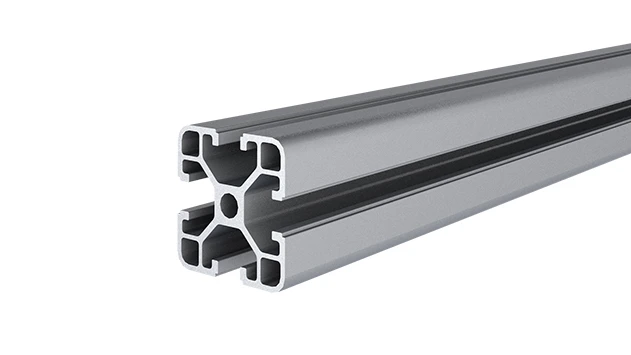
4040B is a 4.00x4.00 CM fractional 40 series square extrusion T-slot profile with four open T-slots, each side with 4.00cm face. The profile has align-a-grooves to assist in aligning connecting profiles.
Walk into any modern factory, workshop, or tech lab, and you'll notice a common thread tying everything together: sleek, modular structures that seem to adapt effortlessly to their surroundings. From workbenches where precision meets productivity to material racks that keep inventory organized, these systems often rely on one unsung hero: the aluminum profile. And among the most versatile players in this space is the 4040B EU Standard Aluminum Profile. But here's the thing—when we talk about aluminum profiles, we're not just talking about strength or functionality. Color matters. A lot. It's the silent communicator of brand identity, the practical choice for workplace efficiency, and sometimes, the final touch that turns a functional setup into something that feels intentional and polished.
In this article, we're diving deep into the color options for the 4040B EU Standard Aluminum Profile: the classic Natural Silver, the modern Black finish, and the endless possibilities of Custom Finishes. Whether you're a manufacturer looking to streamline your production line, a designer crafting a workspace that inspires, or a buyer trying to match your brand's aesthetic, understanding these options will help you make choices that balance form, function, and flair. Let's start by getting to know the 4040B profile itself—because before we talk color, we need to appreciate the foundation it's built on.
Understanding the 4040B EU Standard Aluminum Profile
First things first: what makes the 4040B an "EU Standard" profile? Simply put, it adheres to strict European manufacturing norms, ensuring consistency in dimensions, material quality, and performance. At its core, the 4040B is a square aluminum extrusion with a cross-section of 40mm x 40mm—hence the "4040" in its name. The "B" denotes a specific groove design (the T-slots that run along its length), which is compatible with a wide range of aluminum profile accessories, from end caps to connectors and brackets. This standardization is key: it means no matter where you source your 4040B profiles (from an aluminum profile supplier in Germany, Poland, or beyond), they'll fit together seamlessly, saving you time and frustration during assembly.
But what really sets aluminum extrusion profile apart is how it's made. The process starts with raw aluminum billets, which are heated and pushed through a die to create the profile's shape. This extrusion method not only ensures uniformity but also allows for complex designs—like the T-slots that make the 4040B so modular. The result? A profile that's lightweight (about a third the weight of steel) but surprisingly strong, resistant to corrosion, and easy to work with. It's no wonder it's a staple in industries ranging from automotive manufacturing to electronics, where durability and flexibility are non-negotiable.
Common applications for the 4040B read like a checklist of workplace essentials: workbenches (think: the sturdy surface where your team assembles products or tests equipment), material racks (to hold components and tools within arm's reach), conveyor systems (moving parts from one station to the next), and even custom machinery frames. Its versatility stems from those T-slots, which let you attach accessories—like aluminum profile end caps to smooth out rough edges, or gusset plates to reinforce joints—without welding or drilling. It's modularity at its finest, and it's why the 4040B is often the first choice for lean system setups, where adaptability and efficiency are priorities.
Natural Silver: The Timeless Classic
Let's start with the color that needs no introduction: Natural Silver. This is the "au naturel" finish of the 4040B profile, achieved either through anodization (an electrochemical process that enhances the aluminum's natural oxide layer) or as a mill finish (the raw, uncoated surface straight from the extrusion die). It's understated, versatile, and has been a mainstay in industrial settings for decades—and for good reason.
One of the biggest draws of Natural Silver is its neutrality. It doesn't compete with other colors in the workspace; instead, it complements them. Whether your facility is decked out in bold safety yellows, muted grays, or even vibrant brand hues, Natural Silver profiles blend in without fading into the background. This makes them ideal for environments where consistency across different zones is key—like a factory with multiple production lines, or a lab with varying equipment setups. It's the chameleon of profile colors, and that adaptability is hard to beat.
Practicality is another feather in its cap. Natural Silver reflects light, which can brighten up dim work areas without the need for extra lighting—an unexpected bonus for energy efficiency. It also shows off the aluminum's natural texture, with a subtle matte sheen that feels industrial yet refined. And here's a pro tip: unlike darker finishes, minor scratches or scuffs on Natural Silver are far less noticeable. In high-traffic areas, where profiles might bump against tools or carts, this can keep your setup looking neat longer.
Pro Tip: Pair Natural Silver profiles with 4040 aluminum profile end caps in the same finish for a polished look. These small accessories cap off the ends of the profile, hiding sharp edges and preventing dust from collecting in the T-slots. They're a tiny detail, but they make a big difference in how professional your setup feels.
Where does Natural Silver shine brightest? Think clean, functional spaces where the focus is on the work, not the tools. Pharmaceutical labs, for example, often opt for Natural Silver to maintain a sterile, clinical vibe that aligns with strict hygiene standards. Similarly, educational workshops or maker spaces appreciate its no-nonsense look—students and hobbyists can focus on building, not worrying about keeping a flashy finish spotless. Even in tech offices, where minimalism is trending, Natural Silver profiles blend with whiteboards and glass partitions to create a sleek, modern backdrop for collaboration.
But don't mistake "classic" for "boring." Natural Silver's beauty lies in its simplicity. It lets the quality of the aluminum extrusion profile speak for itself, highlighting the precision of the extrusion process and the material's inherent strength. When paired with the right accessories—say, aluminum guide rail A in a subtle gray or plastic roller track guide rail in yellow for a pop of color—it becomes part of a system that's as functional as it is visually cohesive. It's the kind of color that doesn't just work today; it works tomorrow, next year, and beyond, making it a safe bet for long-term investments.

Black Finish: Modernity with a Professional Edge
If Natural Silver is the reliable classic, Black Finish is the sleek newcomer that's taking workspaces by storm. This option isn't just about slapping a coat of paint on the profile—it's a deliberate choice to blend aesthetics with functionality, and it's resonating with industries that value both. Black 4040B profiles are typically finished using either anodization (creating a deep, dye-infused oxide layer) or powder coating (a dry powder applied electrostatically and baked on), each offering unique benefits.
Let's talk about the obvious first: Black Finish looks sharp. It's bold, contemporary, and instantly elevates the look of any setup. Walk into a high-end electronics manufacturing facility, and you'll likely spot black profiles framing workbenches where smartphones or circuit boards are assembled. In these environments, the dark hue reduces glare—a critical feature when working with small, light-sensitive components. It also hides fingerprints and smudges better than Natural Silver, which is a godsend in busy workspaces where constant handling can leave profiles looking grubby. For teams that take pride in a clean, professional appearance, Black Finish is a game-changer.
But there's more to it than looks. Black anodized profiles, in particular, offer enhanced durability. The anodization process thickens the aluminum's natural oxide layer, making it more resistant to scratches, corrosion, and wear. This makes them ideal for high-traffic areas, like material racks in warehouses or conveyor systems that see constant use. Powder-coated black profiles, on the other hand, offer a wider range of matte or glossy finishes and can be formulated to meet specific performance standards—like resistance to chemicals or UV rays, which is useful in outdoor or industrial settings.
Black Finish also plays well with other colors, making it a designer's favorite. Imagine a black 4040B profile paired with aluminum guide rail B in silver for a striking contrast, or with yellow plastic roller track guide rail to mark workflow paths in a factory. It's versatile enough to fit into minimalist tech offices (think: black profiles with white worktops and LED lighting) or industrial-themed cafes (where exposed aluminum structures add an edgy, modern touch). In short, it's not just a color—it's a tool for storytelling, letting you shape the mood of a space.
Who's choosing Black Finish? Beyond electronics, industries like automotive design (where sleekness is part of the brand identity), aerospace (for cleanroom-compatible setups), and even high-end retail (using profiles to build custom display racks) are jumping on board. It's also popular in start-ups and creative agencies, where the workspace is an extension of the company's culture—think: open-concept offices with black-framed meeting pods or collaborative workbenches that look as good as they function.
Of course, no finish is perfect, and Black Finish has a few considerations. For one, it can show dust more easily than Natural Silver (though it hides smudges better—trade-offs!). It also tends to be slightly more expensive than the natural finish, especially if you opt for a high-quality powder coat or anodization. And in very bright environments, black can absorb heat, which might be a factor if your setup is near windows or heat sources. But for most applications, these are minor quibbles compared to the benefits of a finish that combines style and substance.
Custom Finishes: Tailoring to Your Unique Needs
Sometimes, standard colors just won't cut it. Maybe you need your material racks to match your brand's signature blue, or your workbenches to stand out in a warehouse with high-visibility orange. That's where custom finishes come in—and they're more accessible than you might think. Today's aluminum profile suppliers offer a range of customization options, from matching RAL color codes to creating one-of-a-kind finishes that align with your exact vision.
Let's start with the basics: RAL colors. The RAL color chart is a global standard for paint and coatings, with over 200 shades ranging from vivid reds to muted pastels. If your company logo uses RAL 5015 (Sky Blue), for example, your aluminum profile supplier can powder coat 4040B profiles in that exact hue, ensuring your workspace feels like an extension of your brand. This is a game-changer for customer-facing areas—like showrooms where you display products on custom racks—or for internal spaces where brand cohesion boosts team morale. Imagine walking into a brewery where the material racks holding hops and barley are painted in the company's signature green; it's a small detail, but it reinforces pride in the brand.
But custom finishes go beyond just color matching. Anodization, for instance, can be dyed in a spectrum of shades, from deep gold to vibrant purple, and it offers excellent durability (think: outdoor applications or high-wear areas). For a more textured look, you might opt for a brushed finish, which adds subtle lines to the profile's surface, hiding minor scratches while adding visual interest. Some suppliers even offer wood grain or metallic finishes for projects where aesthetics take center stage—like retail displays or museum exhibits that need to blend industrial strength with a warm, inviting feel.
Case Study: A leading beverage company approached their aluminum profile supplier with a request: they needed material racks in their brand's iconic red to use in their visitor center. The supplier matched the RAL code, powder-coated the 4040B profiles, and even colored the aluminum profile accessories (like end caps and brackets) to match. The result? Racks that didn't just hold inventory—they told the company's story, wowing visitors and reinforcing brand identity at every turn.
Of course, custom finishes come with considerations. The biggest one is cost: custom colors often require minimum order quantities (MOQs), which can be higher than standard finishes. If you only need a few profiles, it might not be feasible—but for larger projects, the investment is often worth it. Lead time is another factor; custom finishes take longer to produce than off-the-shelf options, so plan accordingly. And it's crucial to work with a reputable aluminum extrusion profile supplier who can provide color samples upfront, ensuring the finish matches your expectations before production begins.
Who benefits most from custom finishes? Beyond brand-focused businesses, industries with specific safety or regulatory needs often turn to custom colors. Construction companies, for example, might use high-visibility orange profiles on job site workbenches to meet safety standards, while medical facilities could opt for calming blue to create a more relaxed environment for patients and staff. Even educational institutions might use custom colors to differentiate between departments—physics labs in blue, biology in green—making navigation easier for students and staff alike.
At the end of the day, custom finishes are about empowerment. They let you take the versatility of the 4040B EU Standard Aluminum Profile and make it uniquely yours. Whether you're aiming to boost brand recognition, improve safety, or simply create a workspace that feels intentional, custom colors turn "good enough" into "exactly right."
Pairing Colors with Aluminum Profile Accessories
A profile is only as good as the accessories that bring it to life. And when it comes to color, the accessories you choose can make or break the cohesion of your setup. Imagine building a sleek black workbench, only to cap it with silver end caps—it's a small mismatch, but it can make the whole system feel unfinished. That's why paying attention to accessory colors is just as important as choosing the profile color itself.
Let's start with the basics: aluminum profile end caps. These simple accessories snap or screw into the ends of the profile, covering sharp edges and giving a clean, polished look. Most suppliers offer end caps in the same finishes as the profiles—so if you're using Natural Silver 4040B profiles, opt for 4040 aluminum profile end caps in Natural Silver. For Black Finish profiles, black end caps are a must. It's a tiny detail, but it pulls the whole look together, showing that you care about the little things.
Next, consider T-slot covers and rubber strips. Aluminum profile rubber strip is used to seal the T-slots, preventing dust and debris from collecting inside. These strips come in a range of colors, from neutral grays to bold reds, and they're a fun way to add a pop of color without overwhelming the design. For example, a Natural Silver profile with a yellow rubber strip can mark a "fast track" in a production line, while a black profile with a white strip adds contrast in a dimly lit workspace.
Connectors and brackets are another area where color matters. Many aluminum profile accessories, like gusset plates or angle codes, are available in Natural Silver as standard, but some suppliers can powder coat them to match custom profile colors. This is especially important for visible areas—like the corners of a workbench or the sides of a material rack. If you've invested in custom blue profiles, having blue brackets will make the system feel intentional, not haphazard.
Then there are the functional accessories, like roller tracks and guide rails. Plastic roller track guide rail, for instance, comes in yellow, grey, and other colors, and they can be used to direct workflow or highlight specific zones. A Natural Silver profile with yellow roller tracks, for example, is a classic combo in warehouses, where the yellow signals "this is where materials move." Similarly, aluminum guide rail A or B (often in silver or black) can complement the profile color, creating a cohesive look even in complex setups.
The key here is balance. You don't need every accessory to match the profile color—too much of one shade can feel flat. Instead, aim for a mix of matching and contrasting elements. For example: Natural Silver profiles + black brackets + yellow roller tracks = a setup that's functional, visually interesting, and easy to navigate. Black profiles + silver end caps + grey rubber strips = a sleek, modern look with just enough contrast to keep it from feeling monotonous. It's about creating a system that looks like it was designed, not just assembled.
Practical Tips for Choosing the Right Color
With all these options, how do you narrow it down to the right color for your project? It starts with asking the right questions. Let's walk through some practical considerations to help you make a decision that balances aesthetics, functionality, and budget.
1. Start with the environment. Where will the profiles be used? A cleanroom might demand Natural Silver for its sterile look, while a tech startup's office could rock Black Finish for a modern vibe. Think about lighting, too—dark colors absorb light, so they might not be ideal for dim spaces, while light colors reflect it, brightening up rooms. Also, consider wear and tear: high-traffic areas (like near loading docks) might benefit from darker colors that hide scuffs, while low-traffic areas (like a lab bench) can pull off lighter shades.
2. Align with brand or safety standards. If your company has brand guidelines, start there. Custom finishes let you match logo colors, which is a powerful way to reinforce identity. For safety-focused environments, look to RAL colors that signal caution (orange, red) or direction (green, blue). OSHA standards, for example, recommend specific colors for safety equipment, and your profile colors can align with those to keep the workspace compliant.
3. Think about maintenance. How much time will you spend cleaning the profiles? Natural Silver shows dust but hides smudges; Black Finish hides smudges but shows dust. If your team is too busy to wipe down profiles daily, a darker color might be more practical. Also, consider the finish type: anodized profiles are more scratch-resistant than powder-coated ones, so they're better for high-wear areas.
4. Budget for the long term. Standard colors (Natural Silver, Black) are more affordable upfront, but custom finishes can add value by enhancing brand perception or improving workflow. If you're building a setup that will be used for years, the extra cost of custom colors might pay off in employee satisfaction or customer.
5. Ask for samples. Colors can look different on screen than in real life, and lighting can change how they appear. Any reputable aluminum profile supplier will send you physical samples of the profiles and finishes, so you can see how they look in your workspace before placing a large order. Test them under different lights (natural, fluorescent, LED) to ensure you're happy with the result.
Conclusion: Color as a Tool for Better Workspaces
At the end of the day, the color of your 4040B EU Standard Aluminum Profile is more than just a cosmetic choice. It's a tool that shapes how your workspace feels, functions, and communicates. Natural Silver offers timeless versatility, blending into any environment while highlighting the material's inherent quality. Black Finish brings modernity and professionalism, making it a favorite for forward-thinking industries. And custom finishes? They let you tell your brand's story, one profile at a time.
But here's the best part: there's no "wrong" choice. The right color depends on your unique needs—your industry, your brand, your team, and your space. Whether you opt for the classic sheen of Natural Silver, the sleek edge of Black Finish, or a custom shade that's uniquely yours, the 4040B EU Standard Aluminum Profile will adapt, supporting your workflow with the strength and modularity that made it a standard in the first place.
So, the next time you're planning a workspace upgrade, don't overlook the color of your aluminum profiles. It's a small decision that can make a big impact—turning a functional setup into one that inspires, organizes, and reflects who you are. After all, workspaces should work with you, not against you. And with the right color, your 4040B profiles will do just that.