- Company Articles
- Products and Technology
- Product knowledge
- 4040C EU Standard Aluminum Profile Anodizing Process: Benefits for Corrosion Protection

4040C EU Standard Aluminum Profile Anodizing Process: Benefits for Corrosion Protection
Related Product
4040C EU Standard Aluminum Profile
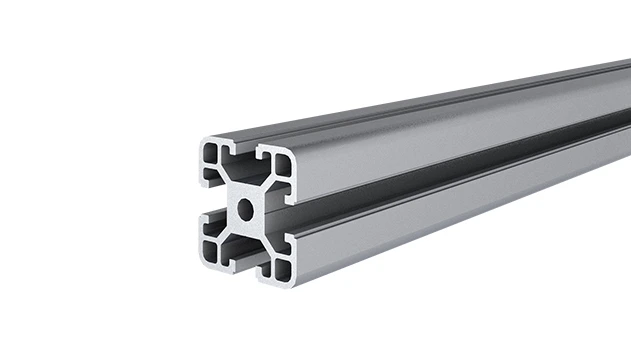
4040C is a 4.00x4.00 CM fractional 40 series square extrusion T-slot profile with four open T-slots, each side with 4.00cm face. The profile has align-a-grooves to assist in aligning connecting profiles.
In the world of industrial manufacturing, where efficiency, durability, and reliability are the backbone of daily operations, the materials we choose can make or break a production line. Among the unsung heroes of this space is the aluminum profile—lightweight, versatile, and inherently strong. But not all aluminum profiles are created equal. Today, we're diving deep into one specific standout: the 4040C EU Standard Aluminum Profile. More importantly, we're exploring how its anodizing process transforms it from a solid material into a corrosion-resistant workhorse, and why that matters for your operations.
Whether you're setting up a new lean system, building a sturdy workbench, or sourcing components for material racks, understanding the 4040C's anodized finish will help you make smarter, longer-lasting choices. Let's start by getting to know this profile better.
What Is 4040C EU Standard Aluminum Profile?
First things first: the 4040C is part of the broader family of aluminum extrusion profiles—products shaped by forcing aluminum alloy through a die to create consistent cross-sectional shapes. The "4040" in its name refers to its dimensions: 40mm in width and 40mm in height, making it a compact yet robust option for structural applications. The "C" denotes a specific design variant within EU standards, which prioritize precision, compatibility, and quality control.
EU standard profiles like the 4040C are engineered to work seamlessly with a wide range of aluminum profile accessories—think connectors, end caps, hinges, and brackets. This compatibility is a game-changer for manufacturers and facility managers, as it allows for modular, customizable setups that can adapt to evolving needs. Whether you're building a workbench for assembly lines or a material rack for storage, the 4040C's standardized design ensures parts fit together without hassle, reducing setup time and errors.
But what truly elevates the 4040C is its anodized surface treatment. Without this process, even the best aluminum profile would fall short in harsh industrial environments. Let's unpack how anodizing works.
The Anodizing Process: Turning Aluminum into a Corrosion-Resistant Shield
Anodizing isn't just a coating—it's a controlled oxidation process that transforms the aluminum's surface at a molecular level. Unlike paint or plating, which sit on top of the metal, anodizing grows a protective layer from within the aluminum itself. Here's a step-by-step breakdown of how this magic happens for the 4040C profile:
1. Pre-Treatment: Cleaning the Slate
Before anodizing can begin, the 4040C profile needs a thorough cleaning. Industrial aluminum extrusion profiles often arrive with oils, grease, or residual oxides from the extrusion process—all of which can interfere with the anodizing reaction. The pre-treatment stage typically involves three steps:
- Degreasing: The profile is submerged in a hot alkaline solution to dissolve oils and contaminants. Think of this as giving the aluminum a deep clean before its "treatment."
- Etching: Next, a mild acid (usually phosphoric or nitric acid) etches the surface, removing any remaining oxide layers and creating a uniform texture. This step ensures the anodized layer will adhere evenly, avoiding weak spots.
- Desmutting: Finally, a desmutting solution (often nitric acid-based) removes "smut"—a dark residue left by etching. This leaves the aluminum bright and ready for anodization.
2. Anodization: Growing the Protective Layer
Now comes the core of the process. The cleaned 4040C profile is submerged in an electrolytic bath—typically sulfuric acid—where it acts as the anode (positive electrode). A cathode (negative electrode) is also placed in the bath. When an electric current is applied, the acid solution breaks down water molecules, releasing oxygen ions that react with the aluminum surface. This reaction forms aluminum oxide (Al₂O₃), a hard, porous material that grows outward from the metal.
The thickness of this oxide layer depends on the process duration and current density. For industrial applications, the 4040C is often anodized to a thickness of 10–20 micrometers (µm)—thick enough to provide robust protection without compromising the profile's structural integrity. This layer is naturally porous, which might sound like a weakness, but it's actually a key feature we'll address next.
3. Sealing: Locking in the Protection
The porous oxide layer is great for absorbing dyes (if color is needed) but would be vulnerable to moisture and chemicals without sealing. Sealing closes these pores, creating a non-porous barrier that repels water, salts, and corrosive agents. The most common method for 4040C profiles is hot water sealing: the anodized profile is immersed in deionized water at 80–95°C. The heat causes the aluminum oxide to hydrate, expanding and plugging the pores. For extra durability, some suppliers use nickel acetate sealing, which forms a more rigid seal—ideal for harsh environments like coastal factories or chemical plants.

How Anodizing Enhances Corrosion Protection
Aluminum is already naturally corrosion-resistant thanks to a thin, native oxide layer that forms when it's exposed to air. But this layer is only 0.01–0.1 µm thick—easily scratched or worn away in high-traffic industrial settings. Anodizing supercharges this protection in three critical ways:
1. A Thicker, Tougher Barrier
As we mentioned, the anodized layer on a 4040C profile is 10–20 µm thick—100–200 times thicker than the native oxide layer. This extra thickness acts like a suit of armor, shielding the underlying aluminum from moisture, salt, and industrial chemicals. In tests, anodized aluminum profiles have withstood 1,000+ hours of salt spray exposure without significant corrosion—far outperforming non-anodized alternatives, which might start showing rust-like pitting in as little as 100 hours.
2. Self-Healing Properties (Sort Of)
Here's a neat trick: if the anodized layer gets scratched, the exposed aluminum beneath will quickly form a new native oxide layer, preventing further corrosion. It's not "self-healing" in the traditional sense, but it's a built-in backup system that non-anodized metals (like steel) lack. This makes the 4040C ideal for applications where minor impacts or abrasion are inevitable—think material racks, conveyor systems, or workbenches where tools and parts are constantly moving.
3. Resistance to Chemicals and UV Rays
Industrial environments are full of potential threats: cleaning agents, coolants, oils, and even UV exposure from factory lighting. The anodized layer on the 4040C is inert to most acids (except strong alkalis), making it resistant to spills and splashes. UV rays, which can fade or degrade painted surfaces, have little effect on anodized aluminum—so your profiles will maintain their appearance and performance even in well-lit or outdoor settings.
Beyond Corrosion: Other Benefits of Anodized 4040C Profiles
Corrosion protection is the star of the show, but the anodizing process brings other perks that make the 4040C a standout choice for industrial applications:
1. Enhanced Durability and Wear Resistance
Aluminum oxide is harder than aluminum itself (with a Mohs hardness of 7, compared to aluminum's 2.5–3). This means anodized 4040C profiles resist scratches, dents, and wear from daily use. If you've ever seen a workbench with chipped paint or a material rack with scuffed metal, you know how quickly unprotected surfaces degrade. Anodized profiles stay looking sharp and functional longer.
2. Aesthetic Versatility
While corrosion protection is functional, aesthetics matter too—especially in customer-facing areas or cleanrooms. The anodizing process allows for dyeing the oxide layer in a range of colors (blacks, blues, silvers, and more) by immersing the profile in a dye bath before sealing. Unlike paint, dyed anodized finishes won't chip or fade, maintaining a professional look for years. For many lean system suppliers, this combination of form and function is a major selling point.
3. Low Maintenance
Anodized 4040C profiles are easy to clean and require minimal upkeep. A quick wipe with a damp cloth is usually enough to remove dust or grime—no need for special cleaners or frequent repainting. This low maintenance saves time and money over the profile's lifespan, especially in high-traffic areas where cleaning downtime is costly.
Practical Applications: Where Anodized 4040C Shines
Now that we understand the "why" behind the anodizing process, let's look at the "where." The 4040C's corrosion resistance and durability make it a top pick for several key industrial setups:
Workbenches: The Heart of Production Lines
A workbench is where operators spend most of their day—assembling parts, testing products, or packing goods. It needs to withstand spills (oils, solvents, water), tool impacts, and constant use. Anodized 4040C profiles form the frame of sturdy, corrosion-resistant workbenches that hold up to these demands. Pair it with aluminum profile accessories like a honeycomb panel top or side guards, and you've got a workstation built to last.
Lean Systems: Efficiency Meets Longevity
Lean manufacturing relies on minimizing waste and maximizing flow—something that's hard to do if your material racks, conveyors, or turnover trolleys keep breaking down. Anodized 4040C profiles are a staple in lean systems, where their corrosion resistance ensures components like flow racks and roller tracks stay operational in humid or chemical-rich environments. A reliable lean system supplier will often recommend anodized profiles for these setups, as they reduce downtime and replacement costs.
Outdoor and Humid Environments
Warehouses near coastlines, food processing facilities with high humidity, or outdoor storage areas are brutal on metal. Non-anodized aluminum might corrode; steel would rust. The 4040C's anodized layer thrives here, making it ideal for outdoor material racks, loading dock structures, or washdown areas in food and beverage plants.
Anodized vs. Non-Anodized: A Clear Comparison
Still on the fence about anodizing? Let's put it side by side with non-anodized 4040C aluminum in a quick comparison:
| Feature | Anodized 4040C | Non-Anodized 4040C |
|---|---|---|
| Corrosion Resistance | High (1000+ hours salt spray resistance) | Low (vulnerable to moisture, chemicals, and oxidation) |
| Surface Hardness | Hard (Mohs 7); resists scratches/wear | Soft (Mohs 2.5–3); prone to scuffs and dents |
| Aesthetic Options | Dyeable in multiple colors; finish won't fade/chip | Natural aluminum look; prone to discoloration over time |
| Maintenance Needs | Low (wipe clean with water) | Higher (may require painting/coating to prevent corrosion) |
| Lifespan in Industrial Settings | 10–15+ years (with proper use) | 3–5 years (before corrosion affects functionality) |
Choosing the Right Supplier: Why Quality Anodizing Matters
Not all anodized 4040C profiles are created equal. The quality of the anodizing process depends heavily on the supplier's expertise, equipment, and attention to detail. When sourcing 4040C profiles, look for a lean system supplier or aluminum extrusion profile specialist who:
- Adheres to EU Standards: Ensure they follow strict EU guidelines for anodizing thickness, sealing quality, and material purity. Ask for test reports (like salt spray test results) to verify claims.
- Offers Customization: Every operation is unique. A good supplier will work with you to adjust anodizing thickness, color, or profile length to fit your needs.
- Provides Full Compatibility: They should stock or source aluminum profile accessories (connectors, end caps, brackets) that work seamlessly with the 4040C, avoiding mismatched parts that weaken your setup.
- Has a Track Record: Look for reviews or case studies from other industrial clients. A supplier with years of experience in anodizing aluminum profiles is less likely to cut corners.
Final Thoughts: Investing in Corrosion Resistance Pays Off
The 4040C EU Standard Aluminum Profile, when anodized, is more than just a piece of metal—it's an investment in your operation's longevity. Its corrosion resistance, durability, and low maintenance make it a cost-effective choice over time, even if the initial price tag is slightly higher than non-anodized alternatives. Whether you're building a workbench, setting up a lean system, or designing material racks, choosing anodized 4040C means fewer replacements, less downtime, and a workspace that stays functional and professional for years to come.
So, the next time you're sourcing aluminum extrusion profiles, remember: the anodizing process isn't just a finish—it's a promise of protection. And in industrial manufacturing, that promise is worth its weight in aluminum.