- Company Articles
- Products and Technology
- Product knowledge
- 4040C EU Standard Aluminum Profile Corrosion Resistance: Performance in Industrial Environments

4040C EU Standard Aluminum Profile Corrosion Resistance: Performance in Industrial Environments
Related Product
4040C EU Standard Aluminum Profile
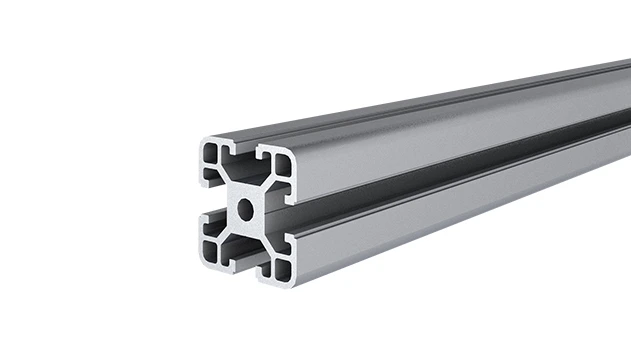
4040C is a 4.00x4.00 CM fractional 40 series square extrusion T-slot profile with four open T-slots, each side with 4.00cm face. The profile has align-a-grooves to assist in aligning connecting profiles.
The Hidden Enemy in Industrial Spaces – Corrosion
Let's start by stepping onto a typical industrial floor. Picture the hum of machinery, the movement of materials, and the constant buzz of productivity. Now, look closer at the infrastructure holding it all together: the workbenches where assemblies take shape, the racks storing raw materials, the conveyors moving products from station to station. These aren't just pieces of metal and plastic – they're the backbone of operations. But there's a silent threat lurking here, one that can weaken even the sturdiest setups over time: corrosion.
Corrosion isn't just about rust on a metal surface. It's the gradual breakdown of materials due to chemical reactions with their environment. In industrial settings, this enemy wears many faces: humidity hanging thick in the air, oils and coolants dripping from machinery, acidic or alkaline cleaners used to sanitize surfaces, even salt in coastal manufacturing plants. Left unchecked, it can turn a solid workbench into a wobbly hazard, a reliable rack into a collapsed mess, and a smooth-running conveyor into a seized-up nightmare. The cost? Downtime, repairs, replacements, and even safety risks. So, the question becomes: what materials can stand up to this onslaught and keep industrial operations running smoothly, year after year?
Meet the 4040C EU Standard Aluminum Profile: More Than Just Metal
Enter the 4040C EU Standard Aluminum Profile – a workhorse in the world of industrial infrastructure. If you've ever walked through a well-organized factory or warehouse, chances are you've seen its handiwork without even realizing it. This isn't just any piece of aluminum; it's a precision-engineered aluminum extrusion profile designed to meet strict EU standards for strength, durability, and yes, corrosion resistance. But what makes it so special, and why should industrial operators pay attention?
First, let's clarify what we mean by "aluminum extrusion profile." Extrusion is the process of pushing heated aluminum through a die to create a specific cross-sectional shape – in this case, the 4040C's signature square profile, measuring roughly 40mm by 40mm. This method ensures consistency in size and strength, making the 4040C easy to integrate with other components. And when we say "EU Standard," we're talking about rigorous testing for quality, safety, and performance – so you know it's built to last.
The 4040C isn't a one-trick pony, either. Its versatility is part of its appeal. It's the go-to choice for building everything from sturdy workbenches where technicians assemble delicate electronics to robust material racks that hold heavy components. It's a key player in lean systems, where adaptability and efficiency are king – think modular setups that can be reconfigured as production needs change. And because it pairs seamlessly with aluminum profile accessories like connectors, brackets, and end caps, it's easy to customize without sacrificing structural integrity.

The Science Behind the Resistance: How 4040C Fights Corrosion
Here's the thing about aluminum: it's naturally good at fighting corrosion, and the 4040C takes that (talent) to the next level. Let's break down the science – don't worry, we'll keep it simple. Aluminum, when exposed to oxygen, forms a thin, invisible layer of aluminum oxide on its surface. This layer is incredibly dense and tightly bonded to the metal, acting like a shield that prevents further oxidation. It's like the metal's own built-in armor, and it self-heals: if the layer gets scratched, the aluminum underneath reacts with oxygen again to repair the damage.
But the 4040C doesn't rely solely on this natural defense. Its alloy composition – typically 6063 aluminum, a common choice for extrusion profiles – is optimized to enhance corrosion resistance. 6063 aluminum contains magnesium and silicon, which not only improve its strength but also help stabilize that oxide layer, making it thicker and more durable than pure aluminum alone. This means even in humid or chemically active environments, the shield holds strong.
Manufacturers often take things a step further with surface treatments, and this is where aluminum profile accessories and processing techniques shine. Anodizing, for example, is a process that electrolytically thickens the natural oxide layer, turning it into a harder, more corrosion-resistant barrier. Some 4040C profiles also come with powder coating – a durable, colored finish that adds an extra layer of protection while allowing for customization (think safety yellow for high-visibility areas or sleek gray for cleanroom settings). These treatments don't just boost corrosion resistance; they also make the profile easier to clean, which is a big plus in environments where hygiene matters.
4040C in Action: Corrosion Resistance Across Industrial Sectors
Talk is cheap – let's look at how the 4040C performs when the going gets tough. Industrial environments vary wildly, so we'll check in on a few key sectors to see how this aluminum profile holds up.
Manufacturing Plants: Imagine a busy automotive parts factory. Here, the air is thick with oil mist from machining operations, coolants splash onto work surfaces, and metal chips fly. Steel components in this setting would start showing rust within months without constant maintenance. The 4040C? It laughs this off. Its oxide layer and alloy composition resist the corrosive effects of oils and coolants, and even if metal chips scratch the surface, that self-healing shield kicks in. Workbenches built with 4040C stay stable and safe, even after years of daily use.
Food Processing Facilities: Now, step into a food packaging plant. Here, the enemy is moisture and sanitizers. Think high-pressure hoses spraying hot, soapy water multiple times a day to meet hygiene standards, or acidic spills from fruits and vegetables. Stainless steel is often used here, but it's heavy and expensive. The 4040C offers a lightweight alternative with comparable corrosion resistance. Its smooth surface (often enhanced by anodizing) doesn't harbor bacteria, and it stands up to the alkaline cleaners and mild acids common in food processing. Material racks made from 4040C can hold sacks of flour or boxes of produce without warping or corroding, even in damp storage areas.
Pharmaceutical Labs: Precision and cleanliness are non-negotiable here. Labs use strong disinfectants and solvents to maintain sterile conditions, and equipment must withstand frequent wipe-downs with these chemicals. The 4040C's resistance to harsh cleaners makes it ideal for building cleanroom workbenches and storage racks. Unlike some plastics that can degrade or absorb chemicals over time, aluminum remains stable, ensuring that no harmful substances leach into sensitive pharmaceutical products. Its compatibility with aluminum profile accessories like non-slip mats and sealed edges also helps maintain the strict hygiene standards required in this sector.
Coastal Manufacturing: Let's head to a plant near the ocean. Here, salt-laden air is the main culprit – salt is a powerful corrosive agent that can eat through untreated metal in record time. The 4040C, with its thick oxide layer and optional anodizing, holds its own against salt spray. In fact, accelerated testing (like salt spray tests that simulate years of exposure in weeks) shows that properly treated 4040C profiles can resist corrosion for 10+ years in coastal environments. That's a huge win for operations that can't afford frequent equipment replacements.
4040C vs. the Competition: Why Aluminum Profile Wins
To really appreciate the 4040C, let's stack it up against the materials it often replaces. First, mild steel – the old standby in industrial settings. Steel is strong, but it's a magnet for corrosion. Without coatings like galvanization or paint, it rusts quickly, especially in humid or chemical-rich environments. Even with coatings, you're looking at regular maintenance: touch-up painting every few years, replacing rusted bolts, or dealing with flaking galvanization. The 4040C? No rust, minimal upkeep, and a longer lifespan. Plus, it's about a third the weight of steel, making it easier to install and reconfigure – a big plus for lean systems that need to adapt on the fly.
What about plastic? Plastic might seem like a corrosion-resistant alternative, and in some cases, it works. But it lacks the structural strength of aluminum. A plastic workbench might sag under heavy tools, or a plastic rack could buckle under the weight of raw materials. The 4040C, on the other hand, offers the best of both worlds: corrosion resistance and the rigidity needed for industrial applications. It also doesn't degrade in UV light, so it won't become brittle or discolor if used near windows or in outdoor storage areas.
Then there are other aluminum profiles. Not all aluminum is created equal. Take the 3030 EU Standard Aluminum Profile, for example – smaller in size and often used for lighter-duty tasks. While it's corrosion-resistant, its smaller cross-section means it can't handle the same loads as the 4040C. The 4040C's 40mmx40mm design provides more surface area for load distribution, making it better suited for heavy workbenches and racks. It also has more T-slots (the grooves along its length) for attaching aluminum profile accessories, giving it greater versatility in assembly.
Keeping 4040C Strong: Maintenance Made Simple
One of the biggest perks of the 4040C is how little effort it takes to keep it in top shape. Unlike steel, which demands regular painting or coating, or wood, which needs sealing against moisture, aluminum profile maintenance is mostly a matter of common sense. Let's break down the basics.
First, cleaning. A quick wipe with a damp cloth is usually enough to remove dust, oil, or grime. For tougher stains – say, dried coolant on a workbench – mild soap and water work wonders. Avoid harsh abrasives or acidic cleaners, though; they can damage the oxide layer or any surface treatments like anodizing. Remember, the goal is to preserve that natural shield, not strip it away.
Next, inspect the aluminum profile accessories. The connectors, brackets, and fasteners that hold your 4040C setup together need occasional checks. Over time, vibrations from machinery can loosen bolts, so a quick tighten with a wrench every few months will keep things secure. If you notice any damaged accessories – like a cracked bracket or a bent connector – replace them promptly. These small parts play a big role in maintaining the overall stability of the structure, and replacing them is far cheaper than fixing a collapsed rack.
Finally, watch for signs of unusual wear. While the 4040C is corrosion-resistant, extreme environments (like constant exposure to strong acids) might cause localized damage. If you see pitting, discoloration, or soft spots on the profile, it's worth investigating – maybe the environment is more aggressive than anticipated, and adding a protective coating or upgrading to a more specialized aluminum profile could help. But in most cases, you'll find that the 4040C just keeps going, year after year, with minimal intervention.
The bottom line? Less maintenance means less downtime, fewer repair costs, and more time focusing on what really matters: keeping production running smoothly. For busy industrial operations, that's a game-changer.
Comparative Analysis: 4040C vs. Other Common Materials
To put the 4040C's corrosion resistance in perspective, let's compare it to two common alternatives: mild steel (a traditional industrial material) and the 3030 EU Standard Aluminum Profile (a smaller aluminum extrusion). The table below breaks down key factors like corrosion resistance, maintenance needs, and lifespan in typical industrial environments.
| Material | Alloy/Composition | Corrosion Resistance | Maintenance Requirements | Typical Lifespan in Industrial Settings | Key Limitation |
|---|---|---|---|---|---|
| 4040C EU Standard Aluminum Profile | 6063 Aluminum (Mg, Si) | Excellent: Natural oxide layer + alloy stability; resists oils, coolants, salt spray, mild acids/alkalis | Minimal: Occasional cleaning; inspect aluminum profile accessories | 10–15 years (with proper care) | Higher upfront cost than mild steel |
| Mild Steel | Iron + Carbon | Poor: Prone to rust without coatings; vulnerable to moisture, chemicals | High: Regular painting/galvanizing; rust removal; part replacements | 3–5 years (untreated); 5–8 years (treated) | Heavy; requires frequent maintenance |
| 3030 EU Standard Aluminum Profile | 6063 Aluminum (Mg, Si) | Very Good: Same oxide layer as 4040C; similar chemical resistance | Minimal: Same as 4040C | 10–15 years (with proper care) | Smaller profile limits load capacity; less versatile for heavy-duty use |
As the table shows, the 4040C outperforms mild steel in both corrosion resistance and lifespan, while requiring a fraction of the maintenance. Compared to the 3030 aluminum profile, it offers similar corrosion resistance but with the added benefit of higher load capacity and greater versatility, thanks to its larger size and more T-slots for aluminum profile accessories. For industrial operations where reliability and durability are priorities, the 4040C's higher upfront cost is quickly offset by long-term savings.
Conclusion: 4040C – A Reliable Foundation for Industrial Success
At the end of the day, the 4040C EU Standard Aluminum Profile isn't just a piece of metal. It's a solution to one of the biggest challenges in industrial operations: building infrastructure that can stand up to the harsh realities of the workplace. Its corrosion resistance isn't an afterthought – it's baked into its design, from the alloy composition that strengthens its natural oxide layer to the surface treatments that add extra protection. Whether it's holding up a workbench in a busy factory, organizing materials in a food processing plant, or supporting lean systems in a pharmaceutical lab, the 4040C delivers where it counts.
What really sets it apart, though, is its balance of strength, versatility, and low maintenance. It's strong enough to handle heavy loads, adaptable enough to grow with changing production needs (thanks to those handy aluminum profile accessories), and tough enough to resist the corrosive forces that would take down lesser materials. For industrial operators, that means fewer headaches, lower costs, and more confidence that their infrastructure will keep up with their ambitions.
So the next time you walk through a well-run facility, take a moment to look at the workbenches, the racks, the conveyors. Chances are, you're looking at the 4040C in action – quietly doing its job, resisting corrosion, and keeping the wheels of industry turning. In a world where reliability is everything, it's not just a profile – it's a partner in success.