- Company Articles
- Products and Technology
- Product knowledge
- 4040C EU Standard Aluminum Profile Surface Finish Options: Which One Suits Your Needs?

4040C EU Standard Aluminum Profile Surface Finish Options: Which One Suits Your Needs?
Related Product
4040C EU Standard Aluminum Profile
4040C is a 4.00x4.00 CM fractional 40 series square extrusion T-slot profile with four open T-slots, each side with 4.00cm face. The profile has align-a-grooves to assist in aligning connecting profiles.
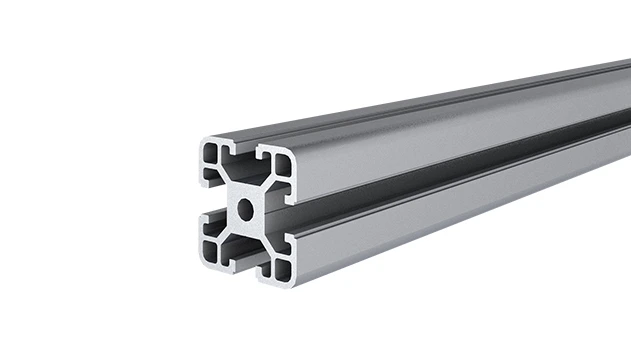
If you've ever walked through a factory, assembled a workbench, or even admired a sleek retail display, chances are you've encountered an aluminum extrusion profile. Among the most versatile and widely used is the 4040C EU standard aluminum profile—a workhorse in the world of industrial and commercial design. But what makes this profile so popular? It's not just its structural strength or compatibility with aluminum profile accessories like 4040 aluminum profile end caps or aluminum profile rubber strips. A big part of its appeal lies in the surface finish options that transform it from a raw metal extrusion into a functional, durable, and even aesthetically pleasing component. In this guide, we'll break down the most common surface finishes for 4040C profiles, helping you choose the one that aligns with your project's needs—whether you're building an aluminum workbench A for a workshop, a material rack B for storage, or a custom lean system for production lines.
What is the 4040C EU Standard Aluminum Profile, Anyway?
Before diving into finishes, let's quickly demystify the star of the show: the 4040C EU standard aluminum extrusion profile. "4040" refers to its cross-sectional dimensions—approximately 40mm by 40mm—making it a medium-sized profile that strikes a balance between strength and flexibility. The "C" denotes a specific groove design (part of EU standards) that allows for easy integration with T-slot accessories, from brackets to panels. This design is why you'll find it in everything from lightweight shelving to heavy-duty workbenches; it's like the "Swiss Army knife" of aluminum profiles.
But here's the thing: raw aluminum, while strong, is prone to scratches, corrosion, and dulling over time. That's where surface finishes come in. They're not just about making the profile look good (though that's a bonus); they're about protecting it, enhancing its functionality, and ensuring it fits seamlessly into its intended environment. Let's explore why the finish matters more than you might think.
Why Surface Finish Matters: It's Not Just About Looks
Imagine investing in a set of 4040C profiles to build a material rack B (that 3-row, 3-floor storage solution we mentioned earlier). You assemble it, load it with parts, and within months, the metal starts to rust, the surface scratches easily, and it looks worn-out. That's a problem—not just for aesthetics, but for durability and safety. A good surface finish acts like a shield, a cosmetic upgrade, and a functional tool, all in one. Here's why it's non-negotiable:
- Protection First: Aluminum naturally forms a thin oxide layer that resists corrosion, but it's fragile. A surface finish strengthens this barrier, guarding against scratches, moisture, chemicals, and UV rays. For outdoor use or humid environments (like a factory near the coast), this protection is critical.
- Aesthetics That Matter: Whether your project is a retail display or an office workbench, appearance counts. A sleek brushed finish might convey professionalism, while a bold powder-coated color could align with brand identity. Finishes let you tailor the profile's look to its setting.
- Functional Boosts: Some finishes add extra perks. A matte anodized finish might reduce glare in a workshop, while a smooth powder coating could make cleaning easier in a food-processing facility. Even texture—like a sandblasted finish—can improve grip for handles or rails.
Pro Tip: Don't overlook how finishes interact with aluminum profile accessories. For example, 4040 aluminum profile end caps with a matching finish will create a cohesive look, while aluminum profile rubber strips in a contrasting color can add both functionality (sealing gaps) and visual interest.

Common Surface Finish Options for 4040C Profiles
Now, let's get into the nitty-gritty: the finishes themselves. Each option has its own process, perks, and ideal use cases. We'll break them down one by one, so you can see which fits your project like a glove.
1. Anodizing: The Industrial Workhorse
Anodizing is like giving your aluminum profile a superpowered armor layer. It's an electrolytic process that grows a thick, durable oxide layer on the metal's surface—think of it as "hardening" the aluminum from the outside in. The result? A finish that's scratch-resistant, corrosion-resistant, and built to last. Let's dig into the two main types:
Natural Anodizing
Natural anodizing (also called "clear anodizing") is the most common form. It leaves the profile with a silver, matte, or slightly glossy finish that highlights aluminum's natural metallic look. The oxide layer here is typically 5-20 microns thick (for reference, a human hair is about 50-100 microns), which might not sound like much, but it's enough to withstand daily wear and tear in industrial settings.
Why choose it? If you need a finish that's low-maintenance and tough, natural anodizing is a no-brainer. It's resistant to saltwater, oils, and most chemicals, making it perfect for outdoor racks, factory workbenches (hello, aluminum workbench A!), or marine environments. Plus, it doesn't chip or peel—unlike paint—so it keeps its looks even with heavy use.
Color Anodizing
Want to add a pop of color without sacrificing durability? Color anodizing is the way to go. The process is similar to natural anodizing, but after the oxide layer is formed, the profile is dipped into a dye bath. The porous oxide layer absorbs the dye, locking in color that won't fade easily (though direct sunlight over time can lighten some shades). Common colors include blacks, blues, reds, and golds—though the palette is more limited than powder coating.
Why choose it? Color anodizing is ideal for projects where aesthetics matter as much as function. Think architectural trim, decorative panels, or branded industrial equipment. For example, a lean system in a tech company might use blue-anodized 4040C profiles to match the company logo, adding a professional touch without compromising on durability.
2. Powder Coating: The Chameleon of Finishes
If color variety is your top priority, powder coating is your new best friend. Unlike liquid paint, powder coating involves applying a dry powder (made of resin and pigment) to the aluminum surface using an electrostatic gun. The profile is then baked in an oven, melting the powder into a smooth, even coating that bonds tightly to the metal. The result? A finish that's vibrant, durable, and available in any color you can imagine —from neon pink to forest green to metallic silver.
Why choose it? Powder coating excels in projects where appearance and impact resistance are key. It's thicker than anodizing (typically 50-150 microns), making it great for hiding minor surface imperfections in the raw profile. You'll often see it on consumer products, retail displays, or indoor furniture where scratches from daily use are a concern. For example, a material rack B in a trendy café might use powder-coated 4040C profiles in a warm wood tone to match the decor—who says industrial can't be stylish?
One thing to note: while powder coating is durable, it's not as corrosion-resistant as anodizing in extreme environments (like saltwater). It also chips if hit with heavy force, though touch-up kits are available to fix small nicks.
3. Electrophoresis Coating: The Smooth Operator
Electrophoresis coating (or "e-coating") is like the sophisticated cousin of powder coating. It uses an electric current to deposit paint particles onto the aluminum surface, creating a thin, uniform layer that's incredibly smooth—think "mirror-like gloss" or "silky satin." The process is highly controlled, so it's great for complex shapes or profiles with tight corners, ensuring every nook and cranny gets coverage.
Why choose it? E-coating shines in applications where a flawless, high-end finish is non-negotiable. Automotive parts, high-end furniture, and medical equipment often use this finish because it's resistant to chemicals and provides excellent corrosion protection (thanks to its ability to seal the metal completely). It's also more environmentally friendly than traditional paint, as it produces less waste.
The downside? Color options are more limited than powder coating (mostly solids and neutrals), and it's pricier than anodizing. But if you need that "luxury" look, it's worth the investment.
4. Mechanical Finishes: Texture and Tactile Appeal
Not all finishes involve chemicals or electricity. Mechanical finishes use physical processes to alter the aluminum's surface, creating textures that are both functional and visually interesting. Let's explore the most common ones:
Brushing
Brushing (or "satin finishing") uses abrasive belts or pads to create fine, parallel lines on the aluminum surface. The result is a soft, matte texture with a subtle metallic sheen—think of the finish on a high-end laptop or a modern office desk. It hides fingerprints and minor scratches well, making it a popular choice for indoor applications.
Why choose it? Brushed finishes add a touch of elegance without being too flashy. They're perfect for aluminum workbench A in a design studio, where aesthetics matter but the surface still needs to be functional. Just note that brushing alone doesn't provide corrosion resistance—most brushed profiles are sealed with a clear coat or wax to protect against moisture.
Polishing
Polishing takes aluminum to a mirror-like shine by buffing the surface with progressively finer abrasives. It's labor-intensive but creates a finish that's impossible to ignore—think of a decorative railing or a trophy base. However, polished aluminum is high-maintenance; it shows fingerprints, smudges, and scratches easily, so it's best for low-traffic, decorative applications.
Sandblasting
Sandblasting uses high-pressure air to blast the surface with abrasive particles (like sand or glass beads), creating a uniform, matte texture. It's often used as a pre-treatment for other finishes (like powder coating) to improve adhesion, but it can also be left as-is for a rugged, industrial look. Sandblasted profiles are non-slip and hide scratches well, making them ideal for flooring or tool handles.
Comparison Table: Which Finish Checks All Your Boxes?
| Finish Type | Durability | Corrosion Resistance | Color Options | Cost Range* | Best For |
|---|---|---|---|---|---|
| Natural Anodizing | High (scratch-resistant, no chipping) | Excellent (resists saltwater, chemicals) | Silver, matte, or light bronze | Medium ($$) | Industrial workbenches, outdoor racks, marine environments |
| Color Anodizing | High (same as natural, color won't peel) | Excellent | Limited (blacks, blues, reds, golds) | Medium-High ($$–$$$) | Branded equipment, architectural trim, decorative parts |
| Powder Coating | Very High (thick, impact-resistant) | Good (indoor/outdoor, but not extreme corrosion) | Unlimited (solids, metallics, textures) | Medium ($$) | Retail displays, consumer products, indoor furniture |
| Electrophoresis Coating | High (smooth, chip-resistant) | Very Good (seals metal completely) | Solids, neutrals (glossy or satin) | High ($$$) | Automotive parts, high-end furniture, medical equipment |
| Brushed (with sealant) | Moderate (scratch-resistant, but sealant can wear) | Good (depends on sealant quality) | Metallic, matte with linear texture | Low-Medium ($–$$) | Office furniture, electronics, low-traffic decor |
*Cost range is relative: $ = Low, $$ = Medium, $$$ = High. Prices vary by supplier and order size.
How to Choose: Let Your Project Guide You
With so many options, how do you narrow it down? Start by asking yourself these questions:
1. Where Will the Profile Be Used? Indoor vs. Outdoor
Outdoor projects (like garden racks or exterior signage) need maximum corrosion resistance. Natural anodizing is your best bet here—it laughs at rain, snow, and salt spray. Indoor projects have more flexibility: powder coating for color, electrophoresis for a sleek look, or brushing for a modern vibe. For example, a material rack B in a dry warehouse could use powder coating for a pop of color, while the same rack outdoors would benefit from anodizing.
2. How Much Wear and Tear Will It Face?
If your profile will be bumped, scraped, or loaded with heavy items (like an aluminum workbench A in a busy workshop), prioritize durability. Natural anodizing or powder coating are tough enough to handle daily abuse. For low-traffic areas (like a decorative shelf), polished or color anodized finishes might be worth the extra maintenance.
3. What's Your Budget?
Natural anodizing and brushing are mid-range in cost, making them great for large projects. Color anodizing and electrophoresis are pricier but worth it for specialized needs. Powder coating offers a good balance of cost and color variety—perfect if you want to stand out without breaking the bank.
4. What Aesthetic Are You Going For?
Industrial and utilitarian? Stick with natural anodizing or sandblasting. Modern and sleek? Brushed or electrophoresis. Bold and branded? Powder coating or color anodizing. Remember, the finish should complement the project's purpose—you wouldn't use a polished finish on a factory workbench, just as you wouldn't use natural anodizing for a high-end retail display (unless "raw industrial" is the vibe you're going for).
Maintenance Tips: Keep Your Finish Looking Fresh
Even the toughest finish needs a little TLC to stay in top shape. Here's how to care for each type:
- Anodizing (Natural/Color): Wipe with a soft cloth and mild soap (avoid bleach or abrasive cleaners). For stubborn grime, use a non-scratch sponge. Color anodizing may fade slightly in direct sunlight, so consider UV-protective wax for outdoor use.
- Powder Coating: Clean with a damp cloth and mild detergent. If scratched, use a touch-up pen in the matching color to prevent rust. Avoid high-pressure washers, which can chip the finish.
- Electrophoresis: Gentle cleaning with soap and water is best. Avoid harsh chemicals, as they can dull the glossy finish over time.
- Mechanical Finishes (Brushed/Polished): Brushed finishes need occasional re-sealing with wax to maintain corrosion resistance. Polished finishes require frequent dusting and fingerprint removal (use a microfiber cloth). Sandblasted finishes are low-maintenance—just wipe away dust with a dry cloth.
Final Thoughts: Your Profile, Your Finish, Your Project
The 4040C EU standard aluminum profile is a blank canvas, and the surface finish is the paint that brings it to life. Whether you're building an aluminum workbench A, a material rack B, or a custom structure, the right finish will protect your investment, enhance functionality, and make your project stand out. Remember to consider environment, durability, budget, and aesthetics—and don't forget to pair your finish with the right aluminum profile accessories (hello, 4040 aluminum profile end caps and rubber strips!) to complete the look.
At the end of the day, there's no "one-size-fits-all" finish—but by understanding your options, you'll be able to choose the one that turns your 4040C profile from a simple extrusion into a solution that works for you . So go ahead—pick your finish, and start building something great.