- Company Articles
- Products and Technology
- Product knowledge
- 4040C EU Standard Aluminum Profile vs. Steel: Weight, Strength & Cost Comparison

4040C EU Standard Aluminum Profile vs. Steel: Weight, Strength & Cost Comparison
Related Product
4040C EU Standard Aluminum Profile
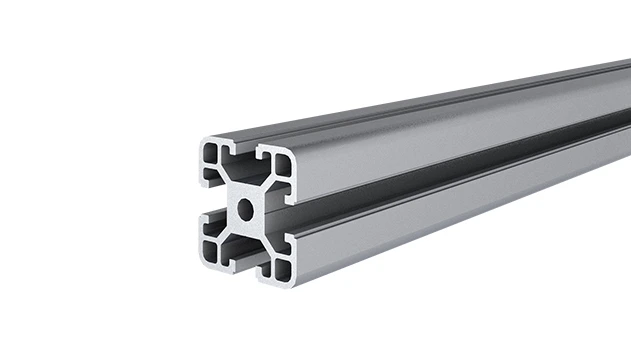
4040C is a 4.00x4.00 CM fractional 40 series square extrusion T-slot profile with four open T-slots, each side with 4.00cm face. The profile has align-a-grooves to assist in aligning connecting profiles.
Introduction: The Backbone of Industrial Efficiency
In the bustling world of manufacturing, warehousing, and assembly lines, every component plays a silent yet critical role in keeping operations running smoothly. From the workbench where an engineer assembles intricate parts to the material rack that holds raw materials ready for production, the choice of material can make or break efficiency, safety, and long-term cost-effectiveness. Two materials stand out as workhorses in this space: the 4040C EU Standard Aluminum Profile and traditional steel. Both have earned their reputations, but understanding their differences in weight, strength, and cost is key to making informed decisions that align with your operational goals.
Imagine walking into a modern factory: you'll likely see sleek, modular structures—workbenches with clean lines, material racks stacked with precision, and conveyor systems gliding seamlessly. Chances are, many of these structures are built with aluminum profiles or steel. But why does this choice matter? For a lean system supplier, it's about balancing durability with flexibility; for a small workshop owner, it might be about upfront costs and ease of installation; for a large-scale manufacturer, it could boil down to long-term maintenance and transportation expenses. In this article, we'll dive deep into how 4040C aluminum profile and steel stack up in three critical areas: weight, strength, and cost. By the end, you'll have a clearer picture of which material deserves a spot in your next project.
Imagine walking into a modern factory: you'll likely see sleek, modular structures—workbenches with clean lines, material racks stacked with precision, and conveyor systems gliding seamlessly. Chances are, many of these structures are built with aluminum profiles or steel. But why does this choice matter? For a lean system supplier, it's about balancing durability with flexibility; for a small workshop owner, it might be about upfront costs and ease of installation; for a large-scale manufacturer, it could boil down to long-term maintenance and transportation expenses. In this article, we'll dive deep into how 4040C aluminum profile and steel stack up in three critical areas: weight, strength, and cost. By the end, you'll have a clearer picture of which material deserves a spot in your next project.
Weight: The Hidden Cost of Heaviness
Let's start with weight—a factor that impacts everything from installation day to daily operations. Aluminum and steel differ dramatically here, and the numbers tell a clear story. Aluminum has a density of about 2.7 g/cm³, while steel clocks in at a much heftier 7.85 g/cm³. That means, for the same volume, steel is nearly three times heavier than aluminum. At first glance, this might seem like a trivial detail, but in the industrial world, every kilogram adds up.
Take the humble workbench, for example. A standard workbench (single deck, without casters) built with 4040C aluminum profiles might weigh around 35-45 kg, depending on its size and accessories. Swap out the aluminum for steel, and that weight could jump to 100-120 kg. What does this mean for your team? Installing a steel workbench would require more people—maybe two or three workers instead of one—to lift and position it. If you ever need to reconfigure your workshop layout (a common task in lean manufacturing), moving a steel workbench becomes a logistical challenge, potentially disrupting production. Aluminum, on the other hand, is light enough for a single person to adjust, keeping downtime to a minimum.
Now, consider a larger structure: material rack B (3 row and 3 floor), a staple in warehouses for organizing tools, components, and finished goods. A steel version of this rack might weigh 200-250 kg when empty. Filled with materials, that weight could easily exceed 500 kg, putting stress on warehouse floors and requiring reinforced foundations. An aluminum version, by contrast, might weigh 70-90 kg empty, reducing floor load and making it feasible to install in areas with weight restrictions. Even better, if you need to relocate the rack to a different part of the warehouse, a team of two can handle it without heavy machinery.
Transportation is another area where weight matters. Shipping a pallet of steel profiles across the country costs significantly more than shipping aluminum profiles of the same length and quantity. For a lean system supplier, this translates to lower quotes for aluminum-based solutions, as they can pass on transportation savings to clients. Over time, these savings add up, especially for businesses that frequently expand or reconfigure their facilities.
Take the humble workbench, for example. A standard workbench (single deck, without casters) built with 4040C aluminum profiles might weigh around 35-45 kg, depending on its size and accessories. Swap out the aluminum for steel, and that weight could jump to 100-120 kg. What does this mean for your team? Installing a steel workbench would require more people—maybe two or three workers instead of one—to lift and position it. If you ever need to reconfigure your workshop layout (a common task in lean manufacturing), moving a steel workbench becomes a logistical challenge, potentially disrupting production. Aluminum, on the other hand, is light enough for a single person to adjust, keeping downtime to a minimum.
Now, consider a larger structure: material rack B (3 row and 3 floor), a staple in warehouses for organizing tools, components, and finished goods. A steel version of this rack might weigh 200-250 kg when empty. Filled with materials, that weight could easily exceed 500 kg, putting stress on warehouse floors and requiring reinforced foundations. An aluminum version, by contrast, might weigh 70-90 kg empty, reducing floor load and making it feasible to install in areas with weight restrictions. Even better, if you need to relocate the rack to a different part of the warehouse, a team of two can handle it without heavy machinery.
Transportation is another area where weight matters. Shipping a pallet of steel profiles across the country costs significantly more than shipping aluminum profiles of the same length and quantity. For a lean system supplier, this translates to lower quotes for aluminum-based solutions, as they can pass on transportation savings to clients. Over time, these savings add up, especially for businesses that frequently expand or reconfigure their facilities.

Strength: When "Tough Enough" Isn't Enough
Weight is important, but no one wants a lightweight structure that bends or breaks under pressure. This is where strength comes into play. At first glance, steel seems like the obvious winner—after all, it's the material of choice for skyscrapers and bridges. But aluminum, particularly alloys like the 4040C EU Standard Aluminum Profile, has a few tricks up its sleeve.
Let's talk numbers. Mild steel typically has a tensile strength of 370-460 MPa (megapascals) and a yield strength of 250-300 MPa. The 4040C aluminum profile, made from an aluminum-magnesium-silicon alloy, boasts a tensile strength of around 200-230 MPa and a yield strength of 160-180 MPa. On paper, steel is stronger—but here's the catch: strength isn't just about raw numbers; it's about strength-to-weight ratio. Aluminum's lower density means that pound for pound, it's actually stronger than steel. For example, a 4040C aluminum profile beam can support nearly the same load as a steel beam but at half the weight. This makes aluminum ideal for applications where you need strength without the bulk.
How does this play out in real life? Let's say you need a material rack to hold heavy automotive parts, each weighing 20 kg. A steel rack might handle 50 parts per shelf, but it would be so heavy that installing it requires a forklift. An aluminum rack with the same load capacity would weigh half as much, allowing for manual installation and easier repositioning. Plus, aluminum profiles can be reinforced with aluminum profile accessories—like gussets, corner brackets, and cross-braces—to boost their load-bearing capacity. For instance, adding a 45° reinforce aluminum pipe joint to a 4040C frame can increase its rigidity by up to 30%, making it suitable for medium-heavy loads.
Steel still reigns supreme in extreme conditions. If you're building a structure to support industrial machinery weighing several tons, steel is the safer bet. But for most day-to-day applications—workbenches, light-to-medium material racks, assembly line stations—4040C aluminum profile offers more than enough strength, with the added bonus of flexibility. A lean system supplier will often recommend aluminum for these scenarios, as it allows for modular designs that can be easily modified as production needs change.
Let's talk numbers. Mild steel typically has a tensile strength of 370-460 MPa (megapascals) and a yield strength of 250-300 MPa. The 4040C aluminum profile, made from an aluminum-magnesium-silicon alloy, boasts a tensile strength of around 200-230 MPa and a yield strength of 160-180 MPa. On paper, steel is stronger—but here's the catch: strength isn't just about raw numbers; it's about strength-to-weight ratio. Aluminum's lower density means that pound for pound, it's actually stronger than steel. For example, a 4040C aluminum profile beam can support nearly the same load as a steel beam but at half the weight. This makes aluminum ideal for applications where you need strength without the bulk.
How does this play out in real life? Let's say you need a material rack to hold heavy automotive parts, each weighing 20 kg. A steel rack might handle 50 parts per shelf, but it would be so heavy that installing it requires a forklift. An aluminum rack with the same load capacity would weigh half as much, allowing for manual installation and easier repositioning. Plus, aluminum profiles can be reinforced with aluminum profile accessories—like gussets, corner brackets, and cross-braces—to boost their load-bearing capacity. For instance, adding a 45° reinforce aluminum pipe joint to a 4040C frame can increase its rigidity by up to 30%, making it suitable for medium-heavy loads.
Steel still reigns supreme in extreme conditions. If you're building a structure to support industrial machinery weighing several tons, steel is the safer bet. But for most day-to-day applications—workbenches, light-to-medium material racks, assembly line stations—4040C aluminum profile offers more than enough strength, with the added bonus of flexibility. A lean system supplier will often recommend aluminum for these scenarios, as it allows for modular designs that can be easily modified as production needs change.
Cost: The Price Tag vs. the Big Picture
Let's get down to brass tacks: cost. At first glance, steel seems cheaper. A meter of 40x40mm steel square tubing might cost $10-$15, while the same size 4040C aluminum profile could run $20-$25. But this upfront price difference is just the tip of the iceberg. To truly compare costs, we need to look at the total lifecycle: initial purchase, transportation, installation, maintenance, and even disposal.
Initial Cost: Steel wins here. If you're on a tight budget and need a quick, temporary structure, steel might seem appealing. But remember: you get what you pay for. Steel's lower upfront cost often comes with hidden expenses down the line.
Transportation: As we discussed earlier, aluminum's lighter weight slashes shipping costs. A truckload of steel profiles might cost $1,000 to ship, while the same number of aluminum profiles could cost $400-$500. For a large project, this difference can add up to thousands of dollars.
Installation: Steel structures require more labor to install. A team of four might take a full day to assemble a steel workbench and material rack, while the same team could put together an aluminum setup in half the time. Labor costs add up, and time saved is money earned—especially in industries where downtime equals lost revenue.
Maintenance: Steel is prone to rust and corrosion, especially in humid or industrial environments. To protect it, you'll need to paint it, galvanize it, or apply anti-corrosion coatings—costs that recur every 2-3 years. Aluminum, on the other hand, forms a natural oxide layer when exposed to air, which acts as a built-in corrosion barrier. It never needs painting or coating, saving you maintenance time and money. For example, a steel material rack in a coastal factory might start rusting within a year, requiring a $500 repaint; an aluminum rack would stay rust-free for decades.
Total Lifecycle Cost: When you add it all up, aluminum often comes out ahead. A lean system supplier will confirm this: while their aluminum solutions might have a higher upfront cost, the long-term savings in transportation, labor, and maintenance make them more cost-effective for most businesses. It's why so many lean manufacturing systems—focused on minimizing waste and maximizing efficiency—rely on aluminum profiles.
Initial Cost: Steel wins here. If you're on a tight budget and need a quick, temporary structure, steel might seem appealing. But remember: you get what you pay for. Steel's lower upfront cost often comes with hidden expenses down the line.
Transportation: As we discussed earlier, aluminum's lighter weight slashes shipping costs. A truckload of steel profiles might cost $1,000 to ship, while the same number of aluminum profiles could cost $400-$500. For a large project, this difference can add up to thousands of dollars.
Installation: Steel structures require more labor to install. A team of four might take a full day to assemble a steel workbench and material rack, while the same team could put together an aluminum setup in half the time. Labor costs add up, and time saved is money earned—especially in industries where downtime equals lost revenue.
Maintenance: Steel is prone to rust and corrosion, especially in humid or industrial environments. To protect it, you'll need to paint it, galvanize it, or apply anti-corrosion coatings—costs that recur every 2-3 years. Aluminum, on the other hand, forms a natural oxide layer when exposed to air, which acts as a built-in corrosion barrier. It never needs painting or coating, saving you maintenance time and money. For example, a steel material rack in a coastal factory might start rusting within a year, requiring a $500 repaint; an aluminum rack would stay rust-free for decades.
Total Lifecycle Cost: When you add it all up, aluminum often comes out ahead. A lean system supplier will confirm this: while their aluminum solutions might have a higher upfront cost, the long-term savings in transportation, labor, and maintenance make them more cost-effective for most businesses. It's why so many lean manufacturing systems—focused on minimizing waste and maximizing efficiency—rely on aluminum profiles.
Side-by-Side Comparison: The Numbers That Matter
To make it easier to compare, here's a breakdown of how 4040C aluminum profile and steel stack up in key categories:
| Category | 4040C EU Standard Aluminum Profile | Traditional Steel |
|---|---|---|
| Weight |
Density: 2.7 g/cm³
Example: 3-row material rack (empty): ~80 kg |
Density: 7.85 g/cm³
Example: 3-row material rack (empty): ~200 kg |
| Strength |
Tensile Strength: 200-230 MPa
Yield Strength: 160-180 MPa Strength-to-Weight Ratio: High (superior to steel) |
Tensile Strength: 370-460 MPa
Yield Strength: 250-300 MPa Strength-to-Weight Ratio: Lower than aluminum |
| Cost |
Initial: Higher ($20-$25/m)
Transportation: Lower (50% less than steel) Maintenance: Minimal (no painting/coating) Total Lifecycle: Lower over 5+ years |
Initial: Lower ($10-$15/m)
Transportation: Higher (heavier load) Maintenance: High (painting/galvanizing every 2-3 years) Total Lifecycle: Higher over 5+ years |
| Best For | Workbenches, material racks, assembly lines, cleanrooms, mobile structures | Heavy machinery bases, high-load storage racks, outdoor structures (with coating) |
Practical Applications: When to Choose Aluminum or Steel
Now that we've compared the specs, let's talk about real-world applications. The 4040C aluminum profile shines in scenarios where flexibility, weight, and low maintenance are priorities. For example:
Assembly Lines: Modern assembly lines require modular, reconfigurable workstations. Aluminum profiles allow workers to adjust the height of workbenches, add or remove shelves, and relocate stations with minimal effort. Steel workstations, while durable, are too heavy to reconfigure without heavy equipment.
Cleanrooms & Food Processing: Aluminum's corrosion resistance makes it ideal for environments where hygiene is critical. Unlike steel, it won't rust when exposed to water or cleaning chemicals, reducing the risk of contamination.
Mobile Structures: Turnover trolleys, tool carts, and portable material racks benefit from aluminum's light weight. A steel trolley might require two people to push, while an aluminum one can be maneuvered by a single worker, boosting productivity.
Steel, on the other hand, is better suited for:
Heavy-Duty Storage: If you need to store 1-ton pallets or industrial machinery, steel's raw strength is irreplaceable. A steel rack can handle these loads without bending, ensuring safety.
Outdoor Use (With Coating): While aluminum is naturally corrosion-resistant, steel can work outdoors if galvanized or powder-coated. It's a common choice for outdoor storage yards or construction sites where extreme durability is needed.
For many businesses, the sweet spot is a hybrid approach: using aluminum for most structures and steel for specific heavy-duty components. A lean system supplier can help design such hybrid solutions, ensuring you get the best of both worlds.
Assembly Lines: Modern assembly lines require modular, reconfigurable workstations. Aluminum profiles allow workers to adjust the height of workbenches, add or remove shelves, and relocate stations with minimal effort. Steel workstations, while durable, are too heavy to reconfigure without heavy equipment.
Cleanrooms & Food Processing: Aluminum's corrosion resistance makes it ideal for environments where hygiene is critical. Unlike steel, it won't rust when exposed to water or cleaning chemicals, reducing the risk of contamination.
Mobile Structures: Turnover trolleys, tool carts, and portable material racks benefit from aluminum's light weight. A steel trolley might require two people to push, while an aluminum one can be maneuvered by a single worker, boosting productivity.
Steel, on the other hand, is better suited for:
Heavy-Duty Storage: If you need to store 1-ton pallets or industrial machinery, steel's raw strength is irreplaceable. A steel rack can handle these loads without bending, ensuring safety.
Outdoor Use (With Coating): While aluminum is naturally corrosion-resistant, steel can work outdoors if galvanized or powder-coated. It's a common choice for outdoor storage yards or construction sites where extreme durability is needed.
For many businesses, the sweet spot is a hybrid approach: using aluminum for most structures and steel for specific heavy-duty components. A lean system supplier can help design such hybrid solutions, ensuring you get the best of both worlds.
Conclusion: The Right Material for Your Goals
Choosing between 4040C EU Standard Aluminum Profile and steel isn't about picking a "better" material—it's about picking the right material for your needs. If you prioritize weight savings, flexibility, and long-term cost-effectiveness, aluminum is the way to go. Its strength-to-weight ratio, corrosion resistance, and compatibility with aluminum profile accessories make it a favorite among lean system suppliers and forward-thinking manufacturers.
Steel, with its raw strength and lower upfront cost, still has a place in heavy-duty applications. But for most modern industrial setups—where efficiency, adaptability, and total lifecycle cost matter—4040C aluminum profile is the smarter choice. It's not just a material; it's an investment in smoother operations, lower maintenance headaches, and a more agile business.
So, the next time you're planning a new workbench, material rack, or assembly line, ask yourself: What matters more—saving a few dollars today, or saving time, labor, and resources for years to come? For most of us, the answer is clear.
Steel, with its raw strength and lower upfront cost, still has a place in heavy-duty applications. But for most modern industrial setups—where efficiency, adaptability, and total lifecycle cost matter—4040C aluminum profile is the smarter choice. It's not just a material; it's an investment in smoother operations, lower maintenance headaches, and a more agile business.
So, the next time you're planning a new workbench, material rack, or assembly line, ask yourself: What matters more—saving a few dollars today, or saving time, labor, and resources for years to come? For most of us, the answer is clear.