- Company Articles
- Products and Technology
- Procurement Guidelines
- 4040E EU Standard Aluminum Profile Cost Analysis: Long-Term Savings for Production Lines

4040E EU Standard Aluminum Profile Cost Analysis: Long-Term Savings for Production Lines
Related Product
4040E EU Standard Aluminum Profile
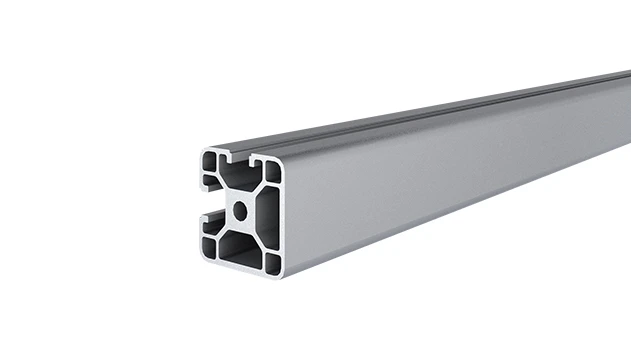
4040E is a 4.00x4.00 CM fractional 40 series square extrusion T-slot profile with two side open T-slots, two side with closed face, each side with 4.00cm face. The profile has align-a-grooves to assist in aligning connecting profiles.
Why investing in quality aluminum extrusion profiles today cuts costs tomorrow
The Hidden Cost of Cutting Corners in Production Line Materials
Walk into any manufacturing facility, and you'll quickly notice the backbone of its operations: the structures that hold tools, transport materials, and organize workflows. For decades, many factories defaulted to cheaper, heavier materials like steel or low-grade plastic, assuming they'd save money upfront. But ask any plant manager with years of experience, and they'll tell you the same story: those "budget-friendly" choices often turn into costly headaches down the line—rusted frames, frequent replacements, and production delays when reconfiguring for new products.
This is where the 4040E EU standard aluminum profile enters the conversation. It's not just another piece of metal; it's a strategic investment in long-term efficiency. In this analysis, we'll break down why this specific aluminum extrusion profile—with its precision engineering, modular design, and durability—delivers savings that go far beyond the initial price tag. Whether you're running a small workshop or a large-scale production line, understanding the true cost of your material choices can transform how you manage budgets, reduce waste, and stay competitive in fast-changing markets.
What Is 4040E EU Standard Aluminum Profile, Anyway?
Before diving into costs, let's get clear on what makes the 4040E profile stand out. At its core, it's a type of aluminum extrusion profile —meaning it's formed by pushing heated aluminum through a die to create a consistent, precision shape. The "4040" refers to its dimensions: 40mm by 40mm, a versatile size that balances strength and adaptability. The "E" denotes compliance with EU standards, which set strict benchmarks for material quality, load capacity, and dimensional accuracy.
What really sets it apart, though, is its T-slot design. Running along its length are grooves that allow for easy attachment of aluminum profile accessories —joints, brackets, casters, and panels—without welding or drilling. Imagine building with a sophisticated set of building blocks: you can assemble, disassemble, and reconfigure structures in hours instead of days. This modularity isn't just convenient; it's a game-changer for cost management.
But why aluminum? Unlike steel, aluminum resists corrosion, so it won't rust in humid or chemical-exposed environments. It's also lightweight—about a third the weight of steel—making installations and adjustments easier on your team. And because it's recyclable, there's even a potential return on investment when structures reach the end of their life cycle.

The Initial Investment: Why It Feels "Expensive" (and Why That's Misleading)
Let's address the elephant in the room: upfront, 4040E aluminum profiles cost more than, say, galvanized steel or generic plastic. A quick price check might show steel profiles costing 30-50% less per meter. At first glance, that's a hard number to ignore—especially when budgets are tight. But here's the problem: initial cost is just one piece of the puzzle. To truly understand value, we need to look at the total cost of ownership (TCO) over time.
Consider this scenario: A manufacturer buys steel profiles for a workbench. The upfront cost is low, but within a year, rust starts forming in the factory's humid conditions. They repaint it, costing labor and materials. Two years later, the welds weaken, and the bench sags under heavy tools. They either repair it (more labor) or replace it entirely. By year five, they've spent twice the initial cost on maintenance and replacements. Now compare that to a 4040E aluminum workbench: no rust, no repainting, and the T-slot system lets them replace a single bracket instead of the whole structure if needed. Suddenly, that "expensive" aluminum doesn't seem so pricey.
| Cost Factor | 4040E Aluminum Profile | Standard Steel Profile | Generic Plastic Profile |
|---|---|---|---|
| Initial Cost (per meter) | $25-$35 | $15-$20 | $10-$15 |
| Expected Lifespan | 10-15 years | 5-7 years (with maintenance) | 2-3 years (limited load capacity) |
| Annual Maintenance Cost | $5-$10 (cleaning, minor part replacement) | $50-$80 (painting, rust treatment, weld repairs) | $30-$50 (cracking, warping, replacement of weak points) |
| Reconfiguration Cost (per change) | $20-$50 (tools, labor for reassembly) | $200-$300 (welding, cutting, new parts) | $100-$150 (new parts, disposal of old plastic) |
| Total 5-Year Cost (Estimated) | $150-$200 | $350-$450 | $300-$400 |
The table above is simplified, but it illustrates a key point: over five years, the 4040E aluminum profile often costs less than half of steel or plastic alternatives when you factor in maintenance and reconfiguration. That's because aluminum's durability and modularity turn short-term expenses into long-term savings.
Durability: The "Set It and Forget It" Advantage
One of the biggest hidden costs in manufacturing is unplanned downtime. A rusted steel rack collapses, a plastic workbench warps under heat, and suddenly your production line grinds to a halt while you scramble to fix it. With 4040E aluminum, these scenarios become rare.
Aluminum's natural resistance to corrosion means it thrives in harsh environments—whether your factory deals with moisture, chemicals, or temperature fluctuations. Unlike steel, it doesn't require protective coatings or regular painting. A quick wipe with a damp cloth is usually all it takes to keep it clean. This isn't just about saving on maintenance supplies; it's about keeping your team focused on production, not repairs.
Load capacity is another area where the 4040E shines. EU standards ensure it can handle consistent loads of up to 500kg per meter (depending on configuration), making it suitable for heavy tools, machinery, and material storage. Steel might match that strength, but at the cost of added weight. Lighter aluminum structures are easier to move, reducing the risk of workplace injuries and the need for heavy lifting equipment.
Consider a material rack in a warehouse. A steel rack might start strong, but over time, bolts loosen, welds fatigue, and rust weakens its integrity. An aluminum rack with high-quality aluminum profile accessories —like reinforced joints and corrosion-resistant brackets—maintains its strength for decades. When was the last time you replaced a steel rack? Chances are, it was sooner than you'd like.
Flexibility: Adapting to Change Without Breaking the Bank
In today's manufacturing landscape, change is constant. New products, updated processes, and shifting demand mean production lines need to evolve quickly. Here's where the 4040E's modular design becomes a cost-saving superpower.
Let's say your company launches a new product line that requires a wider workbench. With a traditional steel workbench, you'd likely need to build a new one from scratch—welding, cutting, and disposing of the old structure. With a 4040E workbench, you simply loosen the T-slot bolts, add a few extra profile sections and accessories, and tighten everything back up. The whole process might take a morning instead of a week, and you can reuse the old parts elsewhere in the factory.
This flexibility directly reduces waste—both material and financial. Instead of buying new structures every time your needs change, you repurpose what you already have. It's a core principle of lean system thinking: eliminate waste by maximizing resource efficiency. And in lean manufacturing, waste equals cost. By design, the 4040E profile aligns with this philosophy, turning adaptability into savings.
Another example: seasonal demand spikes. A toy manufacturer might need extra assembly stations in Q4, then scale back in Q1. With aluminum profiles, they can quickly assemble temporary workbenches using stored accessories, then disassemble and store them when not needed. Steel or plastic structures would either take up valuable space year-round or require costly disposal and replacement.
Aluminum Profile Accessories: The Unsung Heroes of Cost Savings
A profile is only as good as the accessories that bring it to life. The 4040E's T-slot design works hand-in-hand with a wide range of aluminum profile accessories —joints, brackets, casters, panels, and more—that enhance its functionality while keeping costs low.
Take joints, for example. Instead of welding two steel profiles together (which requires skilled labor and permanent connections), you can use a simple T-slot joint to connect 4040E profiles in minutes. If you later need to change the angle or add a new section, just loosen the joint and adjust. No special tools, no wasted materials, no downtime.
Casters are another game-changer. Adding lockable casters to an aluminum workbench turns it into a mobile station, allowing workers to move tools exactly where they're needed. Steel workbenches can be fitted with casters too, but their weight makes them harder to maneuver, increasing the risk of damage to floors or the bench itself. Aluminum's lightweight nature solves this, making mobility a practical, cost-effective option.
Even small accessories add up. Cable management clips keep wires organized, reducing tripping hazards and the time spent untangling cords. Panel holders attach to the T-slots, turning a basic profile into a partition or tool board. These accessories are designed to be reusable, so when you reconfigure a structure, you can move the accessories with it. Over time, this reuse eliminates the need to buy new parts for every project.
Real-World Impact: How One Factory Cut Costs by 30% with 4040E
Numbers and theory are helpful, but let's look at a real example. A mid-sized electronics manufacturer in Germany was struggling with outdated steel workbenches and material racks. Their production line needed frequent reconfigurations to accommodate new phone models, and maintenance costs for rusted steel structures were eating into profits. After researching options, they switched to 4040E aluminum profiles for their workbenches, flow racks, and assembly stations.
The initial investment was higher—about 40% more than replacing the steel structures with new steel. But within two years, the savings became clear: maintenance costs dropped by 60% (no more painting or rust repairs), reconfiguration time decreased by 75% (from days to hours), and they avoided buying new racks three times because they could repurpose the aluminum ones. By year five, their total savings on maintenance, labor, and new equipment purchases exceeded the initial investment by 30%.
The plant manager noted another unexpected benefit: employee satisfaction. The lighter, more organized workstations reduced physical strain, and the clean, modern look of the aluminum structures boosted morale. Happier workers are more productive, and productivity, of course, translates to cost savings.
Why "Cheap" Alternatives End Up Costing More
It's easy to be tempted by budget aluminum profiles—those that skip EU standards or use lower-grade aluminum. But these often come with hidden costs: inconsistent dimensions that make assembly frustrating, weaker load capacities that limit their use, and poor-quality alloys that corrode faster. In the long run, you'll end up replacing them sooner, negating any upfront savings.
Plastic profiles are even riskier. While they're cheap and lightweight, they lack the strength for heavy-duty use. They warp in heat, crack under pressure, and degrade over time when exposed to UV light. A plastic workbench might cost a third of an aluminum one, but it'll need replacement in 2-3 years. The 4040E, by contrast, can last 15+ years with minimal upkeep.
Steel, as we've discussed, has its place, but its weight, maintenance needs, and lack of flexibility make it a poor long-term investment for dynamic production lines. Unless your facility has extremely high, static loads and no need for reconfiguration, steel often ends up costing more than aluminum over time.
Conclusion: Investing in 4040E Is Investing in Your Production Line's Future
At the end of the day, the 4040E EU standard aluminum profile isn't just a material choice—it's a strategic decision to prioritize long-term efficiency and cost savings. Yes, the upfront price tag is higher than some alternatives, but when you factor in durability, low maintenance, flexibility, and reusable accessories, it becomes clear that this aluminum extrusion profile pays for itself many times over.
Manufacturing is about more than making products; it's about making smart investments that keep your operations agile, your team productive, and your costs under control. The 4040E profile, paired with quality aluminum profile accessories, does exactly that. It's a foundation for growth—one that adapts to your needs, reduces waste, and stands the test of time.
So, the next time you're evaluating production line materials, ask yourself: Are you paying for short-term savings, or investing in long-term success? For most factories, the answer is clear. The 4040E EU standard aluminum profile isn't just a cost—it's a catalyst for a more efficient, more profitable future.