- Company Articles
- Products and Technology
- Product knowledge
- 4040E EU Standard Aluminum Profile Dimensions: A Comprehensive Technical Guide

4040E EU Standard Aluminum Profile Dimensions: A Comprehensive Technical Guide
Related Product
4040E EU Standard Aluminum Profile
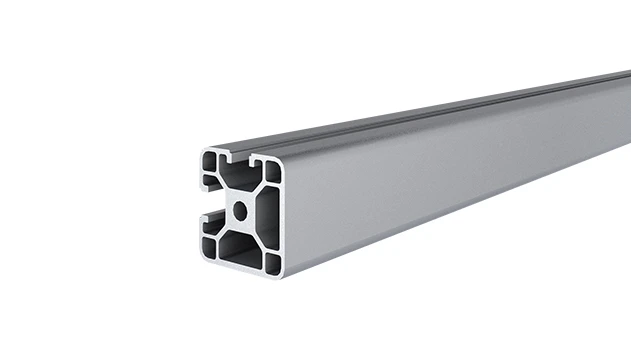
4040E is a 4.00x4.00 CM fractional 40 series square extrusion T-slot profile with two side open T-slots, two side with closed face, each side with 4.00cm face. The profile has align-a-grooves to assist in aligning connecting profiles.
Introduction: The Backbone of Modern Lean Systems
In the fast-paced world of manufacturing, warehousing, and industrial design, the search for flexibility, durability, and efficiency is never-ending. Enter the aluminum extrusion profile —a unsung hero that quietly shapes how we build workbenches, material racks, conveyors, and entire lean system setups. Among the myriad of profiles available, the 4040E EU Standard Aluminum Profile stands out as a versatile workhorse, trusted by engineers, facility managers, and DIY enthusiasts alike. But what makes it so special? Why do so many professionals reach for the 4040E when precision and reliability matter most?
This guide isn't just about numbers and measurements (though we'll dive deep into those). It's about understanding how a single profile can transform a chaotic production floor into a streamlined workspace, or turn a cluttered warehouse into an organized hub of efficiency. Whether you're designing a custom workbench for your lab, building a material rack for your factory, or overhauling your entire workflow with a lean system, the 4040E has likely crossed your radar. Let's unpack its dimensions, materials, applications, and everything in between—so you can make informed choices that align with your project's unique needs.
Understanding the Basics: What is the 4040E EU Standard Aluminum Profile?
First things first: Let's clarify what "4040E" actually means. The "4040" refers to the profile's cross-sectional dimensions—40mm in width and 40mm in height, making it a square profile. The "E" denotes its specific design within the EU standard series, which includes variations like 4040A, 4040B, and 4040C, each with slight differences in slot design, wall thickness, and weight. The 4040E, in particular, is celebrated for its balanced blend of strength, lightweight construction, and compatibility with a wide range of aluminum profile accessories , making it a go-to for both light and medium-duty applications.
Crafted from high-grade aluminum alloy (typically 6063-T5), the 4040E inherits the material's best traits: excellent corrosion resistance, impressive strength-to-weight ratio, and a smooth, anodized finish that resists scratches and wear. Unlike steel, it won't rust, and unlike plastic, it won't warp under heavy loads or extreme temperatures. This makes it ideal for indoor and outdoor use, from cleanroom environments to rugged factory floors.

Critical Dimensions: Breaking Down the 4040E's Anatomy
To truly leverage the 4040E, you need to know its dimensions inside out. These measurements dictate how it connects to accessories, how much weight it can support, and how it integrates into larger structures. Let's break down the key specifications:
Core Cross-Sectional Dimensions
| Dimension | Measurement (mm) | Tolerance | Significance |
|---|---|---|---|
| Width (W) | 40.0 | ±0.3 | Determines compatibility with width-specific accessories like brackets and end caps. |
| Height (H) | 40.0 | ±0.3 | Ensures vertical alignment with other 40mm profiles in multi-layer setups. |
| Wall Thickness (t) | 2.0 | ±0.2 | Balances weight and strength; 2.0mm is ideal for medium loads (up to 150kg/m). |
| Slot Width (s) | 8.0 | ±0.2 | Fits standard M8 bolts and T-nuts, the most common fasteners for aluminum profiles. |
| Slot Depth (d) | 10.0 | ±0.3 | Provides enough space for bolt heads and T-nuts to secure accessories firmly. |
| Corner Radius (r) | 1.5 | ±0.2 | Reduces sharp edges, enhancing safety and giving a clean, professional look. |
| Weight per Meter | 1.45 kg/m | ±0.05 | Light enough for easy handling, yet heavy enough to support substantial loads. |
These numbers might seem technical, but they're the foundation of the 4040E's versatility. For example, the 8mm slot width means you can use standard M8 T-nuts and bolts to attach everything from panels and shelves to hinges and casters—no need for custom hardware. The 2.0mm wall thickness strikes a perfect balance: it's thick enough to withstand the vibrations of a busy production line but thin enough to keep the profile lightweight, making installation a one-person job in many cases.
Length Options: From Standard to Custom
While the cross-sectional dimensions are fixed, the 4040E is available in standard lengths ranging from 1 meter to 6 meters, with 2m, 3m, and 4m being the most popular. Need something shorter? Most suppliers offer cutting services, allowing you to order profiles pre-cut to your exact specifications (e.g., 1200mm for a workbench frame or 800mm for a shelf). This not only saves time but also reduces waste—no more sawing through extra material in your workshop.
Material Matters: Why 6063-T5 Aluminum Alloy?
The 4040E's performance starts with its material: 6063-T5 aluminum alloy. Let's demystify what that means. The "6063" is an alloy designation, indicating a mix of aluminum, magnesium, and silicon—elements that give the metal excellent extrudability (critical for creating complex profiles) and good corrosion resistance. The "T5" refers to the tempering process: the profile is solution heat-treated, then artificially aged to enhance its strength without making it brittle.
The result? A profile that can handle bending forces, compressive loads, and even moderate impacts without deforming. In practical terms, this means a 4040E-based workbench can support heavy tools and equipment, while a material rack built with 4040E beams can hold boxes of parts without sagging over time. Compare this to cheaper plastic profiles, which might warp under heat, or steel, which adds unnecessary weight and requires painting to prevent rust—suddenly, the 4040E's price tag feels like a smart investment.
Applications: Where the 4040E Shines Brightest
The 4040E isn't a one-trick pony. Its versatility makes it suitable for a wide range of applications, from small-scale projects to large industrial setups. Here are some of the most common uses:
1. Workbenches: The Heart of Any Workshop
A sturdy, customizable workbench is the cornerstone of any productive workspace—and the 4040E excels here. By combining 4040E profiles with plywood, MDF, or aluminum honeycomb panels, you can build a workbench tailored to your needs: add a vice on one end, a shelf for tools below, and even a pegboard on the back using aluminum profile accessories like brackets and hinges. The 4040E's rigidity ensures the bench won't wobble, even when you're hammering, drilling, or assembling heavy components.
2. Lean Systems: Streamlining Production
In lean manufacturing, every second counts. The 4040E is a favorite for building lean system components like flow racks, kanban boards, and pick-to-light stations. Its modular design allows you to reconfigure these setups as your workflow changes—no need to start from scratch. For example, if your production line switches from assembling small electronics to larger appliances, you can adjust the height of your 4040E-based flow rack by simply loosening a few bolts and repositioning the beams.
3. Material Racks and Storage Solutions
Warehouses and stockrooms thrive on organization, and the 4040E delivers here, too. Build multi-tiered material racks to store boxes, bins, or tools—adjust the shelf heights to fit different-sized items, and add casters to make the rack mobile. The 4040E's load-bearing capacity (up to 150kg per linear meter when properly supported) means you can stack heavy items without worrying about collapse.
4. Conveyor Frames and Automation Setups
Conveyors are the arteries of many factories, and the 4040E provides a lightweight yet strong frame for belt, roller, or chain conveyors. Its compatibility with roller track connectors and brackets makes it easy to integrate with conveyor components, while its corrosion resistance ensures it holds up in dusty or humid environments.
Accessories: Making the 4040E Even More Versatile
A profile is only as good as the accessories that bring it to life. The 4040E works seamlessly with a wide range of aluminum profile accessories , turning a simple beam into a fully functional structure. Here are some must-know accessories:
Connectors: The Glue That Holds It All Together
Connectors are critical for joining 4040E profiles at different angles. Common types include:
- 90° Aluminum Profile Connectors: For joining profiles at right angles (e.g., workbench legs to the tabletop frame).
- 45° Aluminum Profile Connectors: Ideal for diagonal bracing or sloped structures like inclined conveyors.
- Three-Way Connectors: Let you connect three profiles at a single point, perfect for building cube-shaped frames.
End Caps and Covers: Finishing Touches
End caps (like the 4040 aluminum profile end cap) snap onto the ends of the 4040E, hiding sharp edges and preventing dust, debris, or small tools from falling into the profile's hollow center. They also give the structure a polished, professional look—important if your setup is visible to clients or visitors.
Brackets and Panels: Adding Functionality
Brackets allow you to attach shelves, panels, or other components to the 4040E. For example, a flat bracket can hold a plywood shelf, while an L-bracket can secure a monitor arm to a workbench. Aluminum honeycomb panels, when mounted to 4040E frames, create lightweight yet rigid surfaces for workbenches or machine guards.
4040E vs. Other EU Standard Profiles: What Sets It Apart?
If you've shopped for aluminum profiles before, you've probably seen other 4040 variants like the 4040A, 4040B, or 4040C. How does the 4040E stack up? Let's compare:
- 4040A: Thinner wall (1.5mm) and lighter weight (1.1kg/m), better for light-duty applications like display shelves. Not as strong as the 4040E for heavy loads.
- 4040B: Thicker wall (3.0mm) and heavier (1.8kg/m), designed for heavy-duty use. Overkill for most workbenches or small racks, and harder to handle due to weight.
- 4040E: The sweet spot—2.0mm wall, 1.45kg/m weight. Balances strength and weight, compatible with all standard accessories, and affordable. Perfect for medium-duty tasks, which make up 80% of industrial and workshop needs.
In short, the 4040E is the most versatile of the bunch, suitable for everything from DIY projects to professional industrial setups. Unless you're building something extremely light or extremely heavy, the 4040E is likely your best bet.
Installation Tips: Getting the Most Out of Your 4040E
Installing 4040E profiles is straightforward, but a few tips can save you time and frustration:
- Measure Twice, Cut Once: Even if you're ordering pre-cut profiles, double-check your measurements. A 10mm mistake can throw off your entire structure.
- Use the Right Tools: A hacksaw or miter saw with a metal-cutting blade works for cutting profiles. For drilling, use high-speed steel (HSS) bits designed for aluminum.
- Don't Over-Tighten Bolts: Aluminum is softer than steel—over-tightening can strip the threads or warp the profile. Snug the bolts until they're firm, then stop.
- Align Before Finalizing: Use a level to ensure your structure is straight and square before fully tightening all connectors. A wobbly frame is hard to fix later!
Maintenance: Keeping Your 4040E Profiles in Top Shape
One of the best things about aluminum profiles is how little maintenance they require. Here's how to keep your 4040E looking and performing like new:
- Clean Regularly: Wipe down profiles with a damp cloth to remove dust and grime. For stubborn stains, use a mild detergent—avoid abrasive cleaners that can scratch the anodized finish.
- Inspect Connections: Every few months, check that bolts and connectors are tight. Vibrations from machinery or daily use can loosen them over time.
- Protect from Impact: While aluminum is strong, heavy impacts can dent the profile. Use corner guards if the structure is in a high-traffic area.
Conclusion: Why the 4040E is a Must-Have for Your Next Project
At the end of the day, the 4040E EU Standard Aluminum Profile is more than just a piece of metal—it's a building block for innovation. Its precise dimensions, durable material, and compatibility with aluminum profile accessories make it the backbone of countless lean system setups, workbench designs, and storage solutions worldwide. Whether you're a seasoned engineer or a hobbyist tackling your first big project, the 4040E offers the flexibility to adapt, the strength to perform, and the reliability to last for years.
So, the next time you're planning a workspace upgrade, a production line overhaul, or a custom storage solution, remember: the 4040E isn't just a profile. It's a tool that empowers you to build smarter, work faster, and create spaces that grow with your needs. And in a world where efficiency is everything, that's a game-changer.