- Company Articles
- Products and Technology
- Installation And Maintenance
- 4040E EU Standard Aluminum Profile Maintenance: Extending Lifespan in Industrial Settings

4040E EU Standard Aluminum Profile Maintenance: Extending Lifespan in Industrial Settings
Related Product
4040E EU Standard Aluminum Profile
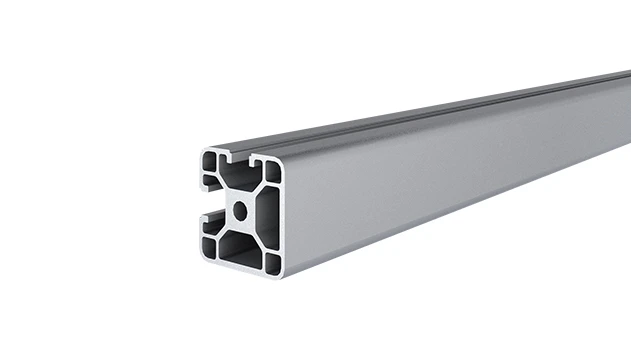
4040E is a 4.00x4.00 CM fractional 40 series square extrusion T-slot profile with two side open T-slots, two side with closed face, each side with 4.00cm face. The profile has align-a-grooves to assist in aligning connecting profiles.
Introduction: The Backbone of Your Production Floor
Walk through any modern manufacturing facility, and you'll likely spot it: the sleek, silver-gray framework holding up workbenches, supporting conveyor systems, or framing assembly stations. That's the 4040E EU Standard Aluminum Profile—a workhorse of industrial design. As an aluminum extrusion profile, it's engineered for strength, flexibility, and durability, making it a staple in factories, warehouses, and workshops worldwide. But like any hardworking tool, it doesn't stay in top shape on its own. Imagine your production line grinding to a halt because a loose joint in your aluminum profile framework caused a workbench to wobble, or corrosion eating away at a critical support beam. These aren't just minor inconveniences—they cost time, money, and even safety. That's why maintenance isn't just a "nice-to-have" here; it's the key to keeping your operations running smoothly, day in and day out.
In this guide, we're diving deep into how to care for your 4040E EU Standard Aluminum Profile. Whether you're a plant manager overseeing a bustling factory or a small business owner with a handful of workbenches, the tips here will help you extend the lifespan of your aluminum extrusion profile, reduce downtime, and get the most out of your investment. We'll cover everything from daily cleaning routines to long-term protection strategies, with a focus on practical, actionable steps you can start implementing today. And yes—we'll even talk about those small but crucial details, like checking aluminum profile accessories and using simple fixes like aluminum profile rubber strip to prevent wear and tear. Let's get started.
Why Maintenance Matters: Beyond "Looking Good"
You might be thinking, "Aluminum is tough—why bother with all this upkeep?" It's true that aluminum extrusion profiles like the 4040E are designed to withstand heavy use, but even the strongest materials have their limits. Let's break down why maintenance should be a priority:
- Safety First: A damaged or weakened aluminum profile isn't just inefficient—it's a hazard. Loose joints, bent rails, or corroded sections can lead to collapses, equipment damage, or even injuries to your team.
- Cost Savings: Replacing an entire aluminum framework or workbench is far pricier than fixing a loose bracket or cleaning off early signs of corrosion. Regular maintenance catches small issues before they become big, expensive problems.
- Consistent Performance: Your 4040E profiles are part of a system—whether they're holding up a workbench, guiding a conveyor, or supporting a material rack. When one part fails, it throws off the whole line. Well-maintained profiles keep workflows smooth and predictable.
- Longevity: A well-cared-for 4040E aluminum extrusion profile can last 10–15 years or more. Neglect it, and you might be replacing it in half that time. That's a huge difference in return on investment.
Think of it like maintaining a car: You wouldn't skip oil changes or tire rotations, right? The same logic applies here. Your 4040E profiles work hard for you—give them the care they deserve, and they'll return the favor.

Daily Care: Keeping It Clean and Functional
Maintenance starts with the little things—daily habits that prevent buildup and catch early warning signs. Let's walk through a typical day in the life of your 4040E profiles.
1. Wipe Down Surfaces
Dust, grease, and debris are the enemies of aluminum. Over time, they can trap moisture (leading to corrosion) or scratch the surface (weakening the profile's protective layer). Grab a soft, lint-free cloth—microfiber works best—and wipe down all exposed surfaces of your 4040E EU Standard Aluminum Profile. For greasy spots (common near machinery or workbenches), mix a mild detergent with warm water, dampen the cloth, and gently scrub. Avoid harsh chemicals like bleach or abrasive pads—they'll strip the anodized finish that protects the aluminum from corrosion.
2. Check for Loose Aluminum Profile Accessories
Your 4040E framework isn't just the extrusion itself—it's held together by aluminum profile accessories like brackets, connectors, and screws. Take a quick walk around your setup each day and give these a gentle tug. Are the corner brackets secure? Do the screws holding the workbench top to the profile feel tight? Loose accessories create stress points on the aluminum, which can lead to bending or cracking over time. If you find something loose, grab a screwdriver or Allen wrench and tighten it up—five minutes now saves hours of repair later.
3. Clear Obstructions
If your 4040E profiles are part of a conveyor system or material rack, check for debris caught in the rails or joints. A stray bolt, piece of packaging, or even a buildup of dust can jam moving parts, putting extra strain on the aluminum. For example, if you're using your profile to support a roller track, make sure the wheels spin freely and there's no gunk blocking their path. A quick sweep with a soft brush or air duster will keep things moving smoothly.
Weekly Deep Dive: Inspection and Prevention
Daily care handles the basics, but weekly inspections let you dig deeper. This is when you'll look for issues that take time to develop—like corrosion, dents, or wear on high-stress areas. Let's create a simple checklist to make this easy.
| Task | Tools Needed | What to Look For | Action If Found |
|---|---|---|---|
| Check for corrosion | Flashlight, magnifying glass | White, powdery spots (oxidation) or greenish discoloration on joints or edges | Clean with vinegar and water; apply anti-corrosion spray if severe |
| Inspect for dents/bends | Straightedge, level | Visible dents, especially on load-bearing sections; profiles that aren't straight when checked with a level | replace bent sections—dents weaken structural integrity |
| Examine Seals and Edges | Gloves | Cracked or missing aluminum profile rubber strip on edges; gaps in seals around workbench tops | replace rubber strips to prevent moisture/dust ingress |
| Test Mobility (if applicable) | Your hands! | Stiff or stuck moving parts (e.g., sliding shelves on a material rack) | Lubricate with a silicone-based spray (avoid oil, which attracts dust) |
A Note on Aluminum Profile Rubber Strip
You might have noticed we mentioned aluminum profile rubber strip in the table—and for good reason. This small accessory plays a big role in protection. Many 4040E setups use rubber strips along the edges of workbenches or between profiles to cushion impacts, seal out moisture, and reduce noise. Over time, these strips can crack, peel, or fall off, leaving the aluminum exposed. During your weekly inspection, check all rubber strips: Are they still intact? Do they fit snugly in the profile's T-slot? If not, replace them. They're cheap, easy to install, and save your aluminum from scratches and corrosion.
Monthly Maintenance: Long-Term Protection
Monthly tasks are about preventing long-term damage and ensuring your 4040E EU Standard Aluminum Profile stays strong for years. These are a bit more involved but well worth the effort.
1. Inspect Welds and Joints (For Custom Setups)
If your 4040E framework has welded joints (common in custom workbenches or heavy-duty racks), take a close look at the welds each month. Look for cracks, gaps, or discoloration—signs that the weld is weakening. Welds bear a lot of weight, so a failing one can lead to catastrophic failure. If you spot issues, call a professional welder to repair them immediately—don't try to fix it yourself unless you're trained.
2. Clean T-Slots and Channels
The T-slots on your 4040E profiles are where you attach accessories like shelves, tools, or lighting. Over time, these slots can get clogged with dirt, sawdust, or old adhesive from removed. A clogged T-slot makes it hard to add new accessories and can trap moisture. To clean them, use a small, soft-bristled brush (an old toothbrush works!) to scrub out debris, then vacuum up the loosened dirt. For stubborn gunk, dampen the brush with soapy water and gently scrub—just dry the slot thoroughly afterward to prevent rust.
3. Evaluate Load Distribution
Aluminum extrusion profiles are strong, but they're not indestructible. Overloading or unevenly distributing weight can bend or warp the 4040E over time. Once a month, check how you're using your framework: Is the workbench loaded with tools on one side and empty on the other? Are the shelves on your material rack stacked heavier on the top than the bottom? If so, rearrange the load to spread weight evenly. Your 4040E is designed to handle specific weight limits—check the manufacturer's specs if you're unsure—and staying within those limits prevents premature wear.
Seasonal Adjustments: Battling the Elements
Aluminum reacts to its environment—temperature, humidity, and even air quality can affect its lifespan. Adjust your maintenance routine with the seasons to keep your 4040E profiles protected.
Humid Seasons (Summer/Rainy Months)
Humidity is aluminum's worst enemy. Moisture in the air can seep into joints, under rubber strips, or into T-slots, leading to corrosion. During humid months, step up your cleaning: Wipe down profiles twice daily instead of once, and consider using a dehumidifier near critical setups like workbenches or electronic assembly stations. You can also apply a thin coat of wax (car wax works!) to exposed aluminum surfaces—this creates a barrier against moisture. Just make sure the surface is clean and dry before applying, and buff it to a shine with a soft cloth.
Dry/Cold Seasons (Winter)
Dry air can cause aluminum to become brittle, especially if there are already small cracks or scratches. Cold temperatures can also make like plastic brackets or rubber strips stiff and prone to breaking. In winter, focus on lubrication: Apply a silicone-based lubricant to moving parts (like hinges or conveyor wheels) to keep them from freezing up. Also, check aluminum profile rubber strips more frequently—cold weather can make them shrink or crack. If you're in an area with snow or ice, keep salt away from your aluminum profiles—salt accelerates corrosion faster than almost anything else.
Case Study: How One Factory Extended Their 4040E Lifespan by 5+ Years
The Problem: A mid-sized electronics manufacturer in Germany was struggling with frequent breakdowns in their assembly line workbenches, which were built with 4040E EU Standard Aluminum Profile. The profiles had visible corrosion, loose joints, and some sections were bent, leading to monthly downtime for repairs. Their maintenance team was spending hours fixing issues instead of focusing on other tasks.
The Solution: The factory implemented the maintenance routine we've outlined here: daily cleaning, weekly accessory checks, monthly T-slot cleaning, and seasonal humidity control. They also replaced all worn aluminum profile rubber strips and trained their floor staff to report loose immediately.
The Result: Within six months, breakdowns dropped by 75%. The team noticed the aluminum profiles looked brighter, the workbenches felt sturdier, and they stopped replacing bent sections. After three years, a professional inspection found the profiles were still in "excellent condition"—the manufacturer estimates they've extended the lifespan of their 4040E setup by at least five years, saving over €15,000 in replacement costs.
This case study shows that maintenance isn't just about "keeping things clean"—it's about protecting your investment and keeping your business running. The factory didn't buy new profiles; they just took better care of the ones they had. You can do the same.
Troubleshooting Common Issues
Even with great maintenance, problems can pop up. Here's how to handle the most common issues with 4040E EU Standard Aluminum Profile:
Issue: Minor Corrosion (White/Gray Spots)
Cause: Moisture trapped on the surface, often from condensation or spills.
Solution: Mix equal parts white vinegar and water, dip a cloth in the solution, and gently rub the corroded area. The vinegar's acidity will dissolve the oxidation. Wipe clean with a damp cloth, then dry thoroughly. Apply a thin coat of car wax to prevent future spots.
Issue: Bent Profile (Minor, Less Than 5 Degrees)
Cause: Overloading, impact, or uneven weight distribution.
Solution: If the bend is minor, you may be able to straighten it using a rubber mallet and a block of wood. Place the wood against the bent area to protect the aluminum, then gently tap with the mallet until it's straight. If the bend is more than 5 degrees or in a load-bearing section, replace the profile—bending weakens the aluminum, and it may fail under stress.
Issue: Sticky or Jammed Accessories
Cause: Dirt in T-slots or dried lubricant on moving parts.
Solution: Clean the T-slot thoroughly (as outlined in monthly maintenance), then apply a dry lubricant (like graphite powder) to the accessory's mounting bolts. For moving parts like sliding shelves, use a silicone spray to lubricate the rails—avoid oil-based lubricants, which attract dust.
Conclusion: Invest in Care, Reap the Rewards
Your 4040E EU Standard Aluminum Profile is more than just metal—it's the backbone of your production floor, the support for your team's work, and a key part of your business's success. By taking the time to clean, inspect, and protect it, you're not just extending its lifespan—you're ensuring smoother workflows, fewer headaches, and more money in your pocket. Remember: maintenance isn't a chore; it's an investment. A few minutes each day, an hour each week, and a little attention each month will keep your aluminum extrusion profile strong, reliable, and ready to work as hard as you do.
So grab that cloth, check those aluminum profile accessories, and give your 4040E the care it deserves. Your future self (and your bottom line) will thank you.