- Company Articles
- Products and Technology
- Product knowledge
- 4080 Aluminum Profile End Caps: Compatibility with Lean Management Accessories

4080 Aluminum Profile End Caps: Compatibility with Lean Management Accessories
Related Product
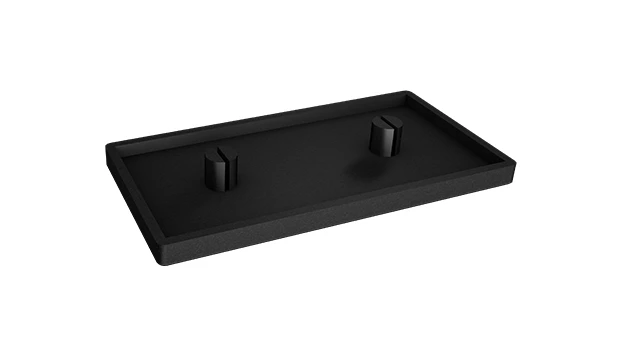
4080 Aluminum Profile End Cap
The aluminum profile end cap adds a finishing touch to your project and closes off profile ends to limit dust and debris buildup, also it can avaid some scratch for material and labor during the assemble work.
The Unsung Heroes of Lean Systems: Why Small Parts Matter
Walk into any thriving manufacturing plant or warehouse today, and you'll notice something different from facilities of the past: flexibility. Lines that can reconfigure in hours, workstations tailored to each team member's needs, and material flows that adapt as quickly as customer demands change. This isn't magic—it's the power of lean systems , built on modular tools that eliminate waste and keep operations agile. And at the heart of these systems? Aluminum profiles —the backbone of everything from workbenches to material racks. But here's the thing: even the sturdiest profile is only as good as the small parts that hold it together. Today, we're shining a light on one such part: the 4080 aluminum profile end cap. It might seem tiny, but this unassuming accessory plays a huge role in making lean systems safer, more durable, and ready to grow with your business.
Think about it: when you're building a workstation or a material rack, you focus on the big stuff—the profiles, the joints, the shelves. But what happens when those sharp, unfinished profile ends are left exposed? They scratch workers' arms, catch on gloves, or collect dust and debris that gums up the works. Over time, those small annoyances add up to big losses: downtime for repairs, slowed workflows, even safety incidents. That's where end caps come in. They're the finishing touch that turns a functional structure into a lean structure—one that's built to minimize waste, maximize efficiency, and stand the test of time.
Getting to Know 4080 Aluminum Profiles: The Workhorses of Modular Design
Before we dive into end caps, let's get familiar with the star of the show: the 4080 aluminum profile. If aluminum profiles were a toolbox, the 4080 would be the adjustable wrench—versatile, strong, and ready for almost any job. Its name gives away its dimensions: 40mm by 80mm, a rectangular cross-section that strikes the perfect balance between strength and flexibility. Unlike heavier steel profiles or flimsier plastic ones, aluminum 4080 profiles are lightweight enough to move (when needed) but tough enough to support heavy loads—think stacks of raw materials, industrial workbenches, or even automated conveyor systems.
What makes 4080 profiles so popular in lean systems? Their T-slots. Running along the length of each profile, these slots let you attach accessories—joints, shelves, panels, you name it—without drilling or welding. Need to add a tool holder to a workbench? Slide a bracket into the T-slot. Want to extend a material rack? Just connect a new profile with a joint. This modularity is why 4080 profiles are everywhere: in electronics manufacturing, automotive plants, warehouses, and even labs. They're the building blocks of continuous improvement —the core of lean philosophy.
But here's the catch: all that versatility means 4080 profiles are often cut to custom lengths on-site. And every time you cut a profile, you're left with a raw, unfinished end. Sharp edges, burrs, and exposed aluminum—none of which are welcome in a lean environment. That's where 4080 aluminum profile end caps step in. They're designed to snap or screw onto these cut ends, turning a potential hazard into a polished, functional finish.

4080 Aluminum Profile End Caps: More Than Just a "Cap"
At first glance, a 4080 end cap might look like a simple piece of plastic or aluminum. But don't let its simplicity fool you. These small accessories pack a punch when it comes to functionality. Let's break down what they do—and why they matter.
Safety First: In a busy production environment, even a small cut from a sharp profile end can lead to lost time, worker frustration, or worse. End caps cover these edges, turning them into smooth, rounded surfaces that won't snag clothing, scratch skin, or damage products. For example, consider a workbench where operators assemble delicate electronics. A protruding sharp edge could easily scratch a circuit board or injure a worker—both costly mistakes. End caps eliminate that risk entirely.
Protection Against Wear and Tear: Aluminum profiles are tough, but their T-slots and internal surfaces can collect dust, dirt, or moisture over time. Left unchecked, this debris can corrode the aluminum or make it harder to attach accessories later. End caps seal off the open ends of the profiles, keeping out contaminants and extending the life of your equipment. Think of them like the cap on a water bottle—simple, but essential for keeping the contents fresh.
Aesthetics and Branding: Lean systems aren't just about efficiency—they're about pride in your workspace. A clean, well-organized facility boosts morale and impresses clients. Raw, cut profile ends look messy and unprofessional. End caps give your structures a finished, cohesive look, whether you choose basic black, white, or even custom colors to match your brand. It's a small detail, but it sends a message: "We care about quality—down to the last part."
Compatibility with Other Accessories: Here's where end caps really shine for lean systems: they play nice with other aluminum profile accessories . Whether you're using joints, panels, or shelves, end caps ensure the profile ends don't interfere with these connections. For example, if you're attaching a 90° aluminum profile connector to the end of a 4080 profile, an end cap ensures the connector sits flush and tight, without gaps that could weaken the joint. This compatibility is key for building structures that are not just strong, but also easy to reconfigure later.
Most 4080 end caps are made from durable materials like polypropylene (PP) or nylon, which are resistant to impact, chemicals, and temperature changes. Some are even ESD-safe (electrostatic discharge), making them ideal for electronics manufacturing where static can damage sensitive components. They come in two main styles: push-fit (snapping on with friction) and screw-on (secured with small screws for extra hold). Push-fit end caps are great for quick setups, while screw-on versions are better for heavy-duty applications or environments with vibration.

Compatibility with Lean Management Accessories: Building a System That Works Together
The best part about 4080 aluminum profile end caps? They don't work in isolation. They're designed to pair seamlessly with the other accessories that make lean systems tick. Let's take a closer look at how they interact with some of the most common lean tools—and why this compatibility matters.
1. Aluminum Profile Joints: The "Glue" of Modular Structures
Joints are the connectors that let you build angles, T-junctions, or crosses with aluminum profiles. Without them, you'd be stuck with straight, single-length structures—hardly ideal for a lean system. 4080 end caps work hand-in-hand with joints by ensuring the profile ends are smooth and even, so joints can grip tightly without slipping. For example, take a 90° aluminum profile connector (a staple in workbench legs or material rack corners). When you attach this connector to a 4080 profile, the end cap fills the gap between the profile end and the connector, creating a snug fit that won't loosen over time. This means your workbench legs stay stable, your material racks don't wobble, and you can trust the structure to hold heavy loads without bending or breaking.
Even internal rotation joints—those clever connectors that let profiles swivel or adjust angles—benefit from end caps. By covering the profile end, end caps prevent debris from getting into the joint mechanism, ensuring smooth movement for years. In lean terms, that means less maintenance, fewer breakdowns, and more time spent on value-adding tasks.
2. Workbenches: Creating Safe, Efficient Workstations
Workbenches are the heart of any production line—where assembly happens, tools are stored, and workers spend most of their day. A well-designed workbench reduces motion waste (like reaching for tools) and keeps everything within arm's reach. 4080 profiles are a popular choice for workbench frames because they're strong enough to support heavy tools and materials, yet lightweight enough to move if needed.
Take the "Workbench E (single deck-without caster)" from many lean suppliers—a simple, sturdy workstation with a single shelf. Its frame is built from 4080 or similar profiles, cut to length to fit the workspace. Without end caps, the vertical legs of this workbench would have sharp ends at the bottom (touching the floor) and top (supporting the shelf). At the bottom, these ends could scratch floors or collect dirt; at the top, they might interfere with the shelf mounting. End caps solve both problems: they protect floors, keep the frame stable, and ensure the shelf sits flat and secure. Add in ESD-safe end caps, and this workbench becomes perfect for assembling circuit boards or sensitive tech—no static, no sharp edges, just a smooth, efficient workspace.
3. Material Racks: Keeping Inventory Flowing Smoothly
Material racks (like "Material Rack B (3 row and 3 floor)" from supplier catalogs) are another cornerstone of lean systems. They store raw materials, work-in-progress, and finished goods in a way that's easy to access—reducing time spent searching for parts. These racks are often built with 4080 profiles for the vertical supports and crossbeams, with shelves or roller tracks for holding bins or boxes.
Imagine a Material Rack B in a warehouse, loaded with heavy boxes. The vertical 4080 profiles are under constant stress, and their cut ends (at the top and bottom) are vulnerable to damage. End caps at the bottom prevent the rack from sinking into soft floors or scratching concrete, while end caps at the top keep dust and debris from falling into the rack's upper shelves. Even better, when you need to reconfigure the rack—adding a new shelf or extending its height—end caps make it easy to cut profiles to new lengths and finish them quickly. No more sanding down burrs or worrying about sharp edges; just snap on an end cap and get back to work.
4. Roller Tracks and Conveyors: Moving Materials Without Waste
Roller tracks and conveyors are all about flow—moving materials from one station to the next with minimal effort. In lean terms, this eliminates "transportation waste" (unnecessary movement of goods) and keeps production lines moving. Many roller tracks are mounted on aluminum profiles, using brackets like "roller track placon mount for aluminum profile flat" or "roller track placon mount center support bracket."
Here's where end caps help: the aluminum profiles that support roller tracks often have exposed ends (especially if the track is custom-length). These ends could catch on boxes as they slide along the rollers, jamming the system and causing delays. End caps smooth out these edges, ensuring materials glide freely. Plus, in ESD-sensitive environments (like electronics assembly), conductive end caps can help dissipate static, protecting components from damage as they move down the line.
Comparing End Caps with Other Key Lean Accessories: A Quick Reference
To really see how 4080 end caps fit into the bigger picture, let's compare them with other essential aluminum profile accessories. This table breaks down their functions, compatibility with 4080 profiles, and common uses—so you can see why each part matters.
| Accessory Type | Primary Function | Compatibility with 4080 Profiles | Material Options | Common Applications |
|---|---|---|---|---|
| 4080 Aluminum Profile End Caps | Covers sharp ends, protects against debris, improves safety | Designed specifically for 40x80mm profiles; fits push-fit or screw-on | PP, nylon, ESD-safe variants | Workbenches, material racks, roller track supports |
| 90° Aluminum Profile Connectors | Joins profiles at right angles (e.g., workbench legs to frames) | Attaches via T-slots; compatible with all 40-series profiles | Aluminum alloy, zinc-plated steel | Workbench frames, shelf corners, machine guards |
| Aluminum Honeycomb Panels | Lightweight, rigid shelving or work surfaces | Mounts to 4080 profiles via brackets; cut to fit custom lengths | Aluminum core with plastic or metal skins | Workbench tops, material rack shelves, partition walls |
| Roller Track Placon Mounts | Secures roller tracks to aluminum profiles | Attaches to T-slots of 4080 profiles; adjustable for height/angle | PA6 plastic, aluminum | Conveyor systems, picking stations, material flow racks |
| Material Rack B (3 row and 3 floor) | Multi-level storage for bins, boxes, or parts | Built with 4080 profiles for vertical supports; compatible with end caps, joints, and shelves | Aluminum profiles, steel or plastic shelves | Warehouse storage, work-in-progress holding, finished goods inventory |
As you can see, each accessory has a unique role, but they all rely on one another. End caps might not connect profiles like joints do, or hold materials like shelves, but they ensure the entire system runs smoothly. It's like a team: the joints are the "muscles" holding everything together, the shelves are the "hands" carrying the load, and the end caps are the "first aid kit"—preventing injuries and keeping everyone in top shape.
Real-World Impact: How End Caps Improve Lean Workflows
Let's step out of the abstract and into a real scenario. Imagine a small electronics manufacturer that recently switched to a lean system. They've invested in 4080 aluminum profiles to build workbenches, material racks, and a roller track conveyor for moving circuit boards between stations. At first, they skip the end caps to save money—after all, the profiles are "good enough" as they are.
A month later, problems start. Workers complain about scratches on their arms from the raw profile ends of the workbenches. The roller track keeps jamming because a sharp end is catching on the circuit board trays. Dust has collected inside the material rack profiles, making it hard to adjust the shelves when they need to store larger components. worst of all, a new employee accidentally catches their glove on an exposed profile end, pulling a shelf loose and damaging a batch of expensive parts. The "savings" from skipping end caps have vanished, replaced by lost time, damaged goods, and frustrated team members.
Now, imagine they add 4080 end caps. The sharp edges are gone, so no more scratches or snags. The roller track runs smoothly, and the material racks stay clean and easy to adjust. Workers feel safer and more valued, so morale (and productivity) goes up. The facility looks more professional, which impresses a visiting client who signs a big contract. All from a few small, affordable caps. That's the power of attention to detail in lean systems—small investments in the right parts lead to big returns in efficiency, safety, and profitability.
Another example: a warehouse using Material Rack B to store heavy automotive parts. Without end caps, the vertical profile ends at the bottom of the rack wear down from constant contact with the concrete floor, causing the rack to lean slightly. Over time, this lean leads to uneven weight distribution, and one shelf collapses under the load. With end caps, the profiles are protected from wear, the rack stays level, and the parts stay safe. It's a simple fix that prevents a costly disaster.
Choosing the Right 4080 End Caps: What to Consider
Not all end caps are created equal, and choosing the right ones depends on your specific needs. Here are a few factors to keep in mind:
Environment: If you're working in a cleanroom or electronics facility, ESD-safe end caps are a must to prevent static damage. For factories with oils, chemicals, or high temperatures, look for heat-resistant or chemical-resistant materials like nylon. In warehouses with heavy foot traffic, impact-resistant end caps (like those made from reinforced PP) will stand up to bumps from pallet jacks or carts.
Installation Type: Push-fit end caps are quick and easy—great for temporary setups or structures that need frequent reconfiguration. Screw-on end caps are more secure, making them better for permanent structures or those supporting heavy loads (like material racks holding hundreds of pounds of parts).
Profile Brand: Most 4080 end caps are universal, but some brands have slightly different tolerances. If you're using a specific brand of aluminum profile (like Bosch Rexroth or Item), check if they offer branded end caps—these will ensure the best fit. If you're using generic profiles, opt for end caps with a slightly flexible design (like those with a ribbed interior) to accommodate minor size variations.
Color: While not a functional consideration, color can help with organization. For example, using red end caps on safety-critical structures (like machine guards) or green end caps on eco-friendly zones can make your facility easier to navigate. Many suppliers offer standard colors like black, white, gray, or yellow, and some even do custom colors for branding.
Cost: End caps are affordable, but costs add up if you're buying hundreds. Push-fit caps are usually cheaper than screw-on ones, and bulk packs often offer discounts. Don't skimp, though—investing in quality end caps now will save you money later on repairs and replacements.
Conclusion: Small Parts, Big Lean Wins
In the world of lean systems, it's easy to focus on the "big picture"—the workflows, the metrics, the major equipment. But as we've seen, the smallest parts often have the biggest impact. 4080 aluminum profile end caps might not be glamorous, but they're essential for building lean systems that are safe, durable, and ready to adapt to whatever the future brings. They protect your team, your equipment, and your bottom line—all while making your facility look and function like a well-oiled machine.
So the next time you're planning a lean project, remember: the difference between a good system and a great one lies in the details. Invest in quality aluminum profiles, pair them with the right joints and shelves, and don't forget the end caps. Your team will thank you, your clients will notice, and your bottom line will reflect the savings. After all, lean isn't just about eliminating waste—it's about building systems that respect people, value quality, and drive continuous improvement. And that starts with every part, no matter how small.
Whether you're building a single workbench or a full factory layout, 4080 aluminum profile end caps are a small step that leads to big lean wins. So go ahead—cap those profiles, and watch your efficiency soar.