- Company Articles
- Products and Technology
- Product knowledge
- 4080 Aluminum Profile End Caps: Do They Require Regular Replacement?

4080 Aluminum Profile End Caps: Do They Require Regular Replacement?
Related Product
4080 Aluminum Profile End Cap
The aluminum profile end cap adds a finishing touch to your project and closes off profile ends to limit dust and debris buildup, also it can avaid some scratch for material and labor during the assemble work.
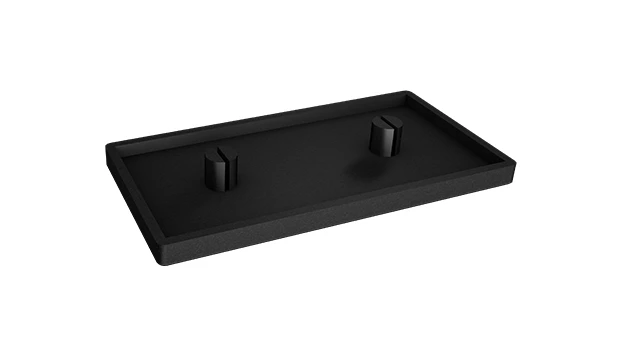
Walk into any manufacturing facility, warehouse, or even a modern home workshop, and you'll likely spot them: sleek, silver structures holding up workbenches, supporting conveyor systems, or organizing tools. These are aluminum extrusion profiles—versatile, durable, and the backbone of countless modular setups. But if you lean in closer, you might notice something small yet crucial at the ends of these profiles: end caps. Tiny, often unassuming, and easy to overlook, these little accessories play a big role in keeping aluminum profiles functional, safe, and looking their best. Today, we're diving into one specific type: 4080 aluminum profile end caps. The question on many facility managers, DIY enthusiasts, and workshop owners' minds is simple: Do these end caps need regular replacement? Let's unpack the answer.
First Things First: What Are 4080 Aluminum Profiles?
Before we talk about end caps, let's make sure we're all on the same page about the star of the show: 4080 aluminum extrusion profiles. These are industrial-grade aluminum bars shaped through a process called extrusion, where molten aluminum is pushed through a die to create a specific cross-sectional shape. The "4080" refers to their dimensions: 40mm in width and 80mm in height. This size strikes a balance between strength and flexibility, making 4080 profiles a go-to choice for everything from heavy-duty workbenches to material racks, conveyor frames, and even custom machinery guards.
What makes aluminum extrusion profiles so popular? For starters, aluminum is lightweight yet surprisingly strong—perfect for structures that need to hold weight without being cumbersome. It's also resistant to rust and corrosion, which is a huge plus in environments like factories or garages where moisture or chemicals might be present. But perhaps the biggest selling point is their modularity. Thanks to T-slots (longitudinal grooves running along the length of the profile), you can attach accessories like brackets, shelves, and yes, end caps, with ease. This modularity means you can reconfigure your setup as needs change—no welding or heavy tools required.
The Role of End Caps: More Than Just a "Finishing Touch"
Now, let's zoom in on the unsung heroes: 4080 aluminum profile end caps. At first glance, they might seem like nothing more than plastic or rubber plugs stuck on the ends of profiles. But their job is far more critical than just making the setup look neat. Let's break down their key roles:
Safety First: No More Sharp Edges
Aluminum extrusion profiles are precision-made, but their cut ends can be surprisingly sharp—especially if they're not deburred properly during installation. Imagine a worker reaching across a workbench and brushing against an exposed profile end: a small slip could lead to a painful cut. End caps act as a buffer, covering these sharp edges and turning them into smooth, safe surfaces. In busy environments where people are moving quickly (think assembly lines or warehouses), this simple accessory can prevent countless minor injuries—and the downtime that comes with them.
Protecting the Profile (and What's Inside)
The T-slots in aluminum profiles are their superpower, but they're also vulnerable. Dust, dirt, metal shavings, or even small tools can fall into these slots, gumming up the works and making it hard to attach accessories later. End caps seal off the open ends of the profile, acting like a gatekeeper to keep debris out. This is especially important in manufacturing settings where metal chips or coolant might be flying around, or in outdoor setups where rain, leaves, or pests could find their way into the slots.
Aesthetics and Professionalism
Let's be honest: exposed, rough-cut profile ends look unfinished. Whether you're running a customer-facing workshop or a factory floor that clients might visit, details matter. End caps give your aluminum structures a polished, professional appearance. They come in various colors (often black, white, or gray to match common profile finishes) and styles, so you can even use them to add a subtle brand touch—like matching your company's colors.
Noise Reduction (Yes, Really)
This one might surprise you, but end caps can actually help reduce noise in busy environments. When profiles are left uncovered, they can act like hollow tubes, amplifying sounds like tools clanging, parts dropping, or even the hum of machinery. A snug-fitting end cap dampens this resonance, making the workspace a little quieter and less stressful for everyone inside.

What Are 4080 Aluminum Profile End Caps Made Of?
Not all end caps are created equal. They're typically made from one of three materials, each with its own strengths and weaknesses. Let's take a closer look:
Plastic (PVC or Polypropylene)
Plastic end caps are the most common and budget-friendly option. They're lightweight, easy to install (usually "snap-on" designs that pop into place without tools), and come in a range of colors. PVC end caps are flexible and resistant to moisture, while polypropylene is a bit sturdier and more heat-resistant. These are great for indoor use, like office workstations or clean assembly lines, where they won't be subjected to extreme conditions.
Rubber
Rubber end caps are all about grip and shock absorption. They're softer than plastic, so they're ideal for profiles that might bump into other surfaces—like the legs of a mobile workbench or the edges of a material rack. Rubber also provides a better seal against dust and moisture, making it a good choice for outdoor setups or environments with high humidity (e.g., food processing plants where washdowns are common). The downside? Rubber can degrade over time when exposed to UV light, so it might not last as long outdoors without protection.
Aluminum
For heavy-duty applications, aluminum end caps are the way to go. They match the profile material, so they blend in seamlessly, and they're incredibly durable—resistant to dents, scratches, and high temperatures. You'll often find them in industrial settings where profiles are supporting heavy loads, like conveyor systems or machine bases. Aluminum end caps usually require screws to attach, which means they're more secure but take a little longer to install than snap-on plastic ones.

Signs Your End Caps Need Replacement
Now, back to the big question: Do 4080 aluminum profile end caps need regular replacement? The short answer is no—they don't require a strict "replace every 6 months" schedule. Instead, they need to be replaced when they show signs of wear and tear. The key is knowing what to look for. Here are the red flags:
Cracks or Splitting
Take a close look at the end cap. If you see cracks, splits, or chunks missing, it's time for a new one. This is most common with plastic end caps, which can become brittle over time—especially if they're exposed to direct sunlight, extreme temperatures, or harsh chemicals. A cracked end cap can't seal the profile properly, and the sharp edges of the crack itself might even become a safety hazard.
Looseness or "Wiggling"
End caps should fit snugly. If you can wiggle one with your finger, or if it falls off when the profile is moved, it's no longer doing its job. Looseness can happen if the end cap was poorly installed (too small for the profile size), if the plastic has warped from heat, or if the T-slots have worn down slightly over time (though aluminum profiles themselves are pretty durable). A loose end cap might not cover the sharp edge fully, and it could fall off completely, leaving the profile exposed.
Discoloration or Fading
While discoloration alone might not mean the end cap is non-functional, it's often a sign of UV damage or chemical exposure. For example, a white plastic end cap that's turned yellow from sunlight might still cover the edge, but the material could be weakening. Rubber end caps that have faded or become sticky are also a warning—their elasticity is breaking down, and they might start to crack soon.
Debris in the T-Slots
If you notice dust, dirt, or debris inside the T-slots of your 4080 profile, check the end cap. A properly sealed end cap should keep most of this out. If debris is getting in, the end cap might be cracked, loose, or missing entirely. Even if the end cap looks intact, a small gap could be letting in unwanted particles—so it's worth removing the cap to inspect the slot and the cap's seal.
Sharp Edges Peeking Through
This is a clear safety red flag. If the end cap has shifted or worn down, you might see part of the aluminum profile edge exposed. Run your finger gently over the end cap (with light pressure!)—if you feel any sharpness, replace the cap immediately. Don't wait for someone to get hurt.
Factors That Affect End Cap Lifespan
So, how long can you expect a 4080 aluminum profile end cap to last? It depends on several factors. Let's break them down so you can gauge when to start checking yours:
Environment: Indoor vs. Outdoor
Indoor end caps generally last longer. They're protected from UV rays, rain, snow, and extreme temperature swings. In a climate-controlled factory or office, a plastic end cap might last 5-7 years. Outdoors, though, UV radiation can break down plastic and rubber, causing them to become brittle or fade. Rain and humidity can also speed up degradation—especially for low-quality plastic caps. If your setup is outdoors, expect to replace end caps every 2-3 years, even if they look okay.
Usage Frequency and Intensity
A 4080 profile used as a stationary workbench leg will see less stress than one on a mobile trolley that's pushed around daily. End caps on frequently moved equipment are more likely to loosen or get knocked off. Similarly, profiles in high-traffic areas (like near doorways or walkways) might get bumped or brushed against, wearing down the end cap faster. In these cases, you might need to check end caps every few months instead of once a year.
Installation Quality
Even the best end cap won't last if it's installed poorly. Snap-on caps that aren't pushed on all the way will loosen over time. Screw-on aluminum caps with stripped screws might wiggle free. And if the profile end wasn't deburred before the cap was installed, the sharp edge could wear through the cap's interior over time. Take the time to install end caps correctly: push snap-ons firmly until they "click," use the right size screws for aluminum caps, and always deburr profile ends first.
Material Quality
You get what you pay for with end caps. Cheap plastic caps from unknown suppliers might crack or warp within a year, while high-quality ones (made from UV-resistant plastic or industrial-grade rubber) can last 5+ years indoors. When buying end caps, look for reputable brands that specialize in aluminum profile accessories—they'll often list material specifications (like "UV-stabilized PVC") or warranty periods.
Maintenance Tips to Extend End Cap Life
While end caps will eventually need replacement, a little maintenance can extend their lifespan significantly. Here are some easy tips:
Regular Inspections (Yes, Schedule Them!)
Set a calendar reminder to check end caps every 3-6 months, depending on their location. For indoor, low-traffic setups, once a year might be enough. For outdoor or high-traffic areas, aim for every 2-3 months. During inspections, look for the signs we mentioned: cracks, looseness, discoloration, and exposed edges. It only takes a few minutes per setup, but it can save you from unexpected replacements or injuries.
Clean Them Gently
Dirt and grime can hide cracks or loosen the cap's grip. Wipe end caps with a damp cloth (mild soap and water for stubborn dirt) to keep them clean. Avoid harsh chemicals like bleach or solvents—they can degrade plastic and rubber. For aluminum caps, a soft brush can help remove dust from screw holes.
Tighten When Needed
If you notice a loose snap-on cap, push it back into place firmly. For screw-on aluminum caps, check the screws periodically and tighten them if they're wiggly (but don't over-tighten—you could strip the threads in the aluminum profile).
replace Missing Caps Immediately
It's easy to notice a missing end cap and think, "I'll get to that later." But exposed profiles are a safety and debris risk. Keep a few spare end caps on hand (labeled by profile size, like "4080") so you can replace them right away. This is especially important for high-traffic areas.
Protect Outdoor End Caps
If you have outdoor aluminum profiles, consider upgrading to UV-resistant end caps (look for "UV-stabilized" in the product description). You can also apply a clear, plastic-friendly sealant to rubber or plastic caps to extend their life. For extreme conditions (like coastal areas with salt spray), aluminum end caps are the most durable option.
Do They Require "Regular" Replacement? The Verdict
Let's circle back to the original question: Do 4080 aluminum profile end caps require regular replacement? The answer is no—they require proactive replacement . Unlike air filters, which need changing every 3 months regardless of condition, end caps can last for years if they're in a low-stress environment. But "regular" replacement (e.g., every 2 years) might be overkill for indoor, rarely used setups. Instead, the key is to inspect them regularly and replace them when signs of wear appear.
Think of it like replacing tires on a car: You don't replace them every 6 months, but you check the tread depth and look for cracks periodically. When the tread is low or you see damage, you replace them. End caps work the same way. By staying vigilant, you'll avoid unnecessary replacements (saving money) and prevent safety risks (saving headaches).
A Handy Reference: End Cap Material Comparison
To help you choose the right end caps for your setup and know when to replace them, here's a quick comparison table:
| Material Type | Best For | Pros | Cons | Average Lifespan (Indoor) | Average Lifespan (Outdoor) | Replacement Indicators |
|---|---|---|---|---|---|---|
| Plastic (PVC/Polypropylene) | Indoor workbenches, stationary racks, office setups | Budget-friendly, easy to install (snap-on), available in colors | Not UV-resistant, can crack in extreme cold | 5-7 years | 2-3 years (with UV exposure) | Cracks, discoloration, looseness |
| Rubber | Mobile equipment, outdoor setups, humid environments | Shock-absorbent, good dust/moisture seal, grippy | Degrades in UV light, can become sticky over time | 4-6 years | 1-2 years (without UV protection) | Hardening, cracking, fading, loss of grip |
| Aluminum | Heavy-duty industrial use, high temperatures, outdoor (coastal/salt areas) | Extremely durable, scratch-resistant, matches profile material | More expensive, requires screws for installation | 10+ years | 8-10 years (with proper coating) | Screw loosening, corrosion (if uncoated), dents (rare) |
Case Study: When Neglecting End Caps Cost a Small Business
To drive home the importance of proactive end cap replacement, let's look at a real-world example (names changed for privacy). A small electronics assembly company in Ohio used 4080 aluminum profiles to build workbenches for their assembly line. They installed plastic end caps during setup but never thought to check them again. After about 4 years, a new employee noticed that several end caps on the workbenches were cracked or missing—exposing sharp aluminum edges. The company's safety manager did a quick inspection and found that over half of the end caps were damaged.
The fix was simple: order new plastic end caps ($1.50 each, totaling $60 for 40 caps) and install them over a weekend. But here's the kicker: In the months before the inspection, two employees had suffered minor cuts from exposed edges, leading to a few hours of lost work each. Plus, dirt and metal shavings had gotten into the T-slots of several profiles, making it hard to attach new tool holders. Cleaning out the slots took an extra day of labor—costing the company more than the end caps themselves. The moral? A little proactive maintenance would have saved time, money, and frustration.
Final Thoughts: Invest in the Small Stuff
4080 aluminum profile end caps might be small, but they're a critical part of keeping your aluminum extrusion setup safe, functional, and professional-looking. They don't need to be replaced on a strict schedule, but they do need regular attention. By inspecting them for cracks, looseness, or sharp edges, and replacing them when signs of wear appear, you'll extend the life of your aluminum profiles, keep your workspace safe, and avoid unnecessary downtime.
So, the next time you walk past your workbench or material rack, take a second to glance at the end caps. A quick check today could save you a headache tomorrow. After all, in the world of modular setups, it's the small parts that make the big difference.