- Company Articles
- Products and Technology
- Product knowledge
- 4080 Aluminum Profile End Caps: How They Improve Assembly Efficiency

4080 Aluminum Profile End Caps: How They Improve Assembly Efficiency
Related Product
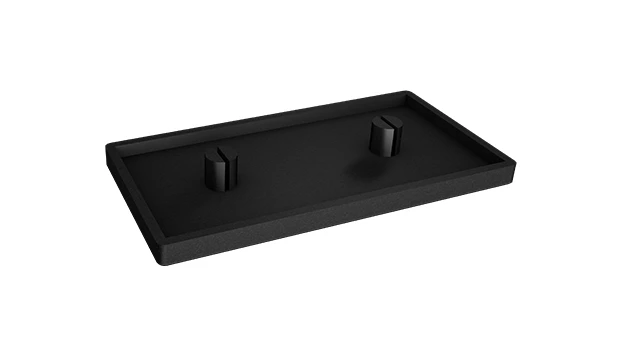
4080 Aluminum Profile End Cap
The aluminum profile end cap adds a finishing touch to your project and closes off profile ends to limit dust and debris buildup, also it can avaid some scratch for material and labor during the assemble work.
Walk into any modern manufacturing facility, and you'll quickly spot the unsung backbone of production: aluminum extrusion profiles. These sleek, modular structures form the foundation of workbenches, material racks, conveyor systems, and machine guards—quietly supporting the chaos of assembly lines, warehouses, and workshops. But for all their strength and versatility, even the most robust aluminum profiles rely on small, often overlooked accessories to truly shine. Today, we're focusing on one such accessory: the 4080 aluminum profile end cap. It's easy to dismiss as "just a cap," but this tiny component is a powerhouse of efficiency, solving everyday problems that slow down teams, increase frustration, and eat into productivity. Let's explore why it matters, how it works, and the tangible impact it can have on your assembly processes.
The Role of Aluminum Extrusion Profiles in Modern Manufacturing
Before diving into end caps, let's set the stage with the star of the show: aluminum extrusion profiles. These profiles are created by forcing heated aluminum through a die, shaping it into consistent cross-sections—like the popular 4080 profile, which measures 40mm by 80mm. Their popularity stems from three key traits: strength, flexibility, and cost-effectiveness. Aluminum is lightweight yet durable, resistant to corrosion, and easy to customize. The real magic, though, lies in their T-slot design—the long, narrow grooves running along their length that let you attach accessories (brackets, shelves, wheels, and yes, end caps) with just a few bolts or clips. This modularity makes aluminum extrusion profiles ideal for lean system environments, where adaptability and quick reconfiguration are critical to reducing waste and maximizing output.
In a lean system, every component must earn its place by adding value—whether through speed, safety, or simplicity. Aluminum profiles excel here because they eliminate the need for custom welding or cutting; instead of building a fixed structure from scratch, teams can assemble, disassemble, and reconfigure profiles on the fly. But even with all this flexibility, there's a catch: the raw ends of these profiles are sharp, unfinished, and prone to causing headaches (literally and figuratively) during assembly. That's where the 4080 aluminum profile end cap steps in.
What Are 4080 Aluminum Profile End Caps?
At first glance, a 4080 aluminum profile end cap looks simple: a small, often plastic or rubber cover designed to fit snugly over the exposed end of a 4080 aluminum extrusion. But its design is deceptively thoughtful. Most end caps are shaped to match the profile's cross-section, with notches or lips that grip the inner edges of the T-slots, ensuring a secure fit. Some are snap-on, requiring no tools; others screw into place for added stability. Materials vary too: plastic end caps are lightweight and affordable, rubber ones offer extra grip and shock absorption, and aluminum end caps blend seamlessly with the profile for a polished look. No matter the design, their core purpose remains the same: to finish the profile, protect it, and make assembly smoother.
Why focus on the 4080 profile specifically? Because it's a workhorse in industrial settings. Its 40x80mm dimensions strike a perfect balance between load capacity and maneuverability, making it ideal for heavy-duty applications like workbenches, material racks, and machine frames. These are the environments where assembly efficiency is most critical—where every minute saved adds up to hours of productivity over a week, and every injury prevented keeps teams focused and on track. For these high-stakes settings, the 4080 aluminum profile end cap isn't just an accessory; it's a necessity.

The Hidden Costs of Overlooking End Caps
To understand the value of 4080 aluminum profile end caps, let's first consider life without them. Imagine a team tasked with assembling a workbench using 4080 profiles. The raw ends of the aluminum extrusions are sharp—leftover from the cutting process, with burrs and rough edges. Without end caps, here's what happens:
- Safety Risks: Workers handling the profiles risk cuts and scrapes. Even a small nick can lead to bandages, lost time, or worse—distracting the team and lowering morale.
- Debris Buildup: The open ends of the profiles act like magnets for dust, dirt, and small parts (think screws, washers, or bits of packaging). Over time, this debris clogs the T-slots, making it harder to attach accessories or adjust components later.
- Secondary Finishing: To avoid injuries, teams often spend time filing or sanding the sharp edges—adding 5–10 minutes per profile. Multiply that by dozens of profiles per project, and suddenly you're looking at hours of wasted labor.
- Damaged Components: Sharp edges can scratch or dent other profiles, tools, or even finished products during transport or assembly. This leads to rework, replacement costs, and delays.
These might seem like small issues, but in a lean system—where every second and every cent counts—they add up. A study by the Manufacturing Extension Partnership (MEP) found that "minor inefficiencies" like unaddressed sharp edges or debris buildup can reduce assembly line productivity by up to 15% over time. That's not just lost time; it's lost revenue, missed deadlines, and frustrated teams.

5 Ways 4080 Aluminum Profile End Caps Boost Assembly Efficiency
Now, let's flip the script. With 4080 aluminum profile end caps in place, those hidden costs vanish—and efficiency soars. Here's how:
1. Time Savings: From Minutes to Seconds
The most immediate benefit? Time. What once took 5–10 minutes of filing per profile now takes 30 seconds: align the end cap, press (or screw) it into place, and move on. Let's do the math: if your team assembles 20 profiles per day, that's 20 profiles × (10 minutes – 0.5 minutes) = 190 minutes saved daily. Over a 5-day workweek, that's 15+ hours of reclaimed productivity—time that can be redirected to more critical tasks, like training, maintenance, or scaling production.
"We used to assign a dedicated worker just to file edges on our 4080 profiles," says Juan, a production manager at a mid-sized electronics manufacturer. "After switching to snap-on end caps, we reallocated that worker to our testing line. Now, we're assembling workbenches 30% faster and catching more defects in testing. It's a win-win."
2. Safety First: Reducing Injuries and Distractions
A safe team is a productive team. Sharp edges on aluminum profiles are a constant hazard, but end caps eliminate that risk entirely. With smooth, rounded edges, workers can handle profiles confidently—no more maneuvering or last-minute bandage runs. This not only reduces downtime from injuries but also boosts morale: when teams feel safe, they focus better, communicate more, and take pride in their work. The result? Fewer mistakes, faster assembly, and a culture of efficiency.
Pro Tip: For high-traffic areas (like shared workbenches or material racks), opt for rubber end caps. Their soft, grippy surface adds an extra layer of protection against bumps and falls.
3. T-Slot Protection: Keeping Profiles "Ready to Use"
Aluminum profile T-slots are their most valuable feature—allowing quick attachment of shelves, brackets, and other aluminum profile accessories. But they're also vulnerable to debris. 4080 aluminum profile end caps seal off the open ends, acting as a barrier against dust, dirt, and stray parts. This means when you need to add a shelf to a workbench or adjust a conveyor rail later, the T-slots are clean and ready to use. No more prying out debris with a screwdriver or blowing out slots with compressed air—saving even more time during reconfigurations.
In one automotive parts warehouse we visited, the team reported that after installing end caps on their 4080 material racks, "T-slot cleaning time dropped from 20 minutes per rack to zero." They now reconfigure racks on the fly, adapting to changing inventory needs without delays.
4. Compatibility with Aluminum Profile Accessories
Modern assembly relies on standardized components—and end caps are no exception. High-quality 4080 aluminum profile end caps are designed to work seamlessly with other aluminum profile accessories, like brackets, hinges, and leveling feet. For example, a screw-on end cap with a threaded insert can double as a mounting point for casters or feet, eliminating the need for extra brackets. This compatibility reduces part counts, simplifies inventory management, and ensures that every component works together harmoniously—no more "this bracket doesn't fit that profile" headaches.
| End Cap Type | Key Benefit for Accessory Compatibility | Best For |
|---|---|---|
| Snap-fit Plastic | Quick installation; works with most standard T-slot accessories | Light-duty workbenches, temporary structures |
| Screw-on Rubber | Secure fit; threaded inserts allow mounting of casters/feet | Mobile carts, material racks |
| Aluminum Alloy | Matches profile finish; compatible with heavy-duty brackets | Industrial workbenches, machine frames |
5. Supporting Lean System Goals: Waste Reduction
At their core, lean systems aim to eliminate waste—whether it's time, materials, or effort. 4080 aluminum profile end caps align perfectly with this mission. By reducing secondary finishing (waste of time), preventing damage to profiles (waste of materials), and simplifying assembly (waste of effort), end caps help teams stay true to lean principles. They also support "5S" methodologies—specifically "Sort" (reducing unnecessary tools like files) and "Shine" (keeping work areas clean by preventing debris buildup). In short, end caps don't just improve efficiency; they make lean systems work better.
A medical device manufacturer in Ohio implemented 5S in their assembly area and switched to 4080 aluminum profile end caps simultaneously. They reported a 22% reduction in "non-value-added" tasks (like cleaning or filing) within the first month—directly attributable to the end caps' ability to streamline workflows.
Choosing the Right 4080 Aluminum Profile End Cap
Not all end caps are created equal. To maximize efficiency, you'll need to choose the right type for your application. Here's what to consider:
Material Matters
- Plastic: The most common choice—lightweight, affordable, and available in colors (like yellow or gray) for visual organization. Best for indoor use, light to medium-duty applications.
- Rubber: Offers better grip and shock absorption than plastic. Ideal for mobile carts, workbenches, or areas where noise reduction is key.
- Aluminum: Matches the profile's finish for a sleek look; highly durable for heavy-duty or outdoor use. More expensive but worth it for high-wear environments.
Installation Style
- Snap-fit: No tools required—simply press onto the profile end. Fastest option for high-volume assembly.
- Screw-on: Uses small screws (often included) to secure to the profile. More secure than snap-fit, making it better for vibration-prone environments (like near machinery).
- Adhesive-backed: Uses strong adhesive to stick to the profile. Good for temporary setups or profiles where drilling holes isn't an option.
Environment and Use Case
Ask yourself: Will the profile be indoors or outdoors? Exposed to moisture, chemicals, or extreme temperatures? For example, stainless steel end caps (a subset of aluminum profile accessories) are ideal for food processing or pharmaceutical facilities where corrosion resistance is critical. In contrast, standard plastic end caps work perfectly for a warehouse workbench.
Pro Tip: Always measure your profile before buying end caps! While 4080 is a standard size, some manufacturers have slight variations in T-slot depth or width. A quick measurement ensures a snug, secure fit.
Installation Tips for Maximum Efficiency
Installing 4080 aluminum profile end caps is simple, but a few best practices will ensure you get the most out of them:
- Clean the Profile End: Wipe away dust, oil, or debris from the end of the profile before installing the end cap. This ensures a tight fit and prevents gunk from getting trapped inside.
- Align Properly: Most end caps have notches that match the T-slot positions. Align these notches with the T-slots to ensure the cap sits flush and doesn't pop off.
- Press Firmly (for Snap-fit): Use even pressure to snap the cap into place—start at one corner and work your way around to avoid bending the cap.
- Torque Screws Gently (for Screw-on): Over-tightening can crack plastic or rubber caps. Use a small screwdriver and stop when you feel resistance.
- Inspect After Installation: Give the end cap a gentle tug to ensure it's secure. If it wiggles or falls off, check for misalignment or debris and try again.
For teams new to end caps, a quick 5-minute training session on these steps can prevent mistakes and keep assembly moving smoothly.
Real-World Impact: Case Studies in Efficiency
To truly grasp the value of 4080 aluminum profile end caps, let's look at how they've transformed assembly processes for real companies.
Case Study 1: Electronics Manufacturer Cuts Assembly Time by 30%
A mid-sized electronics company in Texas was struggling to meet demand for their custom circuit board test stations. Each station required 12–15 4080 aluminum profiles, and the team was spending 2 hours per station just filing edges and cleaning T-slots. After switching to snap-fit plastic end caps, they eliminated the filing step and reduced T-slot cleaning time to zero. Assembly time per test station dropped from 8 hours to 5.5 hours—a 30% improvement. Over six months, this translated to 450+ extra test stations produced, generating $1.2 million in additional revenue.
Case Study 2: Automotive Supplier Reduces Injuries by 80%
A Tier 1 automotive supplier in Michigan was facing high worker's compensation claims due to cuts from sharp aluminum profiles. Their assembly line used 4080 profiles for material racks, and despite regular safety trainings, minor cuts were a weekly occurrence. After installing rubber end caps on all racks, the number of reported injuries dropped from 12 per month to 2 per month—an 80% reduction. Beyond the financial savings from reduced claims, the team reported higher morale and fewer "lost focus" moments, leading to a 10% increase in overall line productivity.
Case Study 3: Lean System Implementation in a Furniture Factory
A furniture manufacturer in North Carolina was rolling out a company-wide lean system, aiming to reduce waste and standardize processes. A key pain point was their custom workbench production: each bench used unique, non-standard components, leading to delays and errors. As part of the lean initiative, they standardized on 4080 aluminum profiles and end caps and accessories. The end caps played a critical role by ensuring all profiles were "assembly-ready" out of the box, with no need for custom finishing. Within three months, workbench production time dropped by 25%, and the number of defective units (due to misaligned components) fell from 8% to 2%.
Looking Ahead: The Future of Aluminum Profile Accessories
As manufacturing continues to evolve—with trends like automation, IoT, and sustainability taking center stage—aluminum profile accessories like end caps are evolving too. Here's what to watch for:
- Eco-Friendly Materials: Manufacturers are developing end caps from recycled plastics or biodegradable materials, aligning with corporate sustainability goals.
- Integrated Smart Features: Imagine end caps with embedded RFID tags, allowing teams to track inventory or monitor usage via IoT systems. Early prototypes are already being tested in large warehouses.
- Customizable Designs: 3D printing is making it easier to create custom end caps for unique profiles or specialized applications—like anti-static end caps for electronics manufacturing or high-temperature resistant caps for industrial ovens.
No matter how they evolve, one thing remains clear: 4080 aluminum profile end caps will continue to be a cornerstone of efficient assembly. They're a reminder that in manufacturing, sometimes the smallest components make the biggest difference.
Conclusion: Small Accessory, Big Results
In the fast-paced world of manufacturing, efficiency isn't just about big machines or fancy software—it's about the details. The 4080 aluminum profile end cap may be small, but its impact is undeniable: saving time, reducing injuries, protecting valuable profiles, and supporting lean system goals. It's a testament to the idea that "efficiency is in the details."
So, the next time you're planning an assembly project or looking to boost productivity, don't overlook the humble end cap. Invest in quality, choose the right type for your needs, and train your team to use them consistently. You'll be surprised by how much smoother, faster, and more enjoyable assembly becomes—one capped profile at a time.