- Company Articles
- Products and Technology
- Product knowledge
- 4080 Aluminum Profile End Caps in Mechanical Manufacturing: Key Roles

4080 Aluminum Profile End Caps in Mechanical Manufacturing: Key Roles
Related Product
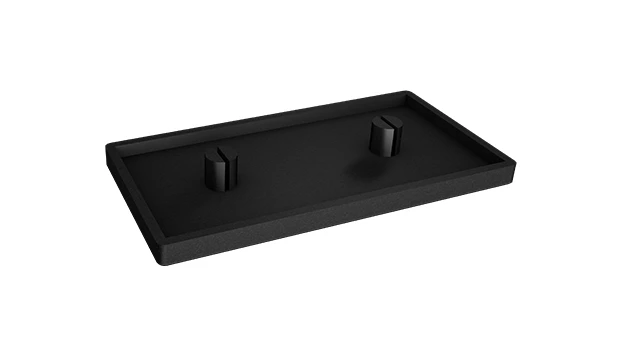
4080 Aluminum Profile End Cap
The aluminum profile end cap adds a finishing touch to your project and closes off profile ends to limit dust and debris buildup, also it can avaid some scratch for material and labor during the assemble work.
Walk into any modern mechanical manufacturing facility, and you'll quickly notice the unsung heroes holding everything together: aluminum profiles. These sleek, modular structures form the backbone of workbenches, conveyor systems, material racks, and assembly lines, prized for their strength, lightweight design, and adaptability. Among the most widely used is the 4080 aluminum profile—a workhorse known for its balance of load capacity and versatility. But for all their robustness, these profiles rely on a small, often overlooked component to truly shine: the 4080 aluminum profile end cap. Far more than a cosmetic add-on, this tiny accessory plays a critical role in safety, durability, and operational efficiency. Let's dive into why these unassuming caps deserve a spot in the spotlight.
Understanding 4080 Aluminum Profiles: The Backbone of Modern Manufacturing
Before we explore end caps, it's essential to understand the star of the show: the 4080 aluminum profile. Named for its dimensions—40mm in width and 80mm in height—this aluminum extrusion profile is a staple in factories worldwide. Its popularity stems from its unique T-slot design, which allows for easy attachment of brackets, shelves, and other accessories without welding or drilling. Whether forming the frame of a heavy-duty workbench, a dynamic conveyor system, or a flexible material rack, 4080 profiles excel at adapting to evolving production needs.
Manufactured through the aluminum extrusion process—where molten aluminum is forced through a die to create the signature T-slot shape—these profiles offer impressive strength-to-weight ratios. They're resistant to corrosion, easy to clean, and compatible with a wide range of aluminum profile accessories, making them ideal for everything from automotive assembly lines to electronics manufacturing plants. But like any hardworking component, they need protection to maintain their performance over time—and that's where end caps come in.
What Are 4080 Aluminum Profile End Caps?
At first glance, 4080 aluminum profile end caps might seem like simple plastic or metal plugs. In reality, they're precision-engineered components designed to fit snugly into the open ends of 4080 profiles. Available in various materials—including plastic (PVC, nylon), aluminum, and rubber—they're tailored to specific applications, environments, and performance requirements. Think of them as the "guardians" of aluminum profiles: small in size but mighty in impact.
As part of the broader category of aluminum profile accessories, end caps are often overlooked during the initial design phase. Engineers focus on the profile's load capacity, the strength of brackets, or the efficiency of conveyor systems, but end caps? They're dismissed as "optional." This oversight, however, can lead to costly issues down the line—from safety hazards to premature wear and tear. To truly appreciate their value, let's break down their key roles in mechanical manufacturing.

Key Role 1: Safety First—Protecting Workers and Equipment
In fast-paced manufacturing environments, safety is non-negotiable. Unfinished aluminum profile ends are sharp—think of the rough, jagged edges left after cutting or sawing. A worker rushing to load materials onto a rack, or a technician adjusting a conveyor belt, could easily brush against an exposed end and suffer a painful laceration. Even a minor cut can lead to downtime, medical costs, or worse: a serious injury that halts production.
End caps eliminate this risk by covering those sharp edges with a smooth, rounded surface. Plastic end caps, for example, are often designed with beveled edges that glide against skin or clothing, preventing snags and cuts. In high-traffic areas—like assembly lines where workers move quickly between stations—this simple barrier can drastically reduce workplace accidents. Aluminum end caps, which match the profile's material, add an extra layer of durability, ensuring the protective barrier holds up even under heavy use.
But safety isn't just about workers. Exposed profile ends can also damage equipment. For instance, a robotic arm swinging near an unprotected profile might scrape against the raw aluminum, chipping paint or scratching sensitive components. End caps act as a buffer, absorbing minor impacts and keeping both machinery and profiles intact.

Key Role 2: Shielding Against Debris and Corrosion
Aluminum profiles are designed to be modular, with T-slots that accept bolts, nuts, and accessories. But those slots—and the hollow interior of the profile—are vulnerable to debris. Dust, metal shavings, and even small parts can find their way into open ends, accumulating over time. This buildup can jam T-slot accessories, making it hard to adjust shelves or attach new components. In worst cases, debris can scratch the internal surfaces of the profile, weakening its structural integrity.
End caps act as a seal, blocking debris from entering the profile. In dusty environments like woodworking shops or metal fabrication plants, this is a game-changer. Imagine a material rack B (3 row and 3 floor) constructed with 4080 profiles: without end caps, sawdust or metal chips could settle inside the vertical supports, attracting moisture and causing corrosion. Over months, this corrosion could eat away at the aluminum, reducing the rack's load capacity and putting stored materials at risk of collapse. End caps prevent this by keeping the interior dry and clean.
Moisture is another enemy. In humid factories or facilities near coastal areas, condensation can form inside hollow profiles, leading to rust (if the profile isn't anodized) or pitting. Rubber end caps, in particular, excel here: their flexible material creates a watertight seal, even in fluctuating temperatures. For example, a workbench in a food processing plant—where washdowns are frequent—relies on rubber end caps to prevent water from seeping into the profile and causing long-term damage.
Key Role 3: Enhancing Aesthetics and Brand Consistency
Manufacturing facilities aren't just functional—they're also a reflection of a company's commitment to quality. A workbench or conveyor system with exposed, rough profile ends looks unprofessional, sending the message that details are overlooked. End caps, on the other hand, give profiles a polished, finished appearance. They come in a range of colors—black, white, gray, or even custom hues—to match a company's branding or facility color scheme.
Consider a customer visiting a factory to inspect production capabilities. If they see workbenches with mismatched, chipped end caps (or none at all), they might question the manufacturer's attention to detail. But a facility with clean, color-coordinated end caps on every profile? It signals precision and pride in workmanship. In industries like aerospace or medical device manufacturing, where quality is paramount, this visual consistency can even influence client trust and contract awards.
Aluminum end caps take this a step further by blending seamlessly with the profile itself. Anodized to match the profile's finish, they create a uniform look that's both sleek and professional. For companies investing in premium aluminum extrusion profiles, aluminum end caps are a small but impactful way to maintain that high-end aesthetic.
Key Role 4: Reinforcing Structural Integrity
Aluminum profiles are strong, but their open ends are a weak point. When subjected to heavy loads or vibrations—common in manufacturing—unprotected ends can deform or crack. For example, a workbench supporting 500kg of tools and materials places significant stress on its 4080 profile legs. Over time, the weight can cause the open ends to bow or split, compromising the bench's stability.
End caps add structural reinforcement by distributing stress evenly across the profile's end. Think of them as "end plugs" that prevent the profile from collapsing inward under pressure. Aluminum end caps, in particular, are ideal for heavy-duty applications: their rigidity complements the profile's strength, creating a more robust structure. In dynamic environments—like conveyor systems that vibrate during operation—rubber end caps absorb shocks, reducing wear on the profile and extending its lifespan.
Another structural benefit? End caps prevent warping. When profiles are exposed to temperature fluctuations—common in factories with heating or cooling systems—the metal expands and contracts. Unprotected ends can warp as a result, leading to misaligned workbenches or jamming conveyors. End caps stabilize the profile, limiting movement and ensuring dimensional accuracy over time.
Key Role 5: Reducing Noise and Vibration
Manufacturing floors are noisy places—machines hum, conveyors rattle, and materials clink. Excess noise not only strains workers' hearing but also masks important sounds (like a loose part rattling) and increases stress. End caps might seem like an unlikely solution, but they play a quiet yet effective role in noise reduction.
Rubber end caps, in particular, act as dampeners. When profiles vibrate—say, from a nearby stamping machine or a conveyor motor—the rubber absorbs the energy, reducing the noise emitted. This is especially valuable in tight spaces where multiple profiles are bolted together: without end caps, the metal-on-metal contact between profiles (or between profiles and the floor) would amplify vibrations, creating a (cì'ěr—sharp, piercing) din. With rubber end caps, the noise is muffled, creating a more pleasant work environment.
Plastic end caps also contribute by reducing "clatter." When materials are loaded onto racks or workbenches, they might knock against the profile ends. A plastic cap softens the impact, turning a loud "clang" into a muted "thud." Over a full shift, these small reductions add up, making the facility more comfortable for everyone on the floor.
Choosing the Right End Cap: Materials and Considerations
Not all end caps are created equal. To maximize their benefits, manufacturers must select the right material and design for their needs. Let's compare the most common options:
| Material | Key Benefits | Best For | Limitations |
|---|---|---|---|
| Plastic (PVC/Nylon) | Cost-effective, lightweight, available in colors, easy to install (push-fit design). | Light-duty applications, dry environments, aesthetic-focused setups. | Less durable in high temperatures; may crack under heavy impact. |
| Aluminum | Matches profile material, high strength, corrosion-resistant, ideal for heavy loads. | Heavy-duty workbenches, outdoor or humid environments, structural reinforcement. | More expensive than plastic; requires screws for secure fit (no push-fit option). |
| Rubber | Shock absorption, noise reduction, excellent for vibration-prone areas. | Conveyor systems, machinery frames, environments with frequent impacts. | Not ideal for high temperatures (can degrade); less rigid than aluminum. |
Beyond material, fit is critical. Push-fit end caps are easy to install—simply press them into the profile end—but may loosen over time in high-vibration settings. Screw-fit end caps, which require drilling a small hole in the profile, offer a permanent solution for heavy-duty applications. For specialized environments, like electronics manufacturing, ESD-safe end caps (made with conductive materials) prevent static discharge that could damage sensitive components.
Working with a reputable aluminum profile supplier is key here. A trusted supplier will not only offer high-quality end caps but also provide guidance on material selection, fit, and installation. They'll understand the nuances of your operation—whether you need heat-resistant end caps for a foundry or ESD-safe options for a semiconductor plant—and recommend products that align with your goals.
Real-World Impact: Case Studies
To put these roles into perspective, let's look at two factories that upgraded their 4080 profiles with quality end caps—and the results they saw.
Case Study 1: Automotive Assembly Plant
A mid-sized automotive parts manufacturer was struggling with frequent worker cuts from exposed 4080 profile ends on their assembly line workbenches. The plant used push-fit plastic end caps, but they often fell off due to vibrations from nearby machinery. Over six months, there were 12 reported lacerations, leading to lost workdays and increased workers' compensation claims.
After consulting with their aluminum profile supplier, the plant switched to aluminum screw-fit end caps. The new caps were secured with small screws, preventing them from dislodging. Within three months, cut incidents dropped to zero. Additionally, the aluminum caps reduced debris buildup in the profiles, cutting maintenance time for cleaning T-slots by 40%. The investment in higher-quality end caps paid for itself in reduced downtime and injury costs.
Case Study 2: Electronics Manufacturing Facility
An electronics factory producing circuit boards relied on 4080 profiles for their ESD-safe workbenches. They initially used generic plastic end caps, unaware that static could build up on the plastic surface and discharge onto sensitive components. This led to a 5% defect rate in finished boards—costing the company thousands in wasted materials.
The solution? Switching to ESD-safe rubber end caps. These caps dissipated static charges, preventing damage to circuit boards. Within two months, the defect rate dropped to 0.5%. The rubber material also reduced noise from workers placing components on the benches, making the facility quieter and less stressful. The factory now specifies ESD-safe end caps as a standard part of their workbench design.
Common Mistakes to Avoid
Even with the best intentions, manufacturers can undermine the benefits of end caps with these common errors:
- Choosing the wrong material: Using plastic end caps in high-temperature areas (e.g., near ovens) will cause them to melt or crack. Always match the end cap material to the environment.
- Ignoring fit: A loose end cap is worse than no end cap—it can fall off unexpectedly, leaving the profile exposed. Invest in secure-fit options (screw-fit for heavy use) and check caps regularly for tightness.
- Skipping end caps on "temporary" structures: Even short-term setups (like a seasonal material rack) need end caps. A single accident or debris buildup can derail production, regardless of the structure's lifespan.
- Opting for the cheapest option: Low-quality end caps from unvetted suppliers often use brittle plastic or thin aluminum, which fail quickly. Partner with a trusted aluminum profile supplier to ensure durability.
The Future of 4080 Aluminum Profile End Caps
As manufacturing evolves, so too will end cap design. Here are three trends to watch:
Sustainable Materials: With a focus on eco-friendly manufacturing, suppliers are developing end caps from recycled plastics and biodegradable materials. These options offer the same performance as traditional end caps but reduce environmental impact.
Smart End Caps: Imagine end caps embedded with tiny sensors that monitor temperature, vibration, or wear. These "smart" caps could alert maintenance teams when a cap is loose or damaged, preventing issues before they occur. Early prototypes are already being tested in automotive plants.
Custom 3D-Printed End Caps: For unique profile designs or specialized applications, 3D printing allows for fully customized end caps. This is particularly valuable for small-batch manufacturers or facilities with non-standard profile sizes.
Conclusion: Small Component, Big Impact
4080 aluminum profile end caps may be small, but their role in mechanical manufacturing is undeniable. From protecting workers and equipment to enhancing structural integrity and reducing noise, they're a critical component that no factory should overlook. By choosing the right material, ensuring a secure fit, and partnering with a reliable aluminum profile supplier, manufacturers can unlock the full potential of their aluminum profiles—boosting safety, efficiency, and profitability in the process.
The next time you walk through a factory, take a moment to look at the aluminum profiles. Chances are, the ones performing best have one thing in common: quality end caps. They're the unsung heroes keeping production running smoothly, one small but mighty component at a time.