- Company Articles
- Products and Technology
- Product knowledge
- 4080 Aluminum Profile End Caps: Material Composition & Strength

4080 Aluminum Profile End Caps: Material Composition & Strength
Related Product
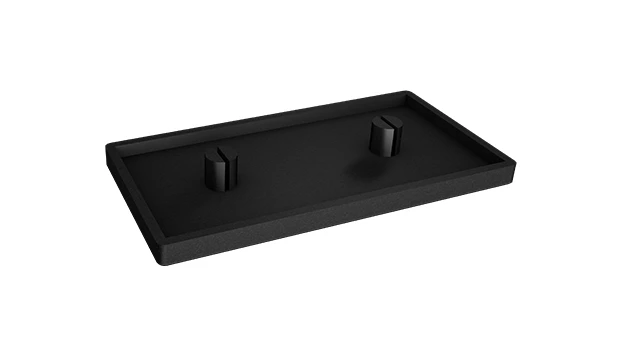
4080 Aluminum Profile End Cap
The aluminum profile end cap adds a finishing touch to your project and closes off profile ends to limit dust and debris buildup, also it can avaid some scratch for material and labor during the assemble work.
Introduction: The Unsung Hero of Aluminum Profiles
Walk through any modern manufacturing facility, warehouse, or even a tech startup's workshop, and you'll likely spot the sleek, modular frames that power efficient workflows: aluminum profiles. These versatile structures—from workbenches to material racks, conveyor systems to assembly lines—are the backbone of lean manufacturing and organized workspace design. But for all their visible strength, there's a small component that often goes unnoticed yet plays a critical role in their performance: the end cap. Specifically, for the widely used 4080 aluminum extrusion profile, end caps are more than just finishing touches; they're essential for safety, durability, and functionality.
Aluminum profiles, especially the 4080 variant (named for its 40mm x 80mm cross-section), are prized for their lightweight yet robust nature, making them ideal for building everything from heavy-duty material racks to precision workstations. But their open-ended design—necessary for T-slot connections and accessory integration—leaves exposed edges that can collect dust, pose injury risks, or compromise structural integrity over time. That's where 4080 aluminum profile end caps come in. As a key part of aluminum profile accessories, these small components seal the ends of profiles, protect users from sharp edges, and even enhance the overall lifespan of the structure. In this article, we'll dive deep into the material composition of these end caps, explore what makes them strong, and why choosing the right one matters for your application.
Aluminum profiles, especially the 4080 variant (named for its 40mm x 80mm cross-section), are prized for their lightweight yet robust nature, making them ideal for building everything from heavy-duty material racks to precision workstations. But their open-ended design—necessary for T-slot connections and accessory integration—leaves exposed edges that can collect dust, pose injury risks, or compromise structural integrity over time. That's where 4080 aluminum profile end caps come in. As a key part of aluminum profile accessories, these small components seal the ends of profiles, protect users from sharp edges, and even enhance the overall lifespan of the structure. In this article, we'll dive deep into the material composition of these end caps, explore what makes them strong, and why choosing the right one matters for your application.
Understanding 4080 Aluminum Extrusion Profiles: Why End Caps Matter
Before we zoom in on end caps, let's first appreciate the star of the show: the 4080 aluminum extrusion profile. This particular profile is a workhorse in industrial settings, thanks to its balanced dimensions. At 40mm wide and 80mm tall, it strikes a sweet spot between load-bearing capacity and flexibility. It's commonly used in building workbenches (like the aptly named "workbench E" in many catalogs), multi-tiered material racks (such as "material rack B" with 3 rows and 3 floors), and even conveyor systems where stability and adaptability are key.
The magic of aluminum extrusion profiles lies in their T-slot design—longitudinal grooves that allow for easy attachment of accessories like brackets, shelves, and guides. But this design leaves the ends of the profile open. Imagine a material rack B stacked with heavy components: without end caps, those open ends could trap debris, making cleaning a hassle, or worse, create sharp edges that scratch workers or damage products. Over time, moisture or dust inside the profile could even lead to internal corrosion, weakening the structure. End caps solve these problems by sealing the profile, creating a clean finish, and adding an extra layer of protection. For a lean system supplier, recommending the right end cap isn't an afterthought—it's part of delivering a complete, functional solution.
The magic of aluminum extrusion profiles lies in their T-slot design—longitudinal grooves that allow for easy attachment of accessories like brackets, shelves, and guides. But this design leaves the ends of the profile open. Imagine a material rack B stacked with heavy components: without end caps, those open ends could trap debris, making cleaning a hassle, or worse, create sharp edges that scratch workers or damage products. Over time, moisture or dust inside the profile could even lead to internal corrosion, weakening the structure. End caps solve these problems by sealing the profile, creating a clean finish, and adding an extra layer of protection. For a lean system supplier, recommending the right end cap isn't an afterthought—it's part of delivering a complete, functional solution.

Aluminum Profile End Caps: More Than Just a "Cap"
Aluminum profile end caps are small, but their role is multi-faceted. Let's break down what they actually do:
Safety First: Extruded aluminum profiles have sharp, raw edges at their ends. In a busy production environment, where workers are moving quickly or handling materials, these edges can cause cuts or scrapes. End caps soften these edges, turning a potential hazard into a smooth, safe surface.
Debris and Moisture Barrier: Open profile ends act like tiny dust and water collectors. Over time, dirt, oil, or condensation inside the profile can degrade its structural integrity or make it harder to clean. End caps seal the interior, keeping the profile dry and debris-free—critical for profiles used in outdoor or high-moisture environments.
Aesthetic Appeal: Let's face it: exposed profile ends look unfinished. End caps give aluminum structures a polished, professional appearance, which matters in customer-facing spaces or environments where organization and presentation are part of the brand.
Structural Support (Indirectly): While end caps aren't load-bearing in the traditional sense, they prevent the profile ends from deforming under stress. For example, in a workbench with heavy tools, the end caps help maintain the profile's shape by distributing pressure evenly across the end surface.
Now, not all end caps are created equal. They come in different materials, each with its own set of properties. The most common options are plastic, aluminum, and rubber. Let's explore each, focusing on their composition and how that impacts strength.
Safety First: Extruded aluminum profiles have sharp, raw edges at their ends. In a busy production environment, where workers are moving quickly or handling materials, these edges can cause cuts or scrapes. End caps soften these edges, turning a potential hazard into a smooth, safe surface.
Debris and Moisture Barrier: Open profile ends act like tiny dust and water collectors. Over time, dirt, oil, or condensation inside the profile can degrade its structural integrity or make it harder to clean. End caps seal the interior, keeping the profile dry and debris-free—critical for profiles used in outdoor or high-moisture environments.
Aesthetic Appeal: Let's face it: exposed profile ends look unfinished. End caps give aluminum structures a polished, professional appearance, which matters in customer-facing spaces or environments where organization and presentation are part of the brand.
Structural Support (Indirectly): While end caps aren't load-bearing in the traditional sense, they prevent the profile ends from deforming under stress. For example, in a workbench with heavy tools, the end caps help maintain the profile's shape by distributing pressure evenly across the end surface.
Now, not all end caps are created equal. They come in different materials, each with its own set of properties. The most common options are plastic, aluminum, and rubber. Let's explore each, focusing on their composition and how that impacts strength.

Material Composition: What's in a 4080 Aluminum Profile End Cap?
The material of an end cap dictates its performance—how strong it is, how long it lasts, and even how it feels to the touch. Let's break down the three primary materials used for 4080 aluminum profile end caps:
1. Plastic End Caps: Lightweight and Cost-Effective
Plastic is the most common material for end caps, and for good reason: it's affordable, lightweight, and easy to mold into custom shapes. The specific type of plastic used varies, but the most popular options are
polypropylene (PP)
and
polyethylene (PE)
, with occasional use of
nylon
for higher-strength applications.
Polypropylene (PP): PP is a thermoplastic polymer known for its chemical resistance and flexibility. It's lightweight (density of ~0.9 g/cm³) and has a melting point of around 160°C, making it suitable for indoor use and moderate temperatures. PP end caps are often used in general-purpose applications like office workbenches or light-duty material racks.
Polyethylene (PE): PE is even more flexible than PP and has excellent impact resistance, especially at low temperatures. High-density polyethylene (HDPE) is stiffer and more durable than low-density PE (LDPE), so HDPE is the go-to for end caps that need to withstand occasional bumps or drops. PE is also resistant to moisture and many chemicals, making it a good choice for wet or industrial environments.
Nylon: For applications requiring extra strength, nylon (polyamide) end caps are used. Nylon has higher tensile strength than PP or PE and better wear resistance. It's slightly heavier (density ~1.14 g/cm³) but offers superior performance in high-stress scenarios, like heavy-duty workbenches or conveyor systems where end caps might rub against other components.
Plastic end caps often include additives to boost performance: UV stabilizers to prevent fading in sunlight, impact modifiers to reduce brittleness, or colorants to match the profile (common colors include black, white, or the profile's natural aluminum tone).
Polypropylene (PP): PP is a thermoplastic polymer known for its chemical resistance and flexibility. It's lightweight (density of ~0.9 g/cm³) and has a melting point of around 160°C, making it suitable for indoor use and moderate temperatures. PP end caps are often used in general-purpose applications like office workbenches or light-duty material racks.
Polyethylene (PE): PE is even more flexible than PP and has excellent impact resistance, especially at low temperatures. High-density polyethylene (HDPE) is stiffer and more durable than low-density PE (LDPE), so HDPE is the go-to for end caps that need to withstand occasional bumps or drops. PE is also resistant to moisture and many chemicals, making it a good choice for wet or industrial environments.
Nylon: For applications requiring extra strength, nylon (polyamide) end caps are used. Nylon has higher tensile strength than PP or PE and better wear resistance. It's slightly heavier (density ~1.14 g/cm³) but offers superior performance in high-stress scenarios, like heavy-duty workbenches or conveyor systems where end caps might rub against other components.
Plastic end caps often include additives to boost performance: UV stabilizers to prevent fading in sunlight, impact modifiers to reduce brittleness, or colorants to match the profile (common colors include black, white, or the profile's natural aluminum tone).
2. Aluminum End Caps: For Strength and Aesthetic Harmony
When appearance and maximum durability matter, aluminum end caps are the way to go. These are typically made from the same aluminum alloys as the profiles themselves, most commonly
6061
or
6063
alloys. These alloys are chosen for their excellent extrudability, corrosion resistance, and moderate strength.
6061 Aluminum: This alloy contains magnesium and silicon, giving it good tensile strength (~310 MPa) and weldability. It's often used for structural components, so aluminum end caps made from 6061 are strong enough to withstand heavy impacts or pressure.
6063 Aluminum: Known for its smooth finish and excellent extrudability, 6063 has slightly lower tensile strength (~215 MPa) than 6061 but better corrosion resistance and a more attractive surface. 6063 end caps are popular for applications where aesthetics are key, like retail displays or customer-facing workstations, as they blend seamlessly with the aluminum profile.
Aluminum end caps are usually machined or extruded to fit the profile's exact dimensions, ensuring a tight, secure fit. They can also be anodized or powder-coated to match the profile's finish, creating a uniform look. For a workbench that's both functional and visually consistent, aluminum end caps are hard to beat.
6061 Aluminum: This alloy contains magnesium and silicon, giving it good tensile strength (~310 MPa) and weldability. It's often used for structural components, so aluminum end caps made from 6061 are strong enough to withstand heavy impacts or pressure.
6063 Aluminum: Known for its smooth finish and excellent extrudability, 6063 has slightly lower tensile strength (~215 MPa) than 6061 but better corrosion resistance and a more attractive surface. 6063 end caps are popular for applications where aesthetics are key, like retail displays or customer-facing workstations, as they blend seamlessly with the aluminum profile.
Aluminum end caps are usually machined or extruded to fit the profile's exact dimensions, ensuring a tight, secure fit. They can also be anodized or powder-coated to match the profile's finish, creating a uniform look. For a workbench that's both functional and visually consistent, aluminum end caps are hard to beat.
3. Rubber End Caps: Flexibility and Sealing Power
Rubber end caps are the unsung heroes for applications where sealing, vibration dampening, or grip is needed. They're made from elastomers like
EPDM (ethylene propylene diene monomer)
or
silicone
, each with unique properties.
EPDM: EPDM rubber is prized for its resistance to weathering, ozone, and temperature extremes (-40°C to 150°C). It's flexible, durable, and has good compression set resistance (meaning it doesn't permanently deform when squeezed). EPDM end caps are ideal for outdoor use or environments with fluctuating temperatures, like loading docks or outdoor material racks.
Silicone: Silicone rubber offers even wider temperature resistance (-60°C to 230°C) and is inert, making it suitable for food processing, medical, or cleanroom applications where chemical resistance is critical. Silicone end caps are softer than EPDM and provide excellent grip, so they're often used on profiles that need to stay in place or reduce vibration, like lab workbenches or precision assembly stations.
Rubber end caps are typically slipped over the profile end, relying on their elasticity to create a tight seal. They're not as rigid as plastic or aluminum, but their flexibility is their strength—they absorb shocks, reduce noise, and conform to slight variations in profile dimensions.
EPDM: EPDM rubber is prized for its resistance to weathering, ozone, and temperature extremes (-40°C to 150°C). It's flexible, durable, and has good compression set resistance (meaning it doesn't permanently deform when squeezed). EPDM end caps are ideal for outdoor use or environments with fluctuating temperatures, like loading docks or outdoor material racks.
Silicone: Silicone rubber offers even wider temperature resistance (-60°C to 230°C) and is inert, making it suitable for food processing, medical, or cleanroom applications where chemical resistance is critical. Silicone end caps are softer than EPDM and provide excellent grip, so they're often used on profiles that need to stay in place or reduce vibration, like lab workbenches or precision assembly stations.
Rubber end caps are typically slipped over the profile end, relying on their elasticity to create a tight seal. They're not as rigid as plastic or aluminum, but their flexibility is their strength—they absorb shocks, reduce noise, and conform to slight variations in profile dimensions.
Strength Analysis: How Do These Materials Stack Up?
"Strength" is a broad term, so let's define what it means for an end cap: How much force can it take before breaking? Can it withstand impacts? Will it hold up over time? Let's compare the three materials across key strength metrics.
Tensile Strength: Pulling Power
Tensile strength measures how much pulling force a material can withstand before breaking. For end caps, this matters if they're ever tugged or pried (e.g., during maintenance or disassembly). Aluminum end caps (6061 alloy) lead the pack here, with a tensile strength of ~310 MPa. Nylon plastic follows at ~70-90 MPa, while PP/PE plastics range from 30-40 MPa. Rubber, being elastic, doesn't "break" in the same way—it stretches, with EPDM having a tensile strength of ~10-20 MPa. In practical terms, aluminum end caps are the hardest to pull off or tear, making them ideal for high-security or high-vibration setups.
Impact Resistance: Bounce Back or Break?
Impact resistance is crucial in busy environments where end caps might get bumped by a turnover trolley, hit by a falling tool, or scraped during material handling. Here, PE plastic and rubber shine. PE has excellent toughness, even at low temperatures, and can absorb impacts without cracking. Rubber (especially EPDM) is even better—it flexes on impact and returns to shape, making it nearly unbreakable in normal use. PP is less impact-resistant than PE and can become brittle in cold weather. Aluminum, while strong, is rigid; a hard enough impact might dent or bend it, though it won't shatter like brittle plastic. For a material rack B housing heavy parts, where accidental collisions are common, PE or rubber end caps would be a smarter choice than brittle PP.
Compressive Strength: Standing Up to Pressure
Compressive strength is about how well a material resists being crushed. This matters if the end cap is at the bottom of a vertical profile, supporting the weight of the structure, or if something heavy is pressed against it. Aluminum again takes the lead here, with 6061 alloy having a compressive strength of ~276 MPa. Nylon plastic is next (~70-80 MPa), followed by PP/PE (~40-50 MPa). Rubber has low compressive strength but high elasticity—instead of resisting pressure, it compresses and rebounds, which can be useful for leveling uneven surfaces (e.g., using rubber end caps as "feet" for a wobbly workbench).
Durability: Longevity in the Real World
A strong end cap isn't just about withstanding force—it's about lasting over time. Here's how the materials hold up:
Plastic: PP and PE are resistant to moisture and many chemicals but can degrade in UV light (sunlight) without stabilizers, leading to fading and brittleness. Nylon is more UV-resistant but can absorb moisture, which slightly reduces its strength. Indoor plastic end caps can last 5-10 years; outdoor ones (with stabilizers) might last 3-5 years.
Aluminum: Aluminum end caps are highly durable, with excellent corrosion resistance (especially if anodized or coated). They don't fade, crack, or degrade in UV light and can withstand most chemicals. In indoor or outdoor use, aluminum end caps can last 10+ years, often outliving the profile itself.
Rubber: EPDM and silicone are both UV and weather-resistant, but rubber can degrade over time due to oxidation (hardening) or exposure to oils/greases. EPDM has a lifespan of 5-8 years outdoors, while silicone can last 10+ years in clean, dry environments.
Plastic: PP and PE are resistant to moisture and many chemicals but can degrade in UV light (sunlight) without stabilizers, leading to fading and brittleness. Nylon is more UV-resistant but can absorb moisture, which slightly reduces its strength. Indoor plastic end caps can last 5-10 years; outdoor ones (with stabilizers) might last 3-5 years.
Aluminum: Aluminum end caps are highly durable, with excellent corrosion resistance (especially if anodized or coated). They don't fade, crack, or degrade in UV light and can withstand most chemicals. In indoor or outdoor use, aluminum end caps can last 10+ years, often outliving the profile itself.
Rubber: EPDM and silicone are both UV and weather-resistant, but rubber can degrade over time due to oxidation (hardening) or exposure to oils/greases. EPDM has a lifespan of 5-8 years outdoors, while silicone can last 10+ years in clean, dry environments.
Manufacturing Process: How It Shapes Strength
The way an end cap is made affects its strength just as much as its material. Let's look at the manufacturing processes for each material:
Plastic End Caps: Injection Molding
Most plastic end caps are made via injection molding. Molten plastic is injected into a steel mold shaped like the end cap, then cooled and ejected. This process allows for precise dimensions, complex shapes (like ribs for added strength), and consistent material density. Well-molded plastic end caps have uniform strength throughout—no weak spots from air bubbles or uneven cooling. Poorly molded caps, however, might have voids or thin walls that crack under stress.
Aluminum End Caps: Machining or Extrusion
Aluminum end caps are either machined from solid aluminum billets or extruded (like the profiles themselves). Machining allows for tight tolerances and custom designs but can leave tool marks if not finished properly. Extruded aluminum end caps have a uniform grain structure, which enhances strength and corrosion resistance. Anodizing (a surface treatment) adds a hard, protective layer, further boosting durability.
Rubber End Caps: Compression Molding
Rubber end caps are typically compression-molded: uncured rubber is placed in a mold, heated, and pressed into shape. This process cross-links the rubber molecules, creating elasticity. Proper curing is critical—under-cured rubber is weak and sticky; over-cured rubber is brittle. High-quality rubber end caps have consistent hardness and flexibility across their surface.
Plastic End Caps: Injection Molding
Most plastic end caps are made via injection molding. Molten plastic is injected into a steel mold shaped like the end cap, then cooled and ejected. This process allows for precise dimensions, complex shapes (like ribs for added strength), and consistent material density. Well-molded plastic end caps have uniform strength throughout—no weak spots from air bubbles or uneven cooling. Poorly molded caps, however, might have voids or thin walls that crack under stress.
Aluminum End Caps: Machining or Extrusion
Aluminum end caps are either machined from solid aluminum billets or extruded (like the profiles themselves). Machining allows for tight tolerances and custom designs but can leave tool marks if not finished properly. Extruded aluminum end caps have a uniform grain structure, which enhances strength and corrosion resistance. Anodizing (a surface treatment) adds a hard, protective layer, further boosting durability.
Rubber End Caps: Compression Molding
Rubber end caps are typically compression-molded: uncured rubber is placed in a mold, heated, and pressed into shape. This process cross-links the rubber molecules, creating elasticity. Proper curing is critical—under-cured rubber is weak and sticky; over-cured rubber is brittle. High-quality rubber end caps have consistent hardness and flexibility across their surface.
Choosing the Right End Cap: A Practical Guide
With so many options, how do you pick the right end cap for your 4080 aluminum profile? Here's a quick guide based on common applications:
General-Purpose Workbenches (Indoor): PP or PE plastic end caps are affordable and sufficient. Look for UV-stabilized versions if near windows.
Heavy-Duty Material Racks or Outdoor Use: Aluminum end caps are best for durability and strength. Anodized aluminum resists corrosion in wet or humid environments.
Cleanrooms or Food Processing: Silicone rubber end caps are inert, easy to clean, and temperature-resistant.
High-Vibration Environments (e.g., Near Conveyors): EPDM rubber end caps absorb shock and reduce noise.
Aesthetic-Focused Displays or Customer Areas: Aluminum end caps in the same finish as the profile create a seamless, professional look.
General-Purpose Workbenches (Indoor): PP or PE plastic end caps are affordable and sufficient. Look for UV-stabilized versions if near windows.
Heavy-Duty Material Racks or Outdoor Use: Aluminum end caps are best for durability and strength. Anodized aluminum resists corrosion in wet or humid environments.
Cleanrooms or Food Processing: Silicone rubber end caps are inert, easy to clean, and temperature-resistant.
High-Vibration Environments (e.g., Near Conveyors): EPDM rubber end caps absorb shock and reduce noise.
Aesthetic-Focused Displays or Customer Areas: Aluminum end caps in the same finish as the profile create a seamless, professional look.
Comparison Table: Material Properties at a Glance
To summarize, here's a comparison of the three main end cap materials:
| Material | Composition | Tensile Strength (MPa) | Impact Resistance | UV Resistance | Typical Lifespan (Indoor) | Best For |
|---|---|---|---|---|---|---|
| Plastic (PP/PE) | Polypropylene/Polyethylene + additives | 30-40 | Good (PE > PP) | Low (needs stabilizers) | 5-10 years | Light-duty workbenches, indoor racks |
| Plastic (Nylon) | Polyamide | 70-90 | Excellent | Medium | 7-12 years | Heavy-duty plastic applications |
| Aluminum (6061/6063) | Aluminum alloy (Mg, Si) | 215-310 | High (rigid, no shatter) | Excellent | 10+ years | Outdoor use, heavy loads, aesthetics |
| Rubber (EPDM) | Ethylene propylene diene monomer | 10-20 | Excellent (flexible) | Excellent | 5-8 years | Outdoor racks, vibration dampening |
| Rubber (Silicone) | Silicone polymer | 8-15 | Very Good | Excellent | 10+ years | Cleanrooms, high/low temperatures |
Common Issues and Solutions: Making End Caps Last
Even the strongest end caps can fail if not chosen or installed correctly. Here are common problems and how to avoid them:
Loose End Caps: This happens when the end cap is too small for the profile or when thermal expansion/contraction (in plastic or rubber) loosens the fit. Solution: Choose end caps with a tight tolerance (machined aluminum or precision-molded plastic) or opt for rubber caps, which grip better due to elasticity.
Cracking (Plastic): Brittle plastic end caps crack from impacts or UV exposure. Solution: Use PE instead of PP for impact resistance, or add UV stabilizers for outdoor use. Nylon is also more crack-resistant than PP/PE.
Corrosion (Aluminum): Unfinished aluminum end caps can corrode in salty or acidic environments. Solution: Choose anodized or powder-coated aluminum end caps, which add a protective layer.
Hardening (Rubber): Rubber end caps can harden over time, losing flexibility. Solution: Avoid exposing rubber caps to oils, greases, or extreme heat. EPDM is more oil-resistant than silicone.
Loose End Caps: This happens when the end cap is too small for the profile or when thermal expansion/contraction (in plastic or rubber) loosens the fit. Solution: Choose end caps with a tight tolerance (machined aluminum or precision-molded plastic) or opt for rubber caps, which grip better due to elasticity.
Cracking (Plastic): Brittle plastic end caps crack from impacts or UV exposure. Solution: Use PE instead of PP for impact resistance, or add UV stabilizers for outdoor use. Nylon is also more crack-resistant than PP/PE.
Corrosion (Aluminum): Unfinished aluminum end caps can corrode in salty or acidic environments. Solution: Choose anodized or powder-coated aluminum end caps, which add a protective layer.
Hardening (Rubber): Rubber end caps can harden over time, losing flexibility. Solution: Avoid exposing rubber caps to oils, greases, or extreme heat. EPDM is more oil-resistant than silicone.
Conclusion: The Small Component That Makes a Big Difference
4080 aluminum profile end caps may be small, but they're a critical part of any aluminum profile system. Their material composition—whether plastic, aluminum, or rubber—dictates their strength, durability, and suitability for different environments. From protecting workers from sharp edges to sealing out debris and enhancing structural longevity, end caps play a role in safety, efficiency, and aesthetics.
When choosing an end cap, consider your application: Is it indoors or outdoors? Does it need to withstand impacts, heavy loads, or extreme temperatures? Do you prioritize cost, durability, or appearance? A lean system supplier will ask these questions to recommend the right end cap, ensuring your aluminum profile setup is not just functional, but built to last.
So the next time you walk past a sleek aluminum workbench or a sturdy material rack, take a moment to appreciate the end caps. They may be out of sight, but they're hard at work—proving that even the smallest components can make a big difference in industrial design.
When choosing an end cap, consider your application: Is it indoors or outdoors? Does it need to withstand impacts, heavy loads, or extreme temperatures? Do you prioritize cost, durability, or appearance? A lean system supplier will ask these questions to recommend the right end cap, ensuring your aluminum profile setup is not just functional, but built to last.
So the next time you walk past a sleek aluminum workbench or a sturdy material rack, take a moment to appreciate the end caps. They may be out of sight, but they're hard at work—proving that even the smallest components can make a big difference in industrial design.