- Company Articles
- Products and Technology
- Product knowledge
- 4080 Aluminum Profile End Caps: UV Resistance for Outdoor Use

4080 Aluminum Profile End Caps: UV Resistance for Outdoor Use
Related Product
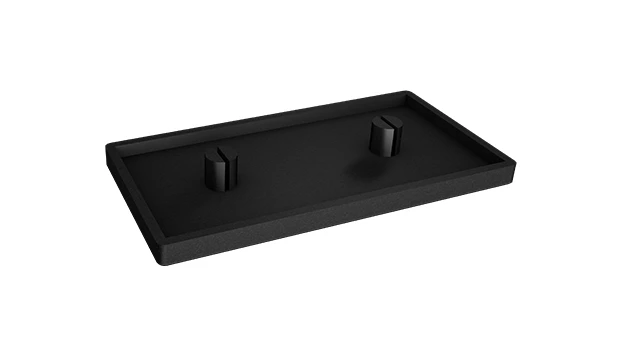
4080 Aluminum Profile End Cap
The aluminum profile end cap adds a finishing touch to your project and closes off profile ends to limit dust and debris buildup, also it can avaid some scratch for material and labor during the assemble work.
Let's start with a familiar scenario: You've just invested in a set of sleek aluminum extrusion profiles to build an outdoor workbench for your backyard workshop. The profiles are sturdy, lightweight, and perfectly suited for the elements—or so you think. A few months later, you notice something off: the ends of the profiles look ragged, with cracks around the edges, and the plastic caps you added to cover those ends are starting to fade and split. What went wrong? Chances are, those end caps weren't built to stand up to the sun's unforgiving UV rays. Today, we're diving into a small but mighty component that solves this problem: 4080 aluminum profile end caps, specifically designed with UV resistance for outdoor use. These unassuming accessories play a huge role in protecting your aluminum structures, and by the end of this article, you'll understand why they're non-negotiable for any outdoor project.
What Are 4080 Aluminum Profile End Caps, Anyway?
First things first: Let's get clear on what we're talking about. Aluminum extrusion profiles are those versatile, groove-lined beams you see in everything from industrial workbenches to DIY shelving. The "4080" in 4080 aluminum extrusion profile refers to its dimensions—typically 40mm in width and 80mm in height, though exact measurements can vary slightly by manufacturer. These profiles are prized for their strength-to-weight ratio, corrosion resistance, and adaptability, thanks to the T-slots that let you attach accessories like brackets, panels, and yes, end caps.
Now, imagine the end of that 4080 profile: a raw, open cross-section with sharp edges and exposed internal spaces. That's where 4080 aluminum profile end caps come in. They're like the "caps" on a marker—small, simple, but essential. Made from durable materials like high-grade plastic or rubber, they snap or press into the open ends of the profile, serving three key purposes:
- Safety: No more sharp edges to catch clothes, skin, or tools. If you've ever brushed against an uncovered aluminum profile end, you know how surprisingly painful that can be—end caps eliminate that risk entirely.
- Protection: They seal off the internal channels of the profile, blocking dirt, rainwater, leaves, and even small critters from getting inside. Over time, debris buildup can cause corrosion (yes, even in aluminum) or weaken the structure, so this is a big one.
- Aesthetics: Let's be honest—raw profile ends look unfinished. End caps give your project a polished, professional look, whether it's a garden tool rack or a commercial outdoor display.
But not all end caps are created equal. When you're using 4080 profiles outdoors, standard end caps—those made without UV protection—can fail surprisingly quickly. That's where UV-resistant versions step in, and their importance can't be overstated.
Why UV Resistance Matters More Than You Think
Let's talk about the sun. It's great for growing plants and keeping us warm, but its ultraviolet (UV) rays are a silent enemy to many materials. Over time, UV radiation breaks down the chemical bonds in plastics and rubbers, leading to a process called "photo-oxidation." The result? Fading, cracking, brittleness, and eventually, total failure. If you've ever left a plastic chair outside for a summer and watched it go from vibrant to chalky and weak, you've seen UV damage in action.
Now, apply that to your aluminum profile end caps. If you use a standard, non-UV-resistant end cap outdoors, here's what happens: Within 6–12 months, the cap starts to fade. Then, tiny cracks appear as the material loses flexibility. Those cracks let water and dirt seep into the profile, defeating the cap's purpose. Eventually, the cap might even crumble or fall off entirely, leaving the profile end exposed again. Suddenly, your "durable" outdoor structure is vulnerable at its weakest points.
UV-resistant 4080 aluminum profile end caps are engineered to fight this. Manufacturers add UV stabilizers to the material mix—compounds that absorb or reflect UV rays, slowing down photo-oxidation. The result? End caps that stay flexible, colorfast, and intact for years, even under direct sunlight. It's a small upgrade that extends the life of your entire aluminum structure, saving you time, money, and frustration down the line.

What Makes a 4080 End Cap "UV Resistant"? The Materials Breakdown
Not all UV-resistant end caps are made the same. The key is in the material and the additives. Let's break down the most common options you'll find, and why they work:
| Material | UV Resistance | Best For | Lifespan (Outdoor) | ||||
|---|---|---|---|---|---|---|---|
| ABS with UV Stabilizers | Excellent | High-exposure areas (rooftops, open gardens) | 5–7 years | ||||
| Polypropylene (PP) with UV Additives | Very Good | Moderate exposure (patio structures, covered porches) | |||||
| Rubber Blends (EPDM or Silicone) | Good to Excellent | Wet environments (poolside, rainy climates) | Standard PVC (No UV Additives) | Poor | Indoor use only |
ABS (Acrylonitrile Butadiene Styrene) is a popular choice for UV-resistant end caps because it's tough, impact-resistant, and takes UV stabilizers well. It's also easy to mold into precise shapes, ensuring a snug fit on 4080 profiles. Polypropylene is a bit more flexible and often more affordable, making it a great middle-ground option for less intense sun exposure. Rubber blends, especially EPDM (ethylene propylene diene monomer) or silicone, are ideal if your structure is near water—they're not just UV-resistant but also highly water-resistant and resistant to mold and mildew.
One thing to watch for: some manufacturers claim "UV resistance" but skimp on stabilizers. To ensure you're getting the real deal, look for end caps that specify "UV-stabilized" or "UV-resistant" in the product description, and check if the manufacturer provides any testing data (like accelerated weathering test results, which simulate years of sun exposure in weeks). Reputable aluminum profile accessories suppliers will be happy to share this info—if a supplier can't, that's a red flag.
Beyond UV Resistance: The Hidden Benefits of Quality End CapsUV resistance is the star feature here, but quality 4080 aluminum profile end caps bring more to the table. Let's unpack some of the bonus perks that make them worth every penny: A Perfect Fit, Every TimeGeneric end caps might be "close enough," but 4080-specific end caps are designed to match the exact dimensions of 4080 aluminum extrusion profiles. That means a tight, secure fit that doesn't wiggle loose over time. No more tape or glue to hold them in place—just a satisfying "snap" when you press them into the end of the profile. This precision also enhances the seal, keeping out more debris and moisture than a ill-fitting cap ever could. Added Sealing Power (With a Little Help from Friends)Some UV-resistant end caps come with a built-in aluminum profile rubber strip along the edges. This soft, flexible strip compresses when the cap is installed, creating an extra-tight seal against the profile. It's like weatherstripping for your aluminum structure—great for areas with heavy rain or high humidity. Even if the end cap itself doesn't have a rubber strip, pairing it with a separate T-slot rubber seal cover (another handy aluminum profile accessory) can boost protection even further. Safety First, AlwaysWe touched on this earlier, but it's worth repeating: uncovered profile ends are sharp. If you have kids, pets, or just clumsy friends (we all do), those sharp edges are an accident waiting to happen. UV-resistant end caps round off those edges, turning a potential hazard into a smooth, safe surface. It's a small detail, but it makes a big difference in how usable and worry-free your outdoor space is. Aesthetic ConsistencyLet's not forget about looks. UV-resistant end caps are available in a range of colors to match or complement your aluminum extrusion profiles—think standard black, white, gray, or even custom hues for branded projects. Faded, cracked end caps stick out like a sore thumb; fresh, colorfast ones keep your structure looking intentional and well-maintained. Whether it's a backyard shed or a commercial outdoor display, first impressions matter, and end caps play a role in that. Real-Life Impact: How UV-Resistant End Caps Saved a Local BusinessLet's ground this in a real story. Last year, I spoke with Maria, the owner of a small café in a sunny coastal town. She'd invested in custom outdoor seating using 4080 aluminum extrusion profiles—sleek, modern, and supposed to withstand the salt air and sun. But after just one summer, the end caps on the tables and benches started to crack and fade. "They looked terrible," she told me. "Customers would comment on the 'broken' tables, and I was replacing end caps every few months. It was costing me time and money, and the tables still looked shabby." Maria's contractor suggested switching to UV-resistant 4080 aluminum profile end caps. Skeptical but desperate, she made the switch. That was three years ago. "I haven't replaced a single end cap since," she said. "They still look brand new, even with the sun beating down on them all day. The tables look polished, customers don't notice any wear, and I've saved so much on replacement parts and labor." For Maria, the small upgrade paid for itself in under a year, not to mention the boost in customer perception. Stories like Maria's aren't rare. Whether it's a home DIY project or a commercial installation, UV-resistant end caps prevent the "death by a thousand cuts" scenario where constant small repairs eat into your budget and patience. They let you set up your outdoor aluminum structure and forget about it—knowing it's protected for the long haul. Installing 4080 UV-Resistant End Caps: It's Easier Than You ThinkYou might be thinking, "This all sounds great, but is installing these end caps complicated?" The short answer: No. In fact, it's one of the easiest parts of working with aluminum extrusion profiles. Here's a quick step-by-step guide:
That's it! No special tools, no adhesives (though some heavy-duty applications might use a small amount of silicone sealant for extra security), just a few seconds per end cap. Even if you're new to working with aluminum extrusion profiles, you can handle this installation with confidence. Choosing the Right Supplier: What to Look ForNow that you're sold on UV-resistant 4080 end caps, how do you find a reliable supplier? Not all aluminum profile accessories suppliers are created equal, and cutting corners here can lead to subpar products. Here are a few tips to help you choose:
Don't be afraid to reach out and ask questions. A quick email or call to the supplier can tell you a lot about their expertise. For example: "Do your 4080 end caps contain UV stabilizers? What's the expected outdoor lifespan?" A knowledgeable rep will have clear answers. Final Thoughts: Small Accessory, Big DifferenceWhen you're planning an outdoor project with aluminum extrusion profiles, it's easy to focus on the big-ticket items: the profiles themselves, the brackets, the workbench tops. But the little things—like end caps—often determine how well that project holds up over time. UV-resistant 4080 aluminum profile end caps are a perfect example of this: a small, affordable accessory that protects your investment, enhances safety, and keeps your structure looking great for years. Whether you're building a backyard workshop, a commercial outdoor display, or anything in between, don't overlook the ends of your profiles. Choose UV-resistant end caps made from quality materials, sourced from a reputable aluminum profile accessories supplier, and you'll be rewarded with a structure that stands strong against the sun, rain, and time. After all, the best projects are the ones that last—and it all starts with the details. So, the next time you're poring over aluminum extrusion profile specs or debating accessories, remember: the right end caps aren't an afterthought. They're the unsung heroes that keep your project protected, polished, and ready for whatever the outdoors throw at it. And isn't that worth a little extra attention? |
