- Company Articles
- Products and Technology
- Product knowledge
- 4080 vs 2020 Aluminum Profile End Caps: Key Differences Explained

4080 vs 2020 Aluminum Profile End Caps: Key Differences Explained
Related Product
2020 Aluminum Profile End Cap
The aluminum profile end cap adds a finishing touch to your project and closes off profile ends to limit dust and debris buildup, also it can avaid some scratch for material and labor during the assemble work.
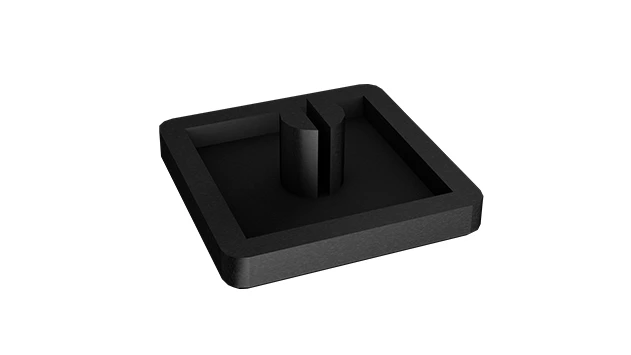
Understanding the nuances of these essential aluminum profile accessories for your next project
Introduction: The Unsung Heroes of Aluminum Extrusion Profiles
If you've ever walked through a manufacturing plant, set up a workshop, or even assembled a DIY project, you've probably encountered aluminum extrusion profiles. These versatile, T-slot-based structures are the backbone of everything from workbenches and flow racks to conveyor systems and lean manufacturing setups. But while the profiles themselves get most of the attention—with their sleek design and modularity—there's a small but critical component that often flies under the radar: the aluminum profile end cap.
End caps are exactly what they sound like: simple covers that fit over the exposed ends of aluminum profiles. They might seem trivial, but their role is far from minor. Think about it: without them, those sharp, raw edges of cut aluminum could scratch hands, catch on clothing, or accumulate dust and debris—all of which can slow down workflows or even create safety hazards. For anyone building or maintaining a lean system, choosing the right end cap isn't just about aesthetics; it's about functionality, safety, and longevity.
In the world of aluminum profiles, two sizes stand out as workhorses: 4080 and 2020. These numbers refer to the profile's cross-sectional dimensions—40mm x 80mm for the 4080, and 20mm x 20mm for the 2020. While the profiles themselves differ dramatically in size and strength, their end caps are equally distinct. In this article, we'll dive deep into the key differences between 4080 and 2020 aluminum profile end caps, helping you decide which is right for your project. Whether you're a small business owner setting up a production assemble line, a lean system supplier sourcing parts for a client, or a hobbyist building a custom workstation, understanding these differences will save you time, money, and headaches down the line.
Size & Dimensions: It All Starts with the Profile
Let's start with the most obvious difference: size. Aluminum extrusion profiles are named for their width and height (in millimeters), and end caps are designed to match these dimensions precisely. A 4080 aluminum profile, for example, measures 40mm in width and 80mm in height—making it a larger, sturdier option ideal for heavy-duty applications. The 2020 profile, by contrast, is a compact 20mm x 20mm square, built for lighter loads and tighter spaces.
This size difference directly impacts the end caps. A 4080 end cap must be wide enough to cover the 40mm width and tall enough to span the 80mm height of the profile's open end. Most 4080 end caps are rectangular, with internal dimensions that mirror the profile's outer dimensions (since they're designed to snap or fit over the end). They're also thicker—often 2-3mm in wall thickness—to withstand the heavier use that 4080 profiles typically endure.
On the flip side, 2020 end caps are small and square, with internal dimensions of roughly 20mm x 20mm. Their wall thickness is usually thinner—around 1-1.5mm—since the 2020 profile itself carries less weight. This doesn't make them "weaker," per se; it's just that they don't need the same ruggedness as their 4080 counterparts. For example, a 2020 end cap on a small turnover trolley might only need to protect against occasional bumps, whereas a 4080 end cap on a material rack in a factory could face daily impacts from heavy tools or parts.
Precision is key here. A mismatched end cap—say, a 2020 cap on a 4080 profile—will either fall off or leave gaps, defeating the purpose of protection. That's why aluminum profile suppliers almost always sell end caps alongside their profiles, ensuring a perfect fit. When shopping, double-check the product specs: a 4080 end cap should explicitly state compatibility with 4080 aluminum extrusion profiles, just as a 2020 cap will specify 2020 profiles.

Material & Durability: More Than Just Plastic
At first glance, most aluminum profile end caps look like simple plastic plugs—and many are. But not all plastics are created equal, and some end caps use more durable materials to meet specific needs. Let's break down the common materials for 4080 and 2020 end caps, and how they affect performance.
Plastic (PVC, Nylon, or Polypropylene): The most common material for end caps, plastic is lightweight, affordable, and easy to mold into precise shapes. For 2020 end caps, basic PVC is often sufficient. These caps are flexible enough to snap onto the profile (thanks to small tabs or friction fits) and durable enough for light to moderate use—think a home workshop workbench or a small storage rack. Nylon or polypropylene may be used for 2020 caps in slightly harsher environments, as they offer better chemical resistance than PVC.
For 4080 end caps, plastic is still popular, but manufacturers often step up the quality. You'll see thicker walls (as mentioned earlier) and higher-grade plastics like ABS (acrylonitrile butadiene styrene), which is impact-resistant and heat-tolerant. Why? Because 4080 profiles are often used in industrial settings—production lines, warehouses, or lean system setups where the end caps might be bumped by forklifts, hit by tools, or exposed to oils and solvents. A cheap PVC cap here would crack or degrade quickly, whereas ABS can stand up to these stresses.
Aluminum: In rare cases, you might encounter aluminum end caps. These are less common but useful for specialized applications. For example, if a 4080 profile is part of a cleanroom setup (like in electronics manufacturing), aluminum end caps can be easily sanitized and won't shed plastic particles. They're also more heat-resistant, making them a good fit for environments with high temperatures, such as near ovens or welding stations. Aluminum end caps are heavier and pricier than plastic, so they're usually reserved for 4080 profiles where durability is non-negotiable.
So, how do you choose? For most users, plastic end caps will work. If you're using a 2020 profile in a low-stress environment, basic PVC is fine. For 4080 profiles—or 2020 profiles in industrial settings—opt for ABS or nylon. And if you need something ultra-durable or sterile, aluminum is the way to go.

Installation & Compatibility: Snap, Glue, or Screw?
Installing an end cap should be straightforward, but the method depends on the cap's design and the profile's intended use. Let's compare how 4080 and 2020 end caps are typically installed, and why compatibility matters beyond just size.
Snap-Fit (Friction Fit): The most user-friendly installation method, snap-fit end caps have small, flexible tabs or a slightly tapered design that allows them to "snap" into the profile's end. Once in place, friction holds them securely. This is the go-to for 2020 end caps—since the profiles are small and lightweight, a snap-fit is more than enough to keep the cap in place. Even for 4080 end caps, snap-fit is common for quick, temporary setups or applications where the cap might need to be removed (e.g., accessing the inside of the profile for wiring).
Adhesive-Backed: For permanent installations, some end caps come with adhesive strips (like double-sided tape) on their inner surface. You peel off the backing, align the cap with the profile end, and press firmly. This is popular for 4080 end caps in high-vibration environments—think a conveyor system or a material rack that's moved frequently. The adhesive ensures the cap won't vibrate loose over time. Note: Adhesive-backed caps are harder to remove, so they're best for setups you don't plan to reconfigure.
Mechanical Fastening: In heavy-duty industrial settings, end caps might be secured with screws. These caps have pre-drilled holes that align with the T-slots on the aluminum profile. You insert a screw through the cap and into a T-slot nut inside the profile, tightening it for a rock-solid hold. This is rare for 2020 profiles (overkill for their load capacity) but not unheard of for 4080 profiles in critical applications, like safety barriers or structural supports.
Compatibility isn't just about size—it's also about the profile's "series." For example, EU standard aluminum profiles (like the 4080A or 4080B mentioned in the keywords) might have slightly different T-slot positions or edge radii than national standard profiles. A 4080 end cap designed for an EU standard profile might not fit a national standard 4080 profile perfectly, even if the width and height are the same. Always check with your aluminum profile supplier to ensure the end cap matches your profile's series.
Typical Applications: When to Choose 4080 vs. 2020 End Caps
To really understand the difference between 4080 and 2020 end caps, let's look at their real-world applications. Where do these caps shine, and how do their features align with the needs of those applications?
4080 End Caps: Heavy-Duty Workhorses
4080 profiles are the "big brothers" of the aluminum extrusion world, so their end caps are built to match. Here are some common scenarios where you'll find 4080 end caps:
- Industrial Workbenches: A production assemble line workbench (like "Workbench E (single deck-without caster)" from the keywords) often uses 4080 profiles for its frame. These workbenches hold heavy tools, machinery, or batches of parts, so the end caps need to withstand daily use and occasional impacts. ABS plastic or adhesive-backed 4080 end caps are ideal here.
- Material Racks: A "Material Rack B (3 row and 3 floor)" (another keyword) might use 4080 profiles for its uprights and beams. These racks store heavy materials like metal sheets or large components, so the end caps must be durable enough to resist scratches from loading/unloading.
- Lean System Setups: Lean system suppliers often recommend 4080 profiles for structures like flow racks or conveyor supports. In a lean manufacturing environment, downtime is costly, so end caps that don't crack or fall off (even with constant use) are a must.
2020 End Caps: Compact and Versatile
2020 profiles are the "little sisters," perfect for lighter, more compact projects. Their end caps are just as versatile:
- Small Turnover Trolleys: A "hand trolley A" or "turnover trolley" (keywords) might use 2020 profiles for its frame. These trolleys carry small parts or tools around a workshop, so the end caps need to be lightweight and easy to install—snap-fit PVC caps work great here.
- Storage Shelving: Home or office storage racks often use 2020 profiles for their shelves. The end caps here are mostly for safety (no sharp edges) and aesthetics, so basic plastic caps are sufficient.
- DIY Projects: Hobbyists love 2020 profiles for custom builds—think a 3D printer enclosure or a small tool organizer. Snap-fit 2020 end caps are affordable and easy to work with, making them perfect for weekend projects.
Cost Considerations: Getting the Most Bang for Your Buck
Let's talk about money. End caps are a small expense compared to the aluminum profiles themselves, but costs add up—especially if you're buying in bulk for a large project. Here's how 4080 and 2020 end caps compare in price, and how to decide where to splurge or save.
On average, 2020 end caps are cheaper than 4080 end caps. Basic plastic 2020 caps can cost as little as $0.50–$1 each, even in small quantities. This makes sense: they're smaller, use less material, and are mass-produced for lightweight applications. For a DIY project or a small workshop, you could buy a pack of 100 2020 end caps for under $50—hardly a budget-buster.
4080 end caps, by contrast, range from $1–$5 each, depending on material and installation type. A basic plastic snap-fit 4080 cap might be $1–$2, while an adhesive-backed ABS cap could be $3–$4, and an aluminum cap could hit $5 or more. For a large industrial project—say, a lean system with 50+ 4080 profiles—this adds up. But remember: investing in durable 4080 end caps now can save you money later. A cracked cap that needs replacing every month is more costly in the long run than a $4 ABS cap that lasts for years.
Here's a pro tip: Buy end caps in bulk from your aluminum profile supplier. Many suppliers offer discounts for large orders, and buying from the same source ensures compatibility. For example, if you're ordering 4080 profiles for a material rack, add the matching end caps to your cart—you'll save on shipping and avoid the hassle of hunting for compatible caps later.
Key Differences at a Glance: The Comparison Table
| Feature | 4080 Aluminum Profile End Cap | 2020 Aluminum Profile End Cap |
|---|---|---|
| Size | ~40mm (width) x 80mm (height); rectangular | ~20mm x 20mm; square |
| Common Materials | ABS plastic, adhesive-backed plastic, aluminum (rare) | PVC, nylon, polypropylene |
| Installation Types | Snap-fit, adhesive-backed, mechanical (screws) | Snap-fit (most common), adhesive-backed (rare) |
| Typical Applications | Industrial workbenches, material racks, lean system supports | Small trolleys, storage shelving, DIY projects |
| Price Range (per unit) | $1–$5 | $0.50–$1 |
Conclusion: Choosing the Right End Cap for Your Project
At the end of the day, 4080 and 2020 aluminum profile end caps are two sides of the same coin: small components with a big impact on safety, functionality, and longevity. The choice between them comes down to your profile size, application, and environment.
If you're working with 4080 aluminum extrusion profiles—building a heavy-duty workbench, a material rack, or a lean system for industrial use—opt for durable end caps. ABS plastic or adhesive-backed options are worth the investment to avoid frequent replacements. For 2020 profiles—small trolleys, DIY projects, or lightweight shelving—basic plastic snap-fit caps will do the job at a fraction of the cost.
And remember: compatibility is key. Always buy end caps from the same aluminum profile supplier as your profiles, and double-check the specs to ensure a perfect fit. A few extra minutes of research now will save you from frustrating, ill-fitting caps later.
Whether you're a seasoned manufacturer or a first-time DIYer, the right end caps will keep your aluminum profile projects safe, clean, and running smoothly for years to come. After all, in the world of lean systems and aluminum extrusion profiles, it's the small details that make the biggest difference.