- Company Articles
- Products and Technology
- Product knowledge
- 4080B EU Standard Aluminum Profile for Exhibition Booths: Quick Assembly & Reusability

4080B EU Standard Aluminum Profile for Exhibition Booths: Quick Assembly & Reusability
Related Product
4080B EU Standard Aluminum Profile
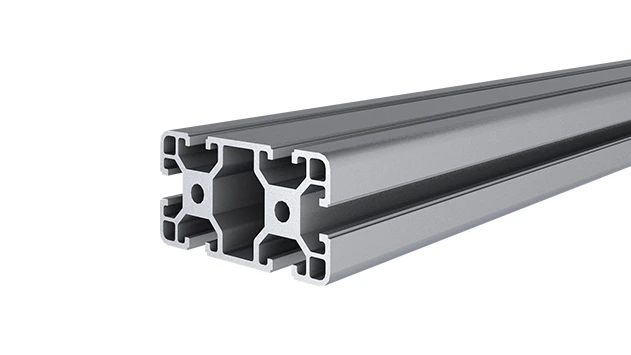
4080B is a 4.00x8.00 CM fractional 40 series square extrusion T-slot profile with two side open T-slots, each side with 4.00cm face, two side with 8.00cm face. The profile has align-a-grooves to assist in aligning connecting profiles.
Let's be honest—exhibition booth setup can feel like solving a Rubik's Cube while racing against the clock. You've got a team of two, a truck full of materials, and just 12 hours to transform a blank space into a brand showcase that wows attendees. Wood panels crack, steel frames weigh a ton, and by the time you're done, you're already dreading teardown. What if there was a way to cut setup time in half, reuse your booth components for years, and still keep that polished, professional look? Enter the 4080B EU Standard Aluminum Profile—a game-changer for anyone tired of the chaos of traditional exhibition builds.
What Even Is the 4080B EU Standard Aluminum Profile?
First things first: Let's break down the name. "4080B" refers to the profile's dimensions—40mm in width and 80mm in height—with "B" indicating a specific groove design (more on that later). "EU Standard" means it meets strict European quality and safety regulations, so you won't have to worry about flimsy materials or compatibility issues with other EU-standard components. And "aluminum extrusion profile"? That's just a fancy way of saying it's made by pushing molten aluminum through a die to create a consistent, strong shape—think of it like squeezing toothpaste, but way more precise and durable.
But here's what really sets it apart: the T-slot design. Run your finger along the length of the profile, and you'll notice evenly spaced grooves (the "T-slots") that run parallel to each other. These slots are like the profile's secret superpower. Instead of drilling holes or welding pieces together, you can slide in bolts, brackets, or accessories, tighten a screw, and boom—secure connection. No special tools, no messy adhesives, no frustrated sighs when a drill bit slips.
Made from high-grade aluminum alloy (typically 6063-T5, if you're into specs), this profile hits that sweet spot between strength and weight. A 1-meter length weighs just 2.5kg—light enough for one person to carry, but strong enough to support shelves, signage, and even small displays without bending. And because it's aluminum, it's naturally resistant to rust and corrosion, so even if your booth gets rained on during outdoor events (we've all been there), it won't turn into a rusty mess by next season.
Why Traditional Booth Materials Are Letting You Down
Before we dive into why 4080B is a revelation, let's talk about the old guard. Wood, steel, and plastic have been exhibition staples for decades, but they come with a laundry list of headaches:
- Wood: It looks nice, but it's heavy (a 4x8ft plywood sheet weighs ~25kg), prone to warping in humidity, and once you cut it to size, it's almost impossible to repurpose for a different booth design. Plus, screws and nails leave permanent holes—good luck hiding those if you want a clean look next time.
- Steel: Strong? Sure. But have you tried lifting a steel frame? A 10ft steel tube can weigh 15kg or more, turning setup into a two-person job. Welding is often required, which means hiring a pro or hauling a generator. And let's not forget rust—even with paint, it's a ticking time bomb.
- Plastic: Lightweight, but flimsy. It bends under minimal weight, fades in sunlight, and scratches easily. Great for temporary signs, terrible for anything structural.
Then there's the cost. A wooden booth might cost $500 to build, but if you use it once and toss it (because it's too beat up or the design changed), that's $500 per event. Steel is even pricier upfront, and repairs add up fast. And let's not ignore the environmental impact—exhibitions generate tons of waste each year, with most booth materials ending up in landfills. If your brand prides itself on sustainability, this is a problem.
| Material | Weight (per meter) | Assembly Time (10m frame) | Reusability | Long-Term Cost | Customization Ease |
|---|---|---|---|---|---|
| Wood | 8-10kg | 4+ hours (cutting, screwing) | Low (permanent cuts/holes) | High (replaced yearly) | Medium (needs tools, limited adjustments) |
| Steel | 12-15kg | 6+ hours (welding, bolting) | Medium (heavy, hard to modify) | High (initial cost + repairs) | Low (requires welding/heavy tools) |
| Plastic | 1-2kg | 2 hours (snapping, gluing) | Low (easily damaged) | High (replaced every 2-3 events) | High (but limited structural use) |
| 4080B Aluminum Extrusion Profile | 2.5kg | 1 hour (tool-free connections) | High (reusable for years, modular) | Low (one-time cost, endless reuse) | Very High (mix/match accessories, no tools) |
See that last row? That's 4080B. It's not just a material upgrade—it's a workflow upgrade. Let's talk about how it slashes setup time first.

Quick Assembly: From Truck to Booth in Under 4 Hours
Here's the magic of 4080B: it's designed for speed . No saws, no welders, no 10-page instruction manuals. Just you, a few basic tools (or even no tools), and a stack of profiles and accessories. Let's walk through a typical setup for a 3x3m booth to see how it works:
- Frame first: Start with the vertical supports. Slide 90° aluminum profile connectors into the T-slots of your vertical 4080B profiles, then attach horizontal profiles to form the booth's skeleton. Tighten the connector screws with a hex key (most kits come with one), and you've got a square frame in 15 minutes. No measuring twice—since the connectors lock into the T-slots, everything stays aligned.
- Add shelves and surfaces: Need a display shelf? Grab an aluminum profile accessories like a gusset alp 4040 (a triangular bracket) to reinforce the corners, then slide a plywood or aluminum panel onto the brackets. The T-slots let you adjust the shelf height in seconds—no drilling new holes if you decide to raise it later.
- Signage and lighting: Hungry for that eye-catching backlit sign? Use T-slot nuts to mount LED light strips directly onto the profiles. The slots also work with cable management clips, so you can hide messy wires instead of taping them to the floor (we see you, duct tape warriors).
- Finishing touches: Snap on 4080 aluminum profile end caps to cover sharp edges (safety first!), and add rubber seal strips to the T-slots for a clean, polished look. Done. Total time? Under 4 hours for a full booth, even with a small team.
Pro Tip:
Pre-assemble "modules" before the event. Build a shelf unit or sign frame in your workshop, then disassemble it into flat-packed pieces. At the venue, you'll just need to connect the modules instead of starting from scratch. We've seen teams cut setup time by 30% this way!
Compare that to a wooden booth, where you'd spend hours cutting panels, pre-drilling holes, and screwing everything together—only to realize the shelf is crooked and you need to start over. With 4080B, adjustments are easy: loosen a screw, slide a connector, retighten. No stress, no wasted materials.
Reusability: The Gift That Keeps on Giving (to Your Budget)
Let's talk about the elephant in the room: cost. A 4080B profile isn't the cheapest option upfront—a 1-meter length costs ~$30, compared to $10 for a wooden 2x4. But here's the kicker: you'll reuse it over and over . Let's do the math:
Say you exhibit 4 times a year. A wooden booth costs $500 per event (materials + labor). That's $2,000 a year. A 4080B booth might cost $1,500 upfront (profiles, accessories, panels), but you can reuse 90% of it for 5+ years. After year one, you're already saving $500. By year three? You've saved $4,500. That's money you can pour into better signage, giveaways, or that fancy coffee machine for your booth (priorities, right?).
But reusability isn't just about cost—it's about flexibility. Your booth design for a tech conference might be sleek and minimalist, while a trade show needs to be bright and bustling. With 4080B, you don't need two separate booths. Disassemble the tech conference setup, rearrange the profiles, and add new accessories (like extra shelves or a demo counter) for the trade show. It's like having a modular building set for adults.
And when you're done with an event, teardown is a breeze. Unscrew the connectors, stack the profiles (they nest together to save space), and toss them in a storage bin. No splinters, no bent steel, no broken plastic. We've heard from exhibitors who've used the same 4080B profiles for 7 years—they just replace a few worn accessories (like end caps or brackets) and it's good as new.
Aluminum Profile Accessories: The Secret Sauce to Customization
4080B is great on its own, but it's the aluminum profile accessories that turn it into a Swiss Army knife for booth design. Let's meet the all-stars:
- Connectors: 90° aluminum profile connectors, 45° connectors, and even 135° connectors for angled corners—these are the backbone of any setup. Look for internal rotatary aluminum joints if you need parts that swivel (hello, adjustable display arms).
- Brackets and gussets: Gusset alp 4040 brackets add strength to corners, while L-brackets let you mount profiles perpendicular to each other. Want a floating shelf? Use a cantilever bracket that slides into the T-slot.
- End caps and covers: 4080 aluminum profile end caps protect fingers from sharp edges and give your booth a finished look. T-slot rubber seal covers hide unsightly slots if you're not using them, turning industrial aluminum into something sleek.
- Wheels and casters: Need a mobile display cart? Add stem casters to the bottom of your 4080B frame. Lockable casters keep it steady during the event, then unlock and roll it to storage when you're done.
- Panels and surfaces: While the profiles are the structure, accessories like aluminum honeycomb panels (lightweight, strong) or acrylic sheets (for that modern vibe) turn your frame into a functional booth. Most panels are pre-cut to fit 4080B dimensions, so you don't have to DIY.
The best part? These accessories are universal across EU standard profiles. So if you later add a 3030 or 2020 profile to your collection (smaller sizes for lighter tasks), you can use the same connectors and brackets. No more buying proprietary parts that only work with one brand.
Real Talk: A Case Study in Exhibition Sanity
Still on the fence? Let's hear from Sarah, an exhibition manager at a mid-sized electronics company. For years, her team used wooden booths for 6 events a year, and she was tired of the grind:
"We'd spend 2 days building a booth, and by the third event, the wood was chipping, the paint was peeling, and we were basically rebuilding it from scratch. Setup required 4 people, and we always went over budget on materials. Then we tried 4080B last year. Our first setup took 3 hours with 2 people—we finished so early, we had time to get coffee before the doors opened! We reused the same profiles for all 6 events, just swapping out graphics and rearranging the layout. We saved $8,000 in material costs alone, and my team no longer dreads setup day. It's been a game-changer."
Sarah's story isn't unique. From startups to Fortune 500 companies, exhibitors are ditching the old ways for 4080B. It's not just about the money—it's about reducing stress, increasing flexibility, and finally feeling proud of your booth instead of crossing your fingers it holds together.
Why EU Standard Matters (Spoiler: It's Not Just Red Tape)
You might be thinking, "Why does it need to be EU Standard? Can't I just buy cheap aluminum profiles from anywhere?" Here's the thing: EU standards (like EN 755-9, which covers aluminum extrusions) ensure consistent quality, safety, and compatibility. A non-standard profile might have slightly off dimensions, making it impossible to use with EU-standard accessories. Or it could be made from low-grade aluminum that bends under light loads—great for saving $5 now, terrible when your shelf collapses mid-event.
EU standards also mandate testing for things like load capacity and corrosion resistance. That 4080B profile you're eyeing? It's been tested to support 50kg per linear meter without permanent deformation. A no-name profile? Who knows—it might buckle at 30kg. When you're displaying expensive products or signage, you can't afford that risk.
Plus, EU-standard profiles are widely available from reputable suppliers, so you won't get stuck if you need replacement parts in a hurry. No more waiting 6 weeks for a custom connector from overseas—your local supplier will have what you need in stock.
Tips for Getting Started with 4080B
Ready to make the switch? Here's how to hit the ground running:
Start Small:
Don't overhaul your entire booth setup at once. Try a small project first—a display shelf or a portable demo counter. Get comfortable with the profiles and accessories, then scale up.
Invest in Quality Accessories:
Cheap connectors or brackets can ruin the experience. Stick with reputable brands for aluminum profile accessories—they'll last longer and fit better.
Label Everything:
After teardown, label your profiles and connectors (e.g., "vertical left front") so you're not guessing during setup. A little organization goes a long way.
Plan for Storage:
Aluminum profiles are durable, but they scratch. Store them in padded bins or racks to keep them looking new. A $50 storage bin is worth it to protect your $1,500 investment.
Final Thoughts: Your Booth Deserves Better
Exhibition season shouldn't be a source of stress—it should be a chance to showcase your brand with confidence. The 4080B EU Standard Aluminum Profile isn't just a material; it's a tool that lets you build better booths faster, reuse them endlessly, and finally stop dreading setup day.
With its quick assembly, reusability, and endless customization options (thanks to aluminum extrusion profile and aluminum profile accessories), it's no wonder exhibitors are making the switch. So why keep struggling with wood, steel, or plastic? Give 4080B a try—your back, your budget, and your booth will thank you.
Now go out there and build something amazing.