- Company Articles
- Products and Technology
- Product knowledge
- 4080B EU Standard Aluminum Profile Turnover Carts: Design & Mobility Benefits

4080B EU Standard Aluminum Profile Turnover Carts: Design & Mobility Benefits
Related Product
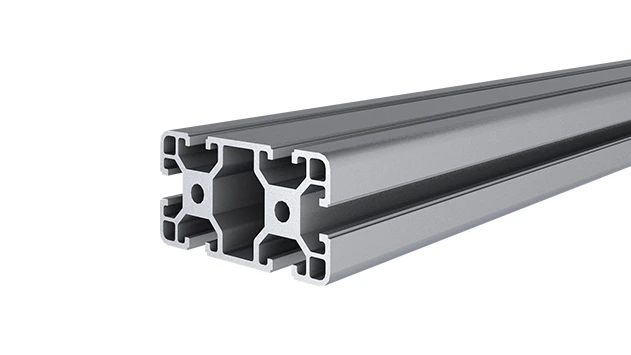
4080B EU Standard Aluminum Profile
4080B is a 4.00x8.00 CM fractional 40 series square extrusion T-slot profile with two side open T-slots, each side with 4.00cm face, two side with 8.00cm face. The profile has align-a-grooves to assist in aligning connecting profiles.
In the fast-paced world of manufacturing, warehousing, and logistics, every second counts. Material handling—moving parts, components, and finished goods from point A to B—often feels like the unsung hero of operational efficiency. A clunky cart, a wobbly shelf, or a stiff wheel can turn a simple task into a frustrating, time-consuming chore. That's where the right equipment makes all the difference. Today, we're diving into a tool that's quietly revolutionizing how teams handle materials: the 4080B EU Standard Aluminum Profile Turnover Cart. More than just a "cart," it's a blend of smart design, durable materials, and smooth mobility that transforms workflows from cumbersome to seamless. Let's unpack why this cart has become a go-to for businesses aiming to streamline operations, reduce strain on workers, and boost productivity.
1. The Backbone: Understanding 4080B EU Standard Aluminum Profile
Before we get into the cart itself, let's talk about the star of the show: the 4080B EU Standard Aluminum Profile. If you're not familiar with aluminum profiles, think of them as the building blocks of modern industrial furniture and equipment. These are extruded aluminum bars with a specific cross-section, designed to be strong, lightweight, and endlessly customizable. The "4080B" in the name tells us its dimensions: 40mm in width and 80mm in height. The "EU Standard" tag ensures it meets strict European norms for quality, safety, and consistency—no cutting corners here.
What makes this profile special? It starts with the manufacturing process: aluminum extrusion profile . Extrusion involves heating aluminum billets and forcing them through a die to create the desired shape. This method results in a uniform, high-strength structure with precise dimensions. For the 4080B, that means a profile that's rigid enough to support heavy loads but light enough to keep the cart maneuverable. Unlike steel, aluminum resists corrosion, so even in damp warehouses or factories with chemical exposure, it won't rust or degrade over time. And let's not forget weight: aluminum is about one-third the density of steel, which translates to a cart that's easy to push, even when fully loaded.
But the real magic lies in its design: T-slots. Run your finger along the length of the 4080B profile, and you'll notice grooves (T-slots) along its edges. These slots aren't just for show—they're the reason this profile is so versatile. They let you attach accessories—shelves, handles, dividers, or even wheels—without drilling holes or welding. A simple bolt, nut, or bracket slides into the slot, tightens, and stays put. This modularity is a game-changer for customization, which we'll explore more later.
2. Design Features That Make the 4080B Turnover Cart Stand Out
A turnover cart is only as good as its design. The 4080B cart doesn't just tick boxes—it reimagines what a cart can be. Let's break down its key design features and why they matter in real-world use.
Modularity: Build It Your Way
One of the biggest frustrations with generic carts is their "one-size-fits-all" approach. A cart that works for storing small electronics might be useless for bulky automotive parts. The 4080B cart solves this with modularity, thanks to its aluminum profile frame. Want a second shelf? Slide shelf brackets into the T-slots and secure them—no tools needed. Need dividers to separate different components? Add aluminum or plastic partitions. Even handles can be adjusted: raise them for taller workers, lower them for tighter spaces. This flexibility means the cart grows with your needs. A startup might use it as a simple two-shelf cart today, then add tool hooks, label holders, or side rails tomorrow as their operations expand.
Strength Without the Bulk
When it comes to material handling, load capacity is non-negotiable. A cart that bends under 50kg is worse than useless—it's a safety hazard. The 4080B profile, with its thick walls and reinforced structure, is built to handle heavy loads. Most 4080B turnover carts can carry 200-300kg without breaking a sweat, depending on the design. That's enough for stacks of circuit boards, boxes of mechanical parts, or even small appliances. And because the aluminum frame is rigid, there's no annoying "wobble" when moving uneven loads. Workers don't have to slow down to steady the cart—they can focus on getting the job done.
Ergonomics: Designed for People, Not Just Products
A cart might be strong and modular, but if it's a pain to use, workers will avoid it. The 4080B cart prioritizes ergonomics, starting with height. Most models sit at waist height (around 80-90cm), so workers don't have to bend over to load or unload items—say goodbye to strained backs and sore knees. The handles are another thoughtful touch: usually made of rubber or foam, they're comfortable to grip, even during long shifts. Some carts even have adjustable handle heights, ensuring a perfect fit for every team member, from the shortest to the tallest. It's the little things, like a handle that doesn't dig into your palm or a shelf edge that's rounded (no sharp corners to snag clothing), that turn a "tool" into a "tool you actually enjoy using."

2. Mobility: Glide Through Spaces, Even Tight Ones
What good is a well-designed cart if it's hard to move? Mobility is where the 4080B turnover cart truly shines. Let's talk about the unsung heroes here: the caster wheels . These small but mighty components determine whether moving the cart feels like pushing a cloud or a boulder.
Most 4080B carts come with 4-6 caster wheels, typically 100-125mm in diameter. Why that size? Larger wheels roll over small obstacles—like cracks in the floor or loose cables—without jolting the load. But size isn't everything: the quality of the wheel matters too. Many models use polyurethane (PU) wheels, which offer the best of both worlds: grip (so the cart doesn't slip on smooth floors) and quiet operation (no loud "clacking" as you move through the warehouse). For extra control, at least two of the casters are usually lockable. Hit a bump, and the locked wheels keep the cart steady; need to park it at a workstation? Flip the brake, and it stays put—no more chasing a runaway cart down the aisle.
Maneuverability is another win. Thanks to the cart's lightweight aluminum frame and swiveling casters, it can turn on a dime. In tight factory aisles or crowded warehouses, this is a lifesaver. Imagine trying to navigate a steel cart through a 1.5m-wide gap—it's like parallel parking a truck. With the 4080B cart, you can pivot, twist, and glide without slowing down. Workers report spending 20-30% less time moving materials simply because the cart is easier to handle. That adds up to hours saved each week—time better spent on value-adding tasks, not wrestling with equipment.
3. Beyond the Cart: How 4080B Turnover Carts Fit Into Your Ecosystem
The best tools don't work in isolation—they play well with others. The 4080B turnover cart is no exception. It's designed to integrate seamlessly with other equipment, turning a single cart into part of a larger, efficient system. Let's look at a few common pairings:
With Workbenches: A Dynamic Duo
In assembly lines, workbenches are where the magic happens. The 4080B cart acts as a "mobile feeder" for these workbenches. Instead of workers walking back and forth to fetch parts, the cart brings the parts to them. Need screws for the morning shift? Load them onto the cart, roll it to the workbench, and lock the casters. The cart's height matches the workbench, so transferring items is as easy as sliding them across—no lifting required. At the end of the shift, the cart can carry finished products to the next station or storage. It's a simple change, but it cuts down on walking time and keeps workbenches clutter-free.
With Turnover Trolley and Rack Systems
Many warehouses use turnover trolley and rack systems to store and organize materials. The 4080B cart fits perfectly here, too. Its standardized dimensions mean it can slide into rack bays for easy loading/unloading. Some carts even have shelves that align with rack levels, so you can transfer entire layers of goods at once. This is a game-changer for "pick and pack" operations: instead of carrying a heavy box from the rack to the cart, workers can slide the box directly onto the cart's shelf. Faster, safer, and less tiring—everyone wins.
With Conveyors: Bridging the Gaps
In larger facilities, conveyors handle bulk material transport, but they can't reach every corner. The 4080B cart steps in as a "last-mile" solution. Workers unload items from the conveyor onto the cart, then roll them to hard-to-reach areas—like a maintenance station in the back or a quality control desk. The cart's smooth wheels ensure items don't get jostled or damaged during the transfer, keeping product quality high.
4. 4080B vs. The Rest: Why Aluminum Beats Steel, Plastic, and Wood
You might be thinking, "Why not just use a steel cart? Or plastic? Or even wood?" It's a fair question. Let's compare the 4080B aluminum cart with these alternatives to see why it stands out:
| Feature | 4080B Aluminum Cart | Steel Cart | Plastic Cart | Wooden Cart |
|---|---|---|---|---|
| Weight (Empty) | 15-25kg (lightweight, easy to push) | 40-60kg (heavy, tiring to maneuver) | 10-15kg (light, but flimsy) | 25-35kg (heavy, prone to warping) |
| Load Capacity | 200-300kg (strong, rigid frame) | 300-500kg (strong, but overkill for most tasks) | 50-100kg (weak, bends under heavy loads) | 100-150kg (varies, but wood weakens over time) |
| Durability | Corrosion-resistant, no rust, long lifespan (5-10+ years) | Prone to rust, needs painting/coating | Cracks, dents easily; sun exposure fades color | Absorbs moisture, warps, rots over time |
| Customization | High (T-slots let you add shelves, hooks, etc.) | Low (welding/ drilling needed for changes) | Very low (fixed design, hard to modify) | Low (requires tools, permanent changes) |
| Mobility | Excellent (lightweight + smooth casters) | Poor (heavy, hard to push) | Good (light, but wheels often cheap and wobbly) | Poor (heavy, wheels may not be sturdy) |
The table tells the story: aluminum hits the sweet spot between strength, weight, durability, and customization. Steel is strong but overkill for most small to medium loads, and its weight makes it a hassle to move. Plastic is light but too weak for industrial use. Wood is cheap but short-lived. The 4080B aluminum cart? It's the Goldilocks solution—not too heavy, not too weak, just right for most material handling tasks.
5. Real-World Impact: Stories from the Factory Floor
Numbers and specs are great, but nothing beats hearing from teams that use the 4080B cart daily. Let's look at a couple of examples:
Case 1: A Small Electronics Manufacturer
A 50-person electronics factory in Germany was struggling with material handling. Their old steel carts were heavy, so workers avoided using them, preferring to carry parts by hand. This led to frequent trips, tired employees, and even a few dropped components. After switching to 4080B aluminum turnover carts, they noticed a difference immediately. "The carts are so light, even our smallest team members can push them fully loaded," said the operations manager. "We've cut down on walking time by 30%, and we haven't had a single dropped part since. Plus, the T-slots let us add dividers, so we can separate different components on one cart—no more mixing up resistors and capacitors!"
Case 2: A Warehouse for Automotive Parts
A large warehouse in France stores thousands of automotive parts, from small screws to bulky engine components. Their previous plastic carts kept breaking under heavy loads, and wood carts warped in the damp environment. They switched to 4080B carts with lockable casters and extra shelves. "The aluminum doesn't rust, even when we wash the floors," noted the warehouse supervisor. "And the load capacity is a game-changer—we can stack three boxes of brake pads on one cart instead of making three trips. Our team used to spend 2 hours a day just moving parts; now it's 45 minutes. That's time we can use to pick more orders and keep customers happy."
6. Maintenance: Keeping Your Cart in Top Shape
Like any tool, the 4080B cart needs a little love to stay in great condition. The good news? Aluminum is low-maintenance, so upkeep is minimal. Here are a few tips:
- Clean it regularly: Wipe down the frame with a damp cloth to remove dust and grease. For tough stains, use mild soap—no harsh chemicals needed (aluminum is sensitive to strong acids/alkalis).
- Lubricate the casters: Every 3-6 months, add a drop of oil to the caster bearings to keep them rolling smoothly. Stiff wheels are a common complaint with cheap carts, but a little lubrication goes a long way.
- Check the bolts: Over time, the bolts holding the shelves or handles might loosen (thanks to all that rolling). Tighten them with a hex key every few weeks to prevent wobbling.
- replace worn parts: If a caster wheel gets damaged or a shelf bracket bends, replace it! The modular design means you don't need to buy a whole new cart—just swap the part. Most suppliers carry replacement aluminum profile accessories , so parts are easy to find.
7. Choosing the Right 4080B Turnover Cart for Your Needs
Not all 4080B carts are created equal. When shopping, keep these factors in mind:
Load Capacity
Be honest about how much weight you'll need to carry. Most carts list their maximum load (e.g., 250kg), but it's smart to leave a buffer. If you usually move 150kg, a 200kg cart will feel more stable than a 150kg one.
Number of Shelves
Do you need one shelf, two, or more? Some carts have adjustable shelves, so you can change the height between layers. This is handy if you're storing items of different sizes.
Caster Type
Look for polyurethane (PU) wheels for a balance of grip, quietness, and durability. If you work on rough floors (like concrete with cracks), consider larger wheels (125mm instead of 100mm) for smoother rolling.
Accessories
Think about extras: tool hooks, label holders, side rails (to prevent items from falling off), or even a small drawer for tools. Many suppliers let you customize these when ordering.
Conclusion: More Than a Cart—A Catalyst for Better Work
At the end of the day, the 4080B EU Standard Aluminum Profile Turnover Cart is more than just a piece of equipment. It's a tool that respects workers' time and effort, reduces frustration, and lets teams focus on what they do best: creating, building, and delivering. Its design—lightweight yet strong, modular yet user-friendly—addresses the real pain points of material handling. Its mobility turns tight spaces into easy paths, and its durability ensures it will be a reliable partner for years to come.
If you're tired of carts that slow you down, break easily, or just don't fit your needs, it might be time to give the 4080B a try. Whether you're running a small workshop or a large warehouse, this cart has the potential to transform how you handle materials—one smooth roll at a time. After all, in a world where efficiency is king, the right cart isn't a luxury—it's a necessity.