- Company Articles
- Products and Technology
- Solution
- 5S Implementation: Organizing Workspaces with Suction Cup Anti-Slip Foot Adjusters

5S Implementation: Organizing Workspaces with Suction Cup Anti-Slip Foot Adjusters
Related Product
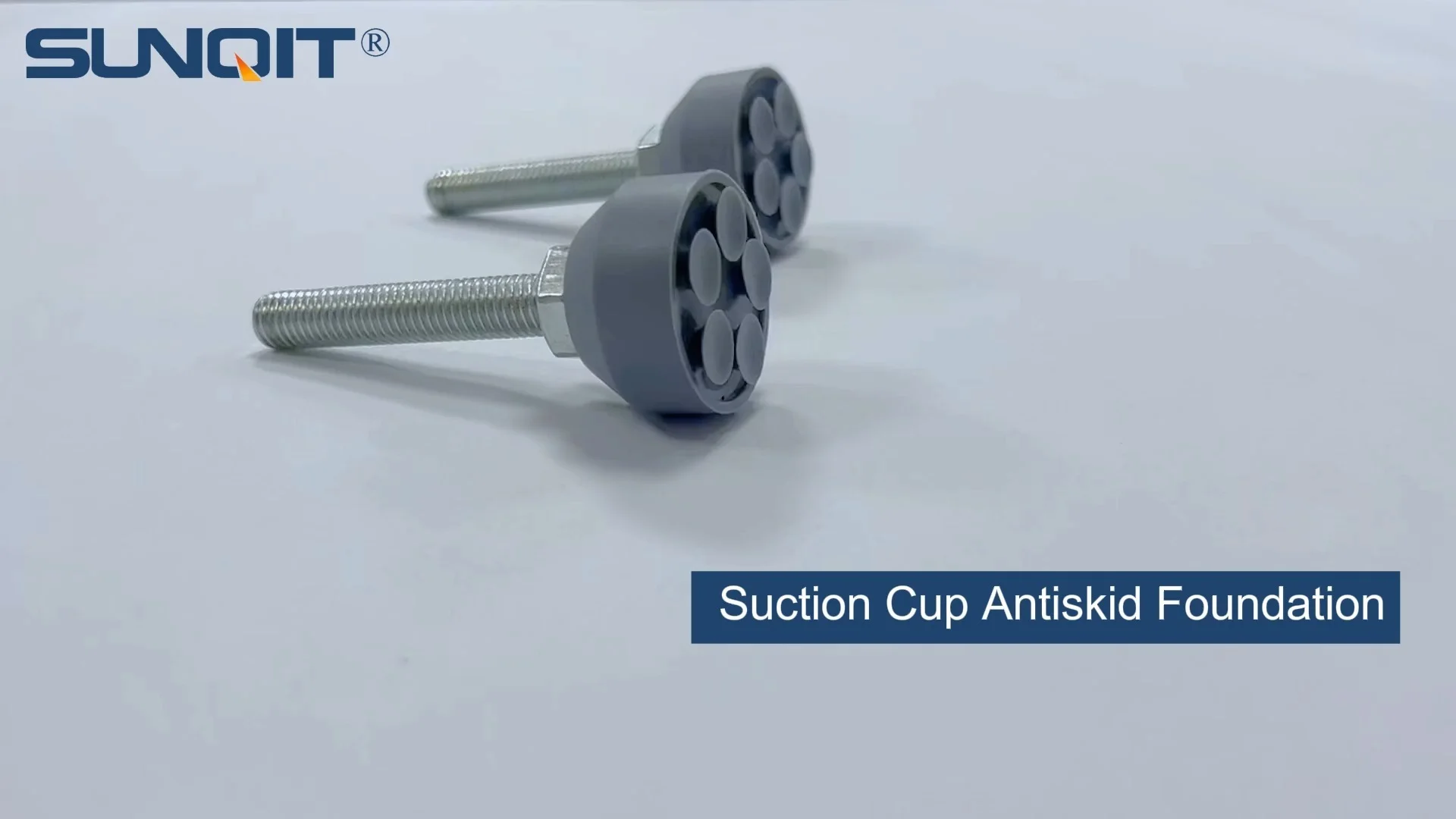
Suction Cup Anti-slip Foot Adjuster
D=35mm suction cup anti-slip foot adjusterï¼screw M10*55ï¼with a blot, used for workbench, flowrack pipe contact with groud.
What is 5S, and Why Does Stability Matter?
Before we jump into the details, let's recap what 5S is all about. Developed in Japan, 5S is a workplace organization method that aims to eliminate waste, reduce errors, and boost productivity by creating a clean, ordered environment. The five phases are:- Sort (Seiri): Remove unnecessary items from the workspace.
- Set in Order (Seiton): Arrange necessary items so they're easy to find and use.
- Shine (Seiso): Clean the workspace regularly to maintain order and spot issues early.
- Standardize (Seiketsu): Create rules and routines to keep the workspace organized.
- Sustain (Shitsuke): Make 5S a habit, ensuring long-term adherence.
Phase 1: Sort – Declutter to Make Space for What Matters
The first step in 5S is Sort, and it's all about ruthless decluttering. Walk through your workspace and ask: "Do we really need this here, right now?" Tools that haven't been used in months, broken equipment, extra parts gathering dust—these are all distractions. They take up physical space, make it harder to find what you do need, and create visual noise that drains focus. But Sort isn't just about throwing things away. It's about being intentional. For example, if you have a workbench cluttered with old manuals, redundant tools, and half-finished projects, start by categorizing items into "Keep," "Relocate," "Repair," and "Discard." A "Keep" item is something used daily—like a wrench set or a laptop. "Relocate" might be a seasonal tool that belongs in a storage closet. "Repair" could be a caster wheel that's stuck but fixable. "Discard" is for broken, outdated, or never-used items. Here's where stability comes into play, even in Sort: unstable surfaces make it harder to assess what's useful. A wobbly workbench might have tools scattered "to prevent them from falling off," which masks the real issue—you need a stable surface, not more clutter. As you sort, take note of surfaces that are uneven, slippery, or prone to movement. These are red flags for later phases. For example, a flow rack that leans to one side might be holding "spare parts" you don't need, but the lean itself is a hazard. Addressing the root cause (unstable base) starts here, during Sort.
Pro Tip:
Use a "red tag" system. Attach red tags to items you're unsure about, and set a deadline (e.g., two weeks). If no one needs the item by then, it's time to relocate or discard it. This takes the emotion out of decluttering and ensures you're only keeping what adds value.

Phase 2: Set in Order – Arrange for Efficiency (and Stability)
Now that you've sorted, it's time to Set in Order: arranging the "Keep" items so they're easy to reach, use, and return. This is where the rubber meets the road for workspace design. The goal? A place for everything, and everything in its place—with minimal effort. Let's start with the workbench. It's the heart of many workspaces, so getting it right is critical. A well-organized workbench should have tools within arm's reach, clear surfaces for tasks, and—most importantly—stability. Even the best tool arrangement won't help if the bench wobbles when you use a drill or write on a document. This is where suction cup anti-slip foot adjusters shine. Traditional workbenches often use basic leveling feet or even wooden blocks to stabilize on uneven floors. But these can slip, scratch floors, or fail to grip on smooth surfaces like concrete. Suction cup anti-slip foot adjusters, on the other hand, use vacuum suction and rubberized bases to create a strong, non-slip hold. They're adjustable, so you can level the bench even on severely uneven floors, and the suction cup design prevents lateral movement—no more "shifting" when you lean on the bench.| Aspect | Traditional Workbench Setup | With Suction Cup Anti-Slip Foot Adjusters |
|---|---|---|
| Stability | Wobbles on uneven floors; may shift during use. | Suction cup grip prevents movement; adjustable to level on any floor. |
| Safety | Risk of tools sliding off; potential for bench tipping. | No sliding tools; lower risk of tipping due to secure base. |
| Floor Protection | Wooden blocks or metal feet may scratch floors. | Rubberized suction cups prevent scratches and damage. |
| Ergonomics | Uneven surface leads to poor posture and fatigue. | Level surface reduces strain on wrists, back, and shoulders. |

Phase 3: Shine – Clean to Maintain, Not Just to Look Good
Shine is often misunderstood as "deep cleaning day," but it's more than that. Shine is about making cleaning a daily habit, not a chore. When you clean regularly, you spot issues early—loose bolts, worn-out caster wheels, spills that could cause slips. A clean workspace also boosts morale: no one likes working in a messy, dirty environment. Stable surfaces make Shine easier. Think about it: a workbench with suction cup anti-slip foot adjusters sits flat, so there are no "gaps" under the legs where dust and debris collect. Cleaning the floor around it is simpler because the bench doesn't wobble when you sweep or mop. Similarly, a flow rack with a stable base doesn't have tilted shelves where dirt accumulates; materials glide smoothly, and the rack itself is easy to wipe down. Here's a practical Shine routine to try:- End-of-shift wipe-down: Spend 5 minutes cleaning your workbench—wipe surfaces, return tools to their spots, and sweep the area. A stable bench means you can focus on cleaning, not stabilizing tools first.
- Weekly deep clean: Check under and behind equipment. For flow racks, inspect roller tracks for debris and clean caster wheels to ensure they roll smoothly (and lock securely when needed).
- Monthly inspection: Tighten loose joints on workbenches, check suction cup foot adjusters for wear, and ensure flow rack bases are still level. Catching a worn suction cup early prevents instability later.
Real Example:
A manufacturing team we worked with struggled with weekly cleaning because their workbenches wobbled so much that tools would fall off when they tried to wipe the surfaces. After installing suction cup anti-slip foot adjusters, the benches stayed put, and cleaning time dropped by 40%. Employees even started taking pride in their workspaces, adding small touches like labeled tool bins—all because the foundation (stable bench) made it easy to maintain order.
Remember: Shine isn't about perfection. It's about creating a space that feels cared for, which in turn makes people care more about their work. Stable, clean surfaces are the building blocks of that.

Phase 4: Standardize – Turn Good Habits into Routines
Standardize is where 5S goes from "project" to "way of life." It's about creating clear, consistent rules for how the workspace should look and function, so everyone knows what "organized" means. Without standards, each person might have their own idea of "tidy," leading to chaos when teams rotate shifts or new members join. Standards should be simple, visual, and tied to stability. For example:- Workbench standards: "All tools must be returned to labeled bins on the top shelf; the work surface must be clear of debris at the end of each shift; suction cup foot adjusters must be checked monthly for tightness."
- Flow rack standards: "Materials must be loaded from the back and unloaded from the front; caster wheels must be locked during operation; roller tracks must be free of debris (check daily during Shine)."
- Lean system checklists: "Daily 5S walk-through: check stability of workbenches and flow racks, ensure suction cup foot adjusters are secure, and verify caster wheels lock properly."
Phase 5: Sustain – Make 5S a Culture, Not a Checklist
Sustain is the hardest phase of 5S, but it's the most rewarding. It's about embedding 5S into your company culture so that it outlasts initial enthusiasm. Without Sustain, workspaces revert to chaos, and all the effort of Sort, Set in Order, Shine, and Standardize goes to waste. So how do you Sustain 5S? It starts with leadership. Managers should model 5S behaviors—keeping their own workspaces organized, participating in Shine routines, and addressing stability issues (like loose suction cup foot adjusters) promptly. When leaders care, teams care too. Recognition also matters. Celebrate small wins: "The afternoon shift kept their workbenches stable and organized all week—great job!" Or "Thanks to Maria for noticing the loose suction cup on the flow rack and fixing it before it became a problem." Positive reinforcement makes 5S feel like a team effort, not a top-down mandate. Regular audits help Sustain progress. Assign a 5S champion (or rotate the role) to conduct weekly checks. The audit should focus on both organization and stability: Are tools in their place? Are workbenches wobbling? Do flow racks have locked caster wheels? Use a simple scoring system (1-5) for each area, and share the results with the team. Focus on improvement, not blame—if a score is low, ask, "What do we need to make this easier?" Maybe the suction cup foot adjusters are hard to reach, so you need a longer tool to tighten them. Finally, adapt and evolve. As your team's needs change, so will your workspace. A new project might require reconfiguring flow racks, or a new tool might need a different spot on the workbench. When making changes, revisit the first four phases: Sort the new items, Set them in Order on stable surfaces, Shine the new area, and update Standards. This keeps 5S dynamic and relevant.
Final Thought:
5S isn't about creating a "perfect" workspace—it's about creating a workspace that grows with your team. Suction cup anti-slip foot adjusters, workbenches, flow racks, and caster wheels are just tools. The real power is in how you use them to support the people doing the work. When your workspace is stable, organized, and designed with care, your team feels valued—and that's when productivity, safety, and morale soar.