- Company Articles
- Products and Technology
- Installation And Maintenance
- 60 Aluminum Roller Track Green Installation: Tips for Seamless Setup

60 Aluminum Roller Track Green Installation: Tips for Seamless Setup
Related Product
60 Aluminum Roller Track Green
Modular system roller tracks aluminum gravity roller tracks are an excellent solution for transporting materials within industrial environments, warehouses and distribution centres.
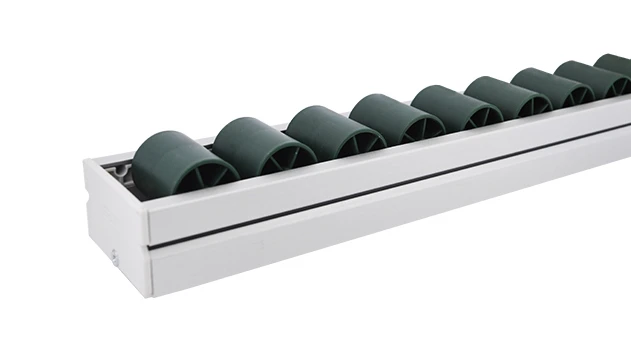
Why the 60 Aluminum Roller Track Green Matters for Your Lean System
When building a production line that values efficiency, flexibility, and waste reduction, every component plays a critical role. The 60 Aluminum Roller Track Green isn't just another piece of hardware—it's a bridge between your workstations, storage areas, and conveyors, keeping materials moving smoothly without unnecessary delays. For teams in industries like 3C assembly, medical device manufacturing, or warehouse logistics, this track is a workhorse that simplifies daily operations. Whether you're setting up a new flow rack or upgrading an existing conveyor system, getting this installation right can cut down on downtime, reduce manual labor, and align your process with lean principles of continuous improvement.
Unlike plastic or steel alternatives, the 60 Aluminum Roller Track Green combines durability with lightweight design. Its green finish isn't just aesthetic—it's a visual cue for teams to identify high-traffic material flow paths, reducing confusion on the floor. And because it's part of a modular system, you can easily adjust or expand it later as your production needs change. This adaptability is key for businesses that want to stay agile in fast-paced markets.
Pre-Installation Prep: What You Need to Get Started
Before you pick up a tool, take time to plan and gather everything required. Rushing into installation without prep often leads to mistakes like missing parts or misaligned sections. Here's a breakdown of the tools and components you'll need:
| Category | Items | Purpose |
|---|---|---|
| Tools | Tape measure, spirit level, Allen wrenches (sizes M4-M8), rubber mallet, screwdriver set | Measure, align, tighten fasteners, adjust components gently |
| Track Components | 60 Aluminum Roller Track Green sections, roller track placon mounts (flat/high), end supports with stops | Core track parts, mounting to base, preventing material slippage |
| Accessories | Plastic roller track guide rail green, silicone lubricant, cleaning cloth | Guide materials, keep rollers smooth, remove debris |
| Base Components | Aluminum profiles (4040/3030), aluminum profile connectors, lean pipe (optional) | Stable foundation for the track |
Pro Tip: Always check the condition of your components before installation. Look for bent rollers, cracked mounts, or damaged aluminum profiles—using faulty parts will lead to issues down the line. If you spot any defects, contact your supplier immediately for replacements.
Safety First
Installation might seem straightforward, but it's important to prioritize safety. Wear gloves to protect your hands from sharp edges on aluminum profiles. Use a step ladder if you're installing the track at height, and never stand on unstable surfaces. Keep the workspace clear of loose tools or debris to avoid tripping hazards.

Step-by-Step Installation Guide
Follow these steps to ensure your 60 Aluminum Roller Track Green is installed correctly and works seamlessly:
1. Unbox and Verify Components
Lay out all your track sections and accessories on a clean, flat surface. Cross-reference each item with your order list to make sure nothing is missing. For example, if you're mounting the track on aluminum profiles, confirm you have the right placon mounts (flat for 4040 profiles, high for taller bases). This step saves you from stopping mid-installation to look for a missing part.
2. Build the Stable Base
The track needs a solid foundation to function properly. If using aluminum profiles:
- Cut the profiles to your desired length using a saw (or ask your supplier to pre-cut them).
- Assemble the frame using 90° aluminum profile connectors for corners and 180° connectors for straight sections.
- Use a spirit level to ensure the frame is perfectly flat—even a 1° tilt can cause materials to roll too fast or slow.
If you prefer a lean pipe base: Connect lean pipes with internal rotatory aluminum joints to form a sturdy structure. Make sure the joints are tight enough to prevent wobbling, but not so tight that they warp the pipe.
3. Attach Placon Mounts to the Base
Placon mounts are the link between the track and your base. For flat mounts:
- Place the mount on the aluminum profile's T-slot.
- insert the T-bolt into the slot and tighten it with an Allen wrench until the mount is secure.
- Space the mounts every 30-40 cm along the base—this ensures even support for the track.
For high mounts: Follow the same steps, but adjust the height to match your workflow (e.g., higher for conveyor integration, lower for flow rack use).
4. Install Track Sections
Now it's time to lay the track:
- Place the first track section on top of the placon mounts. Align the pre-drilled holes on the track with the holes on the mounts.
- insert the bolts and tighten them with an Allen wrench—don't over-tighten (this can bend the track).
- For longer tracks: Connect multiple sections using the built-in connectors. Use a straight edge to ensure the sections are aligned perfectly—even a small gap can cause jams.
- Attach end supports with stops at both ends of the track to prevent materials from sliding off during use.
Quick Fix: If two track sections don't align, use a rubber mallet to gently tap them into place. Avoid using a metal hammer—this can damage the aluminum surface.
5. Add Accessories and Test
Enhance the track's functionality with accessories:
- Attach plastic roller track guide rail green along the sides of the track to keep materials (like boxes or bins) from falling off.
- Apply a small amount of silicone lubricant to the rollers to ensure smooth rolling.
Test the track by rolling a sample material (e.g., a 3C assembly bin) along its length. Check for:
- Smooth movement without jams or stops.
- Materials staying within the guide rails.
- No unusual noises (squeaks or rattles indicate loose parts).
If you notice any issues, adjust the mounts or tighten the bolts until everything works as expected.

Common Installation Mistakes to Avoid
Even experienced installers make mistakes. Here are the most frequent ones and how to skip them:
1. Misaligned Track Sections
A tiny gap between sections can cause materials to get stuck. To fix this: Lay all sections on the base before fastening, and use a straight edge to align them. If gaps remain, use a rubber mallet to adjust.
2. Over-Tightening Fasteners
Excessive force on bolts can warp the aluminum track or profile, leading to uneven rolling. Tighten bolts until they're secure—you should feel resistance, but not have to use all your strength.
3. Ignoring Load Limits
The 60 Aluminum Roller Track Green is designed to handle a specific weight (check your product specs). Overloading it will bend rollers or break mounts. Always stay within the recommended load capacity.
4. Skipping Level Checks
A tilted track can cause materials to roll too quickly (risking damage) or too slowly (wasting time). Check the level at every step—before attaching mounts, after installing track sections, and after adding accessories.
Integrating the Track into Your Lean System
The 60 Aluminum Roller Track Green is most powerful when part of a larger lean setup. Here are some ways to integrate it:
1. Flow Rack Integration
Pair the track with a flow rack to create a pick-and-place station. Materials roll down the track to the front of the rack, so workers don't have to reach for items at the back. This reduces time spent on material handling and aligns with the "first-in, first-out" (FIFO) principle.
2. Conveyor Connection
Connect the track to a conveyor system to move parts from a workstation to the next. For example, in a 3C assembly line, the track can carry finished phone cases to a packaging conveyor, eliminating manual lifting.
3. Custom Lean Solutions
If you have unique needs (like a medical device assembly line), work with a supplier to create a custom setup. The track can be combined with lean pipe workbenches and trolleys to build a system that fits your exact workflow.
Maintenance Tips for Longevity
To keep your track working smoothly for years, follow these maintenance steps:
- Daily: Wipe the track with a dry cloth to remove dust and debris.
- Weekly: Check for loose fasteners and tighten them if needed.
- Monthly: Apply silicone lubricant to the rollers—avoid oil-based lubricants, as they attract dust.
- Quarterly: Inspect the track for bent rollers or damaged sections. replace any faulty parts immediately.
- Annually: Disassemble the track and clean all components thoroughly. This helps prevent buildup that can cause jams.
Note: If you're using the track in a dusty environment (like a warehouse), increase the cleaning frequency to twice a day.
Final Thoughts
Installing the 60 Aluminum Roller Track Green isn't just about putting parts together—it's about building a system that makes your team's work easier and more efficient. By following these tips, you can ensure a seamless setup that reduces downtime, improves workflow, and aligns with lean principles. Remember, every small detail (like aligning sections or checking the level) contributes to the overall success of your production line.
If you need help with custom integration or have questions about the track, reach out to a reliable supplier who specializes in lean solutions. They can provide expert advice to make sure your setup meets your unique needs.