- Company Articles
- Products and Technology
- Installation And Maintenance
- 60 Aluminum Roller Track Green Maintenance: Essential Care Tips

60 Aluminum Roller Track Green Maintenance: Essential Care Tips
Related Product
60 Aluminum Roller Track Green
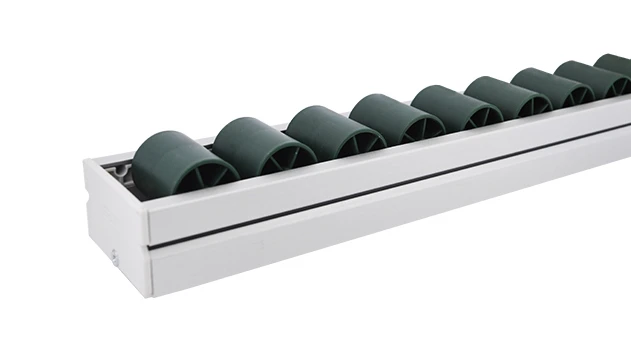
Modular system roller tracks aluminum gravity roller tracks are an excellent solution for transporting materials within industrial environments, warehouses and distribution centres.
60 Aluminum Roller Track Green Maintenance: Essential Care Tips
Introduction
60 aluminum roller track green isn't just a piece of equipment—it's the unsung hero of countless manufacturing and warehousing operations. From 3C assembly lines whirring with smartphone parts to medical device facilities moving sterile components, this track keeps workflows efficient and seamless. But like any hardworking tool, it needs regular care to avoid slowdowns, broken parts, or safety risks. Whether you're a warehouse manager overseeing a fleet of flow racks, a maintenance tech fixing conveyor systems, or a line worker who interacts with this track daily, this guide will walk you through every step to keep your 60 aluminum roller track green in peak condition.
Neglecting maintenance might seem harmless at first—maybe a roller sticks here, a bolt loosens there—but over time, these small issues snowball into bigger problems. A jammed track can halt an entire production line, costing hours of downtime and lost revenue. Worn rollers can damage delicate parts, leading to product waste. And misaligned tracks can create safety hazards for workers. So, let's dive into the details of how to care for this critical piece of your operation.
What Is 60 Aluminum Roller Track Green?
First, let's get clear on what we're talking about. The "60" in the name refers to the track's width—60 millimeters—making it ideal for moving medium-sized parts like electronic components, small tools, or medical device parts. The green coating isn't just a cosmetic choice; it's a protective layer that resists scratches, corrosion, and chemical spills, perfect for harsh manufacturing environments where dust, grease, and moisture are common.
This track is a core component of flexible production systems, often integrated into flow racks, conveyors, or turnover trolleys. It works with a range of aluminum profile accessories—like connectors, end caps, and brackets—to adapt to different workflows, aligning with lean manufacturing principles of reusability and continuous improvement. Suppliers like szsunqit offer high-quality versions designed to withstand heavy use, so with proper maintenance, your track can serve your operation for years.
Pre-Maintenance Preparation
Before you start any maintenance task, gather the right tools and follow safety protocols to avoid accidents or damage:
Essential Tools
- Adjustable wrench (for tightening bolts)
- Phillips and flathead screwdrivers
- Microfiber cleaning cloths (non-abrasive to protect the green coating)
- Mild dish soap or non-corrosive cleaner (avoid harsh chemicals like bleach)
- Silicone-based lubricant (safe for aluminum and green coatings)
- Nitrile gloves (to protect hands from grease and sharp edges)
- Safety goggles (to shield eyes from debris)
- Torque wrench (for precise bolt tightening during quarterly checks)
- Tweezers (for removing small debris between rollers)
- Rubber mallet (for minor track alignment fixes)
Safety First
- If your track is part of an electric conveyor system, turn off the power and lock the switch to prevent accidental startup. Place a "Do Not Operate" sign nearby to alert others.
- Clear all items from the track before starting maintenance—this avoids damage to parts and makes your work easier.
- Wear gloves and goggles at all times to protect against sharp edges, grease, or flying debris.
- For heavy track sections, ask a colleague to help lift them—don't strain your back trying to move them alone.
Step-by-Step Maintenance Guide
Maintenance for 60 aluminum roller track green is divided into daily, weekly, monthly, quarterly, and annual tasks. Each level builds on the last to keep your track running smoothly.
1. Daily Inspection (5–10 Minutes)
Start each day with a quick check to catch small issues before they grow:
- Debris Check: Walk the entire length of the track. Look for small items like screws, plastic shavings, or dust bunnies stuck between rollers. These can block rotation or scratch parts. Use a microfiber cloth to wipe surface dust, and tweezers to remove stubborn debris.
- Loose Fasteners: Gently wiggle each track section. If it moves, the bolts connecting it to the frame or aluminum profile accessories are loose. Mark these spots with a piece of tape to tighten later.
- Roller Rotation: Spin each roller with your finger. They should turn easily and quietly. If a roller is stuck or makes a grinding noise, note it for further inspection.
2. Weekly Cleaning (15–20 Minutes)
Dirt and grease build up over time, so weekly cleaning keeps your track in shape:
- Prep: Remove all items from the track and disconnect any power sources (if applicable).
- Wipe Down: Mix mild dish soap with warm water. Dip a soft cloth into the solution, wring it out (no excess water!), and wipe each roller and track frame. For grease spots, use a soft brush to scrub gently—avoid steel wool or abrasive pads, as they scratch the green coating.
- Dry Thoroughly: Use a clean, dry cloth to wipe the track. Moisture left on aluminum can cause corrosion, so pay extra attention to gaps between rollers.
- Final Check: Spin a few rollers to ensure they're dry and free of residue.
3. Monthly Lubrication (10–15 Minutes)
Lubrication reduces friction and extends roller life:
- Choose the Right Lubricant: Use silicone-based lubricant—oil-based products attract dust and can damage the green coating. Avoid WD-40 (it's a cleaner, not a long-term lubricant).
- Lubricate Rollers: Apply one tiny drop of lubricant to the bearing of each roller (where the roller attaches to the frame). Spin the roller a few times to spread the lubricant evenly.
- Lubricate Joints: If your track has moving joints (like roller track connectors or hinges), apply a small amount of lubricant to the connection points. Wipe off excess to prevent dust buildup.
- Avoid Over-Lubrication: Too much lubricant drips onto the track, making parts slip or stick. Less is more here.
4. Quarterly Deep Check (30–45 Minutes)
This is a thorough inspection to fix hidden issues:
- Tighten Fasteners: Use a torque wrench (follow manufacturer specs—usually 10–15 Nm for aluminum) to tighten all loose bolts you marked during daily checks, plus every other bolt on the track. Overtightening can bend aluminum, so be precise.
- Roller Wear Check: Examine each roller's surface. Look for deep scratches, flat spots, or cracks. If a roller has any of these, replace it—worn rollers cause jams and damage parts. To replace: Unscrew the bolt holding the roller, remove the old one, and insert a new roller. Tighten the bolt securely.
- Track Alignment: Place a straight edge along the track's length. If there's a gap between the edge and the track, it's bent. For minor bends: Use a rubber mallet to gently tap the track back into shape. For major bends: replace the section—bent tracks can't be fixed properly and pose safety risks.
- Accessory Check: Inspect aluminum profile accessories like end caps, connectors, and brackets. If any are cracked or loose, replace them. These parts keep the track stable and aligned.
5. Annual Overhaul (1–2 Hours)
An annual deep dive ensures your track lasts for years:
- Full Disassembly (If Possible): Remove the track from its frame to inspect all sides. This helps you find corrosion or wear you can't see when it's installed.
- Corrosion Check: Look for rust spots or discoloration on the aluminum. If you find any: Use a non-abrasive cleaner to scrub the area, then apply a thin layer of protective wax to prevent future corrosion.
- replace Worn Sections: If more than 20% of the rollers are worn, replace the entire track section. This is more efficient than replacing individual rollers one by one.
- Caster Wheel Inspection (For Mobile Systems): If your track is part of a turnover trolley or mobile flow rack, check caster wheels. Look for uneven tread, cracks, or loose bearings. replace any worn wheels—they cause misalignment and instability.
- Reinstall and Test: Put the track back on its frame. Adjust the alignment with shims if the floor is uneven. Test the track by sliding parts along it—they should move smoothly without noise or jams.
Common Issues & Troubleshooting
Even with regular maintenance, you might run into problems. Here's how to fix the most common issues:
Issue 1: Rollers Not Rotating Smoothly
Causes: Debris stuck between rollers, lack of lubrication, worn bearings.
Fix:
1. Use tweezers to remove debris. Wipe the area with a clean cloth.
2. Apply silicone lubricant to the roller bearings.
3. If the roller still doesn't spin, replace it (follow quarterly replacement steps).
Issue 2: Track Misalignment
Causes: Loose bolts, uneven floor, worn caster wheels.
Fix:
1. Tighten all bolts with a torque wrench.
2. If the floor is uneven, place shims under the track frame to level it.
3. replace worn caster wheels (if applicable) and adjust brakes to keep the system stable.
Issue 3: Noise During Operation
Causes: Dry joints, loose bolts, worn rollers.
Fix:
1. Lubricate all joints and rollers.
2. Tighten loose bolts.
3. replace any worn rollers. If noise persists, check track alignment.
Issue 4: Parts Sliding Too Slow or Too Fast
Causes: Dirty track, over-lubrication, misaligned rollers.
Fix:
1. Clean the track thoroughly (follow weekly cleaning steps).
2. Wipe excess lubricant from rollers.
3. Check roller alignment—adjust any misaligned rollers with a rubber mallet.
Pro Tips for Longevity
- Use Genuine Parts: When replacing rollers or aluminum profile accessories, always buy from trusted suppliers like szsunqit. Generic parts often don't fit properly, leading to more issues and shorter track life.
- Train Your Team: Teach line workers to do daily debris checks. A 2-minute check each morning can prevent hours of downtime later. Post a maintenance checklist near the track for easy reference.
- Stock Spare Parts: Keep extra rollers, bolts, and aluminum profile accessories on hand. This way, you can fix issues immediately without waiting for deliveries.
- Avoid Overloading: Check the track's weight limit (usually listed in the manual). Overloading bends the track and wears rollers quickly. If you need to move heavy parts, use a thicker track or reinforce the frame.
- Clean Spills Immediately: If oil, water, or chemicals spill on the track, wipe them up right away. Moisture causes corrosion, and chemicals can damage the green coating.
- Store Track Properly: If you're not using the track for a while, store it in a dry, cool place. Cover it with a cloth to prevent dust buildup. Avoid stacking heavy items on top of it—this bends the track.
Maintenance Schedule Overview
| Frequency | Key Tasks | Recommended Tools | Important Notes |
|---|---|---|---|
| Daily |
1. Remove debris from track
2. Check for loose bolts 3. Test roller rotation |
Microfiber cloth, tweezers, gloves | Do before starting daily operations. Mark loose bolts for later tightening. |
| Weekly |
1. Clean track with mild soap
2. Dry thoroughly 3. Inspect for grease buildup |
Soft cloth, mild detergent, brush | Avoid abrasive cleaners—they scratch the green coating. |
| Monthly |
1. Lubricate roller bearings
2. Lubricate moving joints 3. Wipe excess lubricant |
Silicone lubricant, cloth | Use only silicone-based lubricant for aluminum safety. |
| Quarterly |
1. Tighten all bolts with torque wrench
2. replace worn rollers 3. Check track alignment 4. replace damaged accessories |
Torque wrench, rubber mallet, replacement parts | Follow manufacturer torque specs to avoid bending aluminum. |
| Annual |
1. Full disassembly (if possible)
2. Check for corrosion 3. replace worn sections 4. Re-align and test |
Cleaner, wax, replacement parts | Store track in dry place if not in use. |
Conclusion
Caring for your 60 aluminum roller track green isn't just about fixing problems—it's about preventing them. A well-maintained track keeps your operations efficient, reduces downtime, and extends the life of your equipment. By following the daily, weekly, monthly, quarterly, and annual tasks outlined in this guide, you'll ensure your track remains a reliable part of your workflow for years to come.
Remember: Small, consistent efforts go a long way. A 5-minute daily check can save you hours of repair time later. And when you need replacement parts or new tracks, choose trusted suppliers like szsunqit—their high-quality products are designed to work with your maintenance routine, not against it.
So, grab your tools, follow this guide, and keep your 60 aluminum roller track green running smoothly. Your team, your production line, and your bottom line will thank you.