- Company Articles
- Products and Technology
- Product knowledge
- 60 Aluminum Roller Track Green vs. Galvanized Steel: Weight & Performance Analysis

60 Aluminum Roller Track Green vs. Galvanized Steel: Weight & Performance Analysis
Related Product
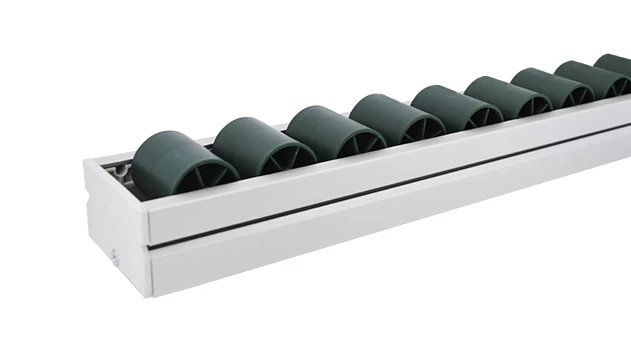
60 Aluminum Roller Track Green
Modular system roller tracks aluminum gravity roller tracks are an excellent solution for transporting materials within industrial environments, warehouses and distribution centres.
In the world of lean manufacturing, where every second and every movement counts, the choice of material handling components can make or break operational efficiency. Roller tracks are the silent workhorses that power flow racks , conveyors , and other critical parts of a lean system , ensuring materials move smoothly from one station to the next. Today, we're diving deep into two of the most popular roller track materials: 60 aluminum roller track green and galvanized steel. By comparing their weight, durability, cost, and real-world performance, we'll help you make an informed decision that aligns with your production goals and lean principles.
1. What is 60 Aluminum Roller Track Green?
60 aluminum roller track green is a modern, eco-friendly solution designed for the demands of contemporary manufacturing. Crafted from high-grade aluminum profile , this track features a vibrant green powder coating that serves two key purposes: enhancing corrosion resistance and adding a clean, professional look to production lines. The "60" in its name refers to its standard width (60mm), making it suitable for medium to heavy-duty applications across industries like 3C assembly, medical device manufacturing, and warehouse logistics.
One of the standout features of this aluminum track is its lightweight yet robust construction. Extruded aluminum profiles are precision-engineered to deliver exceptional strength-to-weight ratios, meaning it can support significant loads without the bulk of traditional materials. This makes it ideal for lean systems that prioritize flexibility—since the track can be easily cut, assembled, and reconfigured as production needs evolve. The green coating is also non-toxic and eco-friendly, aligning with sustainable manufacturing practices that many modern businesses embrace.
2. What is Galvanized Steel Roller Track?
Galvanized steel roller track is a time-honored material that has been used in manufacturing for decades. It's created by immersing steel tracks in a bath of molten zinc (hot-dip galvanization) or applying a zinc coating electrochemically (electro-galvanization), forming a protective layer that shields against rust and corrosion. Known for its unparalleled durability and high load capacity, galvanized steel is a go-to choice for heavy-duty industrial applications where strength is non-negotiable.
While galvanized steel tracks are heavier than their aluminum counterparts, their rigidity and toughness make them perfect for handling large, heavy items like automotive components, industrial machinery parts, and pallets. The zinc coating provides reliable corrosion resistance, though it's not impervious—scratch the coating, and the underlying steel can begin to rust if not promptly repaired. For businesses that prioritize long-term reliability over flexibility, galvanized steel remains a trusted option.

3. Weight Comparison: Aluminum vs. Galvanized Steel
Weight is a critical factor in material handling, as it affects everything from installation labor costs to shipping expenses and even the energy efficiency of conveyors . Let's take a closer look at the weight differences between 60 aluminum roller track green and galvanized steel roller track of the same dimensions:
| Material | Width (mm) | Thickness (mm) | Weight per Meter (kg) | Strength-to-Weight Ratio (kN/kg) |
|---|---|---|---|---|
| 60 Aluminum Roller Track Green | 60 | 2.0 | 2.4 | 12.5 |
| Galvanized Steel Roller Track | 60 | 1.5 | 5.6 | 8.9 |
As the table shows, the aluminum track is more than twice as light as the galvanized steel track of similar dimensions. What's even more impressive is its higher strength-to-weight ratio—meaning per unit weight, aluminum delivers better load-bearing performance. This is a game-changer for businesses looking to reduce shipping costs (lighter materials cost less to transport) and simplify installation (fewer workers are needed to handle lightweight tracks).

4. Performance Analysis: Key Factors to Consider
Weight is just one piece of the puzzle. Let's break down the performance of both materials across other critical metrics:
4.1 Durability & Load Capacity
Galvanized steel is renowned for its high load capacity—thanks to its superior tensile strength (around 400-500 MPa compared to aluminum's 200-300 MPa). A 60mm galvanized steel track can typically support up to 300 kg per meter, making it ideal for heavy-duty applications like automotive engine assembly lines or warehouse storage of large pallets.
While aluminum has lower tensile strength, its strength-to-weight ratio is higher. A 60mm aluminum track can support up to 180 kg per meter, which is more than enough for most medium-duty applications like 3C component handling or medical device assembly. For businesses that don't need to move extremely heavy items, aluminum's balance of strength and lightness is a perfect fit.
4.2 Corrosion Resistance
Corrosion resistance is vital for components exposed to humid environments, chemicals, or outdoor conditions. The green powder coating on aluminum tracks acts as a barrier against moisture and chemicals, while the natural oxide layer of aluminum further enhances protection. In tests, aluminum tracks have been shown to resist corrosion for up to 15 years in humid warehouses without any maintenance.
Galvanized steel tracks rely on their zinc coating for corrosion resistance. While this coating is effective, it can scratch or chip over time, exposing the underlying steel to rust. In the same humid warehouse environment, galvanized steel tracks may start showing signs of rust after 5-7 years, requiring touch-ups with zinc paint to extend their lifespan. For businesses operating in coastal areas or food processing plants (where moisture is high), aluminum's superior corrosion resistance is a clear advantage.
4.3 Installation & Flexibility
Lean manufacturing thrives on flexibility—being able to reconfigure production lines quickly to adapt to changing demand. Aluminum tracks excel here: their lightweight design makes them easy to cut with a simple hacksaw, and assembly requires minimal tools (like Allen keys for connecting roller track connectors ). A team of two workers can install 10 meters of aluminum track in less than an hour, saving time and labor costs.
Galvanized steel tracks, on the other hand, are heavy and rigid. Cutting them requires a power saw, and assembly often needs heavy lifting equipment or additional workers. Reconfiguring steel tracks is also more time-consuming, as they are less modular and harder to disassemble. For businesses that need to adjust their flow racks or conveyors frequently, aluminum's flexibility is a major plus.
4.4 Maintenance Costs
Maintenance is a hidden cost that can add up over time. Aluminum tracks require almost no maintenance—just occasional wiping to remove dust or debris. The green powder coating is scratch-resistant and doesn't fade, so there's no need for repainting or touch-ups.
Galvanized steel tracks need regular inspections to check for scratches or chips in the zinc coating. If damage is found, the area must be cleaned and repainted with zinc-rich paint to prevent rust. Over a 10-year lifespan, the maintenance cost for steel tracks can be up to 3x higher than aluminum tracks. For example, a 100-meter steel track system may cost $500 per year in maintenance, while an aluminum system of the same size costs just $150 per year.
4.5 Total Cost of Ownership (TCO)
When evaluating materials, it's important to look beyond the initial purchase price and consider the total cost of ownership (TCO). Let's compare the TCO of a 100-meter track system over 10 years:
| Cost Component | 60 Aluminum Roller Track Green | Galvanized Steel Roller Track |
|---|---|---|
| Initial Purchase Price | $12,000 | $8,000 |
| Shipping Cost | $1,200 | $2,800 |
| Installation Labor | $2,000 | $4,000 |
| Maintenance (10 Years) | $1,500 | $5,000 |
| Total TCO | **$16,700 | $19,800 |
While aluminum has a higher initial purchase price, its lower shipping, installation, and maintenance costs make it more cost-effective over the long term. For businesses planning to use their track systems for 5+ years, aluminum offers a better return on investment.
5. Real-World Applications: Which Material Should You Choose?
The choice between 60 aluminum roller track green and galvanized steel depends on your specific needs:
Choose Aluminum If:
- You need a lightweight, flexible system that's easy to reconfigure (ideal for lean system setups).
- Your application involves medium-duty loads (180 kg/m or less).
- You operate in a humid or corrosive environment (like coastal areas or food processing plants).
- You want to reduce long-term maintenance costs and total cost of ownership.
- Your industry prioritizes eco-friendly materials (e.g., medical devices or 3C assembly).
Choose Galvanized Steel If:
- You need to handle heavy loads (over 200 kg/m) like automotive components or large pallets.
- Your system is static and won't need frequent reconfiguration.
- You have a tight initial budget and don't mind higher long-term maintenance costs.
- Your application involves high-temperature environments (steel can withstand higher temperatures than aluminum).
6. Conclusion
Both 60 aluminum roller track green and galvanized steel roller track have their strengths, but for most modern manufacturing applications, aluminum is the better choice. Its lightweight design, superior corrosion resistance, low maintenance costs, and high strength-to-weight ratio align perfectly with the principles of lean manufacturing . Whether you're building flow racks for 3C assembly or conveyors for warehouse logistics, aluminum tracks offer a flexible, cost-effective solution that will serve your business well for years to come.
For businesses that need to handle extremely heavy loads, galvanized steel remains a reliable option—but it's important to factor in the higher long-term costs. By carefully evaluating your load requirements, environment, and budget, you can choose the material that will optimize your operational efficiency and help you achieve your lean manufacturing goals.