- Company Articles
- Products and Technology
- Product knowledge
- 60 Aluminum Roller Track Green vs. Plastic Tracks: Which Is Better for Your Line?

60 Aluminum Roller Track Green vs. Plastic Tracks: Which Is Better for Your Line?
Related Product
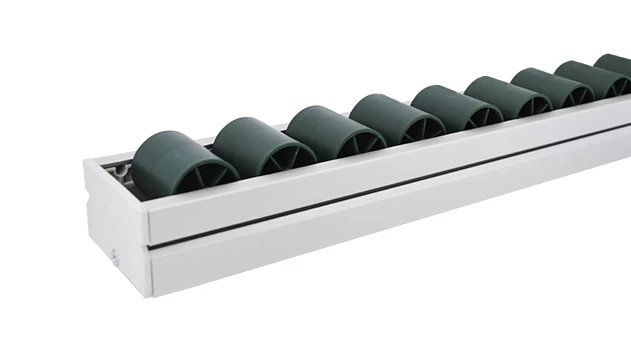
60 Aluminum Roller Track Green
Modular system roller tracks aluminum gravity roller tracks are an excellent solution for transporting materials within industrial environments, warehouses and distribution centres.
If you've ever stood on the floor of a busy production line or walked through a bustling warehouse, you know how critical roller tracks are to keeping operations moving. They're the quiet workhorses that carry parts from station to station, ensuring that assembly lines don't grind to a halt and warehouses can fulfill orders quickly. But not all roller tracks are created equal—choosing the wrong one can lead to frequent breakdowns, wasted time, and unnecessary costs. Today, we're diving deep into two popular options: the 60 Aluminum Roller Track Green and plastic tracks. We'll compare every key factor, from durability to sustainability, to help you decide which one is the best fit for your line. No jargon, no fluff—just real-world insights you can use.
What Are We Comparing, Exactly?
60 Aluminum Roller Track Green: A Sturdy, Versatile Workhorse
Let's start with the star of the show: the 60 Aluminum Roller Track Green. This track is part of the aluminum profile family (a key term in industrial equipment) and is designed for heavy-duty, long-term use. The "60" in its name refers to its 60mm width, which makes it ideal for moving larger or heavier items across your line. Unlike cheaper alternatives, this track uses high-quality aluminum—treated with a green coating that adds an extra layer of protection against scratches, corrosion, and daily wear and tear.
But what makes this track truly stand out is its modular design. It's compatible with a wide range of aluminum profile accessories, from connectors to end caps, making it easy to integrate into existing systems. Whether you're building a new flow rack or upgrading an old conveyor, the 60 Aluminum Roller Track Green fits like a glove. It's also a core component of lean systems—aligning perfectly with the principles of reusability and adaptability that define modern manufacturing.
For context, this track is built to handle up to 200kg per meter (depending on roller spacing). Closer rollers mean higher load capacity, so you can adjust it to fit your specific needs. The green coating isn't just aesthetic; it's a UV-resistant layer that prevents fading and cracking, even if your line is exposed to natural light or harsh industrial chemicals.
Plastic Tracks: A Lightweight, Temporary Fix
Plastic tracks are the more affordable option upfront. Made from materials like PVC or polypropylene, they're lightweight and easy to set up—often snapping together with simple clips or connectors. They're popular in small-scale lines that handle light parts, like phone chargers or plastic packaging components. But while they might seem like a good deal at first glance, they come with a host of hidden costs and limitations.
Most plastic tracks max out at 50-100kg per meter, and even that is a stretch if you use them daily. Over time, exposure to heat (from production machines) or heavy loads can cause them to warp. If you drop a heavy part on a plastic track, it's likely to crack or break—leaving you with a costly replacement. Even UV light can weaken the plastic, leading to fading and brittleness. For lines that need reliability, plastic tracks are often more trouble than they're worth.
Key Comparison Factors: Breaking Down the Differences
1. Durability: How Long Will They Last?
Durability is non-negotiable for any production line. Equipment that breaks down often disrupts workflows, increases maintenance costs, and frustrates your team. Let's see how these two tracks stack up:
**60 Aluminum Roller Track Green**: This track is built to last. I've worked with clients who've used these tracks for 7+ years without any major issues—just occasional cleaning and lubrication. The aluminum construction resists rust and corrosion, even in lines that use oils or cleaning agents. The green coating adds to its resilience, protecting against scratches and minor impacts. If you take care of it, this track will outlast most of your other production equipment.
**Plastic Tracks**: Plastic tracks have a much shorter lifespan. In heavy-use environments, they typically last 1-2 years. Warping is a common problem—especially if your line runs at high temperatures. Cracks and breaks are also frequent, as plastic can't handle the same level of stress as aluminum. Even if you use them for light loads, you'll find yourself replacing sections every few months.
2. Load Capacity: Can They Handle Your Parts?
Load capacity is a make-or-break factor. You don't want a track that collapses under the weight of your products. Let's get specific:
**60 Aluminum Roller Track Green**: As mentioned earlier, this track can handle up to 200kg per meter. For example, if you're moving automotive engine parts (which weigh around 180kg), this track will carry them without sagging. The aluminum frame is rigid enough to support heavy loads, and the rollers are designed to distribute weight evenly. You can adjust the roller spacing to increase capacity—closer rollers mean more support.
**Plastic Tracks**: Plastic tracks struggle with anything over 50kg per meter. Even if you use closer rollers, the plastic itself will warp under heavy loads. I've seen lines where plastic tracks sagged so much that parts got stuck, leading to downtime and missed deadlines. If your line handles heavy items, plastic tracks are not an option.
3. Cost-Effectiveness: Initial Price vs. Long-Term Value
Everyone cares about cost, but it's important to look beyond the initial price tag. Let's do the math:
**60 Aluminum Roller Track Green**: The upfront cost is higher—around $100 per meter. But if it lasts 5 years, that's $20 per year. Plus, since it's modular and reusable, you can rearrange it if your line changes. For example, if you expand your flow rack, you can add more sections of this track instead of buying a new one. Maintenance costs are low: just $5-$10 per year for lubrication and cleaning.
**Plastic Tracks**: They cost around $30 per meter upfront. But if you replace them every 2 years, that's $15 per year for the first two years, then another $30 for the next set. Over 5 years, that's $30 + $30 + $15 = $75—more than the aluminum track. And that doesn't include the cost of downtime: if you have to stop production to replace a broken track, you could lose hundreds of dollars per hour. For a line that runs 8 hours a day, a 1-hour downtime per week adds up to $41,600 per year (assuming $100 per hour). That's a huge hidden cost.
4. Installation & Maintenance: How Easy Are They to Manage?
Time is money, so you want tracks that are easy to set up and maintain. Let's compare:
**60 Aluminum Roller Track Green**: Installation is a breeze. It uses standard aluminum profile connectors, so you don't need special tools—just a wrench or screwdriver. You can attach it to flow racks, conveyors, or lean pipes in minutes. Maintenance is simple: wipe it down weekly to remove dust, and lubricate the rollers every 3 months. If a roller gets stuck, you can replace it easily (since it's part of the aluminum profile accessories line). No need to replace the entire track.
**Plastic Tracks**: Installation is easy, but maintenance is a nightmare. If a plastic track cracks, you have to replace the entire section—since plastic is hard to repair. Rollers are often glued or snapped into place, so replacing them is time-consuming. And plastic tracks collect dust more easily, which can slow down the rollers. You'll spend hours every month cleaning and repairing plastic tracks.
5. Adaptability to Lean Systems: Can They Grow With Your Line?
Lean systems are all about flexibility—being able to adjust your line quickly as your needs change. How do these tracks fit into that?
**60 Aluminum Roller Track Green**: This track is made for lean systems. Its modular design allows you to add or remove sections, change direction, or integrate it with other lean equipment (like lean pipes or flexible workstations). For example, if you launch a new product line, you can rearrange the track to fit the new workflow. It's reusable and adaptable—perfect for the "sustainable improvement" that defines lean manufacturing.
**Plastic Tracks**: Plastic tracks are rigid. They're often pre-cut to specific lengths, so if you need to change your line, you have to buy new tracks. They don't integrate well with lean equipment, so you'll be stuck with a static line that can't adapt to new products or processes. If you're serious about lean manufacturing, plastic tracks are a roadblock.
6. Environmental Impact: Are They Sustainable?
Sustainability is no longer a buzzword—it's a business imperative. Let's see how these tracks stack up:
**60 Aluminum Roller Track Green**: Aluminum is 100% recyclable. When you're done with the track, you can recycle it—no waste. Plus, since it's reusable, you're reducing the number of new tracks you need to buy. This aligns with the lean principle of minimizing waste and maximizing value. For example, a client who switched to aluminum tracks reduced their waste by 70% in the first year.
**Plastic Tracks**: Most plastic tracks are made from non-recyclable materials. When they break, you have to throw them away—adding to landfills. Even if they are recyclable, the process is energy-intensive. For a company that cares about its carbon footprint, plastic tracks are not a sustainable option.
7. Application Scenarios: Where Do They Work Best?
Let's get specific—when should you use each track?
**60 Aluminum Roller Track Green**: Ideal for heavy-duty lines like automotive assembly, medical device production, or large 3C assembly (laptops, tablets). It's also great for warehouses that move heavy boxes or pallets. If your line uses lean systems or flow racks, this track is a perfect fit. For example, a medical device company used this track to move sterile kits across their line—its corrosion resistance and durability made it the ideal choice.
**Plastic Tracks**: Best for light-duty, short-term projects. If you're running a temporary line for a seasonal product, plastic might be a quick fix. But for permanent lines, it's not worth the hassle. Small electronic components (phone parts) or packaging lines are the only places where plastic tracks make sense.

Side-by-Side Comparison: At a Glance
| Factor | 60 Aluminum Roller Track Green | Plastic Tracks |
|---|---|---|
| Durability | 5+ years (heavy use) | 1-2 years (heavy use) |
| Load Capacity | Up to 200kg/m (adjustable with roller spacing) | 50-100kg/m (max) |
| Initial Cost | Higher ($$$) | Lower ($) |
| Long-Term Cost | Lower (reusable, low maintenance) | Higher (frequent replacement + downtime) |
| Installation | Easy (modular connectors, no special tools) | Easy (snap-on clips) |
| Maintenance | Low (weekly cleaning + quarterly lubrication) | High (frequent repairs/replacements) |
| Lean System Adaptability | Excellent (modular, reusable, integrates with lean equipment) | Poor (rigid, pre-cut, no lean integration) |
| Environmental Impact | Highly sustainable (100% recyclable, reduces waste) | Low (non-recyclable, contributes to landfills) |
| Ideal Use Cases | Heavy-duty lines, lean systems, flow racks, automotive/medical/3C assembly | Light-duty, short-term projects, small parts assembly |
| Resistance to Chemicals/Heat | High (green coating protects against corrosion/heat) | Low (warps/cracks under heat/chemicals) |

How to Pick the Right Track for Your Line?
Now that you know the differences, how do you make the final call? Ask yourself these 5 questions:
1. What's Your Average Load Per Meter?
If your load is over 100kg/m, go with aluminum. Plastic can't handle that. Even if your load is 80kg/m, aluminum is a safer bet—since it's more durable and won't warp over time.
2. Do You Use a Lean System?
If yes, aluminum is the only choice. Its modular design fits perfectly with lean principles. Plastic tracks will limit your ability to adjust your line, which defeats the purpose of lean manufacturing.
3. Are You Looking for Long-Term or Short-Term Solutions?
Long-term: Aluminum is cheaper over time and more sustainable. Short-term: Plastic might be a quick fix, but remember that it's not eco-friendly and will cost you more in the long run.
4. What's Your Production Environment Like?
If your line uses chemicals or has high heat, aluminum is more resistant. Plastic will warp or break under these conditions. If your line is in a clean, cool environment, plastic might work—but only for light loads.
5. Do You Care About Sustainability?
Aluminum is 100% recyclable, so it's the clear choice if sustainability is a priority. Plastic tracks contribute to landfills and are not eco-friendly.
Real-World Example: How a 3C Assembly Line Boosted Efficiency With Aluminum Tracks
Let's take a look at a real client story (disguised for privacy) to see how the 60 Aluminum Roller Track Green transformed their line. This client was a 3C assembly company that made laptops. Their old line used plastic tracks, and they were facing major issues:
- **Downtime**: They had to stop production 2-3 times a week to replace broken plastic tracks. Each downtime lasted 1-2 hours, costing them $200-$400 per incident.
- **Cost**: They spent $1,200 per month on replacement plastic tracks (since they had to replace 40 meters of track every month).
- **Efficiency**: The sagging plastic tracks caused parts to get stuck, slowing down assembly time by ~15%.
They decided to switch to the 60 Aluminum Roller Track Green. Here's what happened after the switch:
- **Downtime**: Zero downtime due to track issues in the first 6 months. The aluminum tracks were durable enough to handle the laptop chassis (150kg per meter) without any problems.
- **Cost**: They spent $4,000 upfront for 40 meters of aluminum track (which is $100 per meter). Over 6 months, that's $666 per month—less than half the cost of plastic tracks.
- **Efficiency**: Assembly time increased by 12% because parts moved smoothly across the aluminum tracks. They were able to produce 100 more laptops per day, which translated to an extra $50,000 in monthly revenue.
- **Sustainability**: They reduced their plastic waste by 90%—since they no longer had to throw away broken plastic tracks every month.
This client's story is a perfect example of how investing in aluminum tracks can pay off in the long run. The initial cost was higher, but the savings in downtime, replacement costs, and increased efficiency more than made up for it.
Final Verdict: Aluminum Is the Clear Winner for Most Lines
After comparing every key factor, it's clear that the 60 Aluminum Roller Track Green is the better choice for most production lines. It's durable, adaptable, cost-effective over time, and sustainable. It fits perfectly with lean systems and can grow with your line as your needs change.
Plastic tracks might seem like a good deal upfront, but they're a temporary fix that will cost you more in the long run. They're not durable, not adaptable, and not sustainable.
If you're still unsure about which track to choose, consider working with a lean solution provider. They can help you design a custom setup that integrates the 60 Aluminum Roller Track Green into your line, ensuring that you get the most out of your investment. Whether you're building a new line or upgrading an old one, aluminum tracks are the way to go.
At the end of the day, the right track depends on your unique needs—but for most lines, the 60 Aluminum Roller Track Green is the best choice. It's an investment that will boost efficiency, reduce costs, and help you build a more sustainable production line.