- Company Articles
- Products and Technology
- Installation And Maintenance
- 60 Aluminum Roller Track Grey Maintenance Checklist: Weekly & Monthly Tasks

60 Aluminum Roller Track Grey Maintenance Checklist: Weekly & Monthly Tasks
Related Product
60 Aluminum Roller Track Grey
Modular system roller tracks aluminum gravity roller tracks are an excellent solution for transporting materials within industrial environments, warehouses and distribution centres.
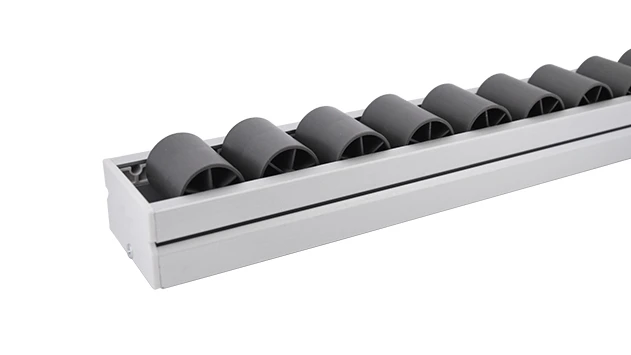
If you work in manufacturing or warehousing, chances are you've seen 60 aluminum roller track grey hard at work. It's the unsung hero behind smooth flow racks, efficient conveyors, and streamlined lean workstations—core parts of any robust lean system. But like any workhorse, it needs regular care to keep performing at its best. Neglecting maintenance can lead to jams, slowdowns, or even safety risks—things no team wants to deal with. Let's dive into the weekly and monthly tasks that will keep your roller tracks running like new, plus pro tips to extend their lifespan.
1. What Is 60 Aluminum Roller Track Grey?
60 aluminum roller track grey is a durable, lightweight solution designed for moving parts and products across production lines and warehouses. Its grey finish isn't just aesthetic—it resists scratches and hides minor dirt, perfect for busy floors. You'll find it in flow racks (like Material Rack B from trusted suppliers), conveyor systems feeding assembly lines, and lean workstations where efficiency is key. It's built to handle moderate to heavy loads, making it ideal for industries like 3C assembly, automotive, and medical equipment manufacturing—all areas where custom lean solutions shine.
2. Weekly Maintenance Checklist
Weekly checks are quick but critical. They catch small issues before they turn into big problems. Here's your go-to list:
| Weekly Task | Step-by-Step Instructions | Key Notes |
|---|---|---|
| Debris Removal |
1. Use a soft-bristle brush or compressed air to clear dirt, dust, or small parts from between rollers and along guide rails.
2. Wipe the track surface with a dry cloth—avoid wet cloths unless absolutely necessary. |
Pay extra attention to gaps between rollers; debris here causes jams. For tracks with plastic roller track guide rail grey, use a cotton swab to clean hard-to-reach grooves. |
| Roller Function Test |
1. Roll a test item (small box or part tray) along the track gently.
2. Listen for grinding or squeaking noises; check if the item moves smoothly. 3. Mark any rollers that don't spin freely. |
Unusual noises often mean a roller needs lubrication or replacement. Don't ignore stuck rollers—they can slow down your entire line. |
| Fastener Tightness Check |
1. Inspect all roller track connectors and mounting brackets.
2. Tighten loose bolts/screws with a wrench or screwdriver. |
Loose fasteners lead to misalignment. For aluminum profile-mounted tracks, check aluminum profile accessories (like angle codes) to ensure they're secure. |
| Targeted Lubrication |
1. Apply a drop of light machine oil to the axle of squeaking or stuck rollers.
2. Wipe off excess oil to avoid attracting dirt. |
Over-lubrication is worse than none—too much oil makes the track slippery and collects debris. Stick to manufacturer-recommended oils. |

3. Monthly Maintenance Checklist
Monthly checks are deeper dives into your track's health. They ensure long-term performance and compliance with safety standards:
| Monthly Task | Step-by-Step Instructions | Key Notes |
|---|---|---|
| Deep Cleaning |
1. Remove detachable components (guide rails, stops) if possible.
2. Use a mild detergent + water mix (only if track is water-resistant) to clean all surfaces. 3. Dry thoroughly to prevent corrosion. |
For ESD workstations, use anti-static cleaner to maintain compliance. This is critical for 3C assembly where static damage is a risk. |
| Roller Replacement |
1. Remove worn/bent rollers using pliers or a screwdriver.
2. Install new rollers from genuine roller track accessories suppliers. 3. Test each new roller to ensure free spin. |
Non-genuine parts don't fit properly or last long. Trusted suppliers offer exact replacements that align with your track's design. |
| Track Alignment Check |
1. Use a level to verify the track is straight and level.
2. Adjust mounting brackets (or anti-slip adjustable leveling feet) to fix misalignment. 3. Ensure parallelism with adjacent tracks (for conveyors). |
Misaligned tracks cause items to jam or fall off. For conveyor systems, alignment directly impacts production speed. |
| Corrosion & Wear Inspection |
1. Check for dents, bent sections, or corrosion spots.
2. Inspect guide rails (like aluminum guide rail a) for wear. 3. Document issues and plan repairs/replacements. |
Small dents can turn into big problems—address them early. For severe corrosion, replace the affected section to avoid safety risks. |
| ESD Compliance Test (If Applicable) |
1. Use an ESD tester to check static discharge levels.
2. Clean with anti-static solution or replace worn ESD components if tests fail. |
ESD workstations are non-negotiable in electronics manufacturing. Regular tests prevent costly damage to sensitive parts. |

4. Pro Tips to Extend Track Lifespan
Genuine Parts Matter
When replacing rollers or connectors, always choose genuine roller track accessories from a reliable supplier. Non-genuine parts may save money upfront but lead to frequent breakdowns and higher long-term costs. Trusted suppliers offer parts that fit perfectly and meet quality standards.
Train Your Team
Make maintenance everyone's responsibility. Teach your team to spot small issues (like debris or squeaking rollers) and report them immediately. Lean systems work best when everyone contributes to upkeep.
Avoid Overloading
Every track has a weight limit—don't exceed it. Overloading bends tracks and damages rollers. Check manufacturer specs (most suppliers provide clear guidelines) to know your track's capacity.
Incorporate Lean Principles
Add maintenance to your lean solution practices. Use visual management (color-coded tags) to mark tracks needing attention. This keeps maintenance organized and aligns with continuous improvement goals.
5. Troubleshooting Common Issues
Jammed Rollers
Causes:
Debris buildup, lack of lubrication, bent rollers.
Fix: Clear debris first. If that doesn't work, lubricate the axle. For bent rollers, replace with genuine parts from your supplier.
Fix: Clear debris first. If that doesn't work, lubricate the axle. For bent rollers, replace with genuine parts from your supplier.
Items Sliding Off Track
Causes:
Misaligned guide rails, worn rails, excessive speed.
Fix: Adjust guide rails (like plastic roller track guide rail grey) to be parallel. replace worn rails. Add speed reducers for conveyors if needed.
Fix: Adjust guide rails (like plastic roller track guide rail grey) to be parallel. replace worn rails. Add speed reducers for conveyors if needed.
Corrosion Spots
Causes:
Moisture exposure, harsh chemicals.
Fix: Clean the spot with a mild abrasive (soft sponge) and apply a protective coating. For severe cases, replace the section—consider stainless steel roller track series for wet environments.
Fix: Clean the spot with a mild abrasive (soft sponge) and apply a protective coating. For severe cases, replace the section—consider stainless steel roller track series for wet environments.
Loose Mounting
Causes:
Vibration from heavy use, improper installation.
Fix: Tighten all fasteners. Use heavy-duty split foot seats or castor install bases for extra stability—trusted suppliers offer these accessories.
Fix: Tighten all fasteners. Use heavy-duty split foot seats or castor install bases for extra stability—trusted suppliers offer these accessories.
6. Final Thoughts
Maintaining your 60 aluminum roller track grey isn't just about fixing problems—it's about keeping your lean system efficient, reducing downtime, and ensuring safety. By following these weekly and monthly checklists, using genuine parts, and troubleshooting early, you'll get the most out of your investment. Remember, the best maintenance is proactive—not reactive. So start your routine today, and keep your production line moving smoothly.