- Company Articles
- Products and Technology
- Product knowledge
- 60 Aluminum Roller Track Grey Surface Treatment: Grey Anodization Explained

60 Aluminum Roller Track Grey Surface Treatment: Grey Anodization Explained
Related Product
60 Aluminum Roller Track Grey
Modular system roller tracks aluminum gravity roller tracks are an excellent solution for transporting materials within industrial environments, warehouses and distribution centres.
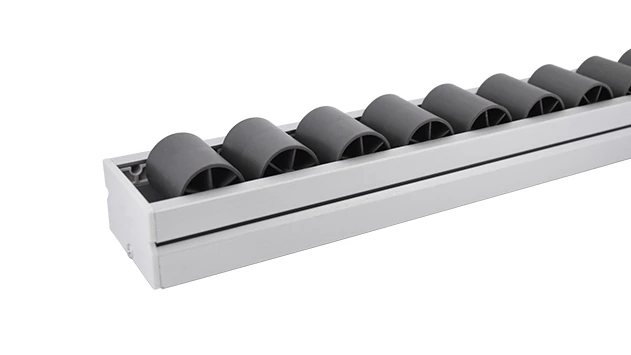
60 Aluminum Roller Track Grey Surface Treatment: Grey Anodization Explained
If you've ever stood in a busy production line, watching parts glide (or sometimes stick) along a roller track, you know how much a small component can impact the entire workflow. Roller tracks are the unsung heroes of manufacturing and warehousing—quietly keeping materials moving, but only if they're built to last. Today, we're diving deep into one specific type: the 60 aluminum roller track with grey anodization. What makes this surface treatment so special? How does it benefit your operations? Let's break it down, no jargon, just real talk from someone who's seen firsthand how the right roller track can transform a facility.
What Exactly Is a 60 Aluminum Roller Track?
First, let's get the basics out of the way. A 60 aluminum roller track refers to a track system made from 60-series aluminum profile (usually 6063 or 6061, known for their strength and machinability) with rollers attached to facilitate the smooth movement of materials. The "60" typically refers to the width of the track (around 60mm, though exact dimensions can vary by manufacturer). These tracks are a staple in flow racks, conveyors, and lean production lines—key components of modern manufacturing setups.
Unlike traditional steel tracks, aluminum roller tracks are lightweight yet durable, making them easy to install and reconfigure. This flexibility is crucial for lean systems, where production lines often need to adapt quickly to new products or processes. Whether you're building a flow rack for warehouse picking or a conveyor for assembly line parts, 60 aluminum roller tracks are a reliable choice—especially when paired with the right surface treatment.
Grey Anodization: The Process Behind the Protection
So, what is grey anodization? Let's think of it as giving your aluminum roller track a superpowered shield. Unlike painting or powder coating, which add a layer on top of the metal, anodization creates a protective layer
from
the metal itself. Here's how it works in simple terms:
1.
Cleaning:
The aluminum track is first thoroughly cleaned to remove any dirt, oil, or contaminants. This ensures the anodization process adheres evenly to the surface.
2.
Etching:
Next, the track is dipped in an acidic solution to create a rough, porous surface. This helps the anodized layer bond more effectively.
3.
Anodizing:
The track is immersed in an electrolyte bath (usually sulfuric acid) and connected to a power source. When electricity flows through the bath, oxygen ions from the electrolyte combine with aluminum atoms on the track's surface to form a layer of aluminum oxide. This layer grows gradually—typically between 5 and 25 microns thick, depending on the desired level of protection.
4.
Sealing:
Finally, the track is sealed to close the pores in the anodized layer. This step enhances corrosion resistance and gives the surface its characteristic matte grey finish.
The result? A hard, durable layer that's integrated into the aluminum, not just stuck on top. This means even if the surface gets scratched, the underlying metal is still protected to some extent—something you can't say about most other surface treatments.
Key Benefits of Grey Anodization for 60 Aluminum Roller Tracks
Now that we understand the process, let's talk about why grey anodization is such a great choice for 60 aluminum roller tracks. Here are the top benefits:
1. Unbeatable Corrosion Resistance:
One of the biggest advantages of grey anodization is its ability to protect aluminum from corrosion. Unlike painted surfaces that can chip or peel, the anodized layer is part of the metal. This makes it ideal for factories in humid climates or those dealing with chemicals (like in 3C assembly where solvents are used). No more worrying about rust or degradation eating away at your tracks over time.
2. Superior Scratch Resistance:
The anodized layer is much harder than raw aluminum. This means your roller tracks can handle heavy use—like moving metal parts or pallets—without showing unsightly scratches. For high-traffic areas (think busy warehouses or automotive assembly lines), this durability translates to fewer replacements and lower long-term costs.
3. Low Maintenance:
Grey anodized surfaces are easy to clean and maintain. A quick wipe with a mild soap and water is usually all it takes to keep them looking and performing their best. No need for expensive cleaning products or frequent touch-ups—perfect for busy operations where time is money.
4. Aesthetic Appeal:
The matte grey finish of anodized aluminum gives it a professional, industrial look that fits seamlessly into any manufacturing environment. It's not flashy, but it's functional and looks good doing its job. Plus, the finish is consistent across all tracks, so your production line will have a cohesive, polished appearance.
5. Eco-Friendly:
Aluminum is 100% recyclable, and the anodization process uses non-toxic materials. When it's time to reconfigure your line (a key part of flexible manufacturing), these tracks can be repurposed or recycled without harming the environment. This aligns perfectly with the sustainable improvement principles of lean systems.
How Grey Anodized Roller Tracks Support Lean Manufacturing Systems
Lean manufacturing is all about eliminating waste and improving efficiency, and grey anodized 60 aluminum roller tracks align perfectly with this philosophy. Let's see how:
Reduced Downtime:
Their durability means less downtime due to track failures. A single track failure can stop an entire production line, costing you time and money. With grey anodized tracks, you can minimize these disruptions and keep your line running smoothly.
Flexibility:
Aluminum tracks are lightweight and easy to reconfigure. If you need to adjust your production line to accommodate a new product, you can quickly move or repurpose these tracks without hassle. This flexibility is a cornerstone of flexible manufacturing systems.
Waste Reduction:
The reusability of aluminum tracks helps reduce waste. Instead of throwing away old tracks when you reconfigure your line, you can repurpose them elsewhere. This not only saves money but also reduces your environmental footprint—something that's becoming increasingly important for modern businesses.
Cost Efficiency:
While grey anodized tracks may have a slightly higher upfront cost than uncoated or painted tracks, their long lifespan and low maintenance needs make them a more cost-effective choice over time. You'll spend less on replacements and repairs, freeing up budget for other areas of your business.
Industry Applications: Where Grey Anodized Roller Tracks Shine
Grey anodized 60 aluminum roller tracks are versatile and can be used across a wide range of industries. Here are some key applications:
3C Assembly:
In the fast-paced world of consumer electronics (like smartphones and laptops), precision and efficiency are everything. Grey anodized roller tracks are resistant to solvents and oils, making them ideal for moving small components along assembly lines. Their smooth surface ensures parts glide easily, reducing the risk of damage.
Medical Equipment Manufacturing:
Hygiene and durability are non-negotiable in medical settings. Grey anodized tracks are resistant to harsh cleaning agents and sterilization processes, making them perfect for moving sensitive medical components. Whether you're assembling surgical instruments or packaging diagnostic devices, these tracks can handle the demands of a sterile environment.
Automotive Production:
Automotive factories deal with heavy parts and high volumes. Grey anodized tracks are strong enough to handle the weight of car components (like engines or body panels) and durable enough to withstand constant use. Their corrosion resistance also protects against oils and fluids common in automotive manufacturing.
Warehouse Logistics:
Flow racks are a staple in warehouses for optimizing picking processes. Grey anodized roller tracks ensure products move smoothly from the back of the rack to the front, reducing picking time and improving efficiency. Their durability means they can handle the constant flow of goods without wearing out quickly.
Mechanical Manufacturing:
For factories producing machinery, grey anodized tracks are ideal for moving heavy metal parts. Their scratch resistance ensures they stay looking and performing their best even in harsh industrial environments.
Grey Anodization vs. Other Surface Treatments: A Comparison
Treatment Type
Corrosion Resistance
Scratch Resistance
Maintenance Needs
Long-Term Cost
Aesthetic Appeal
Grey Anodization
High (resists acids, alkalis, moisture)
Excellent (hard oxide layer)
Low (mild cleaning only)
Moderate upfront, low over time
Matte grey, industrial, consistent
Powder Coating
Good (but chips expose base metal)
Good (but chips are visible)
Medium (touch-ups needed if chipped)
Low upfront, higher over time
Wide color options, glossy or matte
Plain Aluminum
Poor (oxidizes easily)
Poor (soft surface)
High (regular polishing needed)
Low upfront, very high over time
Shiny initially, dulls quickly
Painting
Fair (peels easily)
Fair (scratches easily)
High (frequent repainting)
Low upfront, highest over time
Custom colors, but inconsistent
As you can see, grey anodization stands out in terms of durability, maintenance, and long-term cost. While other treatments may offer more color options, they can't match the protection and longevity of anodization.
Maintenance Tips to Extend the Life of Your Grey Anodized Roller Tracks
Even though grey anodized tracks are low maintenance, a little care goes a long way. Here are some simple tips to keep them in top shape:
1. Clean Regularly:
Wipe down your tracks with a soft cloth and mild soap and water at least once a week. This removes dirt and debris that can cause friction or damage the surface.
2. Avoid Abrasive Cleaners:
Steer clear of scouring pads or harsh chemicals (like bleach or ammonia). These can scratch or damage the anodized layer.
3. Inspect for Damage:
Check your tracks regularly for signs of wear or damage. If you notice any dents or bent rollers, replace them immediately to prevent further issues.
4. Lubricate Rollers:
Keep the rollers lubricated with a light oil to ensure smooth movement. This is especially important for high-traffic areas.
5. Store Properly:
If you're not using your tracks, store them in a dry, cool place to prevent corrosion. Avoid stacking heavy items on top of them, as this can cause bending.
Final Thoughts: Why Grey Anodized 60 Aluminum Roller Tracks Are Worth the Investment
At the end of the day, choosing the right roller track is about balancing cost, durability, and performance. Grey anodized 60 aluminum roller tracks check all these boxes and more. Their corrosion resistance, scratch resistance, and low maintenance needs make them ideal for any manufacturing or warehousing setup.
Whether you're building a new flow rack, upgrading your conveyor system, or reconfiguring your lean production line, these tracks are a smart investment. They'll help you reduce downtime, improve efficiency, and cut long-term costs—all while aligning with the sustainable principles of modern manufacturing.
So next time you're in the market for roller tracks, don't just settle for the cheapest option. Think about the long-term value. Grey anodized 60 aluminum roller tracks may cost a little more upfront, but they'll pay for themselves in no time with their durability and performance.