- Company Articles
- Products and Technology
- Installation And Maintenance
- 60 Aluminum Roller Track Grey Troubleshooting: Common Issues & Fixes

60 Aluminum Roller Track Grey Troubleshooting: Common Issues & Fixes
Related Product
60 Aluminum Roller Track Grey
Modular system roller tracks aluminum gravity roller tracks are an excellent solution for transporting materials within industrial environments, warehouses and distribution centres.
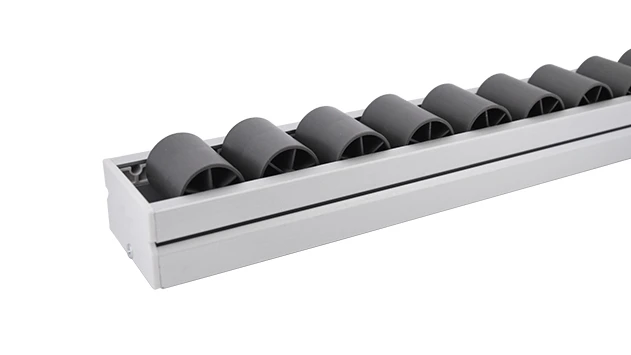
If you've ever worked in a warehouse, production line, or any setting where materials move smoothly from one place to another, chances are you've encountered the 60 Aluminum Roller Track Grey. This sturdy, versatile component is a workhorse in many industrial setups—from flow racks that keep parts organized to conveyors that move products down assembly lines. Made from high-quality aluminum profile, it's designed to handle heavy loads while maintaining a smooth, consistent flow. But like any hardworking tool, it can run into issues over time. Sticky rollers, misaligned tracks, or loose connections can slow down operations, disrupt workflows, and even lead to product damage. In this guide, we'll walk you through the most common problems you might face with your 60 Aluminum Roller Track Grey, plus step-by-step fixes to get things back on track. Whether you're a maintenance tech, a production manager, or someone who just wants to keep their setup running smoothly, this article has everything you need to know.
1. Common Issues & Step-by-Step Fixes
1.1 Rollers Sticking or Not Rotating Smoothly
Symptoms: You notice that products aren't sliding as easily as they used to. Some rollers might be completely stuck, while others spin slowly or jerkily. This can cause bottlenecks in your flow rack or conveyor line, leading to delayed production and frustrated workers. For example, in a 3C assembly line, a stuck roller could hold up the entire process of attaching screens to smartphones.
Possible Causes:
Dirt and Debris Buildup: Dust, grease, or small particles (like metal shavings from machining, plastic fragments from injection molding, or even food crumbs in a packaging plant) can get trapped between the rollers and their axles. Over time, this buildup hardens, creating friction that stops rollers from spinning freely.
Lack of Lubrication: The lubricant on roller axles wears off with repeated use. Without it, metal-on-metal friction increases, leading to squeaky or sticky rollers.
Bent or Damaged Rollers: If a roller is hit by a heavy pallet, dropped during installation, or subjected to an unexpected overload, it might bend. A bent roller rubs against the track frame or doesn't rotate in a straight line, causing it to stick.
Fixes:
Step 1: Clean Rollers & Axles
First, turn off motorized conveyors to avoid accidents. Use a soft-bristled brush to sweep loose debris from rollers and gaps. For stubborn grease, mix mild dish soap with warm water—avoid harsh chemicals like bleach, which can damage the aluminum profile. Dip a microfiber cloth into the solution and wipe each roller gently. After cleaning, dry thoroughly with a lint-free cloth to prevent corrosion.
Step 2: Lubricate Axles
Apply a small drop of silicone lubricant to each axle (use food-grade lubricant if in food processing). Use a cotton swab to spread it evenly, then spin the roller manually to distribute the lubricant. Silicone is ideal because it repels dust—oil-based lubricants attract dirt and make problems worse over time.
Step3: replace Bent Rollers
Locate the retaining clip or screw holding the bent roller. Use pliers (for clips) or a Phillips screwdriver (for screws) to remove it. Pull out the old roller and insert a new 60mm grey aluminum roller. Reattach the clip/screw and test the roller—if it spins smoothly, you're done.
Pro Tips: Wipe rollers weekly with a dry cloth. For dusty environments (like woodworking shops), use a dust cover when the track isn't in use. If you notice frequent debris buildup, consider adding a small brush at the start of the track to sweep particles away before they reach the rollers.
1.2 Track Misalignment Leading to Product Jams
Symptoms: Products get stuck or veer off the track. You might see gaps between segments or notice one part of the track is higher than another. This is common in long conveyor lines or flow racks that span multiple sections.
Possible Causes:
Loose Mounting Brackets: Brackets attaching the track to aluminum profile or lean pipe frames can loosen over time due to vibration from heavy loads.
Uneven Surfaces: A warehouse floor with dips, or a lean pipe frame that wasn't leveled properly during installation, can cause the track to tilt.
Incorrect Installation: Track segments might not have been flush during setup, leading to gaps that catch products.
Fixes:
Step1: Tighten Brackets
Use a wrench or screwdriver to check all mounting brackets. Pay extra attention to joints between segments—these are prone to loosening. For heavy-duty setups, use lock washers to prevent brackets from coming loose again.
Step2: Level the Track
Use a spirit level to check the track's surface. If a section is uneven, adjust the frame's feet (for lean pipe setups) or add shims under the brackets. For example, if the track tilts to the right, place a thin metal shim under the left bracket to level it.
Step3: Realign Segments
Loosen brackets holding misaligned segments. Push them together until flush, then retighten. Use a laser level for long tracks to ensure straightness—this avoids gaps that trap products.
Pro Tips: Use laser levels during installation to ensure alignment. For conveyor lines, add guide rails along the sides to keep products centered, reducing the risk of jams even if the track is slightly misaligned.
1.3 Loose Connections Between Track Segments
Symptoms: Gaps between track segments or segments that move when pushed. Products can get caught in gaps or fall off the track, leading to damage or waste.
Possible Causes:
Worn Connectors: Roller track connectors (like 40 fluent flat joints) can wear out from repeated use or overload.
Fixes:
Step1: Inspect Connectors
Check each connector for cracks, bent parts, or wear. If a connector is damaged, replace it with a new one (ensure it's compatible with your 60mm track).
Step2: Reconnect Segments
Loosen brackets holding the affected segments. insert a new connector into both segments until flush, then retighten brackets. Test the connection by pushing the segments—they shouldn't move.
Step3: Check Load Capacity
Refer to the manufacturer's specs to ensure you're not overloading the track. If you are, reduce the load or add extra support brackets to distribute weight evenly.
Pro Tips: Use high-quality aluminum profile accessories for connectors—they're more durable than plastic ones. For heavy loads, use reinforced connectors to prevent loosening.
1.4 Surface Scratches or Corrosion
Symptoms: The grey finish is scratched or peeling, and you see rust/corrosion. Scratches catch products, while corrosion weakens the track over time.
Possible Causes:
Impact Damage: Heavy objects hitting the track (like metal pallets) cause scratches.
Moisture Exposure: Damp warehouses or outdoor use lead to corrosion.
Fixes:
Step1: Repair Scratches
For minor scratches, use 2000-grit sandpaper to smooth the area. Wipe with a dry cloth, then apply a touch-up paint matching the grey finish. For deep scratches, replace the affected segment.
Step2: Treat Corrosion
For light corrosion, mix equal parts vinegar and water. Dip a cloth into the solution and wipe the corroded area. Rinse with clean water and dry thoroughly. For severe corrosion, replace the segment.
Pro Tips: Apply a clear protective sealant to the track to prevent scratches and corrosion. For outdoor use, choose a track with a weather-resistant coating.
1.5 Excessive Noise
Symptoms: Squeaking, grinding, or rattling noises during operation. This is distracting and indicates an underlying issue.
Possible Causes:
Dry Rollers: Lack of lubrication causes squeaking.
Loose Parts: Brackets or connectors rattle when loose.
Fixes:
Step1: Lubricate Rollers
As before, apply silicone lubricant to axles. This should reduce squeaking.
Step2: Tighten Loose Parts
Check all brackets and connectors. Tighten any loose screws/bolts. If a roller is loose, reinsert it properly.
Pro Tips: Regular lubrication prevents noise. If noise persists, check for worn parts—they might need replacement.
1.6 Quick Troubleshooting Table
| Issue | Possible Cause | Quick Fix |
|---|---|---|
| Sticky Rollers | Dirt buildup or dry axles | Clean and lubricate rollers |
| Track Misalignment | Loose brackets or uneven surface | Tighten brackets and level track |
| Loose Segments | Worn connectors or overload | replace connectors and reduce load |
| Scratches/Corrosion | Impact damage or moisture | Repair scratches or treat corrosion |
| Excessive Noise | Dry rollers or loose parts | Lubricate and tighten parts |
2. Preventive Maintenance Schedule
Preventive maintenance extends your track's life and avoids costly repairs. Follow this schedule:
2.1 Weekly Checks
Wipe track with dry cloth to remove dust.
Listen for unusual noises.
Check for stuck rollers.
2.2 Monthly Checks
Lubricate rollers with silicone.
Tighten brackets and connectors.
Inspect for scratches/corrosion.
2.3 Quarterly Checks
Level track with spirit level.
replace worn parts.
Deep clean track with mild soap and water.

3. Role in Lean Manufacturing Systems
The 60 Aluminum Roller Track Grey is a core component of lean systems, which focus on reducing waste and improving efficiency:
3.1 Flow Racks & Continuous Flow
Flow racks with this track follow the FIFO principle—materials slide forward as workers take parts from the front. This reduces waiting time and ensures fresh materials are used first.
3.2 Conveyors & Smooth Production
In lean pipe conveyors, this track moves products from station to station without interruption. For example, in a medical device plant, it carries components from assembly to testing, minimizing bottlenecks.
3.3 Reusability & Flexibility
Made from aluminum profile, the track is reusable. If you rearrange your production line, you can disassemble it and reuse it elsewhere—this aligns with lean's "reusable and continuously improvable".

4. Conclusion
The 60 Aluminum Roller Track Grey is an essential tool for industrial setups. By understanding common issues and following preventive maintenance, you can keep it running smoothly. Remember, it's not just a component—it's part of your lean system, helping you reduce waste and improve efficiency. Take care of your track, and it will serve you well for years to come.