- Company Articles
- Products and Technology
- Product knowledge
- 60 Aluminum Roller Track Grey vs. Black: Color Differences and Use Cases

60 Aluminum Roller Track Grey vs. Black: Color Differences and Use Cases
Related Product
60 Aluminum Roller Track Grey
Modular system roller tracks aluminum gravity roller tracks are an excellent solution for transporting materials within industrial environments, warehouses and distribution centres.
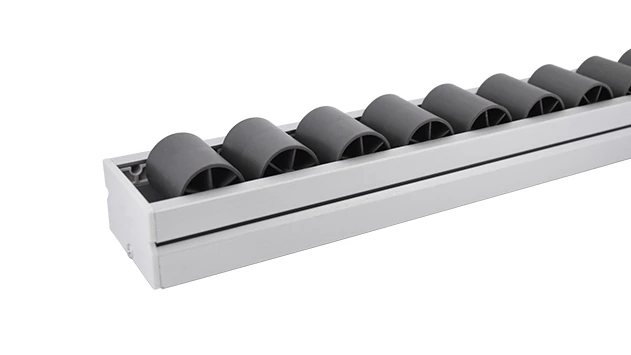
Let's get real—when you're setting up a flow rack or conveyor system for your factory, every small decision adds up. Do you go with grey or black 60 aluminum roller tracks? It might seem like a trivial choice at first glance, but anyone who's spent time on a production line knows that the right color can make a big difference in efficiency, safety, and even maintenance. Whether you're in 3C assembly, medical device manufacturing, or warehouse logistics, this choice affects how your team works every day.
At szsunqit, we've helped hundreds of businesses pick the perfect roller tracks for their lean system setups. From clean rooms to busy automotive lines, we've seen firsthand how grey and black 60 aluminum roller tracks perform in real-world scenarios. In this article, we'll break down the key differences between these two colors, their unique benefits, and which one fits your specific needs best.
What Exactly Are 60 Aluminum Roller Tracks?
Before diving into color comparisons, let's make sure we're on the same page about what 60 aluminum roller tracks are. These tracks are a staple in modern lean manufacturing—they're lightweight, durable, and designed to move parts and products smoothly along flow racks, conveyors, and workstations. The "60" typically refers to the width of the track (in millimeters), making it ideal for medium to large-sized items like electronic components, automotive parts, or medical devices.
Made from high-quality aluminum extrusion profile (a key product from szsunqit), these tracks are resistant to rust and corrosion, which is essential for long-term use in factory environments. They're also easy to install and integrate into existing lean systems, whether you're building a new flow rack or upgrading an old conveyor line.
Grey vs. Black: Beyond the Surface—Key Differences
When you look at grey and black 60 aluminum roller tracks, the first thing you notice is their color. But there's more to it than meets the eye. Let's break down the most important differences:
1. ESD Properties: A Game-Changer for Sensitive Industries
One of the biggest differences between grey and black 60 roller tracks is their electrostatic discharge (ESD) capabilities. If you work with sensitive electronics (like 3C assembly or medical devices), ESD protection is non-negotiable—it prevents static electricity from damaging delicate components.
Black 60 aluminum roller tracks are often coated with an ESD-resistant finish. This means they can safely dissipate static charges, making them perfect for esd workstations and lines where static control is critical. On the other hand, grey tracks are usually non-ESD, which makes them a better fit for industries where static isn't a major concern (like general warehouse storage or non-electronic parts assembly).
2. Aesthetic & Environment Fit
Color plays a big role in how your factory floor looks and feels. Grey 60 roller tracks have a clean, modern look that fits well in sterile environments like medical device manufacturing clean rooms or consumer electronics assembly lines. They blend in with light-colored workstations and walls, creating a calm, organized atmosphere that's easy on the eyes during long shifts.
Black tracks, on the other hand, have a more industrial, robust vibe. They're great for high-traffic areas like automotive production lines or heavy-duty warehouse conveyors. Black hides scuffs and scratches better than grey (at least initially), so your tracks will look newer for longer in busy environments. Plus, black tracks stand out against lighter-colored products, making it easier for workers to see where items are moving.
3. Visibility & Safety
Safety is always a top priority in any factory. Let's talk about how color affects visibility:
- Grey Tracks: In well-lit areas, grey tracks provide good contrast with dark-colored products. This makes it easier for workers to spot if a product is stuck or if there's debris on the track. However, in low-light environments, grey can blend in with the background, which might make it harder to see the track itself.
- Black Tracks: In low-light areas, black tracks are easier to see because they contrast with lighter surroundings. But they tend to show dust and small debris more clearly—this can be a good thing, though, because it reminds workers to clean the tracks regularly, preventing jams and accidents.
4. Maintenance & Durability
Both grey and black 60 aluminum roller tracks are made from the same durable aluminum material, so their core durability is similar. But the color coating can affect how you maintain them:
Grey tracks are less likely to show minor scratches and dust, which means you might not need to clean them as often (though regular maintenance is still important). Black tracks, especially ESD-rated ones, have a specialized coating that needs to be kept clean to maintain their ESD properties. If you neglect cleaning black ESD tracks, dust and debris can build up and reduce their effectiveness.
Another point: Black coatings are sometimes thicker than grey ones, which can make them more resistant to heavy wear and tear. This is why black tracks are a popular choice for conveyor systems that handle heavy loads day in and day out.
Quick Comparison: Grey vs. Black 60 Aluminum Roller Tracks
| Feature | Grey 60 Aluminum Roller Track | Black 60 Aluminum Roller Track |
|---|---|---|
| ESD Rating | Non-ESD (usually) | ESD-resistant (common) |
| Best For Environments | Clean rooms, 3C assembly (non-static), medical device manufacturing | Automotive lines, heavy-duty conveyors, ESD workstations |
| Visibility of Debris | Hides minor debris; good contrast with dark products | Shows debris clearly; good contrast in low light |
| Scratch Resistance Perception | Minor scratches less visible | Scratches more visible initially, but thicker coating may resist wear |
| Maintenance Needs | Low (less frequent cleaning) | Moderate (regular cleaning for ESD effectiveness) |
| Typical Use Cases | Flow racks for consumer electronics, medical parts storage | Conveyors for automotive parts, ESD flow racks for sensitive components |

Use Cases for Grey 60 Aluminum Roller Tracks
Grey 60 roller tracks are a versatile choice for many industries. Let's look at some specific scenarios where they shine:
1. Medical Device Manufacturing Clean Rooms
Medical device manufacturing requires a sterile, organized environment. Grey tracks fit perfectly here because they're neutral, non-ESD, and easy to clean. Szsunqit's grey 60 roller tracks are often used in flow racks for storing and moving medical components like syringes, surgical tools, and diagnostic equipment. Since these parts aren't sensitive to static, non-ESD grey tracks are ideal.
2. Consumer Electronics (3C) Assembly Lines
3C assembly lines (like those for smartphones, laptops, and tablets) need to be clean and efficient. Grey 60 roller tracks are great for flow racks that hold small electronic parts (like batteries, screens, and circuit boards—though note: if the parts are static-sensitive, you'd need black ESD tracks). For non-static parts, grey tracks provide good contrast, making it easy for workers to pick the right parts quickly. Szsunqit's custom lean solutions for 3C assembly often include grey roller tracks as part of their flexible workstations.
3. Warehouse Storage for Non-Electronic Parts
If you're storing non-electronic parts like plastic components, metal fasteners, or packaging materials, grey 60 roller tracks are a smart choice. They're durable enough to handle daily use, and their neutral color doesn't clash with the warehouse's existing setup. Szsunqit's flow racks with grey tracks are popular in warehouses because they're easy to assemble and reconfigure—perfect for lean storage practices.

Use Cases for Black 60 Aluminum Roller Tracks
Black 60 roller tracks are a go-to for industries that need ESD protection or heavy-duty performance. Let's explore their best use cases:
1. ESD Workstations for Sensitive Electronics
Sensitive electronic components (like microchips, sensors, and memory cards) are easily damaged by static electricity. Black 60 roller tracks with ESD coating are essential here—they dissipate static charges, keeping your parts safe. Szsunqit's esd workstations often include black roller tracks as part of the setup, ensuring that every step of the assembly process is static-free. For example, in a 3C assembly line where workers handle circuit boards, black ESD tracks prevent static from ruining expensive components.
2. Automotive Production Lines
Automotive production lines are busy, high-traffic environments. Black 60 roller tracks are perfect here because they're durable and can handle heavy loads (like engine parts, door panels, and tires). The industrial look of black tracks fits well with the rugged atmosphere of automotive factories. Szsunqit's conveyor systems for automotive plants often use black roller tracks—they're resistant to scratches and wear, so they last longer even with constant use.
3. Heavy-Duty Conveyor Systems
Conveyor systems that move heavy items (like pallets, large boxes, or industrial machinery parts) need tracks that can withstand constant stress. Black 60 roller tracks are up to the task—their thicker coating and robust design make them ideal for these applications. Szsunqit's custom conveyor solutions often feature black tracks, as they're reliable and require minimal maintenance (as long as they're cleaned regularly).
4. Low-Light Warehouse Areas
In low-light areas (like storage rooms or shipping docks), black tracks are easier to see than grey ones. This improves safety, as workers can quickly spot the track and avoid tripping or dropping items. Szsunqit's flow racks with black tracks are often used in these areas, as they help maintain a safe working environment.
How to Choose the Right Color for Your Needs
Now that you know the differences between grey and black 60 aluminum roller tracks, how do you pick the right one? Here's a step-by-step guide:
Step 1: Determine if You Need ESD Protection
This is the most important question. If you work with sensitive electronics or static-sensitive parts, go with black ESD-rated 60 roller tracks. If static isn't a concern, grey tracks are a great option.
Step 2: Assess Your Environment
Think about your factory's lighting, cleanliness, and traffic:
- Well-lit, clean environments (like clean rooms): Grey tracks are better.
- Low-light, high-traffic areas (like automotive lines): Black tracks are better.
Step 3: Consider Maintenance Effort
If you don't have time for regular cleaning, grey tracks are a better choice. If you're willing to clean your tracks regularly (especially for ESD protection), black tracks are a great option.
Step 4: Think About Your Brand & Aesthetic
Does your factory have a specific color scheme? If you want a modern, clean look, go with grey. If you prefer an industrial, robust vibe, black is the way to go.
Step 5: Consult a Lean Solution Expert
Still unsure? Reach out to a lean solution provider like szsunqit. Their experts can assess your specific needs and recommend the best roller track color for your setup. They also offer custom designs, so you can get exactly what you need for your industry.
Real-World Examples from Szsunqit Customers
Let's look at two real-world examples of how szsunqit's customers used grey and black 60 aluminum roller tracks to improve their operations:
Case Study 1: Medical Device Manufacturer Chooses Grey Tracks
A leading medical device manufacturer in Shenzhen needed to upgrade their flow racks for storing surgical tools. They wanted a sterile, organized environment that fit their clean room standards. Szsunqit recommended grey 60 aluminum roller tracks—they're neutral, non-ESD, and easy to clean.
After installing the grey tracks, the manufacturer reported a 15% increase in picking efficiency (since workers could easily spot the tools against the grey background). They also noted that the tracks looked new even after six months of daily use, which reduced maintenance costs.
Case Study 2: 3C Assembly Plant Uses Black ESD Tracks
A 3C assembly plant in Guangzhou was struggling with static damage to their circuit boards. They needed a solution that would protect their sensitive components while improving their assembly line efficiency. Szsunqit suggested black ESD-rated 60 aluminum roller tracks for their flow racks and conveyors.
After the upgrade, the plant saw a 20% reduction in static-related defects. Workers also reported that the black tracks were easier to see in their low-light assembly area, which reduced accidents and improved productivity. The plant manager noted that the black tracks fit well with their industrial aesthetic and were durable enough to handle constant use.
Conclusion
Choosing between grey and black 60 aluminum roller tracks isn't just about color—it's about finding the right fit for your industry, environment, and operational needs. Grey tracks are perfect for clean, well-lit areas where static isn't a concern, while black tracks are ideal for ESD-sensitive applications and heavy-duty environments.
At szsunqit, we offer both grey and black 60 aluminum roller tracks as part of our lean system solutions. Whether you need a custom flow rack, conveyor system, or esd workstation, our experts can help you pick the right tracks for your business. We focus on "reusable, sustainable improvement" (our core lean), so our products are designed to grow with your operations.
So, what's your next step? If you're ready to upgrade your roller tracks, visit szsunqit's website to learn more about their products and services. You'll find everything you need to build a more efficient, safe, and productive factory floor.