- Company Articles
- Products and Technology
- Product knowledge
- 60 Aluminum Roller Track Grey vs. Nylon-Coated Tracks: Speed & Precision

60 Aluminum Roller Track Grey vs. Nylon-Coated Tracks: Speed & Precision
Related Product
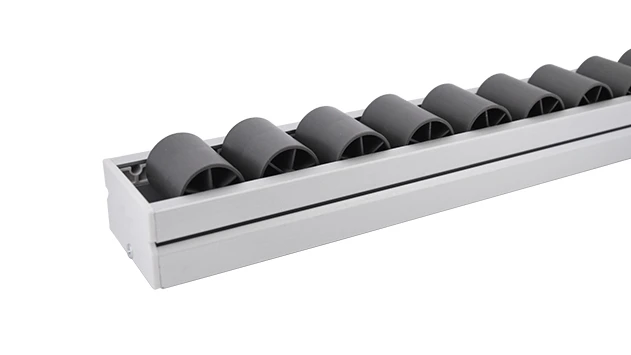
60 Aluminum Roller Track Grey
Modular system roller tracks aluminum gravity roller tracks are an excellent solution for transporting materials within industrial environments, warehouses and distribution centres.
60 Aluminum Roller Track Grey vs. Nylon-Coated Tracks: Speed & Precision
In the world of lean manufacturing, every component plays a crucial role in optimizing workflow and reducing waste. Roller tracks are no exception—they're the unsung heroes that keep materials moving smoothly from one station to another, whether in a flow rack, conveyor system, or custom lean solution. Today, we're diving deep into two popular types of roller tracks: the 60 Aluminum Roller Track Grey and Nylon-Coated Tracks. We'll compare their performance in terms of speed and precision, helping you decide which one fits your production needs best.
What Is 60 Aluminum Roller Track Grey?
The 60 Aluminum Roller Track Grey is a robust component designed for heavy-duty applications. Made from high-quality aluminum extrusion profile, this track features a sleek grey finish that not only looks professional but also resists corrosion and wear. The "60" refers to its width, making it suitable for handling medium to large-sized items.
This track is part of a broader range of aluminum profile accessories that support lean manufacturing principles. Its rollers are precision-engineered to ensure consistent movement, and the aluminum construction means it's lightweight yet durable—perfect for integration into flow racks or conveyor systems. Whether you're in the 3C assembly industry or managing a warehouse logistics operation, this track can handle the demands of continuous use.
One of the key benefits of the 60 Aluminum Roller Track Grey is its compatibility with other lean system components. It works seamlessly with aluminum pipe accessories, allowing you to build custom workstations or material handling setups that adapt to your changing needs. The grey color also helps in maintaining a clean, organized workspace, which is essential for industries like medical equipment manufacturing where hygiene is a priority.
Understanding Nylon-Coated Tracks
Nylon-Coated Tracks, on the other hand, are roller tracks where the metal rollers are coated with a layer of nylon. This coating serves multiple purposes: it reduces friction, minimizes noise, and protects delicate items from scratches.
Nylon is a synthetic polymer known for its low friction coefficient and high wear resistance. When applied to roller tracks, it creates a smooth surface that allows materials to glide easily, which can boost speed in certain applications. These tracks are often used in industries where product protection is critical, such as consumer electronics or medical device assembly, where even minor scratches can compromise product quality.
Like their aluminum counterparts, Nylon-Coated Tracks are versatile and can be integrated into various lean system setups, including flow racks and conveyors. They're also compatible with many aluminum profile accessories, making them a flexible choice for custom lean solutions.
Speed Showdown: Which Track Moves Materials Faster?
Speed is a vital factor in any production line—faster material flow means higher efficiency and shorter lead times. Let's see how these two tracks stack up.
The 60 Aluminum Roller Track Grey's aluminum construction and precision rollers contribute to a smooth, consistent flow. Aluminum has a lower friction coefficient than some other metals, but when compared to nylon, it's slightly higher. However, aluminum tracks can handle heavier loads without bending or warping, which means they maintain their speed even under pressure. For example, in an automotive parts warehouse, where heavy components are moved regularly, the aluminum track's sturdiness ensures that items don't slow down due to weight.
Nylon-Coated Tracks, with their low-friction surface, excel in moving lighter to medium-weight items quickly. The nylon coating reduces the resistance between the roller and the item, allowing it to slide faster. This is particularly beneficial in 3C assembly lines, where small, delicate parts need to be transported efficiently without damage. A test conducted in a consumer electronics factory showed that nylon-coated tracks moved circuit boards 15% faster than uncoated aluminum tracks of the same size.
But speed isn't just about the material—it also depends on the load. Aluminum tracks can maintain speed with heavier loads, while nylon tracks may slow down if overloaded. So, if your operation deals with heavy items, the 60 Aluminum Roller Track Grey might be the better choice for consistent speed. For lighter, delicate items, nylon-coated tracks offer a speed advantage.
| Factor | 60 Aluminum Roller Track Grey | Nylon-Coated Tracks |
|---|---|---|
| Friction Coefficient | Slightly higher than nylon | Low, due to nylon coating |
| Speed with Light Loads | Good | Excellent |
| Speed with Heavy Loads | Excellent (maintains consistency) | Good (may slow down if overloaded) |
| Ideal Load Range | Medium to heavy | Light to medium |
Precision: Alignment & Consistency in Movement
Precision is another critical aspect—materials need to move in a straight line, align correctly with workstations, and stop at the right spot to avoid errors.
The 60 Aluminum Roller Track Grey's rigid aluminum structure ensures excellent alignment. Aluminum extrusion profiles are manufactured with tight tolerances, so each track segment fits perfectly with the next, reducing gaps that could cause materials to shift. This precision is essential in applications like medical device assembly, where components must be positioned exactly for proper fitting.
Nylon-Coated Tracks also offer good precision, but the nylon coating can wear over time, which might affect alignment. However, the coating's smoothness helps in maintaining consistent movement, so items don't jerk or get stuck. In 3C assembly lines, where small parts need to be placed accurately, nylon-coated tracks can provide the necessary precision without scratching the components.
Another factor in precision is the roller's rotation. Both tracks have well-engineered rollers, but aluminum tracks tend to have more consistent rotation due to their metal construction. This is important in conveyor systems where items need to move at a steady pace to sync with other machines. For example, in a packaging line, the aluminum track's precise roller rotation ensures that boxes are spaced evenly, making it easier for robots to pick and pack them.
When it comes to stopping precision, aluminum tracks have an edge. The rigid structure allows for more accurate braking, which is crucial in automated systems where items need to stop at specific points. Nylon-coated tracks can also stop precisely, but the flexibility of the nylon may lead to slight variations in stopping positions over time.
Application Scenarios: Where Each Track Shines
Let's look at where each track is most effective based on industry and use case.
60 Aluminum Roller Track Grey Ideal Uses
- Automotive Manufacturing: Moving engine parts, body panels, and other heavy components. The track's sturdiness handles the weight without compromising speed or precision.
- Warehouse Logistics: Integrating into flow racks for storing and retrieving large, heavy items. It supports efficient picking and packing operations.
- Industrial Machinery: Supporting conveyors that handle bulky machinery parts. The aluminum construction resists wear from constant use.
- Heavy Equipment Assembly: Transporting parts for construction equipment or agricultural machinery. The track's durability ensures long-term performance.
Nylon-Coated Tracks Ideal Uses
- 3C Assembly: Transporting smartphones, laptops, and their components without scratches. The nylon coating protects delicate surfaces.
- Medical Device Manufacturing: Moving delicate instruments and devices that require gentle handling. The low friction ensures smooth movement without damage.
- Consumer Electronics: Handling circuit boards, screens, and other sensitive parts. The coating prevents scratches and reduces noise in the production line.
- Pharmaceutical Packaging: Transporting medication bottles and packages that need to be moved gently to avoid breakage.
Both tracks are part of lean solutions that emphasize reusability and continuous improvement. So, whether you choose aluminum or nylon, you can adapt your setup as your production needs change. For example, if your line shifts from heavy to light components, you can swap tracks or integrate both into your system for optimal results.
Durability & Maintenance: Long-Term Performance
Durability is key to long-term cost savings. Let's compare how these tracks hold up over time and what maintenance they require.
60 Aluminum Roller Track Grey Durability & Maintenance
Aluminum is naturally resistant to rust and corrosion, making the track suitable for harsh manufacturing environments. The grey finish adds an extra layer of protection against wear and tear. Here's what to expect:
- Lifespan: Typically 5-7 years with heavy use, longer in lighter applications.
- Maintenance: Minimal. Regular cleaning with a dry or slightly damp cloth to remove dust and debris is sufficient. No need for lubrication, as the rollers are pre-lubricated for smooth operation.
- Resistance: Resists chemicals, moisture, and temperature fluctuations, making it versatile across industries.
Nylon-Coated Tracks Durability & Maintenance
Nylon is durable, but the coating can chip or wear off over time, especially if exposed to sharp objects or heavy loads. Here's the breakdown:
- Lifespan: 3-4 years with heavy use, 5+ years in lighter applications.
- Maintenance: Regular inspection of the coating for damage. If the coating wears, the track may need replacement to avoid scratching items. Cleaning is similar to aluminum tracks—wipe down to remove debris.
- Resistance: Resists chemicals and moisture, but the coating is less resistant to sharp impacts than aluminum.
In terms of long-term value, the 60 Aluminum Roller Track Grey offers better durability, especially in heavy-duty settings. However, nylon-coated tracks are a great choice if your priority is protecting delicate items and you don't have heavy loads.
Cost-Effectiveness: Initial Investment vs. Long-Term Value
When choosing between these tracks, it's important to consider both initial cost and long-term value.
Initial Cost
The 60 Aluminum Roller Track Grey has a higher initial cost. Aluminum is a more expensive material, and the extrusion process adds to the manufacturing cost. On average, it's 20-30% more expensive than nylon-coated tracks of the same size.
Nylon-Coated Tracks are cheaper upfront. The nylon coating is less expensive than aluminum, so these tracks are a budget-friendly option for small businesses or operations with lighter needs.
Long-Term Value
While aluminum tracks cost more initially, their longer lifespan and lower maintenance costs make them more cost-effective over time. For example, if you use aluminum tracks in a busy warehouse, you might spend $500 on a track that lasts 7 years, resulting in an annual cost of ~$71. A nylon-coated track might cost $350 but last only 4 years, leading to an annual cost of ~$87.50. Over time, the aluminum track saves money.
Nylon-coated tracks are cost-effective if you have light loads and don't need the track to last as long. They're also a good choice if you need to replace tracks frequently due to changing production needs, as the lower initial cost minimizes investment risk.
| Cost Aspect | 60 Aluminum Roller Track Grey | Nylon-Coated Tracks |
|---|---|---|
| Initial Cost | Higher (20-30% more) | Lower |
| Annual Maintenance Cost | Low | Moderate (inspections + potential replacements) |
| Total Cost Over 5 Years | Lower (due to longer lifespan) | Higher (more frequent replacements) |
| Best For | Long-term, heavy-use applications | Short-term or light-use applications |
Conclusion: Making the Right Choice
Choosing between the 60 Aluminum Roller Track Grey and Nylon-Coated Tracks depends on your specific production needs. Here's a quick recap to help you decide:
Opt for the 60 Aluminum Roller Track Grey if:
- You handle heavy loads regularly.
- Durability and long-term value are top priorities.
- You need consistent speed and precision in harsh environments.
- Your industry is automotive, warehouse logistics, or heavy machinery.
Choose Nylon-Coated Tracks if:
- You move light to medium-weight, delicate items.
- Product protection (no scratches) is critical.
- You have a limited budget upfront.
- Your industry is 3C assembly, medical devices, or consumer electronics.
Both tracks are valuable components of lean systems that help optimize workflow and reduce waste. Whether you're building a custom flow rack, conveyor system, or lean solution, the right track will enhance your production efficiency and support continuous improvement. Remember to consider your specific use case, load requirements, and long-term goals when making your decision.