- Company Articles
- Products and Technology
- Product knowledge
- 60 Aluminum Roller Track Grey vs. Painted Steel Track: Cost & Longevity

60 Aluminum Roller Track Grey vs. Painted Steel Track: Cost & Longevity
Related Product
60 Aluminum Roller Track Grey
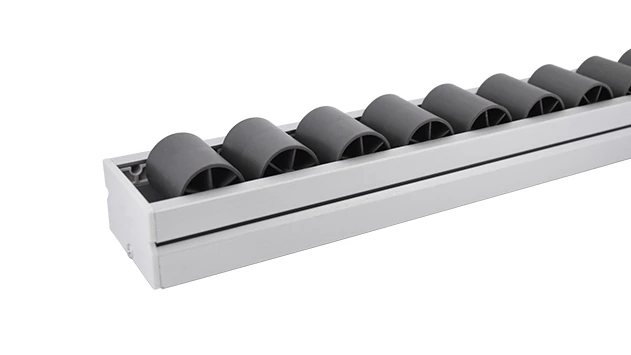
Modular system roller tracks aluminum gravity roller tracks are an excellent solution for transporting materials within industrial environments, warehouses and distribution centres.
When it comes to setting up a smooth, efficient material handling system—whether it's a flow rack for your warehouse or a conveyor line for your production floor—every component counts. Roller tracks are the unsung heroes here, quietly ensuring that parts, products, and packages glide from point A to point B without hiccups. But not all roller tracks are created equal. Today, we're putting two popular options head-to-head: the 60 Aluminum Roller Track Grey and the classic painted steel track. We'll break down their costs, how long they last, and which one might be the better fit for your needs.
What Is 60 Aluminum Roller Track Grey?
Let's start with the 60 Aluminum Roller Track Grey. As the name suggests, this track is made from aluminum extrusion profile—specifically, a 60mm-wide design that's common in many industrial setups. The grey finish isn't just for looks; it's a durable coating that adds an extra layer of protection against scratches and minor wear.
Aluminum is known for being lightweight yet strong, which makes this track easy to install and maneuver. You don't need a team of heavy lifters to set it up, and it's less likely to put unnecessary strain on your racks or conveyor frames. Another big plus? Aluminum naturally resists corrosion. Unlike steel, it won't rust when exposed to moisture, making it a great choice for environments where humidity is a concern—think warehouses near the coast, or production lines that use water-based cleaning solutions.
The 60mm width means it can handle a decent load capacity, too. Whether you're moving small electronic components for 3C assembly or larger parts for automotive manufacturing, this track can keep up. And because it's part of a lean system, it fits right into the idea of flexible, adaptable workflows. You can easily reconfigure it as your production needs change, which is a huge win for businesses that value scalability.
What Is Painted Steel Track?
Now, let's talk about painted steel track. This is the more traditional option, made from steel that's coated with a layer of paint to protect it from rust and give it a clean look. Steel is inherently strong, so painted steel tracks are often chosen for heavy-duty applications where load capacity is a top priority.
One of the main draws of painted steel track is its initial cost. It's usually cheaper than aluminum, which makes it attractive for businesses working with a tight budget. But don't let the low upfront price fool you—there are trade-offs. The paint coating, while helpful, isn't invincible. Over time, it can chip or scratch off, especially if you're moving sharp or heavy items. Once the paint is gone, the steel underneath is exposed to the elements, and rust can start to form. That means you'll need to keep an eye on it and touch up the paint regularly to prevent further damage.
Steel is also heavier than aluminum, which can make installation more labor-intensive. You might need extra tools or manpower to get it in place, and it can add more weight to your overall system. On the flip side, the weight contributes to its sturdiness—painted steel tracks can handle higher loads than their aluminum counterparts, which is why they're often used in industries like construction or heavy machinery manufacturing where raw materials are bulky and heavy.

Cost Comparison: Initial vs. Long-Term
Cost is always a big factor when making equipment decisions. Let's break down the costs of both tracks, from the moment you buy them to the years of use ahead.
Initial Purchase Cost
Right out of the gate, painted steel track is cheaper. You can expect to pay less per meter for steel than for aluminum. For example, if you're buying 10 meters of track, the steel option might save you a few hundred dollars upfront. This is great if you're setting up a new system on a budget and need to keep initial expenses low.
But wait—aluminum track might have a higher initial cost, but it's important to look at the bigger picture. Let's move on to installation costs.
Installation Cost
Because aluminum is lighter, installing 60 Aluminum Roller Track Grey is faster and easier. You don't need a team of heavy lifters to set it up, and it's less likely to put unnecessary strain on your racks or conveyor frames. Another big plus? Aluminum naturally resists corrosion. Unlike steel, it won't rust when exposed to moisture, making it a great choice for environments where humidity is a concern—think warehouses near the coast, or production lines that use water-based cleaning solutions.
The 60mm width means it can handle a decent load capacity, too. Whether you're moving small electronic components for 3C assembly or larger parts for automotive manufacturing, this track can keep up. And because it's part of a lean system, it fits right into the idea of flexible, adaptable workflows. You can easily reconfigure it as your production needs change, which is a huge win for businesses that value scalability.
Maintenance Cost
Here's where the gap starts to widen. Painted steel track needs regular maintenance to keep it in good shape. Every time the paint chips, you'll need to sand down the area, apply primer, and repaint it to prevent rust. If you ignore this, rust will spread, weakening the track and eventually leading to costly replacements.
Aluminum track, however, is almost maintenance-free. The grey coating is durable, and even if it gets a scratch, the aluminum itself won't rust. You might need to wipe it down occasionally to remove dust or debris, but that's about it. Over the years, this lack of maintenance can save you a lot of time and money.
Total Cost of Ownership (TCO)
To really understand the cost difference, we need to calculate the total cost of ownership over the lifespan of each track. Let's say both tracks last 10 years (we'll talk about actual lifespan later).
For painted steel track: Initial cost ($X) + installation cost ($Y) + annual maintenance cost ($Z * 10) = Total TCO.
For aluminum track: Initial cost ($A) + installation cost ($B) + annual maintenance cost ($C * 10) = Total TCO.
Even if $A is higher than $X, the lower $B and $C (which might be almost zero) can make aluminum track cheaper in the long run. For example, if annual maintenance for steel is $200 per meter, over 10 years that's $2000 per meter—way more than the initial savings from buying steel.
Cost Breakdown Table
| Cost Category | 60 Aluminum Roller Track Grey | Painted Steel Track |
|---|---|---|
| Initial Purchase Cost (per meter) | Higher ($$) | Lower ($) |
| Installation Cost | Lower (lightweight, easy to handle) | Higher (heavier, needs more labor/equipment) |
| Annual Maintenance Cost | Very Low (minimal cleaning) | High (paint touch-ups, rust prevention) |
| Total Cost of Ownership (10 years) | Lower overall | Higher overall |

Longevity Comparison: How Long Do They Last?
Longevity is another critical factor. You don't want to invest in a track that will need replacing in a few years. Let's see how these two options stack up.
Durability & Wear Resistance
Steel is harder than aluminum, so at first glance, you might think painted steel track is more durable. But here's the catch: the paint coating is a weak point. Once it's damaged, the steel is exposed. Rust is a silent killer for steel tracks—it eats away at the metal, making it brittle and prone to breaking. Even if you maintain it regularly, the constant wear and tear from rollers moving over the track can cause the paint to chip over time.
Aluminum track, while softer, doesn't have this issue. The grey coating is designed to withstand scratches, and even if it does get scratched, the aluminum base won't rust. The track's surface remains smooth, so rollers glide over it without causing additional damage. This means the track maintains its performance for longer.
Corrosion Resistance
This is where aluminum really shines. As mentioned earlier, aluminum is naturally corrosion-resistant. It forms a thin layer of oxide on its surface when exposed to air, which protects it from further damage. This makes it ideal for environments with high humidity, like food processing plants, medical equipment facilities, or warehouses near the ocean.
Painted steel track, on the other hand, relies entirely on its paint coating for corrosion resistance. If the paint is compromised, rust sets in quickly. In dry environments, this might not be a big issue, but in moist or wet conditions, steel track can start to rust within a year or two if not properly maintained.
Lifespan
So, how long do these tracks actually last? Let's look at real-world examples.
A well-maintained painted steel track might last 5-7 years in a dry environment. In a moist environment, that lifespan could drop to 3-5 years. The constant need for maintenance means that even if you take good care of it, it won't last as long as aluminum.
Aluminum track, on the other hand, can last 10-15 years or more—even in moist environments. Because it doesn't rust and requires minimal maintenance, it retains its structural integrity for much longer. Many businesses report using aluminum tracks for over a decade without needing to replace them, which is a huge return on investment.
Longevity Comparison Table
| Factor | 60 Aluminum Roller Track Grey | Painted Steel Track |
|---|---|---|
| Corrosion Resistance | Excellent (natural oxide layer) | Poor (depends on paint coating) |
| Wear & Tear Resistance | Good (durable coating, no rust) | Fair (paint chips lead to rust) |
| Average Lifespan | 10-15 years+ | 5-7 years (dry) / 3-5 years (moist) |
Real-World Use Cases: Where Each Track Shines
Let's take a look at some industries where each track is the better choice.
60 Aluminum Roller Track Grey: Ideal For...
3C Assembly Lines: In the fast-paced world of consumer electronics, precision and flexibility are key. Aluminum track's lightweight design makes it easy to reconfigure lines as new products are launched. Its corrosion resistance also ensures that it stays in good shape even in cleanrooms where humidity is controlled but still present.
Medical Equipment Manufacturing: Medical facilities require high standards of hygiene. Aluminum track is easy to clean and doesn't rust, making it perfect for handling sensitive medical devices. It also fits into lean solutions that prioritize efficiency and adaptability.
Warehouses Near Coastal Areas: The salt air near the coast is tough on steel, but aluminum track can handle it without rusting. This makes it a smart choice for warehouses that store seafood, marine equipment, or other products in coastal regions.
Painted Steel Track: Ideal For...
Heavy-Duty Automotive Manufacturing: Steel track's high load capacity makes it great for moving large automotive parts like engines or chassis. In dry, indoor factories, the paint coating can last longer, reducing maintenance needs.
Budget-Conscious Small Businesses: If you're a small business just starting out and need a basic conveyor line for light loads, painted steel track can be a cost-effective option—provided you're in a dry environment and can commit to regular maintenance.
Construction Material Warehouses: Construction materials are heavy, and steel track can handle the weight. Since these warehouses are often outdoors or in dry indoor spaces, rust might not be a major issue if the track is maintained properly.
How To Choose Between Them
So, which track should you pick? Here are some questions to ask yourself:
- What's your environment like? If it's moist or humid, go with aluminum. If it's dry, steel might be an option.
- What's your load capacity need? For heavy loads, steel could be better. For medium loads, aluminum is fine.
- What's your budget? If you're looking for long-term savings, aluminum is the way to go. If you need to save upfront and can handle maintenance, steel might work.
- Do you need flexibility? Aluminum track is easier to reconfigure, which is great for changing production lines.
- How much maintenance can you handle? If you don't have the time or resources for regular upkeep, aluminum is the better choice.
Conclusion
When comparing 60 Aluminum Roller Track Grey and painted steel track, it's clear that each has its strengths. Painted steel track is cheaper upfront and great for heavy loads in dry environments, but it requires regular maintenance and has a shorter lifespan.
Aluminum track, on the other hand, has a higher initial cost but offers lower long-term costs, excellent corrosion resistance, and a much longer lifespan. It's ideal for businesses that value flexibility, low maintenance, and durability—especially those in moist environments or industries like 3C assembly and medical manufacturing.
At the end of the day, the choice depends on your specific needs. But if you're looking for a track that will serve you well for years to come without breaking the bank in maintenance costs, the 60 Aluminum Roller Track Grey is a solid investment.