- Company Articles
- Products and Technology
- Product knowledge
- 60 Aluminum Roller Track Grey vs. Plastic Rollers: Durability & Friction

60 Aluminum Roller Track Grey vs. Plastic Rollers: Durability & Friction
Related Product
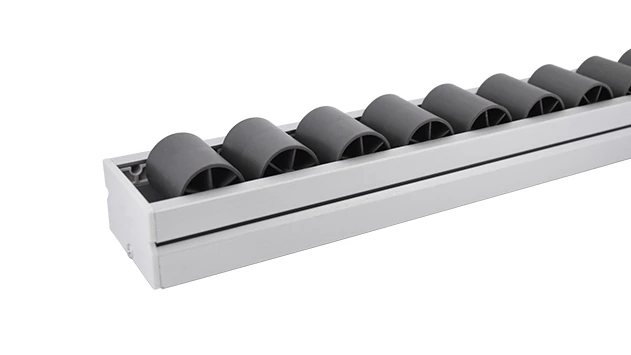
60 Aluminum Roller Track Grey
Modular system roller tracks aluminum gravity roller tracks are an excellent solution for transporting materials within industrial environments, warehouses and distribution centres.
Every component in a production or warehousing setup plays a critical role in keeping operations running smoothly. For teams focused on optimizing their workflows—especially those using lean systems to cut waste and boost efficiency—the choice between roller track materials can make or break daily productivity. Today, we're diving deep into two common options: the 60 Aluminum Roller Track Grey (a staple from suppliers like szsunqit) and plastic rollers. We'll compare their durability, friction properties, and how they fit into real-world manufacturing scenarios, helping you decide which option aligns best with your team's needs.
What Are 60 Aluminum Roller Track Grey & Plastic Rollers?
60 Aluminum Roller Track Grey: A Robust Foundation
The 60 Aluminum Roller Track Grey is a heavy-duty component designed for high-volume, continuous use. Made from extruded aluminum (a material known for its strength-to-weight ratio), this track features precision-machined rollers that sit seamlessly within its frame. It's part of a broader range of lean system components—think flow racks, conveyors, and flexible workstations—that help teams implement lean principles like just-in-time production and continuous improvement.
This track is built to handle significant loads: typical models can support up to 150kg per linear meter, making it ideal for moving bulky parts in automotive assembly lines or heavy boxes in warehouse flow racks. Its grey finish isn't just aesthetic; it's a protective coating that resists scratches and minor corrosion, extending the track's lifespan even in busy environments.
Plastic Rollers: Lightweight but Limited
Plastic rollers—often made from nylon or polypropylene—are a cheaper, lighter alternative to aluminum. They're commonly used in low-load applications, like moving small components in 3C assembly lines or lightweight packaging in retail warehouses. Plastic rollers are easy to install and replace, but their design comes with trade-offs. Most plastic rollers can only support up to 50kg per linear meter, and they're more susceptible to damage from impact or temperature changes.
Durability: Which Option Stands the Test of Time?
Durability is non-negotiable for teams that rely on their equipment to run 24/7. Let's break down how aluminum and plastic stack up in key durability metrics.
Aluminum Track: Built for Long-Term Use
Aluminum is a naturally durable material, and the 60 Aluminum Roller Track Grey takes this to the next level. Here's why it lasts:
Wear Resistance:
The aluminum rollers and track surface resist abrasion even when used with sharp or heavy parts. In tests, this track maintains its smoothness after 100,000+ cycles of material flow—far more than plastic alternatives.
Impact Resistance:
Accidental drops or collisions are common in busy lines. Aluminum tracks bend rather than crack, and they can often be straightened back into shape without losing functionality. Plastic rollers, by contrast, tend to shatter or deform on impact, requiring immediate replacement.
Temperature Tolerance:
Aluminum handles extreme temperatures well—from freezing warehouse floors to hot assembly lines (up to 120°C). Plastic rollers, however, start to soften at 60°C and can melt or warp in higher heat, making them unsuitable for industries like automotive manufacturing where parts may be hot off the press.
Corrosion Resistance:
Unlike steel, aluminum doesn't rust. This makes the 60 Aluminum Track ideal for medical device manufacturing or food packaging lines where hygiene and moisture control are critical. Plastic rollers can absorb moisture over time, leading to mold growth or degradation.
Plastic Rollers: Short Lifespan in High-Demand Environments
Plastic rollers have their place, but they struggle in high-demand settings:
Deformation Under Load:
Even moderate loads (over 50kg) can cause plastic rollers to sag or bend. Over time, this leads to uneven material flow, which disrupts lean workflows and increases waste.
UV & Chemical Damage:
If exposed to sunlight or harsh cleaning chemicals (common in medical or 3C assembly lines), plastic rollers can become brittle and crack. Aluminum tracks are unaffected by these factors.
Short Lifespan:
On average, plastic rollers need replacement every 6–12 months in busy lines. Aluminum tracks, by contrast, can last 5–10 years with minimal maintenance—saving teams time and money on replacements.
Real-World Case: 3C Assembly Line
A 3C assembly team switched from plastic rollers to 60 Aluminum Roller Track Grey for their flow racks. Before the switch, they replaced plastic rollers every 8 months, costing $2,000 per year in parts and labor. After switching to aluminum, they haven't needed any replacements in 3 years—saving over $6,000 and reducing downtime by 15% (since they no longer had to stop lines to change rollers).

Friction: How Smooth Is Your Material Flow?
Friction is a hidden factor that impacts everything from material flow speed to noise levels. For lean systems, low, consistent friction is key to keeping parts moving smoothly without manual intervention.
Aluminum Track: Low Friction for Seamless Flow
The 60 Aluminum Roller Track Grey has a coefficient of friction of around 0.15 (for aluminum-on-aluminum contact), which is significantly lower than most plastic rollers (0.3–0.5). This means parts glide along the track with minimal resistance—perfect for flow racks that rely on gravity to move materials to the next workstation.
Noise Reduction:
Aluminum rollers produce less noise than plastic ones. In a busy warehouse, this can reduce ambient noise levels by up to 20%, making the workspace more comfortable for employees and reducing fatigue.
Consistent Flow:
Low friction ensures parts move at a steady pace, which aligns with lean principles like balanced production. For example, in a medical device assembly line, aluminum tracks help small components (like screws or sensors) move to workers without getting stuck—cutting down on wait times and increasing output.
Plastic Rollers: Higher Friction for Controlled Flow
Plastic rollers have higher friction, which can be useful for applications where parts need to stop at specific points (like in packaging lines). However, this higher friction comes with downsides:
Uneven Flow:
Over time, plastic rollers wear unevenly, leading to inconsistent friction. This causes parts to move faster or slower than expected, disrupting the rhythm of the line.
Increased Wear:
Higher friction means more wear on both the rollers and the parts being moved. For delicate 3C components (like phone screens), this can lead to scratches or damage—costing teams money in scrap.
| Feature | 60 Aluminum Roller Track Grey | Plastic Rollers |
|---|---|---|
| Durability Lifespan | 5–10 years | 6–12 months |
| Max Load Capacity | 150kg/linear meter | 50kg/linear meter |
| Coefficient of Friction | ~0.15 | 0.3–0.5 |
| Impact Resistance | High (bends without breaking) | Low (shatters/deforms) |
| Maintenance Needs | Minimal (occasional cleaning) | Frequent (replacement, cleaning) |

Cost-Effectiveness: Upfront vs. Long-Term Savings
At first glance, plastic rollers seem cheaper—they cost 30–50% less upfront than aluminum tracks. But when you factor in long-term costs, aluminum is the more economical choice.
Let's do the math: A 10-meter section of plastic rollers costs $200 upfront. If you replace it every 8 months, over 5 years you'll spend $1,500 (plus labor costs for replacement). A 10-meter section of 60 Aluminum Roller Track Grey costs $500 upfront, but lasts 5 years—total cost $500 (no replacement needed). That's a savings of $1,000 over 5 years, not including the downtime avoided from replacing plastic rollers.
For teams using lean solutions to optimize their budgets, this long-term savings is a no-brainer. Aluminum tracks reduce waste (fewer replacements mean less scrap) and keep lines running—directly contributing to higher profits.
Which Option Is Right for You?
The choice between 60 Aluminum Roller Track Grey and plastic rollers depends on your team's specific needs:
Choose Aluminum If:
- You need high load capacity (over 50kg/linear meter).
- Your operations run 24/7 or in harsh environments (high temps, moisture).
- You want to reduce long-term costs and downtime.
- You're using lean systems (like flow racks) to optimize material flow.
Choose Plastic If:
- You have low-load applications (under 50kg).
- You need controlled flow for specific tasks (like packaging).
- You're on a tight upfront budget and don't mind frequent replacements.
Final Thoughts
The 60 Aluminum Roller Track Grey is a robust, cost-effective option for teams looking to build durable, efficient workflows. Its durability and low friction make it a perfect fit for lean systems—whether you're running a 3C assembly line, a medical device plant, or a busy warehouse. Plastic rollers have their place, but they can't match aluminum's long-term value or performance in high-demand environments.
If you're unsure which option is right for your team, consider working with a supplier that offers custom lean solutions. They can assess your operations and recommend the best components to keep your lines running smoothly—now and for years to come.