- Company Articles
- Products and Technology
- Product knowledge
- 60 Aluminum Roller Track Grey vs. Rubber Roller Track: Shock Absorption Comparison

60 Aluminum Roller Track Grey vs. Rubber Roller Track: Shock Absorption Comparison
Related Product
60 Aluminum Roller Track Grey
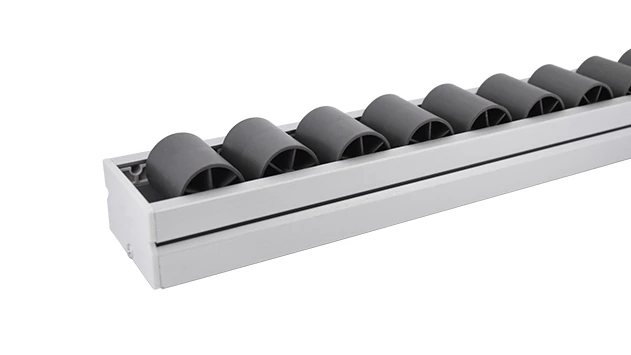
Modular system roller tracks aluminum gravity roller tracks are an excellent solution for transporting materials within industrial environments, warehouses and distribution centres.
60 Aluminum Roller Track Grey vs. Rubber Roller Track: Shock Absorption Comparison
Let's start with a scene that's familiar to anyone working in manufacturing: a worker slides a bin of parts along a roller track, and for a split second, the bin jolts. If those parts are delicate—like 3C components or medical devices—that jolt could mean scratched surfaces, broken parts, or costly production delays. Shock absorption in roller tracks isn't just a technical detail; it's the backbone of smooth, waste-free operations in any lean system. Whether you're setting up a flow rack for warehouse storage or a conveyor for assembly lines, choosing the right track can make all the difference.
In this guide, we're going to compare two popular options: the 60 Aluminum Roller Track Grey and the Rubber Roller Track. We'll break down their shock absorption mechanisms, weigh their pros and cons, and help you decide which one fits your workflow best. By the end, you'll have all the info you need to make a choice that protects your parts, boosts efficiency, and aligns with your lean system goals.
What Are These Tracks, Anyway?
60 Aluminum Roller Track Grey
The 60 Aluminum Roller Track Grey is a workhorse in modern lean system setups. Let's unpack the name: the "60" refers to the width of the aluminum profile (typically around 60mm), the "aluminum" is the track's base material, and the "grey" usually describes the color of the rollers or the track's finish. This track is built from durable aluminum extrusion profiles—the same versatile pieces you'll find in lean pipe workbenches and flow racks.
The rollers are often made of high-impact grey plastic or metal, designed to glide smoothly along the aluminum track. What makes this track stand out is its rigidity: aluminum is strong, lightweight, and resistant to wear, so it can handle heavy loads without bending or warping over time. But how does a rigid material absorb shock? The secret lies in the rollers: the grey plastic ones have a slight flex, compressing just enough to cushion minor impacts. Plus, the track's geometry (like evenly spaced rollers) distributes weight to reduce sudden jolts.
Rubber Roller Track
The Rubber Roller Track is all about elasticity. As the name suggests, the rollers are made of rubber (natural or synthetic, like neoprene). The track base can be steel or aluminum, but the rubber rollers are the star here. Rubber's inherent flexibility lets it absorb shock by deforming and releasing energy slowly—turning kinetic impact into heat that dissipates quickly. This means jolts from moving loads are dampened before they reach your parts.
Rubber tracks are ideal for delicate items: the soft rollers protect against scratches and damage. They're also quieter than metal or plastic options, which is a big plus in busy workspaces. The catch? Rubber rollers wear out faster than their rigid counterparts, so regular maintenance is key.
Shock Absorption Mechanisms: A Deep Dive
How 60 Aluminum Roller Track Grey Absorbs Shock
Aluminum is rigid, but it still absorbs shock through a combination of material choices and design:
- Roller Flexibility: The grey plastic rollers have a moderate Shore hardness (around 70-80), balancing toughness and cushioning. When a load hits them, they compress slightly to absorb impact.
- Even Weight Distribution: The track's U-shaped aluminum profile holds rollers in place at consistent intervals. This ensures loads are supported by multiple rollers, reducing pressure on any single point.
- Structural Stability: Aluminum extrusion profiles are rigid, so the track doesn't wobble. This stability minimizes vibration transfer from the floor or nearby machinery.
While this track isn't as soft as rubber, it's perfect for heavy loads that can handle minor jolts—like automotive parts or warehouse bins.
How Rubber Roller Track Absorbs Shock
Rubber's shock absorption superpowers come from two key properties:
- Elasticity: Rubber stretches or compresses under force and returns to its original shape. This stores impact energy and releases it slowly, instead of transferring it to parts.
- Damping Capacity: Rubber converts kinetic energy into heat, which dissipates quickly. This stops vibrations from spreading to delicate items like circuit boards.
The type of rubber matters: synthetic blends (like neoprene) resist oil and heat, while natural rubber is softer for maximum cushioning. Most industrial rubber tracks use blends to balance durability and shock absorption.
Side-by-Side Comparison
To make it easier to choose, let's compare these tracks across 10 critical factors:
| Factor | 60 Aluminum Roller Track Grey | Rubber Roller Track | Key Takeaway |
|---|---|---|---|
| Shock Absorption Efficiency | Moderate (handles minor jolts) | High (ideal for delicate parts) | Choose rubber for fragile items; aluminum for heavy loads. |
| Load Capacity | Up to 50kg per linear meter | Up to 25kg per linear meter | Aluminum is better for heavy bins or parts. |
| Durability | 10+ years (with maintenance) | 5-7 years (with maintenance) | Aluminum has a longer lifespan. |
| Maintenance | Minimal (clean + lubricate every 3-6 months) | Frequent (replace rollers every 6-12 months) | Aluminum reduces long-term maintenance costs. |
| Initial Cost | Higher ($15-$25 per linear meter) | Lower ($10-$18 per linear meter) | Rubber is cheaper upfront, but aluminum saves money over time. |
| Noise Level | Moderate (plastic/metal rollers on aluminum) | Low (rubber rollers dampen sound) | Rubber is better for quiet workspaces. |
| Temperature Resistance | -20°C to 80°C (stable) | 0°C to 40°C (extremes cause brittleness/softening) | Aluminum works in harsh environments. |
| Chemical Resistance | Resistant to oils, solvents, and acids | Prone to damage from chemicals | Aluminum is better for industrial settings with chemicals. |
| Installation Flexibility | Easy to integrate with aluminum profile flow racks/conveyors | Requires custom mounting for some bases | Aluminum aligns with lean system reusability goals. |
| Application Scenarios | Heavy loads, high-speed conveyors, warehouse flow racks | Delicate parts, low-speed assembly lines, 3C production | Match the track to your workflow's needs. |
Real-World Applications
Heavy-Duty Warehouse Flow Rack
A logistics company uses 60 Aluminum Roller Track Grey in their flow racks to store automotive engine parts. Each bin weighs 25kg, and they're moved hundreds of times daily. The track's high load capacity and durability keep operations smooth. Workers love the smooth glide and minimal maintenance—just a weekly wipe-down and quarterly lubrication. The aluminum profile also integrates seamlessly with their existing lean system, so they can reconfigure the racks as needed.
3C Assembly Line Conveyor
A smartphone manufacturer uses Rubber Roller Tracks on their assembly line conveyors. They move bins of circuit boards (5kg each) between workstations. The rubber rollers absorb jolts, protecting delicate components from damage. The quiet operation keeps the workspace calm, and workers appreciate the soft glide. While they replace rollers every 8 months, the cost is worth it to reduce defective parts and keep production on track.
How to Choose the Right Track for Your Workflow
Follow these steps to make the best choice:
- Assess Your Loads: If your loads are over 15kg, go with aluminum. If they're delicate (like 3C parts), choose rubber.
- Consider Speed: High-speed conveyors (over 0.5m/s) need aluminum's stability. Low-speed lines (under 0.5m/s) benefit from rubber's shock absorption.
- Evaluate Your Environment: Extreme temperatures or chemicals? Aluminum is the way to go. Quiet, low-impact spaces? Rubber is better.
- Calculate Long-Term Costs: Aluminum has higher upfront costs but lower maintenance. Rubber is cheaper now but requires frequent roller replacements.
- Align with Lean Goals: If you want reusability and waste reduction, aluminum is perfect. If you need to protect delicate parts, rubber is ideal.
Still unsure? Many lean system suppliers offer trial periods—test both tracks in your workspace to see which performs better.
Final Thoughts
The choice between the 60 Aluminum Roller Track Grey and Rubber Roller Track isn't about which is "better"—it's about which fits your needs. Aluminum is the durable, heavy-duty option for high-volume workflows, while rubber is the gentle, quiet choice for delicate parts.
Remember: the best track for your setup is the one that protects your parts, boosts efficiency, and aligns with your lean system goals. Take the time to evaluate your workflow, and you'll make a choice that pays off for years to come.