- Company Articles
- Products and Technology
- Product knowledge
- 60 Aluminum Roller Track Grey vs. Steel Roller Tracks: A Material Comparison

60 Aluminum Roller Track Grey vs. Steel Roller Tracks: A Material Comparison
Related Product
60 Aluminum Roller Track Grey
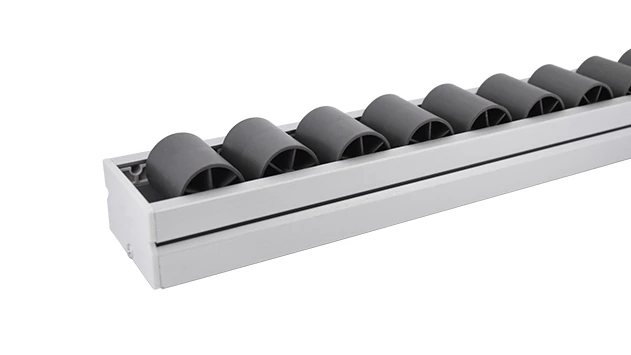
Modular system roller tracks aluminum gravity roller tracks are an excellent solution for transporting materials within industrial environments, warehouses and distribution centres.
Introduction: Why Roller Track Material Matters
Roller tracks are the unsung heroes of modern manufacturing and logistics. They keep materials moving smoothly, reduce manual labor, and boost efficiency—whether you're setting up a flow rack for parts storage or a conveyor line for assembly. But when it comes to choosing between aluminum and steel roller tracks, how do you know which one fits your needs? The material of your roller tracks directly impacts performance, durability, and long-term cost. Today, we're taking a deep dive into the 60 Aluminum Roller Track Grey and steel roller tracks to help you make an informed decision that aligns with your operational goals.
What Is 60 Aluminum Roller Track Grey?
The 60 Aluminum Roller Track Grey is a lightweight, corrosion-resistant solution designed for modern lean manufacturing environments. Made from high-quality aluminum extrusion profiles, this roller track features a smooth grey finish that not only looks professional but also resists scratches and wear. Its 60-series designation refers to the profile size, making it compatible with standard aluminum frame systems used in workstations and flow racks.
One of the key advantages of this aluminum roller track is its modular design. You can easily connect multiple sections using aluminum profile accessories, allowing you to extend or modify your system as your needs change. This adaptability aligns perfectly with lean principles, where continuous improvement and reusability are core values. The smooth surface of the track ensures that parts glide effortlessly, reducing friction and minimizing wear on both the track and the items being transported.
The grey finish isn't just for aesthetics—it also helps hide minor scuffs and dirt, keeping your workspace looking clean and organized. Additionally, aluminum's natural resistance to corrosion means this roller track performs well in environments with moisture or mild chemicals, making it a great choice for medical equipment manufacturing or 3C assembly lines where hygiene is important.

What Are Steel Roller Tracks?
Steel roller tracks are the heavyweights of material handling. Crafted from robust steel, these tracks are built to withstand high loads and harsh conditions. They come in various grades, with galvanized steel being the most common for general use—it's coated with a layer of zinc to resist rust and corrosion. Stainless steel roller tracks are ideal for food processing or pharmaceutical industries, where hygiene and resistance to strong chemicals are paramount.
The thickness of the steel can vary, with thicker gauges offering higher load capacities for heavy-duty applications. For example, a 12-gauge steel roller track can handle significantly more weight than an 18-gauge one. Steel roller tracks are often used in conveyor systems that transport large components like automotive chassis parts or industrial machinery, as they provide the strength and stability needed for these tasks.
While steel is heavier than aluminum, its durability makes it a cost-effective choice for long-term use in high-traffic areas. However, it's important to note that uncoated steel is prone to rust, so regular maintenance like painting or oiling may be necessary to extend its lifespan in wet environments.

Head-to-Head Comparison
| Feature | 60 Aluminum Roller Track Grey | Steel Roller Tracks |
|---|---|---|
| Material Composition | High-quality aluminum extrusion profile | Galvanized, stainless, or carbon steel |
| Weight | Lightweight (easy to handle and install) | Heavy (requires more effort for setup) |
| Load Capacity | Medium (ideal for light to medium-weight items) | High (supports heavy loads and bulk materials) |
| Corrosion Resistance | Excellent (resists moisture and mild chemicals) | Good (galvanized) to Excellent (stainless steel) |
| Maintenance Requirements | Low (no rust, minimal cleaning) | Moderate (may require rust prevention treatments) |
| Installation Flexibility | High (easy to reconfigure for lean systems) | Moderate (heavier, less portable) |
| Cost | Higher initial cost than basic steel | Lower initial cost for standard steel; higher for stainless steel |
| Thermal Conductivity | High (dissipates heat quickly) | Moderate (retains heat longer) |
| Noise Level | Quieter (smooth surface reduces friction noise) | Louder (metal-on-metal contact) |
| Environmental Impact | Recyclable, lower carbon footprint in production | Recyclable but higher energy consumption during manufacturing |
| Best For | Clean environments, light loads, modular systems | Heavy-duty applications, harsh environments |
Applications: Where Each Shines
The 60 Aluminum Roller Track Grey is a top choice for industries that prioritize flexibility and cleanliness. Here are some specific use cases:
- 3C assembly lines: Perfect for assembling smartphones, laptops, and other electronic devices where precision and a dust-free environment are critical. The lightweight design makes it easy to adjust workstations as product lines change.
- Medical equipment manufacturing: Resists corrosion from cleaning agents used to sanitize surgical instruments and diagnostic tools. The smooth surface is easy to wipe down, maintaining hygiene standards.
- Lightweight flow racks: Ideal for storing small to medium parts like screws, bolts, and plastic components in warehouses. The modular design allows you to customize the rack size and layout to fit your inventory.
- Retail logistics: Great for moving small packages or products in distribution centers, where speed and flexibility are key.
Steel roller tracks excel in heavy-duty scenarios where strength and durability are non-negotiable:
- Automotive manufacturing: Handles large components like engine parts, transmission systems, and chassis frames. The high load capacity ensures these heavy items move safely along the conveyor line.
- Bulk material conveyor systems: Transports heavy items like concrete blocks, metal sheets, or industrial containers across long distances in factories or ports.
- Industrial warehouses: Stores and moves heavy pallets or crates. Steel roller tracks can support the weight of full pallets, making them a reliable choice for high-volume storage.
- Construction materials handling: Used to move bricks, tiles, and other building materials on job sites, where ruggedness is essential.
How to Choose the Right Roller Track for Your Needs
To pick the perfect roller track, ask yourself these key questions:
- What's the maximum load per roller track section? If you're moving heavy items, steel is the better choice. For light to medium loads, aluminum is more efficient.
- Is your environment wet, dusty, or corrosive? Aluminum's corrosion resistance makes it ideal for wet or clean environments, while stainless steel is best for chemical-heavy areas.
- Do you need to reconfigure your system often? Aluminum's lightweight and modular design make it easy to adjust, aligning with lean manufacturing principles.
- What's your budget for initial purchase and long-term maintenance? Aluminum has a higher upfront cost but lower maintenance, while steel is cheaper initially but may require more upkeep.
- What's the noise level tolerance in your workspace? Aluminum roller tracks are quieter, which is beneficial in office-adjacent manufacturing areas or retail settings.
By evaluating these factors, you can select the roller track material that best fits your operational needs. Whether you choose the 60 Aluminum Roller Track Grey for its flexibility or steel roller tracks for their strength, both options are reliable solutions that will enhance your material handling efficiency.
Conclusion: Making the Right Choice
Both 60 Aluminum Roller Track Grey and steel roller tracks have their place in modern manufacturing and logistics. The aluminum option offers lightweight flexibility, corrosion resistance, and low maintenance—perfect for clean environments and lean systems. Steel roller tracks provide unmatched strength and durability, making them the go-to choice for heavy-duty applications and harsh conditions.
When deciding between the two, it's important to consider your specific load requirements, environment, and long-term goals. If you prioritize adaptability and cleanliness, the 60 Aluminum Roller Track Grey is an excellent investment. If you need to handle heavy loads and value durability over portability, steel roller tracks will deliver the performance you need.
No matter which material you choose, investing in high-quality roller tracks will improve your workflow, reduce manual labor, and boost overall efficiency. Evaluate your needs carefully, and you'll find the perfect solution to keep your operations running smoothly.