- Company Articles
- Products and Technology
- Product knowledge
- 60 Aluminum Roller Track Small Wheel Dimensions: Width, Diameter & Axle Size Guide

60 Aluminum Roller Track Small Wheel Dimensions: Width, Diameter & Axle Size Guide
Related Product
60 Aluminum Roller Track Small Wheel
Modular system roller tracks aluminum gravity roller tracks are an excellent solution for transporting materials within industrial environments, warehouses and distribution centres.
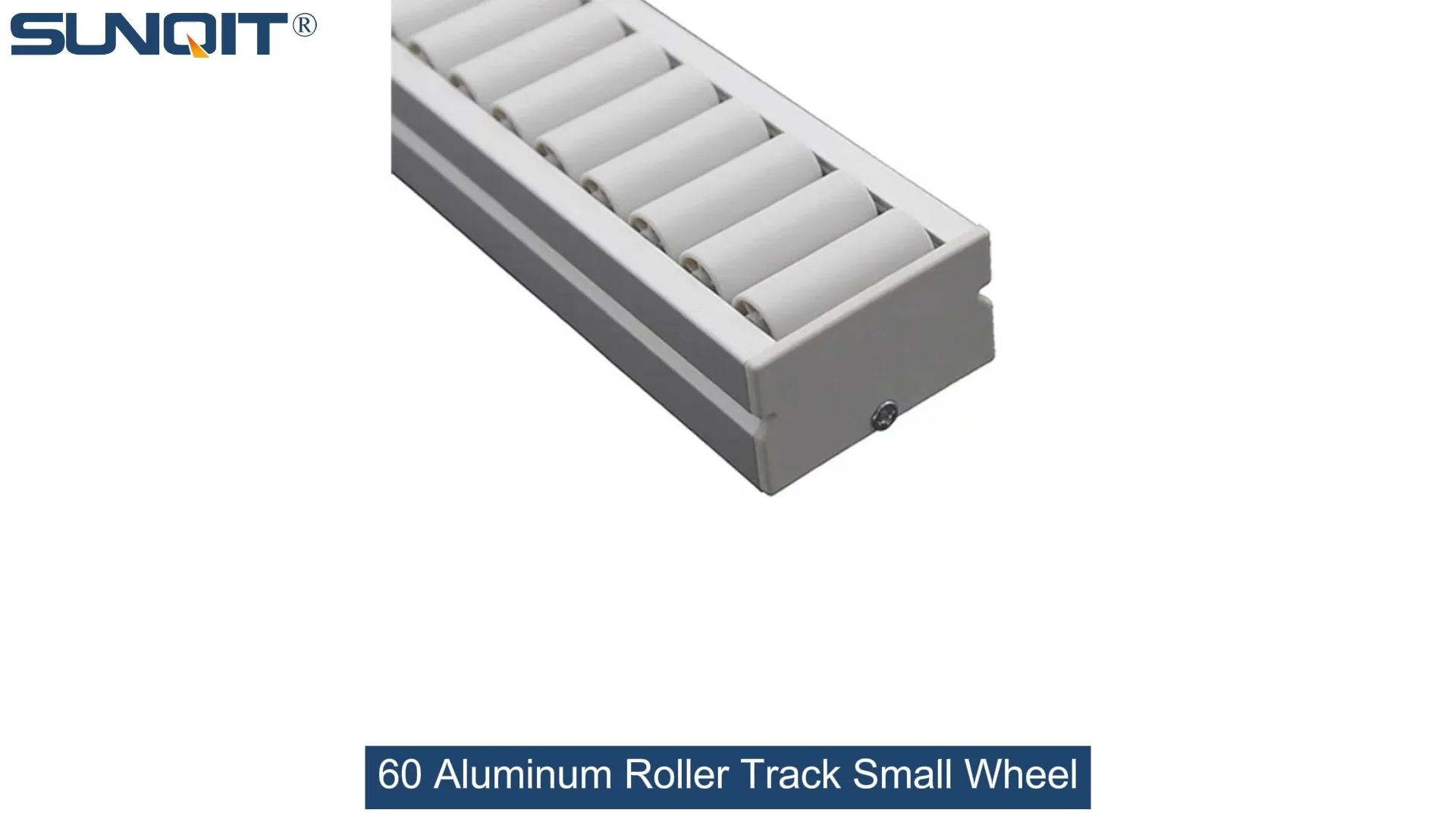
When it comes to building efficient conveyor systems or lean workstations, every component matters—especially the small wheels that keep things moving smoothly. The 60 aluminum roller track small wheel is a workhorse in many manufacturing and logistics setups, but getting its dimensions right is key to ensuring your system runs without hiccups. Whether you're setting up a flow rack for parts storage or a conveyor line for assembly, understanding the width, diameter, and axle size of these wheels will help you make informed decisions for your lean solution.
What Are 60 Aluminum Roller Track Small Wheels?
Before diving into dimensions, let's clarify what we're talking about. The "60" here typically refers to the series of the aluminum profile or roller track it's designed for—often matching the 60mm aluminum extrusion profile common in industrial setups. These small wheels are part of roller track systems, which are essential for moving materials along production lines, in warehouses, or within workstations. They're durable, lightweight, and designed to handle repeated use, aligning perfectly with the lean philosophy of reusability and continuous improvement.
Key Dimensions Explained
Let's break down each critical dimension: width, diameter, and axle size. Each plays a unique role in how the wheel performs in your system.
1. Width
The width of the 60 aluminum roller track small wheel refers to the distance across the wheel's surface that makes contact with the track or the material being moved. Common widths for these small wheels range from 10mm to 25mm. Why does width matter? A wider wheel can distribute weight more evenly, reducing wear and tear on both the wheel and the track. For example, if you're moving heavy components like automotive parts, a wider wheel might be better to handle the load. Conversely, narrower wheels are ideal for lighter items or when space is limited, like in 3C assembly lines where precision is key.
2. Diameter
The diameter is the distance across the wheel from one edge to the other, passing through the center. Small wheels for 60 aluminum roller tracks usually have diameters between 20mm and 50mm. The diameter affects how smoothly and quickly materials move. Larger diameters mean fewer rotations per unit distance, which can reduce friction and noise. For conveyor systems that need to move items at a steady pace, a medium diameter (like 30mm) is often a good balance. Smaller diameters (20mm) are great for tight turns or compact workstations, while larger ones (50mm) are better for longer conveyor lines where speed and efficiency are priorities.
3. Axle Size
The axle size is the diameter of the shaft that the wheel rotates on. This dimension is crucial for compatibility with roller track connectors and the aluminum profile itself. Typical axle sizes for these small wheels are 6mm, 8mm, or 10mm. If the axle size doesn't match the holes in your roller track or connectors, the wheel won't fit properly, leading to instability or even system failure. For instance, if your roller track uses 8mm axle holes, choosing a wheel with a 6mm axle would require adapters, which adds cost and complexity. Always check the axle size compatibility with your existing components before purchasing.

Compatibility with Other Components
These small wheels don't work in isolation—they're part of a larger system. Let's look at how their dimensions interact with other key components:
Roller Track Connectors
Roller track connectors are used to join sections of track together. The axle size of the wheel must match the connector's hole size. For example, if your connector has an 8mm hole, your wheel's axle should be 8mm to fit snugly. Using the wrong size can lead to loose connections, which cause jams or misalignment in the conveyor line.
Aluminum Profiles
The 60 aluminum extrusion profile is the backbone of many lean systems. The wheel's width and diameter need to fit within the profile's dimensions. For example, a 60mm profile might have a channel width of 40mm, so the wheel's width should be less than that to fit inside. If the wheel is too wide, it might rub against the profile edges, causing wear and noise.
Conveyor Systems
In conveyor systems, the wheel dimensions affect the overall flow. For a belt conveyor, the wheel's diameter determines how the belt sits on the rollers. If the diameter is too small, the belt might sag, leading to uneven movement. For a roller conveyor, the spacing between wheels (which depends on their diameter) ensures that items don't get stuck between rollers. A good rule of thumb is to have at least three wheels under any item being moved to prevent tipping.

Common Applications of 60 Aluminum Roller Track Small Wheels
These wheels are versatile and used across various industries. Let's explore some key applications:
1. 3C Assembly Lines
In 3C assembly (computers, communication, consumer electronics), precision and speed are essential. Small wheels with narrow widths (10-15mm) and medium diameters (25-30mm) are perfect for moving small components like phone parts or circuit boards. Their compact size fits well in the tight spaces of lean workstations, and their smooth rotation ensures that delicate items aren't damaged during transport.
2. Medical Device Manufacturing
Medical device manufacturing requires clean, reliable systems. The 60 aluminum roller track small wheels are often made from materials that are easy to clean, like stainless steel or food-grade plastic. Their dimensions are chosen to handle sensitive medical components without causing contamination. For example, wheels with a diameter of 20mm are used in small conveyor lines that move syringes or test kits, ensuring precise and hygienic transport.
3. Warehousing and Logistics
In warehouses, these wheels are used in flow racks and conveyor systems to move boxes and pallets. Wider wheels (20-25mm) with larger diameters (40-50mm) are ideal here because they can handle heavier loads and longer distances. For instance, a flow rack storing bulk items might use wheels with a 25mm width and 50mm diameter to ensure that boxes slide smoothly from the back to the front, reducing the need for manual handling.
4. Automotive Parts Production
Automotive parts are often heavy and bulky, so the wheels need to be durable. Wheels with wider widths (20mm+) and larger diameters (35-50mm) are used in conveyor lines that move engine parts or body panels. The axle size is usually 10mm to handle the weight, and the wheels are made from robust materials like aluminum or steel to withstand constant use.

How to Choose the Right Dimensions for Your Needs
Selecting the correct dimensions for your 60 aluminum roller track small wheels depends on several factors. Let's walk through the key considerations:
1. Load Capacity
The first thing to consider is the weight of the items you'll be moving. Heavier loads require wider wheels and larger axles to distribute the weight. For example, if you're moving 50kg boxes, a wheel with a 20mm width and 10mm axle is better than a 10mm width and 6mm axle. Check the load rating of the wheel before purchasing to ensure it can handle your needs.
2. Speed and Flow
How fast do you need items to move? Larger diameter wheels allow for faster movement because they cover more distance per rotation. If your system requires high-speed transport, go for a larger diameter (40-50mm). For slower, more controlled movement (like in assembly lines where workers need time to process items), a smaller diameter (20-30mm) is better.
3. Space Constraints
Are you working in a small area? Narrower wheels and smaller diameters are better for compact spaces. For example, in a lean workstation where space is limited, a 10mm width and 20mm diameter wheel fits perfectly without taking up too much room. If space isn't an issue, you can opt for wider wheels for better stability.
4. Compatibility with Existing Systems
Always check if the wheel dimensions are compatible with your current roller track, connectors, and aluminum profiles. If you're building a new system, choose wheels that match the components you plan to use. For example, if you're using 60mm aluminum extrusion profiles, make sure the wheel's width fits within the profile's channel.
Maintenance Tips for Longevity
Proper maintenance can extend the life of your 60 aluminum roller track small wheels. Here are some tips:
- **Regular Cleaning**: Dust and debris can cause friction and wear. Clean the wheels and track regularly with a soft brush or cloth to remove any buildup.
- **Lubrication**: Apply a small amount of lubricant (like silicone oil) to the axle periodically to keep the wheel rotating smoothly. Avoid using oil-based lubricants if you're in a clean environment like medical manufacturing.
- **Inspection**: Check the wheels for signs of wear, like cracks or flat spots. replace any damaged wheels immediately to prevent system breakdowns.
- **Proper Loading**: Don't overload the wheels beyond their rated capacity. This can cause the axle to bend or the wheel to break.
Final Thoughts
The 60 aluminum roller track small wheel might seem like a small component, but its dimensions have a big impact on the efficiency and reliability of your lean system. By understanding the importance of width, diameter, and axle size, you can choose the right wheels for your specific application—whether it's a 3C assembly line, medical device manufacturing, or warehousing logistics. Remember to consider load capacity, speed, space constraints, and compatibility with other components when making your decision. With the right wheels, your system will run smoothly, reduce downtime, and help you achieve your lean goals of continuous improvement and efficiency.
If you're looking for high-quality 60 aluminum roller track small wheels and other lean system components, consider a trusted supplier that offers a wide range of options. They can help you find the perfect dimensions for your needs and provide custom solutions if required. Investing in the right components now will save you time and money in the long run, ensuring your system remains productive for years to come.
Common 60 Aluminum Roller Track Small Wheel Dimensions
| Wheel Type | Width (mm) | Diameter (mm) | Axle Size (mm) | Typical Application |
|---|---|---|---|---|
| Standard Small Wheel | 15 | 25 | 8 | 3C Assembly Lines |
| Heavy-Duty Small Wheel | 20 | 35 | 10 | Automotive Parts Production |
| Compact Small Wheel | 10 | 20 | 6 | Medical Device Manufacturing |
| High-Speed Small Wheel | 18 | 40 | 8 | Warehousing Conveyor Lines |