- Company Articles
- Products and Technology
- Product knowledge
- 60 Aluminum Roller Track Small Wheel for Food Packaging Lines: Sanitary Design Features

60 Aluminum Roller Track Small Wheel for Food Packaging Lines: Sanitary Design Features
Related Product
60 Aluminum Roller Track Small Wheel
Modular system roller tracks aluminum gravity roller tracks are an excellent solution for transporting materials within industrial environments, warehouses and distribution centres.
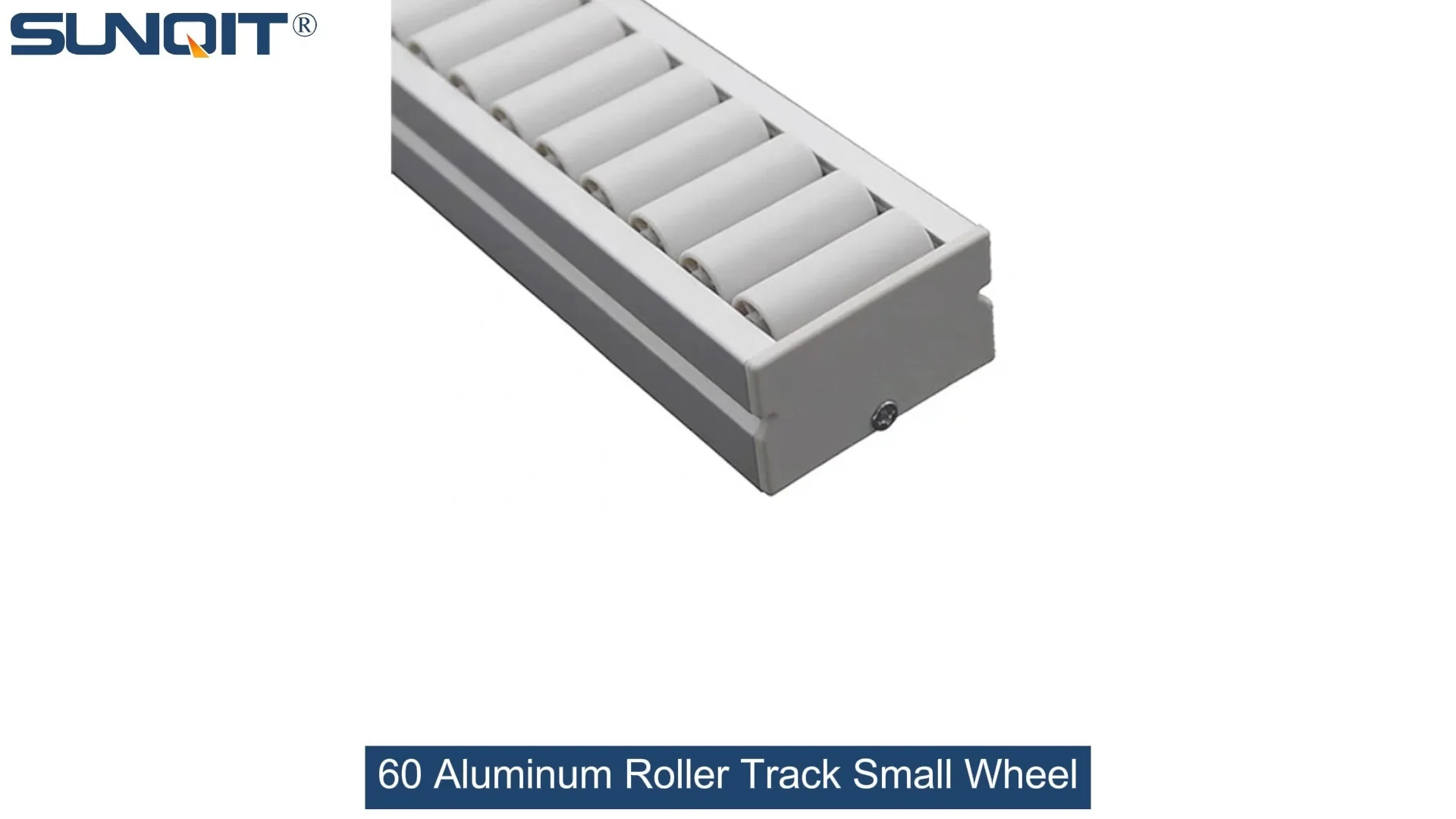
60 Aluminum Roller Track Small Wheel for Food Packaging Lines: Sanitary Design Features
When it comes to food packaging lines, every component counts—not just for efficiency, but for keeping products safe from contamination. For anyone in the food manufacturing industry, you know how strict regulations are (think FDA, EU food safety standards) and how much time goes into maintaining hygiene. That's where the 60 aluminum roller track small wheel comes in— a but game-changing component that combines lean system principles with top-tier sanitary design to make your packaging line smoother, safer, and more compliant.
Why Sanitary Design Is Non-Negotiable for Food Packaging Lines
Let's start with the basics: food packaging lines handle products that end up on people's plates. Any crevice, rough surface, or hard-to-clean part can trap food particles, bacteria, or allergens—leading to cross-contamination, product recalls, or even health risks for consumers. And it's not just about safety; inefficient cleaning processes eat into your production time. If a roller track takes hours to scrub down, that's time you could be using to package more products. Sanitary design isn't a luxury—it's a necessity for staying in business and keeping customers trust.
Regulatory bodies like the FDA (Food and Drug Administration) and EFSA (European Food Safety Authority) have strict guidelines for food contact materials and equipment. These rules require that all components in a packaging line are easy to clean, resistant to corrosion, and free from materials that could leach into food. Failing to meet these standards can result in heavy fines, product recalls, or even losing your license to operate. So choosing the right roller track isn't just about efficiency—it's about protecting your brand and your customers.
What Makes the 60 Aluminum Roller Track Small Wheel Stand Out?
First, let's talk about the material: aluminum profile. Aluminum is a go-to for food industry components for good reason. It's naturally corrosion-resistant (thanks to its thin, protective oxide layer), lightweight (so it's easy to install and adjust), and doesn't rust—unlike some steel options. But the magic isn't just in the material; it's in the design of the small wheels and how they integrate with the track.
The small wheels on this track are designed with no hidden crevices. You know those old roller tracks where food bits get stuck between the wheel and the axle? Not here. Each wheel has a smooth, sealed surface that's easy to wipe down with a sanitizing cloth or spray. And the wheels are made from food-grade materials—like FDA-approved polypropylene or stainless steel—so even if they come into indirect contact with food (like packaging materials), there's no risk of leaching harmful chemicals.
Another key point: this roller track is part of a lean system. For those not familiar, lean manufacturing is all about cutting waste and improving flow. The 60 aluminum roller track small wheel fits perfectly into that philosophy because it's modular—you can add or remove sections as your packaging line changes. Need to adjust the track length for a new product? No problem. Want to move it to a different part of the line? It's lightweight enough to do that without heavy equipment. This flexibility means you're not stuck with a static setup that becomes obsolete as your business grows.
Key Sanitary Features at a Glance
| Feature | Benefit for Food Packaging Lines |
|---|---|
| Seamless Aluminum Profile Frame | No gaps to trap food particles or bacteria; easy to wipe clean. |
| Crevice-Free Small Wheels | Eliminates hiding spots for contaminants; reduces cleaning time. |
| Food-Grade Wheel Materials | Complies with FDA 21 CFR and EC 1935/2004; safe for indirect food contact. |
| Modular & Tool-Free Disassembly | Quick to take apart for deep cleaning; adaptable to line changes. |
| Corrosion-Resistant Surface | Withstands frequent sanitizing; long-lasting even in wet environments. |
| Smooth, Non-Porous Finish | Prevents food adhesion; reduces the need for harsh cleaning chemicals. |
How It Fits into Your Lean Solution & Conveyor System
If you're already using a lean solution in your facility, this roller track will fit right in. Let's say you have a conveyor system for moving packaged snacks from the filling station to the labeling area. Adding the 60 aluminum roller track small wheel to connect these stations creates a continuous flow—no more stopping to transfer products manually. This reduces waste (like dropped products) and speeds up your line.
And because it's modular, you can pair it with other components from the same line—like flow racks for storing packaging materials, or adjustable workstations for your team. For example, a bakery might use this roller track to move loaves from the oven to the wrapping station. The small wheels glide smoothly, so loaves don't get damaged, and the sanitary design means no crumbs get stuck in hard-to-reach places. At the end of the day, cleaning the track takes minutes instead of hours—so the team can wrap up faster and get ready for the next shift.
Let's take a real-world example: a craft chocolate manufacturer. They needed a roller track to move their chocolate bars from the molding machine to the packaging station. The old track they used had steel wheels with crevices that trapped chocolate residue, leading to mold growth and frequent cleaning downtime. After switching to the 60 aluminum roller track small wheel, they saw a 30% reduction in cleaning time and no more mold issues. Plus, the modular design allowed them to add a side guide to keep bars aligned—something their old track couldn't do without custom fabrication.
60 Aluminum Roller Track vs. Traditional Roller Tracks
Let's be honest: there are plenty of roller tracks out there, but not all are built for food packaging. Let's compare this aluminum option to two common alternatives:
| Feature | 60 Aluminum Roller Track Small Wheel | Stainless Steel Roller Track | Plastic Roller Track |
|---|---|---|---|
| Weight | Lightweight (easy to move/adjust) | Heavy (hard to reposition) | Light but less durable |
| Cleaning Ease | Very easy (seamless, no crevices) | Easy but heavier to handle during cleaning | Harder (plastic can scratch, trapping dirt) |
| Corrosion Resistance | Excellent (natural oxide layer) | Excellent but more expensive | Poor (can degrade from sanitizers) |
| Cost-Effectiveness | Balanced (affordable + long lifespan) | High (more expensive upfront) | Low but needs frequent replacement |
| Lean Compatibility | Modular & adaptable | Less flexible (fixed design) | Somewhat flexible but not as sturdy |
| Food Safety Compliance | Meets all major standards | Meets standards but overkill for some applications | Often fails due to material degradation |
As you can see, the 60 aluminum roller track small wheel hits the sweet spot between cost, durability, and sanitary design. It's a smart choice for food packaging lines that want to stay compliant without breaking the bank.
Customizing the Roller Track for Your Specific Needs
Every food packaging line is different. Maybe you need a shorter track for small batches, or a longer one for high-volume production. Or perhaps you need side guides to keep packages from falling off, or adjustable legs to match your line's height. The good news is that this roller track is fully customizable. You can choose the length, wheel spacing, and add-on features like side guards or waterproof wheels.
For example, a dairy company might need a track with waterproof wheels to handle wet packaging materials. A snack manufacturer might want a track with anti-slip wheels to keep bags from sliding around. Whatever your needs, the 60 aluminum roller track small wheel can be tailored to fit your line perfectly. And because it's part of a lean system, you can easily modify it later if your needs change—no need to buy a whole new track.
Keeping Your Roller Track in Top Shape
To get the most out of your 60 aluminum roller track small wheel, follow these simple maintenance tips:
1.
Daily Wipe-Down:
Use a food-safe sanitizing spray and a soft cloth to clean the track and wheels at the end of each shift. This removes any surface debris before it builds up.
2.
Weekly Deep Clean:
Disassemble the track (it's modular, so this takes minutes) and scrub all parts with a mild detergent and warm water. Rinse thoroughly and dry before reassembling. Avoid using abrasive scrubbers—they can scratch the aluminum surface.
3.
Monthly Inspection:
Check the wheels for wear and tear. If any wheels are cracked, sticky, or not rolling smoothly, replace them immediately to avoid disrupting your line. Also, check the frame for any dents or scratches that could trap dirt.
4.
Use Food-Safe Lubricants:
If the wheels start to squeak, use a lubricant that's approved for food contact (like NSF H1-rated lubricants). Avoid regular oil— it can contaminate products and attract dirt.
5.
Store Properly:
If you're not using the track for an extended period, store it in a dry, clean area. Cover it with a dust sheet to keep it free from debris.
Meeting Food Safety Standards
The 60 aluminum roller track small wheel is designed to meet or exceed all major food safety standards. This includes:
• FDA 21 CFR Part 177: For food contact materials.
• EC 1935/2004: European standard for materials in contact with food.
• NSF International Certification: For hygiene and safety in food processing.
• HACCP (Hazard Analysis and Critical Control Points) Compliance: Helps you identify and control potential hazards in your line.
These certifications mean you can trust that the roller track is safe for use in your food packaging line. You won't have to worry about failing inspections or dealing with product recalls due to equipment-related contamination.
Final Thoughts: A Component That Works Harder for You
The 60 aluminum roller track small wheel isn't just another piece of equipment—it's a tool that helps you run a safer, more efficient food packaging line. Its sanitary design keeps your products compliant with strict regulations, while its lean system compatibility helps you cut waste and boost productivity. Whether you're a small bakery or a large snack manufacturer, this roller track is a smart investment that will pay off in the long run.
And if you're looking for more ways to optimize your line, remember that this roller track is part of a larger family of lean solutions—from conveyors to workstations—that can help you build a fully flexible, efficient production system. So why settle for a track that's just "good enough" when you can have one that's designed to meet the unique needs of food packaging?
At the end of the day, the 60 aluminum roller track small wheel is more than a component—it's a partner in keeping your food safe and your line running smoothly. It's the kind of tool that makes your job easier, your team more productive, and your customers happier. And isn't that what every food manufacturer wants?