- Company Articles
- Products and Technology
- Product knowledge
- 60 Aluminum Roller Track Small Wheel for Medical Device Manufacturing: Cleanroom Compatibility

60 Aluminum Roller Track Small Wheel for Medical Device Manufacturing: Cleanroom Compatibility
Related Product
60 Aluminum Roller Track Small Wheel
Modular system roller tracks aluminum gravity roller tracks are an excellent solution for transporting materials within industrial environments, warehouses and distribution centres.
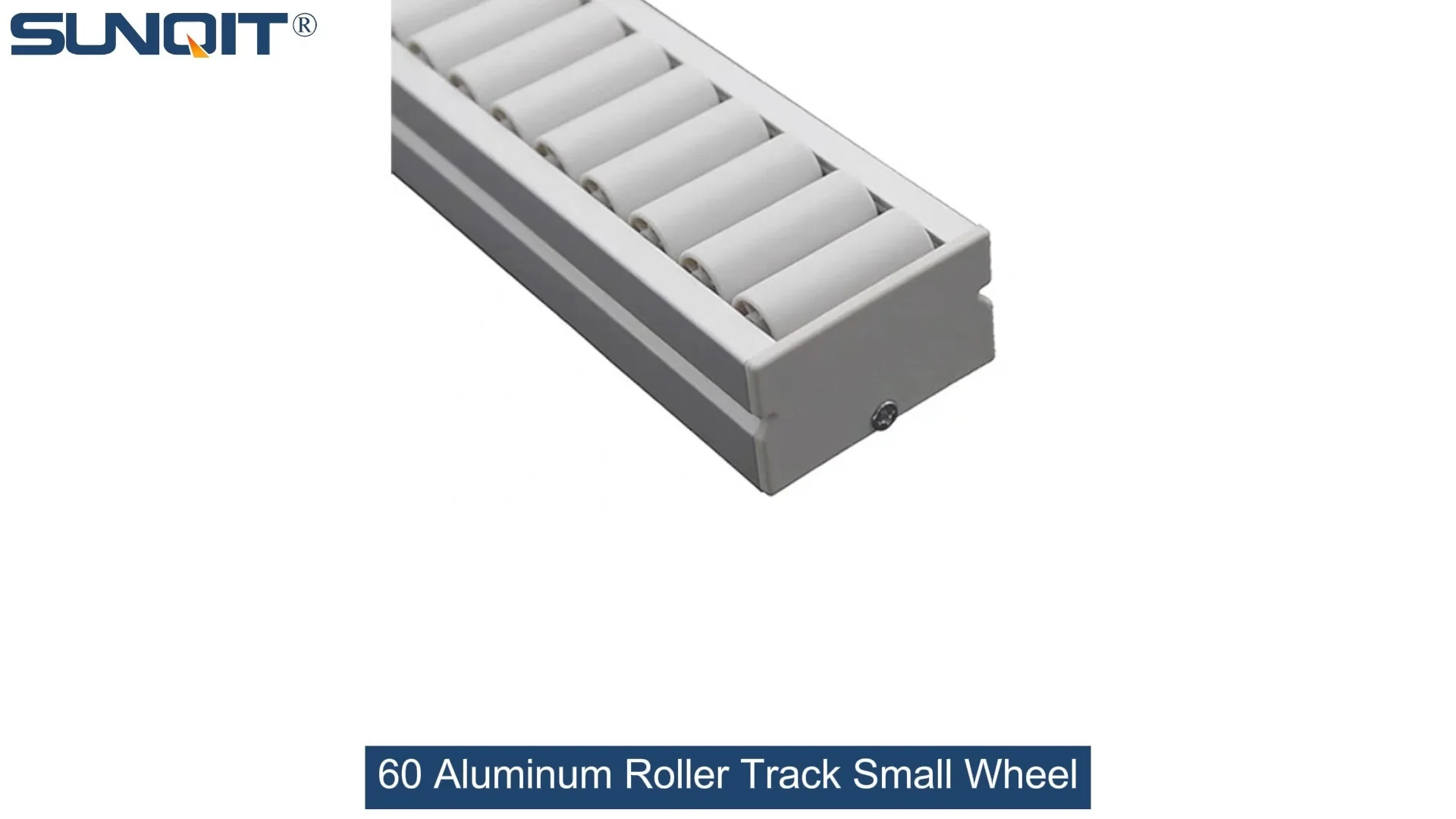
60 Aluminum Roller Track Small Wheel for Medical Device Manufacturing: Cleanroom Compatibility
Medical device manufacturing is a field where precision meets rigor—every component, every process, and every tool must adhere to strict standards to ensure patient safety and product quality. Among the unsung heroes of this industry are the material handling systems that keep assembly lines moving smoothly while maintaining the pristine conditions of cleanrooms. Today, we're focusing on one such hero: the 60 aluminum roller track small wheel, a component that's quietly revolutionizing how medical device manufacturers handle parts and products in their most sensitive environments.
Cleanrooms are not just rooms with filters—they're controlled spaces where airborne particles, microbes, and contaminants are kept to a minimum. For medical devices like surgical instruments, implantable devices, or diagnostic equipment, even the tiniest particle can lead to product failure or, worse, patient harm. That's why choosing the right material handling components is non-negotiable. The 60 aluminum roller track small wheel stands out here because it's designed specifically to meet the unique demands of cleanroom environments, while also aligning with lean manufacturing principles that help companies reduce waste and improve efficiency.
Why Cleanroom Compatibility Is Non-Negotiable for Medical Device Manufacturing
Before we dive into the details of the 60 aluminum roller track small wheel, let's take a moment to understand what makes a component "cleanroom-compatible." Cleanrooms follow ISO 14644 standards, which classify them based on the number of particles per cubic meter. For medical device manufacturing, ISO Class 7 or 8 is common—meaning no more than 352,000 particles (0.5μm) per cubic meter. To meet these standards, components must:
1.
Resist Corrosion:
Cleanrooms use harsh sanitizers to kill microbes. Components that rust or degrade over time can shed particles into the air.
2. Have a Smooth, Non-Porous Surface: Crevices and rough edges trap dirt and bacteria, making them impossible to fully clean.
3. Be Low Particle Shedding: Materials like certain plastics or uncoated metals can shed tiny fibers or particles, which violate cleanroom standards.
4. Be Easy to Sanitize: Components should be quick to wipe down or sterilize without damaging their structure.
5. Be Static Dissipative (ESD) Compliant: Many medical devices are sensitive to static electricity, which can damage electronic components or attract particles.
The 60 aluminum roller track small wheel checks all these boxes. Let's see how.
What Makes the 60 Aluminum Roller Track Small Wheel Perfect for Cleanrooms?
Let's break down the features of this roller track wheel and how each contributes to cleanroom compatibility:
Material & Construction
The 60 aluminum roller track small wheel is made from two key materials:
1. Aluminum Alloy Base: The track itself is crafted from 6063-T5 aluminum alloy, a popular choice for industrial profiles because it's lightweight, strong, and corrosion-resistant. It's also easy to machine and coat, which helps create a smooth, non-porous surface.
2. Small Wheel Material: The small wheels are made from medical-grade POM (polyoxymethylene) or PU (polyurethane). Both materials are non-toxic, non-shedding, and resistant to most sanitizers used in cleanrooms. POM is especially good because it has a low coefficient of friction, meaning parts glide smoothly without generating static or particles.
Design Features Tailored for Cleanrooms
The design of the 60 aluminum roller track small wheel is all about minimizing contamination risks:
- Small Wheel Size: The "small wheel" design (typically around 25mm in diameter) reduces the contact area between the wheel and the track, which means fewer opportunities for particles to be generated or trapped.
- Smooth, Seamless Surface: The wheels have no crevices or gaps where dirt can accumulate. Even the connection points between the wheel and the track are sealed to prevent debris from getting inside.
- Corrosion-Resistant Coating: The aluminum track is coated with an anodized finish, which adds an extra layer of protection against corrosion from sanitizers. This finish also makes the track easy to wipe down with alcohol or other cleaning agents.
- Static Dissipative (ESD) Option: For applications involving electronic medical devices, the wheels can be made with ESD-compliant materials. This helps dissipate static electricity, preventing damage to sensitive components and reducing the attraction of airborne particles.
Compatibility with Other Cleanroom Components
One of the best things about the 60 aluminum roller track small wheel is its modularity. It works seamlessly with other cleanroom-compatible components, such as:
-
Aluminum Profile Accessories:
The track can be easily attached to aluminum profiles using brackets, clamps, or connectors—all of which are designed to be cleanroom-friendly. This makes it simple to build custom flow racks or workstations.
- Flow Racks: When integrated into flow racks, the roller track allows parts to move from one station to another using gravity, reducing the need for manual handling and minimizing contamination risks.
- ESD Workstations: For assembly lines that require ESD protection, the roller track can be incorporated into ESD workstations to create a seamless, static-free material handling system.
Comparison of Roller Track Wheels for Cleanrooms
| Component | 60 Aluminum Roller Track Small Wheel | Stainless Steel Roller Wheel | Plastic Roller Wheel (Non-Medical Grade) |
|---|---|---|---|
| Corrosion Resistance | High (Anodized Aluminum) | High | Medium (Can degrade with sanitizers) |
| Particle Shedding | Low (Medical-grade POM/PU) | Medium (Can generate metal particles) | High (Non-approved materials) |
| ESD Compliance | Yes (Optional) | No (Unless coated) | Yes (But may not be medical-grade) |
| Cleaning Ease | Easy (Smooth surface) | Medium (Can have crevices) | Hard (Porous materials trap dirt) |
| Lean Compatibility | High (Modular, Reconfigurable) | Low (Heavy, Hard to Reconfigure) | Medium (Less Durable) |
Aligning with Lean Manufacturing Principles
Medical device manufacturers don't just need cleanroom-compatible components—they need solutions that help them work smarter. The 60 aluminum roller track small wheel is part of a lean solution that supports continuous improvement:
- Modularity: The track can be easily reconfigured to adapt to changing production needs. For example, if a company switches from assembling one type of surgical instrument to another, the roller track can be adjusted to fit the new part sizes without needing to replace the entire system.
- Waste Reduction: By using gravity to move parts, the roller track reduces the need for powered conveyors, which saves energy and reduces maintenance costs. It also minimizes manual handling, which cuts down on human error and contamination risks.
- Sustainability: Aluminum is 100% recyclable, and the modular design means components can be reused in different systems instead of being discarded. This aligns with the "reduce, reuse, recycle" principles that many modern manufacturers prioritize.
Real-World Applications in Medical Device Manufacturing
Let's look at how the 60 aluminum roller track small wheel is being used in actual medical device manufacturing facilities:
1. Surgical Instrument Assembly Lines
A leading manufacturer of laparoscopic instruments uses the 60 aluminum roller track small wheel in their flow racks. The racks hold small parts like screws, blades, and handles, which glide down the track to assembly stations. The non-shedding wheels ensure no particles contaminate the instruments, and the modular design allows the company to adjust the rack size when they introduce new instrument models. This has reduced assembly time by 15% and cut down on contamination-related product recalls.
2. Implantable Device Packaging Stations
An implantable device company uses the roller track in their packaging stations. The track is integrated into an ESD workstation to handle sensitive implantable pacemakers. The static-dissipative wheels prevent static damage to the pacemakers, and the smooth surface makes it easy to sanitize the track between batches. This has helped the company maintain ISO Class 7 compliance and pass their FDA audits with flying colors.
3. Diagnostic Equipment Component Handling
A diagnostic equipment manufacturer uses the roller track to move circuit boards for their MRI machines. The track is part of a lean solution that connects the component storage area to the assembly line. The small wheels allow the circuit boards to be moved gently without causing damage, and the corrosion-resistant coating stands up to the frequent sanitization required in their cleanroom. This has reduced component waste by 20% and improved overall line efficiency.
Installation & Maintenance Tips for Cleanroom Use
To get the most out of your 60 aluminum roller track small wheel, follow these tips for installation and maintenance:
Installation Tips
-
Clean Before Installation:
Make sure all components are clean and free of dust before installing them in the cleanroom. Use lint-free cloths and isopropyl alcohol to wipe down the track and wheels.
- Use Cleanroom-Compatible Tools: Avoid using tools that can shed particles (like steel wool or abrasive brushes). Instead, use plastic or stainless steel tools with smooth edges.
- Ensure Proper Alignment: The track should be aligned correctly to prevent parts from getting stuck or generating friction. Use a level to check the track's angle—gravity-fed tracks should have a slight incline (1-2 degrees) for optimal movement.
Maintenance Tips
-
Regular Cleaning:
Wipe down the track and wheels daily with a lint-free cloth and approved sanitizer (like 70% isopropyl alcohol). For deeper cleaning, use a soft brush to remove any debris from the wheel bearings (but be sure to do this outside the cleanroom to avoid spreading particles).
- Inspect for Wear: Check the wheels monthly for signs of wear or damage. If a wheel is cracked or has a rough surface, replace it immediately to prevent particle shedding.
- Lubrication: Use only cleanroom-approved lubricants (like silicone oil) on the wheel bearings. Avoid petroleum-based lubricants, which can attract particles and degrade the wheel material.
How to Choose the Right Roller Track Wheel for Your Cleanroom
When selecting a roller track wheel for your medical device cleanroom, consider these key factors:
1.
Material Compatibility:
Ensure the wheel material is approved for medical use and can resist the sanitizers you use.
2. ESD Requirements: If you're handling electronic components, choose an ESD-compliant wheel.
3. Load Capacity: Calculate the maximum weight of the parts you'll be moving—make sure the wheel can handle that load without deforming.
4. Modularity: Look for components that can be easily reconfigured to adapt to changing production needs.
5. Supplier Reputation: Choose a supplier that specializes in cleanroom-compatible components and has experience working with medical device manufacturers. A reliable supplier will provide documentation (like material safety data sheets) to prove their components meet ISO and FDA standards.
Conclusion: The 60 Aluminum Roller Track Small Wheel—A Game-Changer for Medical Device Manufacturing
The 60 aluminum roller track small wheel is more than just a material handling component—it's a solution that bridges the gap between cleanroom compliance and lean manufacturing. For medical device manufacturers, this means they can maintain the highest standards of hygiene while also improving efficiency, reducing waste, and adapting to changing market needs. Whether you're assembling surgical instruments, packaging implantable devices, or handling diagnostic equipment, this roller track wheel is designed to meet your most demanding requirements.
Its modular design, corrosion resistance, and low particle shedding make it an ideal choice for any medical device manufacturing facility. By integrating this component into your material handling system, you're not just investing in a tool—you're investing in the safety of your products, the efficiency of your operations, and the long-term success of your business.
Its modular design, corrosion resistance, and low particle shedding make it an ideal choice for any medical device manufacturing facility. By integrating this component into your material handling system, you're not just investing in a tool—you're investing in the safety of your products, the efficiency of your operations, and the long-term success of your business.