- Company Articles
- Products and Technology
- Product knowledge
- 60 Aluminum Roller Track Small Wheel Lifespan: Average Durability & Longevity Data

60 Aluminum Roller Track Small Wheel Lifespan: Average Durability & Longevity Data
Related Product
60 Aluminum Roller Track Small Wheel
Modular system roller tracks aluminum gravity roller tracks are an excellent solution for transporting materials within industrial environments, warehouses and distribution centres.
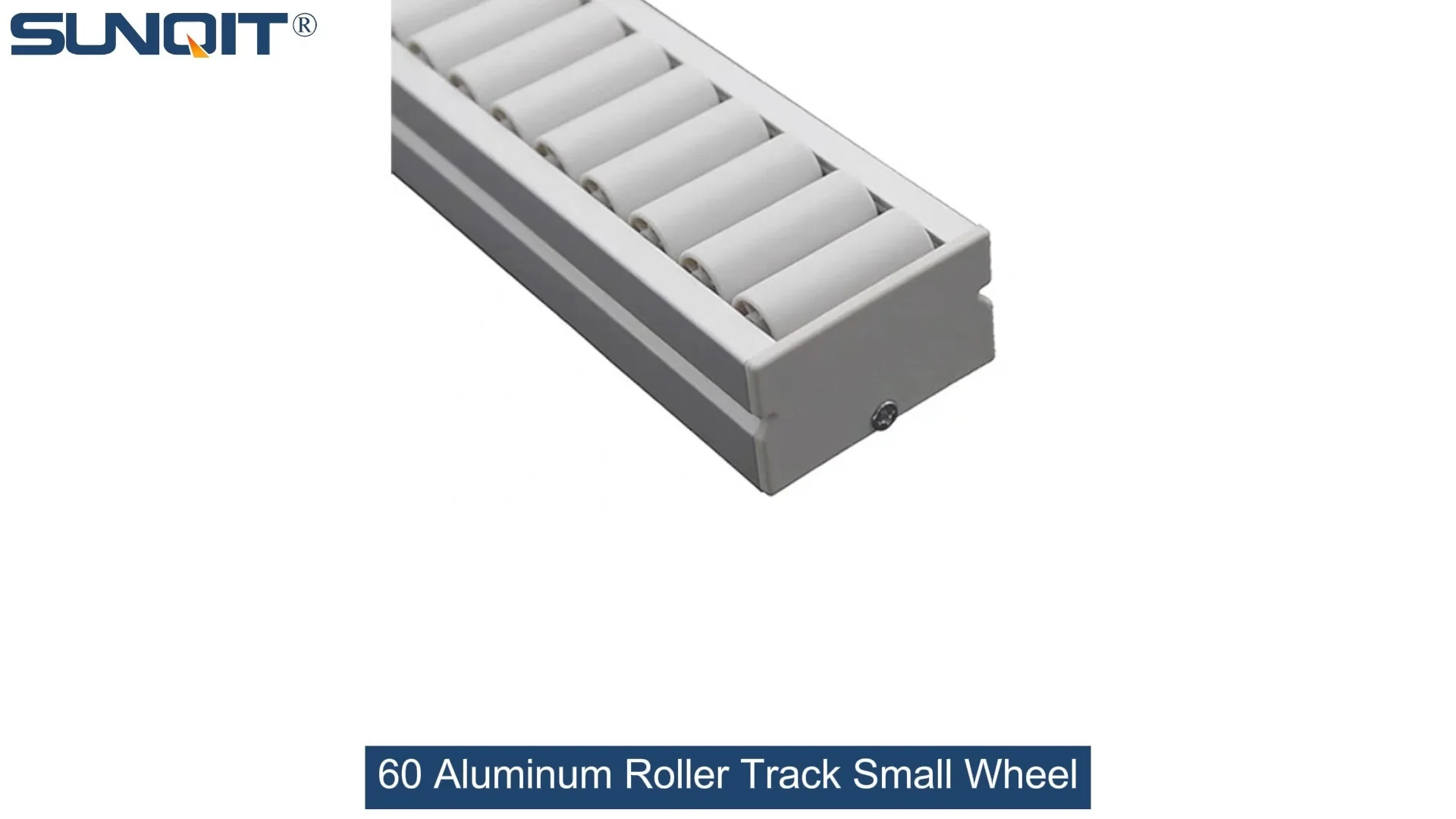
If you've ever stood by a production line watching a roller track grind to a halt because a small wheel gave out, you know the sting—delays, frustrated teams, and unexpected costs piling up. For anyone in manufacturing, especially those relying on lean systems to keep operations smooth, the durability of every component matters. Today, we're zeroing in on one such unsung hero: the 60 Aluminum Roller Track Small Wheel. How long does it really last? What factors influence its lifespan? And how can you make sure it serves your line as long as possible? Let's break it all down, with real data and practical tips to keep your operations rolling without hitches.
What Is the 60 Aluminum Roller Track Small Wheel?
Before we dive into lifespan data, let's get clear on what this component is and why it's so critical. The 60 Aluminum Roller Track Small Wheel is a compact, lightweight wheel designed for use in roller tracks—those systems that move parts and materials along production lines, flow racks, and conveyors. Made from high-grade aluminum alloy, it's built to handle repeated use while keeping friction low.
You'll find these wheels in a variety of settings: from lean pipe workbenches where parts slide smoothly into place, to flow racks storing components for assembly lines, to conveyors that shuttle products between stations. Its small size makes it ideal for tight spaces, and its aluminum construction means it's resistant to corrosion (when properly treated) and easy to integrate into lean solutions that prioritize flexibility and reusability.
Unlike heavier steel wheels or less durable plastic alternatives, the 60 Aluminum version strikes a balance between strength and weight. It can support moderate to heavy loads without adding unnecessary bulk, making it a go-to choice for manufacturers looking to optimize their operations without sacrificing reliability.
Key Factors Influencing Lifespan
The lifespan of a 60 Aluminum Roller Track Small Wheel isn't set in stone—it depends on a mix of usage, maintenance, and environmental factors. Let's explore each one in detail:
1. Load Capacity
Every roller wheel has a rated load limit, and exceeding it regularly is the fastest way to shorten its life. For the 60 Aluminum model, typical load limits range from 5kg to 30kg per wheel, depending on the specific design. When you put more weight on a wheel than it's built for, it strains the bearings and aluminum frame, leading to premature wear. Even occasional overloading can add up over time—think of it like carrying a backpack that's too heavy: your shoulders hurt, and over weeks, you might develop issues. The same goes for these wheels.
2. Frequency of Use
A wheel used 24/7 in a high-volume assembly line will wear faster than one in a low-traffic warehouse flow rack. Let's put numbers to it: a wheel rotating 100 times per hour in a busy line will log 876,000 rotations in a year, while one rotating 10 times per hour in a warehouse will log just 87,600. More rotations mean more friction, more wear on bearings, and a shorter lifespan. It's simple math, but it's easy to overlook when planning for component replacements.
3. Maintenance Practices
Neglecting maintenance is like skipping oil changes for your car—eventually, things break down. For roller wheels, key maintenance tasks include:
- Cleaning: Dust, debris, and grit get into bearings and act like abrasives, wearing down surfaces.
- Lubrication: Friction is the enemy of durability. Regular lubrication (every 2-4 weeks for high-traffic lines) keeps bearings running smoothly.
- Inspections: Catching small issues (like a loose bolt or a scratched wheel surface) early prevents them from turning into big problems.
4. Environmental Conditions
Where your wheels operate matters a lot. Humidity can cause corrosion if the aluminum isn't properly anodized. Dust and grit in the air (common in metalworking or woodworking shops) act as sandpaper on wheel surfaces. Extreme temperatures—like the heat in a foundry or the cold in a refrigerated warehouse—can affect the material properties of the wheel and bearings, leading to cracking or brittleness.
5. Material Quality & Manufacturing Standards
Not all 60 Aluminum Roller Track Small Wheels are created equal. High-grade aluminum alloys with proper anodization resist corrosion better than cheaper alternatives. The quality of the bearing (sealed vs open) also plays a role—sealed bearings keep out contaminants longer, extending lifespan by up to 50% compared to open bearings. Manufacturers that follow strict ISO 9001 standards produce more consistent, reliable wheels than those that cut corners.
6. Installation Precision
Misaligned tracks are a silent killer of roller wheels. When a track isn't straight, wheels bear uneven pressure, leading to uneven wear and early failure. Tightening bolts to the right torque (not too loose, not too tight) ensures stability. Even a 1-degree misalignment can cause a wheel to wear out 20% faster than it should.

Average Durability Data: How Long Does It Last?
Now for the question you've been waiting for: what's the average lifespan of a 60 Aluminum Roller Track Small Wheel? Based on industry surveys and data from leading suppliers, here's a breakdown of expected lifespans under different conditions:
| Usage Scenario | Average Load per Wheel | Maintenance Frequency | Expected Lifespan |
|---|---|---|---|
| Low-Traffic Warehouse Flow Rack | 5-10 kg | Quarterly | 36-48 months |
| Medium-Traffic Production Conveyor | 10-20 kg | Bi-Weekly | 24-36 months |
| High-Volume Assembly Line | 20-30 kg | Weekly | 12-18 months |
| Heavy-Duty Distribution Center | 30-40 kg | Weekly + Monthly Deep Clean | 8-12 months |
These numbers are averages—with proper care, you can extend them by 15-25%. For example, a medium-traffic conveyor wheel that would normally last 24 months could go 30 months if you stick to a strict maintenance schedule and avoid overloading.

Practical Tips to Extend Lifespan
Want to get the most out of your 60 Aluminum Roller Track Small Wheels? Follow these actionable tips:
1. Stick to Load Limits
Post load guidelines near every roller track and train your team to follow them. If you're unsure about the load limit of your wheels, check the manufacturer's specs or ask your supplier. For high-volume lines, consider installing load sensors that alert you when a cart or bin is too heavy.
2. Implement a Regular Maintenance Schedule
Create a checklist for your team: weekly wipe-downs to remove dust, bi-weekly lubrication of bearings (use a lubricant compatible with aluminum), and monthly inspections for loose bolts or worn wheels. Assign a specific team member to handle maintenance—accountability ensures tasks don't get skipped.
3. Keep the Environment Clean
Install dust covers over roller tracks in dusty areas. Use air blowers to clear debris from tracks at the start of each shift. If your facility has high humidity, consider adding dehumidifiers or using corrosion-resistant wheel coatings to protect aluminum from rust.
4. Ensure Proper Installation
Hire trained technicians to install roller tracks. Use alignment tools (like laser levels) to ensure tracks are straight. Follow the manufacturer's installation instructions to the letter—even small deviations can cause big problems later.
5. replace Worn Parts Proactively
Don't wait for a wheel to break before replacing it. Look for signs of wear: scratches on the wheel surface, uneven rotation, or unusual noise. Replacing a worn wheel early prevents damage to other components (like the track itself) and avoids costly downtime.

Real-World Success Stories
Numbers are great, but real-world examples show how these tips work. Let's look at three companies that extended their wheel lifespans:
Case Study 1: 3C Assembly Plant
A 3C assembly plant in China was using lean pipe workbenches and conveyors with 60 Aluminum Roller Track Small Wheels. They were replacing wheels every 10 months, costing them $20,000/year in parts and labor. After implementing weekly maintenance (cleaning + lubrication) and training staff on load limits, their replacement cycle extended to 18 months—a 50% increase. The plant saved $12,000/year and reduced downtime by 30%.
Case Study 2: Medical Supply Warehouse
A warehouse storing medical supplies in Europe had issues with corrosion due to high humidity. Their 60 Aluminum wheels were lasting just 24 months before rusting. They switched to high-grade anodized wheels and added dehumidifiers in storage areas. The new wheels lasted 36 months, reducing corrosion-related failures by 70% and saving the warehouse $8,000/year.
Case Study 3: Automotive Parts Manufacturer
An automotive parts manufacturer in the US was using plastic wheels on their conveyors. The plastic wheels lasted 6 months, leading to frequent replacements. They switched to 60 Aluminum Small Wheels, which lasted 12 months—doubling lifespan and cutting replacement costs in half. The manufacturer also noticed smoother material flow, as the aluminum wheels reduced friction more effectively than plastic.
Why Choose 60 Aluminum Over Other Materials?
You might be wondering: why not use plastic or steel wheels instead? Let's compare the 60 Aluminum model to these alternatives:
Aluminum vs Plastic Wheels
Plastic wheels are cheaper upfront, but they're less durable. They can crack under heavy loads, wear down quickly from friction, and melt in high temperatures. For example, a plastic wheel in a medium-traffic conveyor might last 6-12 months, while an aluminum wheel lasts 24-36 months. Over time, aluminum is more cost-effective because you replace it less often.
Aluminum vs Steel Wheels
Steel wheels are strong, but they're heavy. This extra weight increases energy consumption in conveyors and makes roller tracks harder to reconfigure (a key part of lean solutions). Steel also rusts easily if not coated, which shortens lifespan. Aluminum wheels are lightweight, corrosion-resistant (with anodization), and just as strong for most applications. They're a better fit for manufacturers looking to optimize efficiency and flexibility.
Finding a Reliable Supplier for Quality Wheels
The quality of your wheels starts with your supplier. Here's what to look for when choosing a supplier:
- Certifications: Look for ISO 9001 certification, which ensures the supplier follows strict quality standards.
- Material Quality: Ask about the aluminum alloy used and whether the wheels are anodized for corrosion resistance.
- Customization: Can the supplier adjust the wheel's design to fit your specific load or environmental needs?
- After-Sales Support: Does the supplier offer maintenance guides, replacement parts, or technical support?
- Customer Reviews: Check feedback from other manufacturers to see if the supplier's wheels are reliable and long-lasting.
A good supplier won't just sell you wheels—they'll be a partner in keeping your operations running smoothly. They'll help you choose the right wheels for your needs and provide the support you need to extend their lifespan.
The 60 Aluminum Roller Track Small Wheel might be a small component, but its impact on your production line is huge. By understanding the factors that influence its lifespan, following maintenance best practices, and choosing quality wheels from a reliable supplier, you can extend its life by 15-25%—saving time, money, and frustration. Remember: every component in your lean system matters, and investing in durability now pays off in the long run. Keep your lines rolling, keep your team happy, and keep your costs low—one small wheel at a time.