- Company Articles
- Products and Technology
- Product knowledge
- 60 Aluminum Roller Track Small Wheel Load Distribution: Preventing Overloading Risks

60 Aluminum Roller Track Small Wheel Load Distribution: Preventing Overloading Risks
Related Product
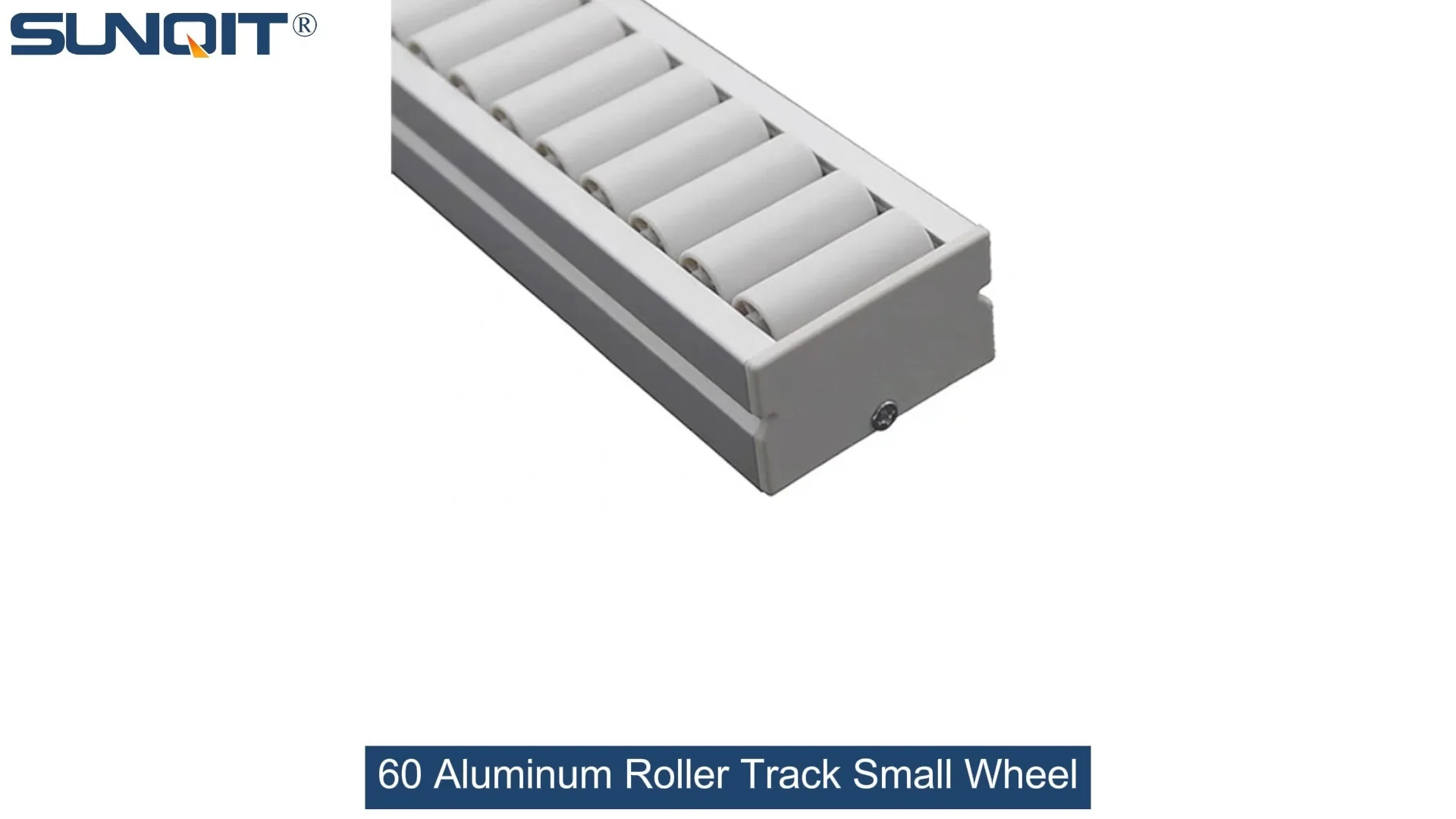
60 Aluminum Roller Track Small Wheel
Modular system roller tracks aluminum gravity roller tracks are an excellent solution for transporting materials within industrial environments, warehouses and distribution centres.
In the fast-paced world of manufacturing and logistics, every component plays a vital role in keeping operations running smoothly. One such component that often goes unnoticed but is critical to efficient material handling is the roller track. Among the various types available, the 60 aluminum roller track small wheel stands out for its versatility and durability. However, to fully leverage its benefits, understanding load distribution and preventing overloading risks is essential. This article delves into the importance of proper load distribution on these roller tracks, common risks of overloading, and how to mitigate them effectively.
What is 60 Aluminum Roller Track Small Wheel?
The 60 aluminum roller track small wheel is a key component in modern material handling systems. Made from high-quality aluminum, it combines strength with lightweight properties, making it ideal for a wide range of applications. The small wheels are designed to facilitate smooth movement of goods, whether on flow racks, conveyors, or workstations. This type of roller track is part of the extensive product line offered by Sunqit, a leading supplier of lean pipe systems and flexible production equipment. Its aluminum construction ensures resistance to corrosion and wear, while the small wheels provide low-friction movement, enhancing efficiency in workflows.
These roller tracks are commonly used in industries like 3C assembly, medical device manufacturing, and, where precision and reliability are paramount. They can be integrated into various systems, including flow racks for picking operations, conveyors for assembly lines, and lean pipe workbenches for manual handling tasks. The 60 aluminum roller track small wheel is engineered to handle specific load capacities, but their performance depends heavily on how the load is distributed across the wheels.
The Science of Load Distribution: Why It Matters
Load distribution refers to how the weight of a product or material is spread across the wheels of the roller track. When a load is placed on the track, each wheel bears a portion of the weight. Proper distribution ensures that no single wheel or section of the track is subjected to excessive stress, which can lead to damage or failure.
For the 60 aluminum roller track small wheel, this is particularly important because the small wheels have a limited load-bearing capacity compared to larger wheels. If the load is concentrated on a few wheels, those wheels may wear out quickly, or even break, leading to downtime and maintenance costs. Additionally, uneven load distribution can cause the track to bend or deform, affecting the smooth movement of goods and increasing the risk of accidents.
Proper load distribution also contributes to the longevity of the roller track system. By spreading the weight evenly, the wear and tear on each component are minimized, extending the lifespan of the track and reducing the need for frequent replacements. This not only saves costs but also ensures consistent performance in material handling operations.

Common Overloading Risks and Their Consequences
Overloading occurs when the weight placed on the roller track exceeds its maximum load capacity, or when the load is distributed unevenly, causing certain parts of the track to bear more weight than they can handle. The consequences of overloading can be severe, impacting both operational efficiency and safety.
1. Component Damage
Excessive load on the 60 aluminum roller track small wheel can lead to wheel damage, such as cracking or breaking. The aluminum track itself may also bend or deform under heavy loads, making it unusable. This not only requires immediate replacement of the damaged parts but also disrupts the workflow, leading to downtime and lost productivity.
2. Product Damage
When the roller track fails due to overloading, the goods being transported can fall off or get damaged. This is especially critical in industries like medical device manufacturing, where delicate products can be ruined by even a small impact. In 3C assembly lines, expensive electronic components may be damaged, leading to significant financial losses.
3. Safety Hazards
Overloading can pose serious safety risks to workers. A damaged roller track may collapse, causing heavy items to fall on employees, resulting in injuries. Additionally, uneven load distribution can make the track unstable, increasing the chances of accidents during material handling operations.
4. Increased Maintenance Costs
Frequent overloading leads to more frequent repairs and replacements of roller track components. This increases maintenance costs over time, affecting the overall profitability of the operation. It also takes valuable time away from productive tasks, as maintenance teams have to spend more time fixing issues.

Key Factors Affecting Load Distribution on 60 Aluminum Roller Track Small Wheel
Several factors influence how load is distributed on the 60 aluminum roller track small wheel. Understanding these factors is crucial for ensuring proper load management and preventing overloading.
1. Wheel Spacing
The distance between the wheels on the track plays a significant role in load distribution. If the wheels are spaced too far apart, a concentrated load can stress individual wheels beyond their capacity. Conversely, if the spacing is too close, the number of wheels increases, but it may not be cost-effective. Sunqit's 60 aluminum roller track small wheel is designed with optimal wheel spacing to balance load distribution and cost efficiency.
2. Wheel Material and Size
The material and size of the wheels affect their load-bearing capacity. Small wheels, like those in the 60 aluminum roller track, are designed for specific load ranges. Using wheels made from durable materials (like high-quality plastic or metal) ensures they can handle the intended load without damage. Sunqit uses premium materials for their roller track wheels to ensure reliability.
3. Surface Condition
The surface on which the roller track is installed can impact load distribution. Uneven surfaces can cause the track to tilt, leading to uneven weight distribution across the wheels. It is important to install the track on a flat, stable surface to ensure proper load distribution.
4. Load Placement
How the load is placed on the track is a critical factor. Centering the load ensures that the weight is spread evenly across the wheels. Placing the load off-center can cause excessive stress on certain wheels, leading to overloading. Training workers to place loads correctly is essential for maintaining proper load distribution.
5. Track Design
The overall design of the roller track, including its structure and support, affects load distribution. Sunqit's 60 aluminum roller track small wheel is part of a well-engineered system that includes supports and guides to ensure the track remains stable under load. The aluminum profile of the track provides rigidity, preventing deformation even under heavy loads.
| Factor | Impact on Load Distribution | Mitigation Strategy |
|---|---|---|
| Wheel Spacing | Too far apart: Concentrated load stress. Too close: Cost inefficiency. | Choose tracks with optimal spacing (e.g., Sunqit's 60 aluminum roller track). |
| Wheel Material/Size | Low-quality materials: Early wear. Incorrect size: Overloading. | Use premium materials and appropriate wheel size as per supplier specs. |
| Surface Condition | Uneven surface: Tilted track leads to uneven load. | Install on flat, stable surfaces. |
| Load Placement | Off-center load: Excessive stress on some wheels. | Train staff to center loads properly. |
| Track Design | Poor design: Deformation under load. | select well-engineered tracks from reputable suppliers. |

Practical Tips to Ensure Proper Load Distribution
To prevent overloading and ensure proper load distribution on the 60 aluminum roller track small wheel, follow these practical tips:
1. Calculate Maximum Load Capacity
Before using the roller track, refer to the supplier's specifications to determine the maximum load capacity. Sunqit provides clear load capacity information for all their roller track products, including the 60 aluminum roller track small wheel. Never exceed this capacity, as it can lead to component failure.
2. Evenly Distribute Loads
When placing items on the track, ensure the load is spread evenly across the length of the track. Avoid placing all the weight on one spot, as this can stress individual wheels. For example, in a flow rack, arrange boxes so that their weight is distributed across multiple wheels.
3. Regular Inspections
Conduct regular inspections of the roller track and wheels to check for signs of wear or damage. Look for cracked wheels, bent tracks, or loose components. If any issues are found, replace the damaged parts immediately to prevent overloading.
4. Use Appropriate Accessories
Sunqit offers a range of accessories that can help improve load distribution. For example, flow rack guides ensure that items are placed correctly on the track, while conveyor supports add stability to the system. Using these accessories can enhance the performance and longevity of the roller track.
5. Train Staff on Proper Loading Practices
Educate workers on the importance of proper load distribution and the risks of overloading. Provide training on how to place loads correctly and how to identify signs of overloading. This will help create a culture of safety and efficiency in the workplace.
How Sunqit's Solutions Support Safe Load Management
Sunqit, a leading supplier of lean pipe systems and flexible production equipment, offers a range of solutions that support safe load management for the 60 aluminum roller track small wheel. Their products are designed with load distribution in mind, ensuring reliability and efficiency.
1. Lean Pipe Workbench
Sunqit's lean pipe workbench is a versatile solution that integrates seamlessly with roller tracks. The workbench provides a stable surface for manual handling tasks, and its design ensures that the load from the workbench is distributed evenly across the supporting structure. This helps prevent overloading of the roller track and ensures smooth operation.
2. Flow Rack
Sunqit's flow racks are equipped with high-quality roller tracks, including the 60 aluminum roller track small wheel. These flow racks are designed to facilitate first-in-first-out (FIFO) inventory management, and their structure ensures that the load is distributed evenly across the wheels. This reduces the risk of overloading and extends the lifespan of the roller track.
3. Conveyor Systems
Sunqit's conveyor systems are customized to meet the specific needs of different industries. Whether it's a belt conveyor, roller conveyor, or chain conveyor, each system is engineered to handle the intended load capacity. The 60 aluminum roller track small wheel is often used in these conveyors to ensure smooth movement and proper load distribution.
4. Lean Solutions
Sunqit offers custom lean solutions for industries like 3C assembly, medical device manufacturing, and. These solutions are tailored to the unique requirements of each industry, including load management. For example, in the medical industry, where precision is critical, Sunqit's lean solutions ensure that delicate equipment is handled safely with proper load distribution.
5. Quality Materials
All of Sunqit's products are made from high-quality materials, including aluminum, which is known for its strength and lightweight properties. The 60 aluminum roller track small wheel is constructed from durable aluminum, ensuring that it can handle the intended load without deformation. This commitment to quality ensures that their products are reliable and long-lasting.
Case Studies: Real-World Applications of Proper Load Distribution
Let's look at some real-world examples where Sunqit's solutions have helped businesses manage load distribution effectively and prevent overloading risks.
Case Study 1: 3C Assembly Line Optimization
A leading 3C assembly company was facing issues with frequent downtime due to overloading of their roller tracks. Their existing system used low-quality roller tracks that could not handle the load of electronic components. Sunqit proposed a solution that included lean pipe workbenches and conveyors equipped with 60 aluminum roller track small wheels. After implementation, the company saw a 30% reduction in downtime, as the new roller tracks distributed the load evenly, reducing wear and tear. The workers also reported improved efficiency, as the smooth movement of components made assembly tasks easier.
Case Study 2: Medical Device Warehouse Efficiency
A medical device manufacturer needed a reliable storage solution for their delicate products. They chose Sunqit's flow racks with 60 aluminum roller track small wheels. The flow racks were designed to handle the light but sensitive load of medical devices, ensuring that the weight was distributed evenly across the wheels. This prevented damage to the products and improved picking efficiency. The company also noted that the flow racks required minimal maintenance, saving them time and costs.
Case Study 3: Automotive Parts Logistics
An automotive parts supplier was struggling with overloading issues in their conveyor systems. The heavy parts were causing the roller tracks to bend, leading to frequent replacements. Sunqit's team analyzed their needs and designed a custom conveyor system using 60 aluminum roller track small wheels. The new system was engineered to handle the heavy load, with proper load distribution across the wheels. The supplier reported a 25% reduction in maintenance costs and a 20% increase in throughput, as the conveyor system ran smoothly without interruptions.
Choosing the Right Supplier for Your Roller Track Needs
Selecting the right supplier is crucial for ensuring that your roller track system is reliable and efficient. Sunqit stands out as a leading supplier of lean pipe systems and flexible production equipment, offering a range of benefits:
1. Expertise in Lean Systems
Sunqit has extensive experience in lean manufacturing and material handling. Their team of experts understands the importance of load distribution and designs products that align with lean principles, such as waste reduction and continuous improvement.
2. Custom Solutions
Sunqit offers custom solutions tailored to the specific needs of each client. Whether you need a lean pipe workbench, flow rack, or conveyor system, their team will work with you to design a solution that meets your load management requirements.
3. Quality Products
All of Sunqit's products are made from high-quality materials and undergo rigorous testing to ensure they meet industry standards. The 60 aluminum roller track small wheel is no exception, with its durable construction and optimal load-bearing capacity.
4. After-Sales Support
Sunqit provides excellent after-sales support, including installation guidance, maintenance tips, and replacement parts. Their team is always available to help with any issues, ensuring that your roller track system runs smoothly.
5. Competitive Pricing
Sunqit offers competitive pricing for their products, making them an affordable choice for businesses of all sizes. Their commitment to value ensures that you get high-quality
In the fast-paced world of manufacturing and logistics, every component plays a vital role in keeping operations running smoothly. One such component that often goes unnoticed but is critical to efficient material handling is the roller track. Among the various types available, the 60 aluminum roller track small wheel stands out for its versatility and durability. However, to fully leverage its benefits, understanding load distribution and preventing overloading risks is essential. This article delves into the importance of proper load distribution on these roller tracks, common risks of overloading, and how to mitigate them effectively.
What is 60 Aluminum Roller Track Small Wheel?
The 60 aluminum roller track small wheel is a key component in modern material handling systems. Made from high-quality aluminum, it combines strength with lightweight properties, making it ideal for a wide range of applications. The small wheels are designed to facilitate smooth movement of goods, whether on flow racks, conveyors, or workstations. This type of roller track is part of the extensive product line offered by Sunqit, a leading supplier of lean pipe systems and flexible production equipment. Its aluminum construction ensures resistance to corrosion and wear, while the small wheels provide low-friction movement, enhancing efficiency in workflows.
These roller tracks are commonly used in industries like 3C assembly, medical device manufacturing, and, where precision and reliability are paramount. They can be integrated into various systems, including flow racks for picking operations, conveyors for assembly lines, and lean pipe workbenches for manual handling tasks. The 60 aluminum roller track small wheel is engineered to handle specific load capacities, but their performance depends heavily on how the load is distributed across the wheels.
The Science of Load Distribution: Why It Matters
Load distribution refers to how the weight of a product or material is spread across the wheels of the roller track. When a load is placed on the track, each wheel bears a portion of the weight. Proper distribution ensures that no single wheel or section of the track is subjected to excessive stress, which can lead to damage or failure.
For the 60 aluminum roller track small wheel, this is particularly important because the small wheels have a limited load-bearing capacity compared to larger wheels. If the load is concentrated on a few wheels, those wheels may wear out quickly, or even break, leading to downtime and maintenance costs. Additionally, uneven load distribution can cause the track to bend or deform, affecting the smooth movement of goods and increasing the risk of accidents.
Proper load distribution also contributes to the longevity of the roller track system. By spreading the weight evenly, the wear and tear on each component are minimized, extending the lifespan of the track and reducing the need for frequent replacements. This not only saves costs but also ensures consistent performance in material handling operations.
Common Overloading Risks and Their Consequences
Overloading occurs when the weight placed on the roller track exceeds its maximum load capacity, or when the load is distributed unevenly, causing certain parts of the track to bear more weight than they can handle. The consequences of overloading can be severe, impacting both operational efficiency and safety.
1. Component Damage
Excessive load on the 60 aluminum roller track small wheel can lead to wheel damage, such as cracking or breaking. The aluminum track itself may also bend or deform under heavy loads, making it unusable. This not only requires immediate replacement of the damaged parts but also disrupts the workflow, leading to downtime and lost productivity.
2. Product Damage
When the roller track fails due to overloading, the goods being transported can fall off or get damaged. This is especially critical in industries like medical device manufacturing, where delicate products can be ruined by even a small impact. In 3C assembly lines, expensive electronic components may be damaged, leading to significant financial losses.
3. Safety Hazards
Overloading can pose serious safety risks to workers. A damaged roller track may collapse, causing heavy items to fall on employees, resulting in injuries. Additionally, uneven load distribution can make the track unstable, increasing the chances of accidents during material handling operations.
4. Increased Maintenance Costs
Frequent overloading leads to more frequent repairs and replacements of roller track components. This increases maintenance costs over time, affecting the overall profitability of the operation. It also takes valuable time away from productive tasks, as maintenance teams have to spend more time fixing issues.
Key Factors Affecting Load Distribution on 60 Aluminum Roller Track Small Wheel
Several factors influence how load is distributed on the 60 aluminum roller track small wheel. Understanding these factors is crucial for ensuring proper load management and preventing overloading.
1. Wheel Spacing
The distance between the wheels on the track plays a significant role in load distribution. If the wheels are spaced too far apart, a concentrated load can stress individual wheels beyond their capacity. Conversely, if the spacing is too close, the number of wheels increases, but it may not be cost-effective. Sunqit's 60 aluminum roller track small wheel is designed with optimal wheel spacing to balance load distribution and cost efficiency.
2. Wheel Material and Size
The material and size of the wheels affect their load-bearing capacity. Small wheels, like those in the 60 aluminum roller track, are designed for specific load ranges. Using wheels made from durable materials (like high-quality plastic or metal) ensures they can handle the intended load without damage. Sunqit uses premium materials for their roller track wheels to ensure reliability.
3. Surface Condition
The surface on which the roller track is installed can impact load distribution. Uneven surfaces can cause the track to tilt, leading to uneven weight distribution across the wheels. It is important to install the track on a flat, stable surface to ensure proper load distribution.
4. Load Placement
How the load is placed on the track is a critical factor. Centering the load ensures that the weight is spread evenly across the wheels. Placing the load off-center can cause excessive stress on certain wheels, leading to overloading. Training workers to place loads correctly is essential for maintaining proper load distribution.
5. Track Design
The overall design of the roller track, including its structure and support, affects load distribution. Sunqit's 60 aluminum roller track small wheel is part of a well-engineered system that includes supports and guides to ensure the track remains stable under load. The aluminum profile of the track provides rigidity, preventing deformation even under heavy loads.
| Factor | Impact on Load Distribution | Mitigation Strategy |
|---|---|---|
| Wheel Spacing | Too far apart: Concentrated load stress. Too close: Cost inefficiency. | Choose tracks with optimal spacing (e.g., Sunqit's 60 aluminum roller track). |
| Wheel Material/Size | Low-quality materials: Early wear. Incorrect size: Overloading. | Use premium materials and appropriate wheel size as per supplier specs. |
| Surface Condition | Uneven surface: Tilted track leads to uneven load. | Install on flat, stable surfaces. |
| Load Placement | Off-center load: Excessive stress on some wheels. | Train staff to center loads properly. |
| Track Design | Poor design: Deformation under load. | select well-engineered tracks from reputable suppliers. |
Practical Tips to Ensure Proper Load Distribution
To prevent overloading and ensure proper load distribution on the 60 aluminum roller track small wheel, follow these practical tips:
1. Calculate Maximum Load Capacity
Before using the roller track, refer to the supplier's specifications to determine the maximum load capacity. Sunqit provides clear load capacity information for all their roller track products, including the 60 aluminum roller track small wheel. Never exceed this capacity, as it can lead to component failure.
2. Evenly Distribute Loads
When placing items on the track, ensure the load is spread evenly across the length of the track. Avoid placing all the weight on one spot, as this can stress individual wheels. For example, in a flow rack, arrange boxes so that their weight is distributed across multiple wheels.
3. Regular Inspections
Conduct regular inspections of the roller track and wheels to check for signs of wear or damage. Look for cracked wheels, bent tracks, or loose components. If any issues are found, replace the damaged parts immediately to prevent overloading.
4. Use Appropriate Accessories
Sunqit offers a range of accessories that can help improve load distribution. For example, flow rack guides ensure that items are placed correctly on the track, while conveyor supports add stability to the system. Using these accessories can enhance the performance and longevity of the roller track.
5. Train Staff on Proper Loading Practices
Educate workers on the importance of proper load distribution and the risks of overloading. Provide training on how to place loads correctly and how to identify signs of overloading. This will help create a culture of safety and efficiency in the workplace.
How Sunqit's Solutions Support Safe Load Management
Sunqit, a leading supplier of lean pipe systems and flexible production equipment, offers a range of solutions that support safe load management for the 60 aluminum roller track small wheel. Their products are designed with load distribution in mind, ensuring reliability and efficiency.
1. Lean Pipe Workbench
Sunqit's lean pipe workbench is a versatile solution that integrates seamlessly with roller tracks. The workbench provides a stable surface for manual handling tasks, and its design ensures that the load from the workbench is distributed evenly across the supporting structure. This helps prevent overloading of the roller track and ensures smooth operation.
2. Flow Rack
Sunqit's flow racks are equipped with high-quality roller tracks, including the 60 aluminum roller track small wheel. These flow racks are designed to facilitate first-in-first-out (FIFO) inventory management, and their structure ensures that the load is distributed evenly across the wheels. This reduces the risk of overloading and extends the lifespan of the roller track.
3. Conveyor Systems
Sunqit's conveyor systems are customized to meet the specific needs of different industries. Whether it's a belt conveyor, roller conveyor, or chain conveyor, each system is engineered to handle the intended load capacity. The 60 aluminum roller track small wheel is often used in these conveyors to ensure smooth movement and proper load distribution.
4. Lean Solutions
Sunqit offers custom lean solutions for industries like 3C assembly, medical device manufacturing, and. These solutions are tailored to the unique requirements of each industry, including load management. For example, in the medical industry, where precision is critical, Sunqit's lean solutions ensure that delicate equipment is handled safely with proper load distribution.
5. Quality Materials
All of Sunqit's products are made from high-quality materials, including aluminum, which is known for its strength and lightweight properties. The 60 aluminum roller track small wheel is constructed from durable aluminum, ensuring that it can handle the intended load without deformation. This commitment to quality ensures that their products are reliable and long-lasting.
Case Studies: Real-World Applications of Proper Load Distribution
Let's look at some real-world examples where Sunqit's solutions have helped businesses manage load distribution effectively and prevent overloading risks.
Case Study 1: 3C Assembly Line Optimization
A leading 3C assembly company was facing issues with frequent downtime due to overloading of their roller tracks. Their existing system used low-quality roller tracks that could not handle the load of electronic components. Sunqit proposed a solution that included lean pipe workbenches and conveyors equipped with 60 aluminum roller track small wheels. After implementation, the company saw a 30% reduction in downtime, as the new roller tracks distributed the load evenly, reducing wear and tear. The workers also reported improved efficiency, as the smooth movement of components made assembly tasks easier.
Case Study 2: Medical Device Warehouse Efficiency
A medical device manufacturer needed a reliable storage solution for their delicate products. They chose Sunqit's flow racks with 60 aluminum roller track small wheels. The flow racks were designed to handle the light but sensitive load of medical devices, ensuring that the weight was distributed evenly across the wheels. This prevented damage to the products and improved picking efficiency. The company also noted that the flow racks required minimal maintenance, saving them time and costs.
Case Study 3: Automotive Parts Logistics
An automotive parts supplier was struggling with overloading issues in their conveyor systems. The heavy parts were causing the roller tracks to bend, leading to frequent replacements. Sunqit's team analyzed their needs and designed a custom conveyor system using 60 aluminum roller track small wheels.
Conclusion
Proper load distribution on the 60 aluminum roller track small wheel is essential for maintaining a safe and efficient workplace. By investing in quality products and following best practices, businesses can reap the benefits of smooth material handling and reduced operational costs.