- Company Articles
- Products and Technology
- Installation And Maintenance
- 60 Aluminum Roller Track Small Wheel Maintenance Schedule: Weekly & Monthly Checks

60 Aluminum Roller Track Small Wheel Maintenance Schedule: Weekly & Monthly Checks
Related Product
60 Aluminum Roller Track Small Wheel
Modular system roller tracks aluminum gravity roller tracks are an excellent solution for transporting materials within industrial environments, warehouses and distribution centres.
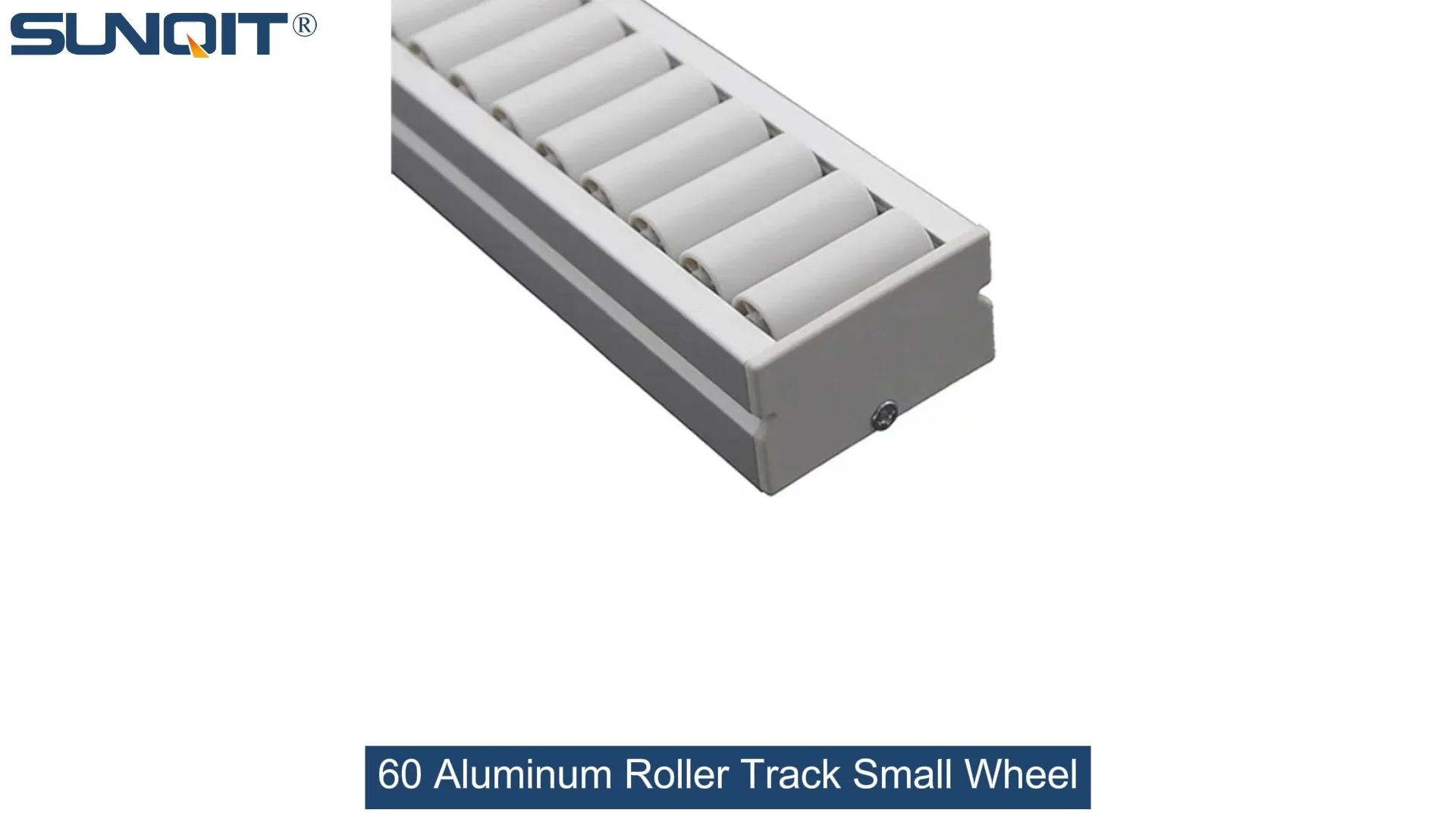
Ever had a production line slow down because a tiny wheel on your roller track got stuck? Or noticed items jostling unevenly as they move along the track, risking damage to your products? If you work with lean systems in manufacturing or warehouse operations, you know how critical every component is—especially the 60 aluminum roller track small wheel. These small wheels are the unsung heroes of your flow racks, conveyors, and assembly lines, keeping materials moving smoothly and efficiently.
Regular maintenance isn't just about fixing problems when they pop up; it's about preventing downtime before it happens. A well-maintained roller track system extends the life of your equipment, reduces repair costs, and keeps your lean system running at peak performance. In this guide, we'll walk you through a step-by-step weekly and monthly maintenance schedule for your 60 aluminum roller track small wheels and related components, so you can keep your operations on track.
Pre-Maintenance Prep: What You'll Need
Before you start any maintenance tasks, gather these tools and supplies to make the process smooth and efficient:
- Soft-bristle brush (for removing dust and debris)
- Lint-free microfiber cloths (for cleaning and drying)
- Mild, non-corrosive detergent (avoid harsh chemicals that can damage aluminum)
- Silicone-based lubricant (oil-based lubricants attract dust—stay away!)
- Wrench set (adjustable and fixed sizes to fit different fasteners)
- Flashlight (for checking hard-to-see areas like wheel bearings)
- Protective gloves (to keep your hands clean and safe from sharp edges)
- Aluminum cleaner (for removing oxidation or light corrosion)
- Lock washers (optional, but useful for preventing loose fasteners)
Safety first: Always turn off any powered conveyor systems before starting maintenance. If you're working on a high rack, use a stable ladder and have someone spot you if needed. Clear the area around the track to avoid tripping hazards.
Weekly Maintenance Schedule: Quick Checks for Smooth Operation
Weekly maintenance is all about catching small issues before they turn into big problems. Set aside 15-20 minutes each week to go through these steps:
| Step Number | Task Description | What to Look For | Action to Take |
|---|---|---|---|
| 1 | Clean 60 Aluminum Roller Track Small Wheels & Track Surface | Dust, debris, or small particles stuck in wheel gaps or along the track. Food crumbs (if in a packaging line) or metal shavings (if in a machining area) are common culprits. | Use a soft brush to sweep away loose debris. Wipe the wheels and track with a dry microfiber cloth. For stubborn grime, dampen the cloth with mild detergent (diluted in water) and wipe gently—then dry immediately to prevent water spots. |
| 2 | Test Wheel Rotation | Stiff wheels that don't spin freely, or wheels that wobble when rotated. Uneven rotation can cause items to stick or move sideways. | Spin each wheel manually. If it's stiff, apply a tiny drop of silicone lubricant to the bearing area (don't overdo it—too much lubricant attracts dust). If the wheel wobbles, check if it's loose or damaged (we'll cover this in monthly checks). |
| 3 | Inspect Roller Track Accessories (Connectors & Guides) | Loose bolts, nuts, or connectors that hold the track sections together. Misaligned guides that cause items to veer off course. | Tighten any loose fasteners with the appropriate wrench. If guides are misaligned, adjust them gently to ensure they're straight and parallel to the track. |
| 4 | Check Track Alignment | Gaps between track sections, or the track being uneven (sagging in the middle). This can cause items to get stuck or fall off. | Place a straight edge along the track to check for sagging. If the track is uneven, adjust the support legs or brackets to level it. For gaps between sections, tighten the connectors or add a filler piece if needed. |
| 5 | Light Load Test | Items sticking to the track, or moving with excessive noise when a light load is applied. This indicates friction or misalignment. | Place a standard box or part (similar to what you use daily) on the track and push it along the length. If it sticks, recheck the wheels and track for debris or stiffness. If it's noisy, inspect the wheels for wear or loose parts. |

Monthly Maintenance Schedule: Deep Dive for Longevity
Monthly maintenance takes a closer look at the components that wear over time. Spend 30-40 minutes each month on these detailed checks:
| Step Number | Task Description | What to Look For | Action to Take |
|---|---|---|---|
| 1 | Deep Clean Wheel Bearings | Grime buildup inside the wheel bearings, which can cause stiffness or premature wear. This is common in dusty or humid environments. | Use a toothbrush (soft-bristle) to gently scrub the bearing area of each 60 aluminum roller track small wheel. Wipe away the grime with a cloth. If the bearing is removable (check manufacturer guidelines), take it out and clean it with mild detergent—then dry and lubricate before reinserting. |
| 2 | Assess Wheel Wear & Tear | Scratches, dents, or worn edges on the wheel surface. Deformed wheels that don't roll straight, or wheels that have lost their smooth finish. | replace any worn or deformed wheels immediately. Worn wheels can damage your products and put extra stress on other parts of the track system. Choose high-quality replacement wheels from a reliable supplier to ensure compatibility. |
| 3 | Inspect Aluminum Profile Components | Oxidation (white spots) on aluminum profiles, or cracks/dents in the track frame. Corrosion (if any steel parts are present) can also be a problem. | For oxidation: Apply a small amount of aluminum cleaner to a cloth and rub gently to remove the spots. Rinse with water and dry thoroughly. For cracks or dents: If the damage is minor, you can bend the profile back (if it's flexible) but if it's severe, replace the section to avoid structural issues. |
| 4 | Tighten All Fasteners (Full Check) | Fasteners that have loosened over time (even if they were tight last week). Vibration from daily use can cause bolts to come undone. | Go through every bolt, nut, and connector on the track system. Tighten them to the manufacturer's recommended torque (if available). For critical fasteners, add a lock washer to prevent future loosening. |
| 5 | Test Maximum Load Capacity | Sagging track, sticking wheels, or unusual noise when the maximum recommended load is applied. This indicates that the system isn't handling the load properly. | Place the heaviest item you typically use on the track and move it across the entire length. If the track sags, check the support legs—you may need to add extra supports. If wheels stick, replace them or adjust the track alignment. If issues persist, consult a professional to assess the system's structural integrity. |
| 6 | Check for ESD Compliance (If Applicable) | Static buildup on the track or wheels (common in electronics assembly lines). This can damage sensitive components like circuit boards. | Use an ESD tester to check for static discharge. If the track isn't compliant, clean it with an ESD-friendly cleaner. replace any parts that are no longer ESD-safe (like worn ESD wheels or mats). |

Troubleshooting Common Issues
Even with regular maintenance, you might run into issues from time to time. Here's how to fix the most common problems quickly:
Issue: Wheels Are Sticking or Not Rotating
**Possible Causes**: Dirt in the bearings, lack of lubrication, or worn bearings. **Fix**: First, clean the bearings (as per monthly step 1). If that doesn't work, apply silicone lubricant. If the wheel still sticks, replace the bearing or the entire wheel.
Issue: Items Are Moving Unevenly or Falling Off
**Possible Causes**: Misaligned track, loose guides, or worn wheels. **Fix**: Check the track alignment (weekly step 4) and adjust guides. replace any worn wheels that are causing wobbling.
Issue: Excessive Noise During Operation
**Possible Causes**: Loose fasteners, worn wheels, or misaligned track sections. **Fix**: Tighten all fasteners (monthly step 4). replace worn wheels. Adjust track sections to eliminate gaps.
Issue: Oxidation on Aluminum Profiles
**Possible Causes**: Exposure to moisture or harsh chemicals. **Fix**: Use aluminum cleaner to remove oxidation. To prevent future issues, apply a protective coating (like a clear sealant) to the profiles, or keep the area dry and well-ventilated.

Long-Term Care Tips: Keep Your System Running for Years
Beyond weekly and monthly checks, these tips will help extend the life of your 60 aluminum roller track small wheels and lean system:
1. Use the Track Correctly
Don't overload the track beyond its maximum capacity. Avoid dropping heavy items on the wheels—this can cause deformation or damage. For fragile products, use soft-sided containers to reduce impact on the wheels.
2. Store Properly (If Not in Use)
If you're not using the track for an extended period, clean it thoroughly and store it in a dry, cool area. Cover it with a dust cloth to prevent debris buildup. Avoid storing it in direct sunlight, as this can fade or damage the aluminum.
3. Choose Quality Replacement Parts
When replacing 60 aluminum roller track small wheels or roller track accessories, opt for parts from a reputable supplier. Cheap, low-quality parts can wear quickly and cause more problems down the line. Suppliers like Sunqit offer a wide range of lean system components that are durable and compatible with most track systems.
4. Train Your Team
Make sure your team knows how to use the track system correctly. Teach them to spot small issues (like stuck wheels or loose fasteners) and report them immediately. This way, problems can be fixed before they affect production.
Conclusion: Maintenance Is an Investment, Not a Cost
Taking care of your 60 aluminum roller track small wheels isn't just a chore—it's an investment in your lean system's efficiency and your business's bottom line. By following this weekly and monthly maintenance schedule, you can reduce downtime, save money on repairs, and keep your operations running smoothly. Remember, small, consistent efforts go a long way in extending the life of your equipment.
If you ever need help with replacement parts or custom lean solutions, don't hesitate to reach out to a trusted supplier. A well-maintained system is a productive system—so start implementing these checks today!