- Company Articles
- Products and Technology
- Procurement Guidelines
- 60 Aluminum Roller Track Small Wheel Selection Checklist: Key Factors for Buyers

60 Aluminum Roller Track Small Wheel Selection Checklist: Key Factors for Buyers
Related Product
60 Aluminum Roller Track Small Wheel
Modular system roller tracks aluminum gravity roller tracks are an excellent solution for transporting materials within industrial environments, warehouses and distribution centres.
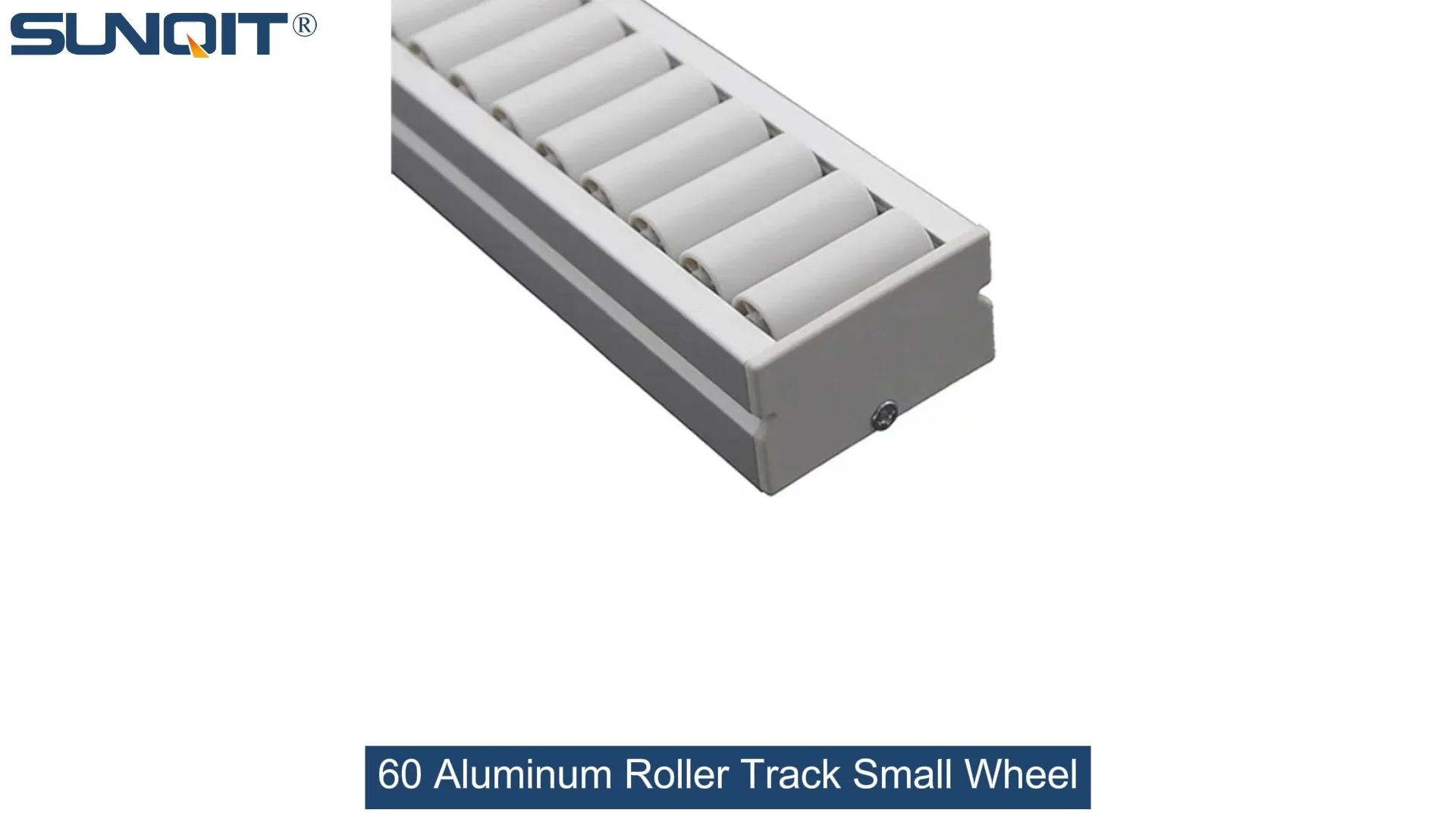
If you've ever stood by a flow rack or conveyor system that's grinding to a halt because a tiny roller wheel gave out, you know how much of a bottleneck that can create. For manufacturers in industries like 3C assembly, medical equipment production, or warehouse logistics, every minute of downtime adds up to lost revenue and delayed orders. That's why choosing the right 60 aluminum roller track small wheel isn't just a trivial purchase—it's a decision that impacts your entire operation's efficiency and alignment with lean principles.
Whether you're building a new lean system from scratch or upgrading an existing conveyor, this checklist will walk you through the critical factors to consider before hitting that 'buy' button. We'll cover everything from load capacity to environmental needs, so you can pick wheels that last, perform, and fit perfectly into your production flow.
1. Load Capacity: Don't Skimp on Strength
First things first: how much weight will each wheel need to support? This is non-negotiable—choose a wheel that can't handle your typical load, and you'll be replacing it (and dealing with downtime) far too often.
Let's break it down: if you're using a flow rack for small 3C parts (like phone screens or circuit boards), the load per wheel might be light—maybe 5-10 kg. But if you're moving heavy medical equipment components or automotive parts on a conveyor, each wheel could need to support 20-50 kg or more.
Pro tip: Always add a 20% safety margin to your calculated load. Lean systems are designed for continuous improvement, so you might end up adding more weight later as your process evolves. For example, if your flow rack holds 10 kg per shelf, and each shelf uses 4 wheels, the load per wheel is 2.5 kg—so you should pick wheels rated for at least 3 kg.
2. Material Compatibility: Match Wheels to Your Surface & Industry
Not all wheels work with all surfaces. Let's say your roller track uses plastic guide rails (yellow or grey, common in lean pipe systems). A soft plastic wheel might wear out quickly, while a hard aluminum wheel could scratch the guide rail and create debris that contaminates your products.
Another key point: ESD (anti-static) requirements. For industries like 3C assembly or electronic manufacturing, static electricity is a silent enemy—it can damage sensitive components like microchips or circuit boards. So picking an ESD-compatible wheel isn't just an option; it's a must. Look for wheels labeled with ESD ratings or made from anti-static materials like carbon-filled plastic.
For medical equipment manufacturers, chemical resistance is critical. Wheels used in clean rooms or near sterilization areas need to withstand harsh cleaning agents (like alcohol or hydrogen peroxide) without degrading. Stainless steel or coated aluminum wheels are often the best choice here.

3. Wheel Size: Diameter & Thickness Matter
The 60 aluminum roller track small wheel's size isn't just about fitting into your existing system—it affects how smoothly it rolls and how long it lasts.
Diameter: Smaller wheels have higher rolling resistance, which means your team will have to push harder to move parts along the track. This is fine for light loads or short distances (like a small flow rack on a lean workbench), but for longer conveyors, you'll want slightly larger wheels to reduce fatigue and improve efficiency.
Thickness: A thicker wheel is more durable and less likely to bend under load. However, it might add extra weight to your system, which could be a problem if you're using a mobile turnover trolley. Balance is key—choose a thickness that's strong enough for your load without unnecessary bulk.
Before ordering, measure the axle hole size and track width of your existing system. Most suppliers (especially those offering lean pipe wholesale) will provide detailed specs, but it's always a good idea to test a sample wheel to ensure a perfect fit.

4. Bearing Type: Smooth Rolling = Better Efficiency
The bearing inside the wheel determines how smoothly it rolls and how long it lasts. Two common types are used in roller track systems:
- Ball Bearings: Great for light to medium loads. They're smooth, quiet, and ideal for clean rooms or medical equipment lines where noise is a concern. Sealed ball bearings are even better—they keep out dust and debris, so you don't have to lubricate them as often.
- Roller Bearings: Handle heavier loads more effectively. They distribute weight evenly across the wheel, reducing wear and tear. These are perfect for warehouse conveyors or flow racks that hold bulky items like automotive parts.
For lean systems that prioritize low maintenance, sealed bearings are a smart investment. They extend the wheel's lifespan and reduce the need for frequent repairs—aligning perfectly with the lean principle of minimizing waste.

5. Environmental Conditions: Adapt to Your Workspace
Where will your roller track be used? The environment plays a huge role in choosing the right wheel:
- Moisture: If your warehouse is humid or has occasional spills, choose wheels that are rust-resistant. Stainless steel or coated aluminum wheels are perfect here—they won't corrode even in damp conditions.
- Temperature: Extreme heat (like near welding stations) or cold (freezer warehouses) can affect wheel material. For example, plastic wheels might become brittle in cold temperatures, while metal wheels can expand in heat. Make sure the wheel is rated for your workspace's temperature range.
- Cleanliness: For clean rooms (common in medical or 3C assembly), wheels should be non-shedding and easy to clean. Avoid wheels with porous materials that trap dust or bacteria. Smooth, sealed wheels are the best choice here.
6. Mounting Compatibility: Fit Into Your Existing Lean System
You don't want to buy wheels that don't fit your current roller track connectors or conveyor setup. Before making a purchase, check these three things:
- Does the wheel's axle size match your track's holes? A mismatch here will mean you can't install the wheel at all.
- Is the wheel's width compatible with your roller track's guide rails? A wheel that's too wide will rub against the rails, while one that's too narrow will be unstable.
- For lean pipe systems, does the wheel work with internal rotatary aluminum joints or other accessories? If you're using a custom lean solution, this is especially important.
Many lean pipe suppliers offer sample wheels—take advantage of this to test compatibility before placing a bulk order. This small step can save you from wasting money on wheels that don't fit.
7. Cost vs. Longevity: Think Long-Term (Lean Principles 101)
Lean systems are all about reducing waste and improving sustainability. So when choosing wheels, don't just look at the upfront cost. A cheaper wheel might need to be replaced every 6 months, while a slightly more expensive one could last 2 years. Over time, the durable option saves you money and reduces downtime (which is a huge waste in lean terms).
Let's do the math: if a cheap wheel costs $1 and needs replacement every 6 months, the annual cost per wheel is $2. A durable wheel costs $3 and lasts 2 years—so the annual cost is $1.50. Plus, you'll save on labor costs for replacing wheels (which can add up quickly in a busy factory).
For businesses buying in bulk (like those looking for flow rack wholesale), this difference is even more significant. Investing in high-quality wheels means fewer replacements, less labor, and more consistent production flow.
The Ultimate 60 Aluminum Roller Track Small Wheel Checklist
Use this table to make sure you don't miss any key factors before buying:
| Key Factor | What to Verify | Notes/Action Items |
|---|---|---|
| Load Capacity | Wheel's rated load ≥ (actual load + 20% safety margin) | Calculate load per wheel by dividing total rack/conveyor load by number of wheels. For example: 10 kg shelf ÷4 wheels =2.5 kg per wheel → need ≥3 kg rated wheels. |
| Material Compatibility | Wheel material works with track surface; ESD-compliant if needed. | Test with sample track/guide rail. For ESD needs, check for anti-static ratings. |
| Wheel Size | Diameter & thickness fit existing track/connectors. | Measure axle hole size and track width before ordering. Request samples to test fit. |
| Bearing Type | Bearing matches load and noise requirements. | Sealed bearings recommended for dusty/clean environments. Roller bearings for heavy loads. |
| Environmental Conditions | Wheel rated for workspace moisture, temp, and cleanliness. | Check product specs for rust resistance or non-shedding properties. For medical, choose chemical-resistant wheels. |
| Mounting Compatibility | Wheel fits existing roller track connectors/conveyor parts. | Test sample wheels with your system before bulk purchase. |
| Cost vs. Longevity | Long-term cost (price + replacement frequency) is optimized. | Compare annual costs: (price per wheel × number of replacements) + labor cost. Choose the lowest total cost option. |
How to Apply This Checklist in Real Scenarios
Let's take two common examples to see how the checklist works:
Scenario 1: 3C Assembly Line Flow Rack
Needs: ESD-compatible wheels, light load (5 kg per wheel), fits plastic yellow guide rails, clean room-friendly.
Checklist Steps:
- Load Capacity: Choose wheels rated for ≥6 kg (5 +20% safety margin).
- Material: ESD plastic wheels to prevent static damage.
- Size: Match to flow rack's roller track width (e.g., 60 mm).
- Bearing: Sealed ball bearings (quiet, dust-resistant).
- Environment: Non-shedding, easy to clean.
- Mounting: Fits flow rack's roller track connectors.
- Cost: Prioritize durable ESD wheels to avoid static damage to parts.
Scenario 2: Warehouse Conveyor for Medical Equipment
Needs: Heavy load (30 kg per wheel), rust-resistant, chemical-resistant (to cleaning agents), fits aluminum profile track.
Checklist Steps:
- Load Capacity: Choose wheels rated for ≥36 kg (30 +20% safety margin).
- Material: Stainless steel wheels for rust and chemical resistance.
- Size: Thicker wheels (e.g., 5 mm) for stability.
- Bearing: Roller bearings for heavy loads.
- Environment: Chemical-resistant, rust-proof.
- Mounting: Compatible with conveyor's aluminum guide rails.
- Cost: Invest in high-quality wheels to reduce replacement frequency in busy warehouse.
Common Mistakes to Avoid
- Ignoring Safety Margin: Skipping the 20% load buffer leads to premature wheel failure and downtime.
- Forgetting ESD Needs: In electronics industries, static can destroy parts—don't skip ESD wheels.
- Not Testing Compatibility: Buying in bulk without testing samples can lead to mismatched wheels and wasted money.
- Choosing Price Over Quality: Lean systems hate waste—cheap wheels create more waste via downtime and replacements.
- Overlooking Environmental Conditions: Wheels that aren't rated for your workspace's moisture or temperature will fail quickly.
Final Thoughts
Choosing the right 60 aluminum roller track small wheel might seem like a small detail, but it's a critical part of building an efficient, lean system. By following this checklist, you can make informed decisions that reduce downtime, improve productivity, and align with the lean principles of reuse and sustainability.
Whether you're a small manufacturer or a large enterprise buying in wholesale, taking the time to get this right will pay off in the long run. Remember: every component in your lean system matters—even the tiny wheels that keep your parts moving.