- Company Articles
- Products and Technology
- Product knowledge
- 60 Aluminum Roller Track Small Wheel Surface Finish: Anodized vs. Powder-Coated

60 Aluminum Roller Track Small Wheel Surface Finish: Anodized vs. Powder-Coated
Related Product
60 Aluminum Roller Track Small Wheel
Modular system roller tracks aluminum gravity roller tracks are an excellent solution for transporting materials within industrial environments, warehouses and distribution centres.
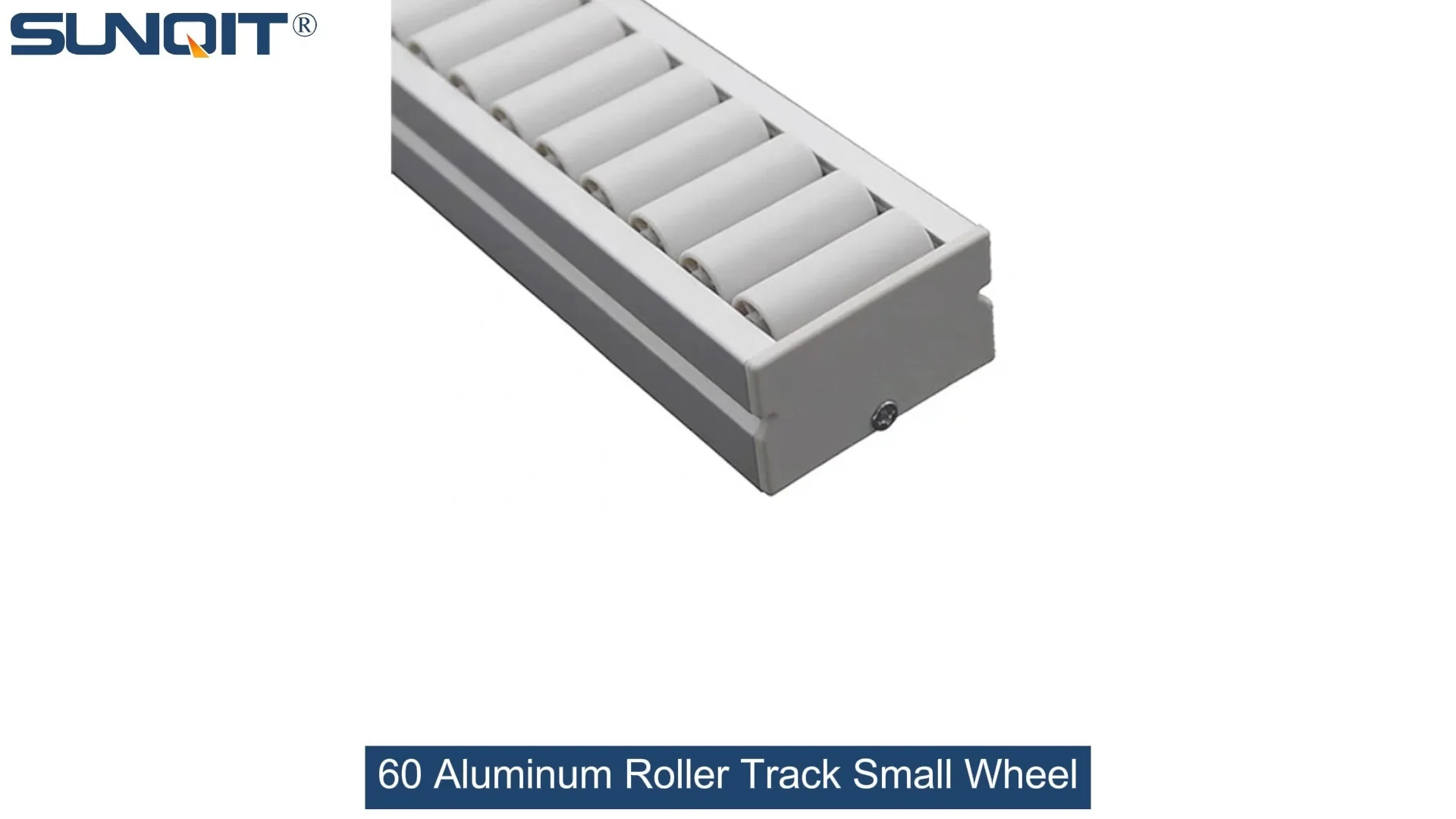
In the world of lean production, every component plays a critical role in driving efficiency, reducing waste, and ensuring smooth operations. Among these components, the 60 aluminum roller track small wheel might seem at first glance—but it's an unsung hero that keeps materials flowing in flow racks, conveyors, and flexible production lines. These wheels are integral to the lean systems offered by leading suppliers, and the choice between anodized and powder-coated surface finishes can significantly impact their performance, longevity, and suitability for specific industries. Whether you're setting up a 3C assembly line, a medical equipment production facility, or a system, understanding the differences between these two finishes is key to making an informed decision for your lean solution needs.
What Is the 60 Aluminum Roller Track Small Wheel?
The 60 aluminum roller track small wheel is a precision component designed for use in flow racks (like the company's Material Rack B) and conveyor systems. Made from high-quality 60 series aluminum alloy, it combines strength with lightweight properties, making it ideal for supporting the movement of materials in lean production environments. These wheels are part of the flexible production equipment lineup, which includes,, and conveyors—all essential for creating efficient, adaptable workspaces.
In lean pipe systems, these wheels facilitate the "flow" principle by allowing materials to move smoothly from one workstation to another, minimizing manual handling and reducing the risk of damage. For example, in a 3C assembly line, a conveyor equipped with these wheels can transport components between stations without interruption, ensuring that production stays on track. The surface finish of these wheels is not just a cosmetic choice; it directly affects their resistance to corrosion, wear, and environmental factors, which is why choosing between anodized and powder-coated finishes is so important.
Anodized Finish: Durability Meets Natural Protection
Anodized finish is an electrochemical process that creates a protective oxide layer on the surface of aluminum. Unlike a traditional paint or coating, this layer is integrated into the metal itself, making it highly durable and long-lasting. Here's a closer look at its key features:
Process Details
The anodization process involves immersing the aluminum wheel in an electrolytic solution and passing an electric current through it. This reaction forms a thick, porous oxide layer that can be sealed to enhance its properties. The result is a finish that is resistant to scratches, corrosion, and fading.
Key Benefits
- Superior Corrosion Resistance: The anodized layer acts as a barrier against moisture and chemicals, making it ideal for use in humid environments like medical facilities or outdoor applications.
- Natural Metallic Appearance: Anodized wheels retain the natural silver or bronze look of aluminum, which is often preferred in industries where a clean, professional aesthetic is important.
- Low Maintenance: The smooth, non-porous surface (after sealing) is easy to clean and doesn't require frequent touch-ups, reducing long-term costs.
- High Wear Resistance: The oxide layer is harder than the base aluminum, so it can withstand constant friction and movement without losing its integrity.
Potential Drawbacks
While anodized finishes offer many advantages, they do have some limitations:
- Limited Color Options: Unlike powder coating, anodized finishes are mostly restricted to metallic shades, which may not be suitable for applications requiring color coding.
- Higher Initial Cost: The anodization process is more complex than powder coating, leading to a higher upfront cost for the product.
- Scratch Sensitivity: Although durable, the anodized layer can be scratched if subjected to heavy impact or abrasive materials.
Ideal Applications
Anodized 60 aluminum roller track small wheels are perfect for:
- Medical equipment production lines, where hygiene and corrosion resistance are critical.
- Outdoor or wet environments, such as agricultural or food processing facilities.
- Industries where the natural look of aluminum is preferred, like aerospace or high-end manufacturing.

Powder-Coated Finish: Versatility and Color Variety
Powder coating is a dry finishing process that uses electrostatically charged powder to create a durable, uniform coating on aluminum surfaces. It's a popular choice for those looking for aesthetic variety and cost-effectiveness. Let's explore its features:
Process Details
Powder coating involves applying a dry powder (usually a thermoplastic or thermoset polymer) to the aluminum wheel using an electrostatic gun. The wheel is then cured in an oven, where the powder melts and forms a hard, protective layer. This process allows for a wide range of colors and finishes.
Key Benefits
- Extensive Color Options: Powder coating offers virtually unlimited color choices, including custom shades for branding or color-coding purposes. This is especially useful in 3C assembly lines where different colors can indicate different product types.
- Cost-Effective: The process is efficient and requires less labor than anodization, making it a more affordable option for large-scale orders.
- Uniform Coating: Powder coating provides a smooth, even finish that covers all surfaces, including edges and crevices, ensuring consistent protection.
- Good Scratch Resistance: The thick coating is resistant to minor scratches and chips, making it suitable for high-traffic areas.
Potential Drawbacks
Powder-coated finishes also have some limitations:
- Lower Corrosion Resistance: While powder coating offers good protection, it's not as resistant to harsh chemicals or prolonged moisture as anodization.
- Chipping Risk: The coating can chip if the wheel is impacted heavily, which may require touch-ups to prevent further damage.
- Maintenance Requirements: Scratches or chips need to be repaired promptly to avoid rusting underneath the coating.
Ideal Applications
Powder-coated wheels are well-suited for:
- 3C assembly lines, where color coding helps organize materials and improve workflow efficiency.
- systems, where different colors can distinguish between raw materials and finished products.
- Industries where aesthetic variety is a priority, such as consumer electronics manufacturing.

Anodized vs. Powder-Coated: A Head-to-Head Comparison
| Factor | Anodized Finish | Powder-Coated Finish |
|---|---|---|
| Durability | High (oxide layer integrated into metal) | Good (thick coating, but can chip) |
| Corrosion Resistance | Excellent (ideal for wet environments) | Good (not as strong as anodized) |
| Color Options | Limited (metallic shades only) | Unlimited (custom colors available) |
| Maintenance | Low (easy to clean, no frequent touch-ups) | Moderate (needs repairs for chips/scratches) |
| Cost | Higher initial cost | Lower initial cost |
| Ideal Environment | Humid, medical, outdoor | Dry, color-coded assembly lines |

Real-World Applications in Lean Systems
Let's look at how these finishes are used in actual industry scenarios, leveraging the company's products:
Medical Industry: Anodized Wheels in Flow Racks
In medical equipment manufacturing, hygiene and corrosion resistance are top priorities. The company's Material Rack B (3 row and 3 floor) uses anodized 60 aluminum roller track small wheels to ensure that medical supplies are stored in a clean, rust-free environment. The anodized finish is easy to sanitize, making it perfect for this industry.
3C Assembly: Powder-Coated Wheels in Conveyors
For 3C assembly lines, color coding is essential to streamline operations. The company's conveyor systems use powder-coated wheels in different colors to distinguish between components for smartphones, tablets, and laptops. This helps workers quickly identify the right materials, reducing errors and improving productivity.
: Hybrid Approach
In, some areas are dry while others may be exposed to moisture. The company's custom solutions allow customers to mix anodized and powder-coated wheels in their flow racks and conveyors. For example, anodized wheels are used in humid storage areas, while powder-coated wheels are used in dry zones for color coding.
How to Choose the Right Finish for Your Needs
When selecting between anodized and powder-coated finishes, consider the following factors:
Industry Requirements
If your industry requires high corrosion resistance (like medical or food processing), anodized is the better choice. For industries where color coding is important (like 3C assembly), powder coating is ideal.
Environment
Evaluate the environment where the wheels will be used. Wet or humid conditions call for anodized finishes, while dry environments can use powder-coated ones.
Budget
Anodized finishes have a higher upfront cost but lower maintenance expenses. Powder-coated finishes are more affordable initially but may require more frequent repairs.
Aesthetic Preferences
Choose anodized if you prefer a natural metallic look, or powder-coated if you need custom colors for branding or organization.
The company offers custom solutions tailored to your specific needs, so you can get the right finish for your lean pipe system, flow rack, or conveyor.
Conclusion
Both anodized and powder-coated finishes have their unique strengths, and the choice depends on your specific requirements. Anodized finishes excel in durability and corrosion resistance, making them perfect for harsh environments. Powder-coated finishes offer versatility in color and cost-effectiveness, ideal for industries that prioritize organization and aesthetics.
As a leading supplier of lean pipe systems and flexible production equipment, the company provides both options to meet the diverse needs of its customers. Whether you're setting up a 3C assembly line, a medical facility, or a system, you can rely on their high-quality 60 aluminum roller track small wheels to enhance your lean production processes.