- Company Articles
- Products and Technology
- Product knowledge
- 60 Aluminum Roller Track Small Wheel vs. 80 Series: Size Comparison for Logistics

60 Aluminum Roller Track Small Wheel vs. 80 Series: Size Comparison for Logistics
Related Product
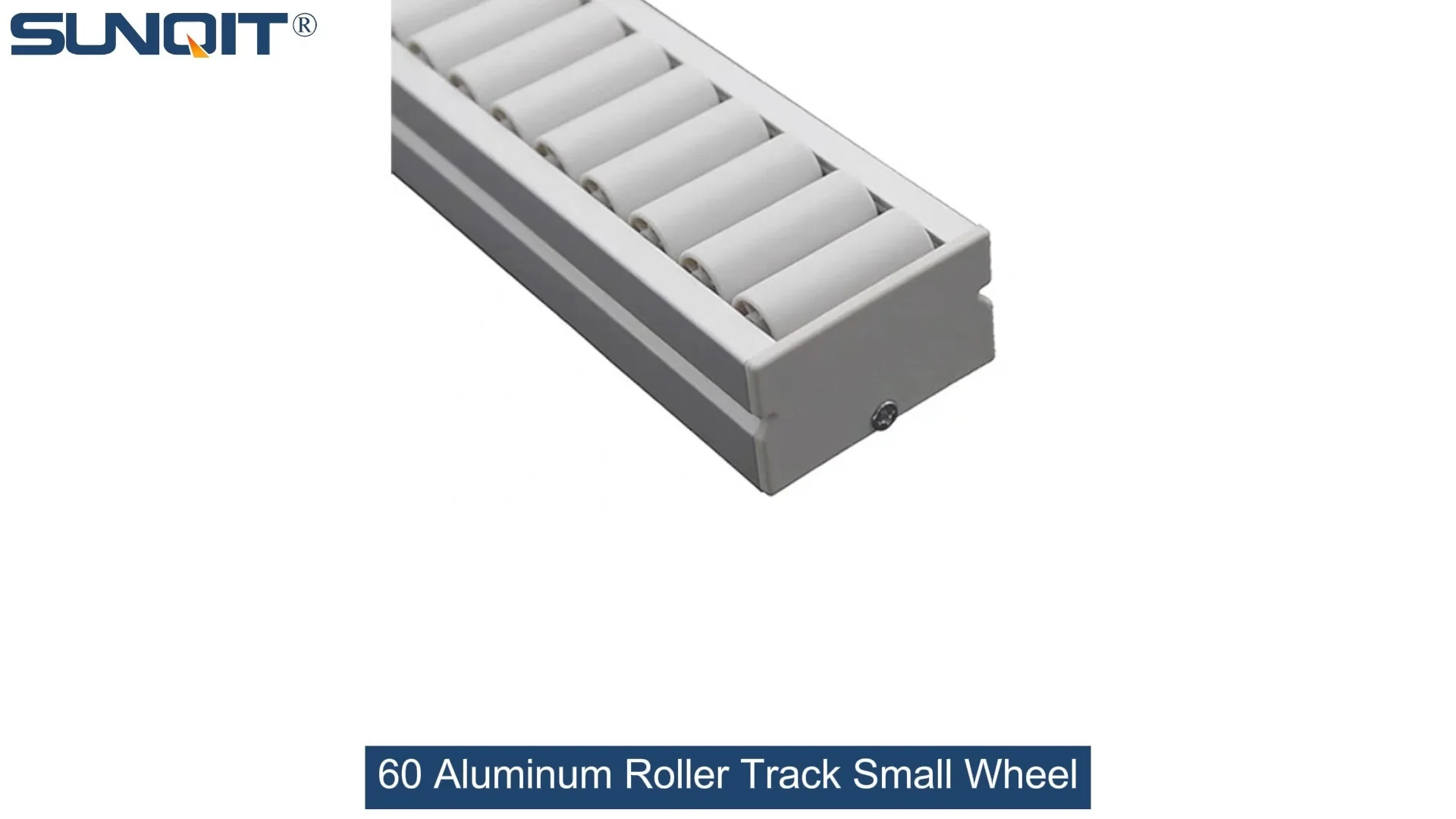
60 Aluminum Roller Track Small Wheel
Modular system roller tracks aluminum gravity roller tracks are an excellent solution for transporting materials within industrial environments, warehouses and distribution centres.
In the fast-paced world of logistics and manufacturing, every small component plays a big role in keeping operations running smoothly. Roller tracks are one of those unsung heroes—they quietly move goods from point A to point B, reduce manual labor, and boost overall efficiency. But not all roller tracks are created equal, especially when it comes to size. Today, we're diving deep into two popular options: the 60 Aluminum Roller Track Small Wheel and the 80 Series. We'll compare their sizes, performance, applications, and how they fit into modern lean systems to help you make the right choice for your logistics needs.
What Are 60 Aluminum Roller Track Small Wheel and 80 Series?
Before we get into the nitty-gritty of comparison, let's first clarify what these two series are. Both are part of the modular aluminum roller track family, designed for flexibility and durability—key traits that align with the lean principles many businesses adopt today.
The
60 Aluminum Roller Track Small Wheel
is a compact option, ideal for spaces where every inch counts. As the name suggests, its track width typically measures around 60mm, and the small wheels (often 25mm in diameter) are perfect for moving lighter items. Made from high-quality aluminum profile, this track is lightweight yet sturdy, resistant to rust, and easy to assemble without specialized tools.
On the other hand, the
80 Series
is a more robust choice. Its track width is usually 80mm, and the wheels are slightly larger (around 32mm) to handle heavier loads. Like the 60 series, it's crafted from aluminum profile, but with thicker walls to support higher weight capacities. This series is built for high-volume, heavy-duty applications where reliability is non-negotiable.
Key Differences in Size & Dimensions
The most obvious differences between the two series lie in their size and dimensional specs. Let's break these down in a clear comparison table to make it easier to see:
| Parameter | 60 Aluminum Roller Track Small Wheel | 80 Series Roller Track |
|---|---|---|
| Standard Track Width | 60mm | 80mm |
| Wheel Diameter | 25mm (small wheel) | 32mm |
| Wheel Material | High-density plastic or polyurethane | Polyurethane or steel-reinforced plastic |
| Max Load Capacity per Meter | Up to 50kg | Up to 100kg |
| Track Wall Thickness | 1.2mm | 1.5mm |
| Total Track Weight per Meter | 1.8kg | 2.5kg |
| Compatible Accessories | 60-series connectors, end caps, guide rails | 8-series connectors, heavy-duty end stops, wide guide rails |
| Ideal Load Type | Small boxes, packages under 50kg, components | Bulk boxes, pallets, heavy parts over50kg |
| Space Requirement (per Track) | Narrow (fits in 70mm+ gaps) | Wider (needs 90mm+ gaps) |
As you can see, the 60 series is the slimmer, lighter option, while the80 series is built for heavier loads and more demanding environments. But size isn't the only factor to consider—let's look at how these differences translate into real-world performance and applications.

Performance & Application Scenarios
The size differences directly impact how each series performs in different logistics scenarios. Let's explore where each shines:
60 Aluminum Roller Track Small Wheel: Best for Compact, Light-Duty Needs
The 60 series excels in environments where space is limited and loads are light to medium. Here are some common applications:
- Small Warehouses & Retail Storage: Narrow aisles and limited floor space make the60 series a perfect fit. It's often used in flow racks for picking small items like electronics components, cosmetics, or medical supplies.
- 3C Assembly Lines: In 3C assembly (like smartphones or tablets), the60 series is ideal for moving small parts between workstations. Its compact size fits well in tight assembly areas, and the small wheels ensure smooth, quiet movement of delicate components.
- E-commerce Fulfillment Centers: For sorting small packages (under 50kg), the60 series helps create efficient picking lines that maximize space utilization. It's easy to integrate with conveyor systems to streamline order processing.
- Medical Supply Chains: Medical warehouses often handle lightweight, fragile items like syringes or test kits. The60 series roller track is gentle on these items and easy to clean, making it compliant with strict hygiene standards.
A real-world example: A small 3C assembly company uses the60 series roller track to build flow racks for storing small circuit boards. The racks are narrow enough to fit between workstations, and the small wheels allow workers to easily slide components to their stations without bending or lifting—reducing fatigue and increasing productivity.
80 Series: Best for Heavy-Duty, High-Volume Applications
The80 series is designed for environments where load capacity and durability are top priorities. Here are its key applications:
- Large Warehouses & Distribution Centers: For bulk goods like appliances, furniture parts, or industrial components, the80 series can handle the weight. It's often used in conveyor systems for moving pallets or large boxes across long distances.
- Automotive Manufacturing: Automotive plants deal with heavy parts like engine components or body panels. The80 series roller track is strong enough to support these items and can withstand constant use in high-throughput lines.
- Bulk Logistics: Companies that ship large quantities of goods (like wholesale distributors) rely on the80 series for their sorting and loading lines. Its higher load capacity means fewer breakdowns and more consistent performance.
- Heavy Equipment Repair Shops: Repair shops for construction or agricultural equipment use the80 series to move heavy parts around the shop floor. The sturdy track and wheels can handle the weight of engine blocks or transmission parts.
Example: A large automotive parts warehouse uses the80 series roller track in its conveyor system to move heavy boxes of brake parts. The track's thick walls and large wheels ensure that even fully loaded boxes (up to 80kg) move smoothly, reducing the risk of damage and speeding up order fulfillment.

Integration with Lean Systems & Solutions
In today's competitive market, lean systems are essential for reducing waste and improving efficiency. Both the60 and80 series roller tracks are designed to integrate seamlessly with lean solutions, making them valuable assets for any business looking to adopt lean principles.
Lean systems emphasize modularity, adaptability, and reusability—and both roller track series check all these boxes. Here's how they fit in:
- Modular Design: Both series use standard connectors and accessories, so you can easily assemble, disassemble, or reconfigure them as your needs change. For example, if you need to adjust the length of a flow rack, you can simply add or remove sections of the60 or80 series track without replacing the entire system.
- Adaptability: Lean solutions require systems that can grow with your business. The60 series is great for startups or small businesses that need a flexible system to handle changing order volumes. As your business grows, you can switch to the80 series or combine both to create a hybrid system that meets your new needs.
- Reusability: Since both series are made from aluminum profile, they're durable and long-lasting. When you no longer need a particular setup, you can disassemble the track and reuse the parts in another system—reducing waste and saving money.
- Seamless Integration with Lean Pipe: Lean pipe systems are a core part of many lean solutions. Both roller track series work well with lean pipe—you can use lean pipe to build frames for flow racks or conveyors, then attach the roller track to create a complete, flexible system. For example, a lean solution for a medical warehouse might use 60 series roller tracks with lean pipe workbenches to create a seamless picking line.
A case study: A medical device manufacturer wanted to implement a lean solution for its assembly line. They chose the60 series roller track to build flow racks that hold small components. These racks are connected to lean pipe workstations, allowing workers to pick parts without leaving their stations. The modular design means the company can easily adjust the racks as they introduce new products—reducing setup time and improving overall efficiency.

Practical Tips for Choosing Between 60 and80 Series
Choosing the right roller track series depends on your specific needs. Here are some practical tips to help you decide:
1. Evaluate Your Load Weight
The first thing to consider is the weight of the items you'll be moving. If your average load per meter is under 50kg, the60 series is more than sufficient. If your items are heavier (50kg to 100kg per meter), go with the80 series. Overloading the60 series can lead to wheel damage or track bending, so it's important to be honest about your load weights.
2. Assess Your Space Constraints
Do you have narrow aisles or limited floor space? The60 series is slimmer (60mm wide) and fits better in tight spaces. If you have plenty of space and need to handle heavier loads, the80 series is a better choice. Remember to measure your available space before making a decision—you don't want to end up with a track that's too wide for your aisles.
3. Consider Throughput Volume
How many items will pass through the track each day? If you have high throughput (hundreds of items per hour), the80 series is more durable and can handle constant use without wear and tear. The60 series is great for lower throughput scenarios, but it may not hold up as well under heavy daily use.
4. Think About Future Scalability
Will your business grow in the next few years? If yes, consider choosing a series that can adapt to your future needs. The80 series has a higher load capacity, so it's a good investment if you expect to handle heavier loads later. Alternatively, you can start with the60 series and add the80 series as you grow—since both are modular, they can work together in a hybrid system.
5. Check Compatibility with Existing Systems
If you already have a lean system in place, make sure the roller track series you choose is compatible with your existing components. For example, if you have lean pipe frames, check if the60 or80 series track can be attached to them using standard connectors. Most manufacturers offer compatible accessories, but it's always best to double-check.
Example: A startup e-commerce company starts with the60 series roller track for its small package sorting line. As the company grows and starts handling larger packages, they add the80 series to their conveyor system. The modular design allows them to integrate the two series seamlessly, creating a system that handles both small and large packages efficiently.
Maintenance & Longevity
Both the60 and80 series roller tracks are low-maintenance, but proper care can extend their lifespan even further. Here are some maintenance tips:
- Regular Cleaning: Dust and debris can accumulate in the wheels and track, causing friction and reducing performance. Clean the track and wheels with a dry cloth or soft brush at least once a week.
- Check for Wear: Inspect the wheels for signs of wear (like cracks or flat spots) every month. replace worn wheels immediately to avoid damage to the track or your items.
- Tighten Connections: Over time, connectors may loosen. Check the connections between track sections and accessories every few months and tighten them if necessary.
- Avoid Overloading: Stick to the recommended load capacity for your series. Overloading can cause permanent damage to the track or wheels.
- Store Properly: If you need to store extra track sections, keep them in a dry, cool place to prevent corrosion (though aluminum is rust-resistant, it's still best to avoid moisture).
Since both series are made from aluminum profile, they have a long lifespan—usually 5 to 10 years with proper maintenance. This makes them a cost-effective investment for any business.
Conclusion
Choosing between the60 Aluminum Roller Track Small Wheel and the80 Series comes down to your specific needs. The60 series is perfect for compact spaces and light to medium loads, while the80 series is ideal for heavy-duty, high-volume applications. Both are designed to integrate seamlessly with lean systems and lean solutions, making them valuable assets for any business looking to improve efficiency and reduce waste.
Remember to consider your load weight, space constraints, throughput volume, and future scalability when making your decision. Whether you choose the60 or80 series, you'll get a modular, durable, and flexible system that helps you streamline your logistics operations.
At the end of the day, the right roller track series is the one that fits your business like a glove. Take the time to evaluate your needs, and you'll be sure to make the best choice for your logistics team and your bottom line.