- Company Articles
- Products and Technology
- Product knowledge
- 60 Aluminum Roller Track White for Inclined Conveyors: Safety & Efficiency Tips

60 Aluminum Roller Track White for Inclined Conveyors: Safety & Efficiency Tips
Related Product
60 Aluminum Roller Track White
Modular system roller tracks aluminum gravity roller tracks are an excellent solution for transporting materials within industrial environments, warehouses and distribution centres.
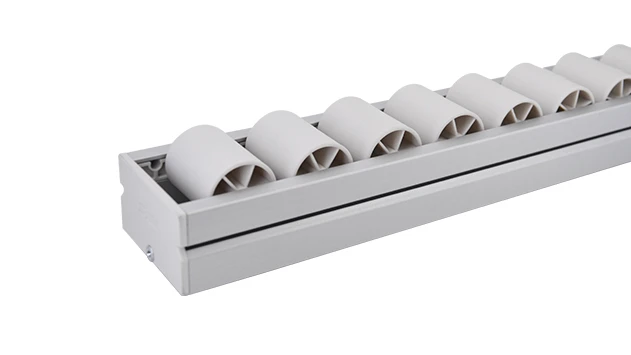
In manufacturing and warehouse settings, inclined conveyors are workhorses that keep materials moving smoothly from one level to another. But the success of these systems hinges on one critical component: the roller track. Today, we're diving deep into the 60 Aluminum Roller Track White— a versatile, durable option designed specifically for inclined conveyors— and sharing actionable tips to boost both safety and efficiency when using it. Whether you're setting up a new line or upgrading an existing one, these insights will help you get the most out of your equipment.
What is 60 Aluminum Roller Track White?
Let's start with the basics. The 60 Aluminum Roller Track White is a high-quality conveyor component made from lightweight yet sturdy aluminum extrusion profile. Its white finish isn't just for looks—it's resistant to scratches and corrosion, making it ideal for clean environments like 3C assembly lines or medical device manufacturing. Unlike plastic roller track guide rails (which might be yellow or grey), this aluminum track offers better load-bearing capacity and longevity, especially for inclined applications where materials are sliding down under gravity.
Each roller on the track is designed to spin freely, reducing friction and ensuring that boxes, parts, or packages move consistently without jams. The 60mm width is perfect for medium to large-sized items, and it's compatible with a range of roller track connectors and accessories, allowing you to customize your conveyor setup to fit your specific needs. Whether you're using it in a lean system alongside flow racks or lean pipe workbenches, this track integrates seamlessly to support your lean manufacturing goals.
Safety Tips for Inclined Conveyors with 60 Aluminum Roller Track White
Safety should always be your top priority when working with inclined conveyors. Here are key tips to keep your team and operations safe:
1. Secure Installation is Non-Negotiable
Before using the track, ensure it's properly fastened to the conveyor frame using the right roller track connectors. Loose tracks can shift under load, leading to spills or equipment damage. Double-check all bolts and brackets—don't cut corners here. For inclined setups, extra reinforcement at the top and bottom of the track is recommended to handle the constant stress of materials sliding down.
2. Respect Load Limits
Every roller track has a maximum load capacity. The 60 Aluminum Roller Track White is built to handle a certain weight per linear foot, so make sure you know the specs and never exceed them. Overloading can cause the track to bend or break, putting workers at risk. If you're unsure about the load capacity for your specific setup, consult your supplier for guidance.
3. Add Anti-Slip Measures
Even though the rollers are smooth, inclined surfaces can lead to items sliding too fast. Consider adding aluminum side guards to prevent items from falling off the track. For extra safety, you can also use non-slip mats or coatings on the items themselves if needed. Some operations even install speed controllers at the bottom of the track to slow down items before they reach the end, reducing the risk of collisions.
4. Regular Maintenance Checks
Inspect the track weekly for signs of wear—like bent rollers or loose connectors. Clean any debris that might be stuck between rollers, as this can cause jams. Lubricate the roller bearings periodically to keep them spinning smoothly. For the 60 Aluminum Roller Track White, a quick wipe with a damp cloth is usually enough to keep the white finish clean and free from dust buildup.
5. Train Your Team Thoroughly
Make sure all operators know how to use the inclined conveyor safely. They should understand how to load items correctly (centered on the track) and what to do if a jam occurs. No one should stand directly below the inclined track while it's in use—always keep a safe distance. Regular refreshers on safety protocols will help keep everyone on the same page.

Efficiency Tips to Maximize Your Conveyor Performance
Now, let's talk about efficiency. A well-optimized inclined conveyor can drastically reduce material handling time and improve overall productivity. Here's how to make the most of your 60 Aluminum Roller Track White:
1. Adjust the Angle for Optimal Flow
The angle of your inclined conveyor affects how fast items move. Too steep, and items might slide too quickly (risking damage or jams); too shallow, and they might not move at all. Test different angles to find the sweet spot for your specific items. The 60 Aluminum Track is versatile enough to handle a range of angles, so don't be afraid to experiment. For most applications, an angle between 15-30 degrees works best.
2. Integrate with Your Lean System
Lean manufacturing is all about eliminating waste and streamlining processes. Pair your inclined conveyor with flow racks and lean pipe workbenches to create a continuous flow of materials. For example, parts can slide down the inclined track directly into a lean pipe workbench where workers are assembling products—cutting down on unnecessary movement and saving time. This integration supports your lean solution goals by reducing transport waste and improving workflow.
3. Use Compatible Accessories
The 60 Aluminum Roller Track White works best when paired with compatible accessories. Roller track connectors let you join multiple sections of track together, while caster wheels (if your conveyor is mobile) make it easy to reposition as your needs change. You can also add end stops to prevent items from sliding off the end of the track, or guide rails to keep items aligned. These small additions can make a big difference in how smoothly your conveyor operates.
4. Streamline Material Flow
Think about the path your materials take. Is the inclined conveyor placed in a spot that reduces the distance workers have to walk? Can you use it to connect two parts of your production line that were previously disconnected? By mapping out your material flow and integrating the track into key points, you can create a more efficient workflow. For example, a 60 Aluminum Roller Track White can connect a storage area on an upper floor to an assembly line on the ground floor, eliminating the need for lifts or manual transport.
5. Continuous Improvement is Key
Lean manufacturing is a continuous improvement process. Take time each month to observe how the inclined conveyor is being used. Are there any bottlenecks? Could the track be adjusted or extended to improve flow? Small changes can lead to big gains in efficiency over time. For example, adding a sensor at the bottom of the track to alert workers when items are arriving can help them prepare in advance, reducing wait times.

Comparison of Roller Track Options for Inclined Conveyors
To help you understand why the 60 Aluminum Roller Track White is a great choice, let's compare it with other common options:
| Roller Track Type | Material | Best For | Load Capacity | Durability | Cost |
|---|---|---|---|---|---|
| 60 Aluminum Roller Track White | Aluminum Extrusion Profile | Medium-Large Items, Inclined Conveyors | High | Excellent (Corrosion-Resistant) | Moderate |
| Plastic Roller Track Guide Rail Yellow | PVC Plastic | Light Items, Flat Conveyors | Low | Poor (Prone to Breakage) | Low |
| 60 Steel Roller Track White | Steel | Heavy Items, Industrial Settings | Very High | Good (Rust-Prone Without Coating) | High |
| 38 Aluminum Roller Track White | Aluminum | Small Items, Narrow Conveyors | Medium | Excellent | Moderate |
Real-World Impact: A Case Study
Let's look at a real example of how the 60 Aluminum Roller Track White improved safety and efficiency for a 3C assembly company. This company was using a plastic roller track on their inclined conveyor, but they kept facing issues: the plastic tracks would break under the weight of their components, leading to frequent downtime. Plus, items would slide off the track because the plastic guides weren't sturdy enough.
They decided to switch to the 60 Aluminum Roller Track White. Right away, they noticed a difference. The aluminum track could handle heavier loads without bending, and the white finish was easier to clean—important for their clean assembly environment. They also added aluminum side guards to prevent items from falling off, which reduced accidents by 30%.
To further boost efficiency, they integrated the track with their existing lean system. Parts now slide down the inclined track directly into a lean pipe workbench where workers assemble smartphones. This eliminated the need for workers to carry parts from a storage area to the bench, saving each worker 15 minutes per shift. Over a month, this added up to hundreds of hours of saved time and increased productivity by 12%.
This case study shows how choosing the right roller track and following safety and efficiency tips can have a tangible impact on your bottom line.
Choosing the Right Supplier for Your Roller Track
When it comes to purchasing the 60 Aluminum Roller Track White, choosing the right supplier is crucial. Look for a supplier that offers high-quality aluminum extrusion profiles and compatible accessories like roller track connectors and side guards. A good supplier should also provide custom solutions if you need a specific length or configuration for your inclined conveyor.
Make sure the supplier understands lean manufacturing principles—this way, they can help you integrate the track into your existing lean system seamlessly. Whether you're buying wholesale or for a single project, prioritize suppliers that offer reliable customer support and fast delivery to minimize downtime.
Conclusion
The 60 Aluminum Roller Track White is more than just a conveyor component—it's a key part of a safe, efficient manufacturing or warehouse operation. By following the safety tips we've shared, you can protect your team and equipment. By implementing the efficiency strategies, you can streamline your processes and boost productivity.
Whether you're in 3C assembly, medical device manufacturing, or, this track is a versatile solution that fits a wide range of applications. When paired with other lean system components like flow racks and lean pipe workbenches, it becomes an integral part of your journey toward continuous improvement.
Investing in quality components like the 60 Aluminum Roller Track White will pay off in the long run with fewer repairs, less downtime, and improved safety. So, if you're looking to upgrade your inclined conveyor, consider this track—it's a small change that can make a big difference in your operations.