- Company Articles
- Products and Technology
- Solution
- 60 Aluminum Roller Track White in 3D Printing Facilities: Material Handling Solutions

60 Aluminum Roller Track White in 3D Printing Facilities: Material Handling Solutions
Related Product
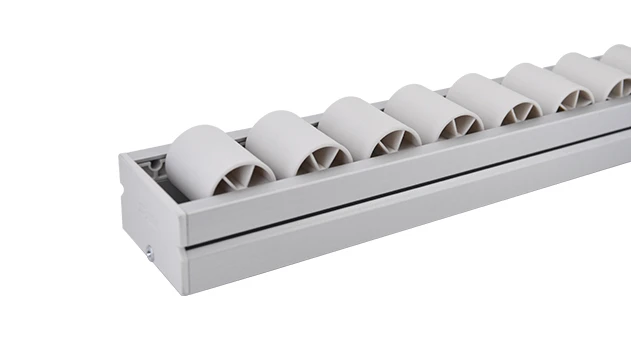
60 Aluminum Roller Track White
Modular system roller tracks aluminum gravity roller tracks are an excellent solution for transporting materials within industrial environments, warehouses and distribution centres.
60 Aluminum Roller Track White in 3D Printing Facilities: Material Handling Solutions
If you've ever run a 3D printing facility, you know how much time can be wasted hunting for the right filament spool or moving delicate prototypes from one station to another. Small inefficiencies add up quickly—delaying projects, increasing costs, and frustrating your team. That's where the 60 Aluminum Roller Track White comes in. It's not just a piece of metal and rollers; it's a simple yet powerful tool that can transform how your facility handles materials, making every process smoother and more efficient.
What Exactly Is the 60 Aluminum Roller Track White?
Let's break it down. The 60 Aluminum Roller Track White is a modular material handling component built for smooth, gentle movement of items. It's crafted from high-quality aluminum, so it's lightweight enough to rearrange easily but sturdy enough to handle the daily grind of a busy 3D printing space. The white rollers aren't just a cosmetic choice—they're practical. In environments where cleanliness is non-negotiable (like when you're printing resin parts that pick up dust at the drop of a hat), white makes dirt and debris stand out, so you can clean up quickly and keep your parts pristine.
The track is modular, meaning you can cut it to the exact length you need or connect multiple pieces to create longer lines. Whether you need a short section for a filament rack or a long conveyor line between your printers and post-processing station, this track adapts to your space—not the other way around. And since it's part of a lean system, it fits seamlessly with other components like flow racks, conveyors, and aluminum profiles, giving you endless possibilities to design your ideal material flow.
Why 3D Printing Facilities Need This Roller Track
3D printing has unique material handling challenges that regular tracks just don't address. Let's talk about the big ones:
Filament Spool Hassles:
Filament spools are bulky, and if you store them in a pile (like many small facilities do), finding the right color or material can take forever. The 60 Aluminum Roller Track White solves this by turning your storage into a flow rack—spools slide forward smoothly when one is empty, so your team always has easy access to what they need, right when they need it. No more digging through stacks or wasting time searching.
Delicate Parts Handling:
Finished 3D printed parts—especially resin ones—are fragile. Dropping them or moving them roughly can scratch or break them, ruining hours of work. The smooth rollers of this track ensure parts glide gently from one station to the next, whether it's from the printer to the curing tank or from post-processing to quality control. No more manual lifting, no more damaged parts.
Ever-Changing Layouts:
3D printing facilities grow fast. One month you have three printers; the next, you add five more. Regular material handling systems are rigid—you can't rearrange them without starting over. But this roller track is modular. If you need to move a conveyor line to make room for new printers, just disconnect the track and reassemble it elsewhere? It's that easy. This flexibility is a game-changer for growing businesses.
How It Fits With Other Lean Components
The real magic of this track is how well it works with other lean components. Let's see:
Flow Racks:
Pair this track with flow racks, and you get a filament storage system that's both efficient and easy to maintain. Each level of the rack uses the track to hold spools, so when a spool runs out, the next one slides forward automatically. This reduces downtime and keeps your team focused on printing, not searching for materials.
Conveyors:
Need to move parts from one station to another? Combine this track with aluminum profiles to build a custom conveyor line. For example, if you have a resin printer and a washing station, you can create a conveyor that connects the two, so parts slide directly from printing to washing without any manual handling. This saves time and reduces the risk of damage.
Aluminum Profiles:
The track can be mounted on frames made from aluminum profiles. This means you can adjust the height and length of your flow racks or conveyors to fit your exact needs. If your printers are at a certain height, you can build a conveyor that's level with them—no more bending down or reaching up to move parts.
Lean Solution:
All these components come together to form a lean solution. Lean principles are about reducing waste and maximizing efficiency, and this track is a core part of that. It cuts down on time wasted searching for materials, eliminates damage to delicate parts, and lets you continuously improve your layout as your business grows. This aligns perfectly with the lean of "reusable, sustainable improvement" that many modern facilities prioritize.
Which Roller Track Is Right for Your 3D Printing Facility?
Not all roller tracks are created equal. Depending on your needs, you might choose different types. Let's compare a few options relevant to 3D printing:
| Roller Track Type | Key Features | Best For in 3D Printing |
|---|---|---|
| 60 Aluminum Roller Track White | Lightweight aluminum, smooth white rollers, modular design, easy to clean | Filament storage flow racks, prototype conveyors, general material movement |
| 38 Aluminum Roller Track Black ESD | ESD-compliant, compact size, corrosion-resistant | Handling ESD-sensitive parts (like electronic components in 3D printed devices) |
| 40 Steel Roller Track Yellow | Heavy-duty steel, durable, high weight capacity | Moving large filament spools or heavy 3D printed parts (like metal prototypes) |
For most general-purpose needs in a 3D printing facility, the 60 Aluminum Roller Track White is the way to go. It balances durability, flexibility, and cleanliness—all things that matter in this industry.
The Benefits of Choosing This Roller Track
Let's dive into the advantages that make this track stand out:
Sustainability:
As part of a lean solution, this track is reusable. If you rearrange your facility, you don't have to throw it away—just move it. This reduces waste and aligns with the eco-friendly goals many 3D printing businesses have.
Durability:
Aluminum is rust-resistant and corrosion-proof. Even if your facility uses water-based post-processing (like washing resin parts), the track will hold up well over time. You won't have to replace it every few months—saving you money in the long run.
Flexibility:
The modular design lets you adapt the track to any layout. Whether you need a short section for a small rack or a long conveyor line, it's easy to customize. And since it works with other lean components, you can build a system that grows with your business.
Cleanliness:
White rollers make dirt and debris visible. This is critical for 3D printing, where even a tiny speck of dust can ruin a resin part. You can spot messes quickly and clean them up before they affect your work.
Scalability:
Adding more track to your system is simple. If you're expanding your facility, just buy more pieces and connect them to your existing setup. No need to invest in a whole new system—this track scales with you.
How to Implement This Track in Your Facility
Ready to give it a try? Here's a step-by-step guide to implementing the 60 Aluminum Roller Track White in your 3D printing facility:
1. Map Your Current Material Flow:
Start by observing how materials move in your facility. Where are the bottlenecks? Do your team members walk too far to get filament? Are parts getting damaged during movement? Note these pain points—they'll guide your design.
2. Design Your Ideal Layout:
Use lean principles to create a layout that reduces waste. For example, place filament racks close to printers (using the track for easy access) and build a conveyor line between printers and post-processing stations. Remember to use compatible components like flow racks, conveyors, and aluminum profiles to maximize efficiency.
3. Choose the Right Components:
Pick the track length you need, plus any additional parts like flow rack frames or aluminum profiles.Make sure everything is compatible—this track works with most lean components, so you shouldn't have issues.
4. Install and Test:
Set up your new system and test it with your team. Ask for feedback—does the filament slide smoothly? Are parts moving gently? Make adjustments as needed.
5. Iterate and Improve:
Lean principles are about continuous improvement. After a few weeks, check in again. Is there anything you can adjust to make the system even better? Maybe you need to add more track to a conveyor line or rearrange a flow rack. The modular design makes this easy—no need to start from scratch.
Final Thoughts
The 60 Aluminum Roller Track White is more than just a material handling tool—it's a way to make your 3D printing facility more efficient, sustainable, and user-friendly. It solves the unique challenges of 3D printing, from filament storage to delicate part handling, and fits seamlessly into a lean system that grows with your business.
If you're tired of wasted time, damaged parts, and rigid material handling systems, this track is worth considering. It's simple, effective, and designed to make your life easier. So why wait? Start transforming your facility's material flow today with the 60 Aluminum Roller Track White.