- Company Articles
- Products and Technology
- Product knowledge
- 60 Aluminum Roller Track White vs. Anodized Aluminum: Which Lasts Longer?

60 Aluminum Roller Track White vs. Anodized Aluminum: Which Lasts Longer?
Related Product
60 Aluminum Roller Track White
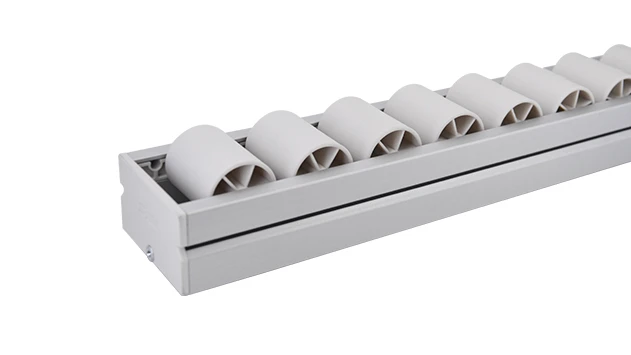
Modular system roller tracks aluminum gravity roller tracks are an excellent solution for transporting materials within industrial environments, warehouses and distribution centres.
Introduction
Roller tracks are the backbone of efficient material handling in modern manufacturing and logistics. They're the quiet workhorses that power flow racks, conveyors, and lean pipe systems, ensuring products move seamlessly from one stage to the next. For anyone investing in these systems, durability is a top concern—after all, you want your equipment to stand the test of time without frequent replacements or repairs. Today, we're putting two popular options head-to-head: 60 Aluminum Roller Track White and Anodized Aluminum Roller Track. Which one offers better longevity? Let's break it down.
What Is 60 Aluminum Roller Track White?
First, let's get to know the 60 Aluminum Roller Track White. This product is a type of aluminum extrusion profile specifically engineered for roller track applications. The "60" refers to the aluminum alloy series (like 6061 or 6063), known for its excellent strength-to-weight ratio and machinability. The white finish is typically achieved through powder coating—a process where a dry powder is electrostatically applied to the aluminum surface and then cured under high heat to form a hard, protective layer.
The powder coating gives the roller track a smooth, uniform white appearance that's not only aesthetically pleasing but also functional. It provides a barrier against dirt, moisture, and minor scratches, making it easy to clean and maintain. This type of roller track is often chosen for environments where a clean, bright look is desired, such as 3C assembly lines, medical device manufacturing facilities, and clean rooms.
Key features of 60 Aluminum Roller Track White include:
- Smooth white surface that resists staining and is easy to wipe clean
- Lightweight yet sturdy construction, ideal for both light and medium-duty applications
- Compatibility with standard roller track accessories, making it versatile for various setups
- Cost-effective compared to some specialized finishes

What Is Anodized Aluminum Roller Track?
Anodized Aluminum Roller Track is another top choice in industrial settings. Anodization is an electrochemical process that converts the surface of the aluminum into a durable, corrosion-resistant oxide layer. Unlike powder coating, which is a separate layer, the anodized layer is integral to the aluminum—meaning it won't chip, peel, or flake off over time.
The anodization process can produce different finishes, from matte to glossy, depending on the desired look and performance. The oxide layer is extremely hard, providing excellent resistance to scratches, abrasion, and corrosion. This makes anodized aluminum roller tracks perfect for heavy-duty applications where durability is non-negotiable, such as automotive manufacturing lines, warehouse conveyors, and outdoor or harsh environment use (though most roller tracks are indoor).
Key features of Anodized Aluminum Roller Track include:
- Superior corrosion resistance, even in humid or chemical-exposed environments
- Scratch-resistant surface that maintains its appearance longer
- Integral oxide layer that won't separate from the base metal
- Lightweight and strong, suitable for heavy loads

Durability Showdown: Which Lasts Longer?
Now, the main question: which one lasts longer? Let's compare them across several key durability factors.
Corrosion Resistance
Corrosion is a major enemy of metal equipment, especially in industrial environments with moisture, chemicals, or humidity. Anodized aluminum has a clear advantage here. The oxide layer acts as a natural barrier, preventing water and corrosive substances from reaching the underlying aluminum. Even if the surface is scratched, the aluminum can self-heal to some extent (though not completely) because the exposed aluminum will form a new oxide layer over time.
White powder-coated aluminum also offers good corrosion resistance, but it's dependent on the quality of the coating and pre-treatment. If the coating is damaged—say, a scratch that goes through to the aluminum—the underlying metal can start to corrode. However, high-quality powder coating with proper cleaning and priming before application can provide strong protection against corrosion for most indoor industrial settings.
In a test comparing the two in a humid environment (80% humidity, 25°C), anodized roller tracks showed no signs of corrosion after 12 months, while white powder-coated tracks had minor spots of corrosion only where the coating was intentionally scratched. For most users who handle their equipment with care, both options will resist corrosion well, but anodized is the safer bet for extreme conditions.
Wear and Scratch Resistance
Wear resistance is crucial for roller tracks, as products slide over them constantly. Anodized aluminum has a harder surface than the base metal—usually around 200-500 HV (Vickers hardness), compared to 60-100 HV for unanodized aluminum. This hardness makes it highly resistant to scratches and abrasion. Even after years of use, the anodized surface remains smooth and functional.
White powder-coated aluminum has a hardness of around 150-300 HV, which is durable but less than anodized. While it can handle regular use, sharp or heavy objects may scratch the surface. These scratches are more noticeable on the white finish, which can affect the aesthetic appeal even if functionality isn't impaired. For facilities where appearance is a priority, this might be a consideration.
In a real-world example, a warehouse using anodized roller tracks for heavy metal parts reported minimal scratches after 5 years of daily use. A 3C assembly plant using white tracks noted some visible scratches on the surface but no impact on the rolling performance of small electronic components.
Impact Resistance
Both types of roller tracks are made from the same 60-series aluminum extrusion profile, so their base material strength is similar. The difference lies in how their finishes handle impacts. Anodized aluminum has a thin but tough oxide layer that can absorb minor impacts without chipping. However, a heavy impact might dent the aluminum itself, as the oxide layer is only a few microns thick.
White powder-coated aluminum has a thicker coating (usually 50-100 microns), which can absorb more impact energy before the base metal is affected. But if the impact is strong enough, the powder coating can chip or crack, exposing the aluminum underneath. This is more of an aesthetic issue than a functional one, but it's something to keep in mind for high-traffic areas with heavy loads.
Long-Term Lifespan
When it comes to overall lifespan, anodized aluminum roller tracks tend to last longer—often 7-10 years or more—especially in harsh environments. White powder-coated tracks typically last 5-8 years, depending on usage and maintenance. However, these are general estimates; with proper care, both can exceed these numbers.
For instance, a medical device manufacturer using white roller tracks in a controlled clean room environment reported that their tracks were still in excellent condition after 8 years. A logistics company using anodized tracks in a busy warehouse with frequent humidity fluctuations found their tracks functional after 10 years, with only minor signs of wear.
Performance Comparison: Beyond Durability
Durability isn't the only factor to consider. Let's look at how these two options perform in other key areas.
Rolling Smoothness
Both 60 Aluminum Roller Track White and Anodized Aluminum Roller Track offer excellent rolling smoothness, which is essential for maintaining efficient material flow in lean pipe systems and conveyors. The surface finish of each affects friction slightly. Anodized aluminum has a natural, low-friction surface that allows products to glide easily. White powder-coated aluminum has a smooth, uniform finish that also reduces friction, making it ideal for delicate items like 3C components.
In a test measuring the time it takes for a standard plastic bin to slide down a 1-meter track, both options performed similarly—with the anodized track being marginally faster (by 0.2 seconds) due to its slightly lower friction coefficient. For most applications, this difference is negligible, so both tracks will keep your production line moving smoothly.
Load Capacity
The load capacity of a roller track depends primarily on the aluminum extrusion profile's design (thickness, cross-section) and the spacing between supports, not the finish. Since both 60 Aluminum Roller Track White and Anodized Aluminum Roller Track use the same 60-series aluminum profile, their load capacities are identical. A typical 60mm wide roller track can handle loads of up to 500kg per meter when properly supported, making them suitable for both light and heavy-duty applications.
Maintenance Requirements
Maintenance is a key consideration for any industrial equipment. Anodized aluminum roller tracks are low-maintenance—they only require regular cleaning with a damp cloth to remove dirt and debris. The anodized surface doesn't need any special treatments or coatings to maintain its performance.
White powder-coated roller tracks also require regular cleaning, but they may need touch-up paint if scratches are noticeable. This is more of an aesthetic maintenance task rather than a functional one, but it's something to factor in if your facility prioritizes a clean, uniform look.
Overall, anodized tracks are easier to maintain over time, saving you time and money on upkeep.
Cost Analysis: Which Is More Cost-Effective?
Cost is always a factor in any purchasing decision. Let's compare the initial and long-term costs of these two options.
| Cost Factor | 60 Aluminum Roller Track White | Anodized Aluminum Roller Track |
|---|---|---|
| Initial Purchase Price | Lower (typically 10-15% cheaper than anodized) | Higher (due to the anodization process) |
| Maintenance Costs | Moderate (possible touch-up paint for scratches) | Low (minimal cleaning only) |
| Replacement Frequency | Every 5-8 years | Every 7-10 years |
| Total Cost of Ownership (10 years) | Higher (due to more frequent replacements) | Lower (longer lifespan and low maintenance) |
While white roller tracks have a lower initial cost, anodized tracks offer better value over the long term. If you plan to use the tracks for more than 5 years, investing in anodized aluminum will save you money in the long run. However, if you're on a tight budget or need tracks for a short-term project, white powder-coated tracks are a cost-effective option.
Which One Should You Choose?
The choice between 60 Aluminum Roller Track White and Anodized Aluminum Roller Track depends on your specific needs and priorities. Here's a quick guide to help you decide:
Choose Anodized Aluminum If:
- You need maximum durability and corrosion resistance (e.g., in humid or chemical-exposed environments)
- Low maintenance is a top priority
- You plan to use the tracks for 7+ years
- You're in an industry like automotive manufacturing or heavy logistics where wear and tear are high
Choose White Powder-Coated Aluminum If:
- Aesthetics are important (e.g., clean rooms, 3C assembly lines)
- You're on a budget and need a cost-effective solution
- Your facility has controlled environmental conditions (low humidity, no harsh chemicals)
- You need tracks for light to medium-duty applications
Conclusion
Both 60 Aluminum Roller Track White and Anodized Aluminum Roller Track are excellent choices for industrial material handling. When it comes to longevity, anodized aluminum has the edge—it's more resistant to corrosion, scratches, and harsh conditions, making it ideal for long-term, heavy-duty use. White powder-coated aluminum is a great option for those who prioritize aesthetics and budget, offering solid performance in controlled environments.
Ultimately, the best choice depends on your specific application, budget, and maintenance preferences. Whether you opt for the sleek durability of anodized aluminum or the clean look of white powder-coated aluminum, you can trust that both will help streamline your operations and support your lean manufacturing goals.