- Company Articles
- Products and Technology
- Installation And Maintenance
- 60 Aluminum Roller Track Yellow Maintenance: Tips for Longevity

60 Aluminum Roller Track Yellow Maintenance: Tips for Longevity
Related Product
60 Aluminum Roller Track Yellow
Modular syetem roller tracks aluminum gravity roller tracks are an excellent solution for transporting materials within industrial environments, warehouses and distribution centres.
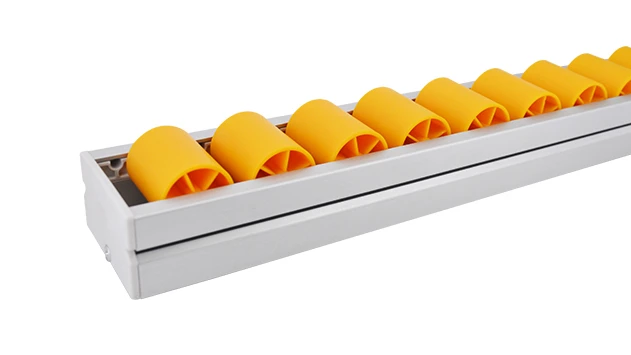
60 Aluminum Roller Track Yellow Maintenance: Tips for Longevity
The 60 Aluminum Roller Track Yellow isn't just a metal component—it's the silent workhorse of your lean system. Whether it's moving parts through a flow rack in your warehouse or powering a conveyor line for production assembly, this track keeps your operations running smoothly. Its durable aluminum extrusion profile and bright yellow coating resist scratches and corrosion, but regular care is non-negotiable to preserve its performance. This guide will walk you through every step of maintaining your track, from daily checks to annual overhauls, so you can keep your material handling processes efficient and cost-effective.
Why Maintenance Is Non-Negotiable
A well-maintained 60 Aluminum Roller Track Yellow is the backbone of seamless material flow. Here's why skipping maintenance is a mistake:
Cut Downtime:
Sticking rollers or misaligned tracks can halt production lines, leading to missed deadlines and frustrated teams.
Save Money:
Regular upkeep reduces the need for costly replacements—extending your track's lifespan by up to 50%.
Boost Safety:
Worn rollers or loose joints can cause products to fall, putting workers at risk of injury.
Support Lean Principles:
Lean systems thrive on efficiency. A smooth-running track eliminates waste from bottlenecks and delays.
Pre-Maintenance Preparation
Before you start, gather these tools to ensure a safe and effective maintenance session:
Soft-bristle brush for debris removal
Lint-free microfiber cloths
Mild dish soap (diluted with water)
Silicone spray lubricant (oil-free)
Metric adjustable wrench set
24-inch spirit level
Nitrile safety gloves
Safety goggles
Matching yellow touch-up paint
Cotton swabs for hard-to-reach areas
Step-by-Step Maintenance Guide
1. Daily Inspections (5 Minutes or Less)
Start each shift with a quick check to catch small issues before they escalate:
Spin 5-10 rollers to ensure they move freely (no grinding or sticking).
Look for debris (dust, small parts, spills) that could block rollers.
Check for loose bolts or connectors on the track frame.
Listen for unusual noises (squeaking, rattling) during operation.
2. Weekly Deep Cleaning
Dirt and grime build up over time—use these steps to keep your track clean:
Use a soft brush to sweep loose debris from rollers and gaps.
Wipe the track surface with a damp microfiber cloth (mild soap + water) to remove stubborn dirt.
Use cotton swabs to clean roller bearings and hard-to-reach areas.
Dry the track thoroughly to prevent moisture damage.
3. Monthly Lubrication
Lubrication reduces friction and extends roller life:
Apply a thin layer of silicone spray to roller bearings (avoid over-lubrication—excess attracts dust).
Wipe off any surplus lubricant with a cloth.
Lubricate track joints and connectors to prevent rust.
4. Quarterly Component Check
Every three months, dive deeper into track health:
Tighten loose bolts using a metric wrench (use lock washers to prevent future loosening).
Inspect the yellow coating for chips or scratches—touch up with matching paint to protect aluminum from corrosion.
Check roller alignment: Rollers should be parallel and evenly spaced.
5. Semi-Annual Alignment & Calibration
Ensure your track is perfectly aligned for optimal performance:
Place a spirit level on the track—adjust supporting legs to correct tilting.
Check track sections for gaps: They should be flush with no uneven edges.
For conveyors: Test speed and tension to match manufacturer specs.
6. Annual Overhaul
Once a year, perform a full inspection and repair:
replace worn rollers (cracked, bent, or non-spinning).
Inspect the aluminum profile for bends or dents—replace damaged sections.
Use genuine aluminum profile accessories (end caps, connectors) to replace worn parts.
Reassemble the track and test it thoroughly before reinstallation.
Common Issues & Troubleshooting
Use this table to fix common problems quickly:
| Issue | Possible Causes | Solutions | |
|---|---|---|---|
| Sticking Rollers | Debris buildup, dry bearings, worn rollers | Clean rollers, lubricate bearings, replace worn parts | |
| Misaligned Track | Loose brackets, uneven floor, overloading | Tighten brackets, adjust legs, avoid overloading | |
| Loose Joints | Vibration, improper installation | Tighten bolts, use lock washers | |
| Corrosion | Chipped coating, moisture exposure | Touch up paint, keep track dry | |
| Unusual Noise | Misaligned rollers, worn bearings | Align rollers, lubricate or replace bearings |
Pro Tips for Longevity
Use Genuine Accessories:
Generic aluminum profile accessories may not fit properly—opt for genuine parts to ensure stability.
Avoid Overloading:
Check the track's weight capacity (usually 50-100 kg/m) and never exceed it.
Train Your Team:
Teach staff to report issues immediately—small problems become big ones fast.
Store Properly:
If unused, clean the track, apply wax, and store in a dry, cool place.
Stock Replacement Parts:
Keep extra rollers, connectors, and paint on hand to minimize downtime.
Final Thoughts
Your 60 Aluminum Roller Track Yellow is an investment in efficiency. By following this maintenance guide, you'll keep it running smoothly for years—supporting your lean system goals and keeping your team productive. Remember: Regular care isn't a chore; it's a way to protect your investment and ensure your material handling processes are always at their best.