- Company Articles
- Products and Technology
- Product knowledge
- 60 Aluminum Roller Track Yellow: Recyclable Properties for Green Manufacturing

60 Aluminum Roller Track Yellow: Recyclable Properties for Green Manufacturing
Related Product
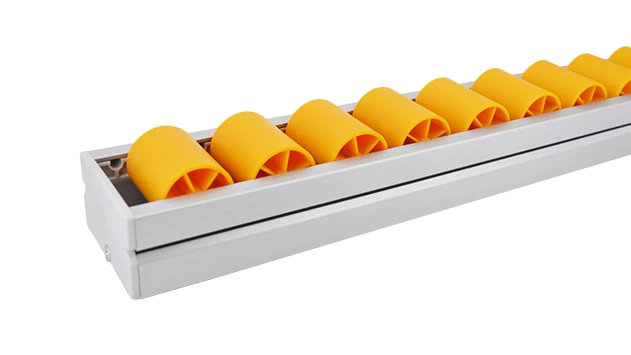
60 Aluminum Roller Track Yellow
Modular syetem roller tracks aluminum gravity roller tracks are an excellent solution for transporting materials within industrial environments, warehouses and distribution centres.
The Rise of Green Manufacturing and the Need for Sustainable Components
In today's fast-paced industrial landscape, sustainability isn't just a buzzword—it's a core business imperative. Governments worldwide are tightening regulations on carbon emissions, consumers are prioritizing eco-friendly products, and manufacturers are scrambling to reduce their environmental footprint while maintaining efficiency. From the Paris Agreement's net-zero goals to the EU's Circular Economy Action Plan, the pressure to adopt green practices is undeniable. But how do you translate these global goals into actionable changes on your production floor? The answer often lies in the small, everyday components that power your operations—like the 60 Aluminum Roller Track Yellow.
This seemingly simple component is more than just a track for moving parts. It's a symbol of how sustainable design can align with lean manufacturing principles, creating systems that are both efficient and kind to the planet. Let's dive deep into what makes the 60 Aluminum Roller Track Yellow a game-changer for green manufacturing, its role in modern production lines, and how it can help your business thrive in a circular economy.
What Is the 60 Aluminum Roller Track Yellow?
The 60 Aluminum Roller Track Yellow is a specialized aluminum extrusion profile (keyword: aluminum profile) designed for material handling systems. The "60" refers to its standard width (typically 60mm), making it compatible with a wide range of lean manufacturing components. The bright yellow color isn't just for visibility—it's a deliberate choice to stand out in busy production lines, reducing the risk of accidents and improving workflow efficiency.
Made from high-grade aluminum alloy, this roller track combines lightweight design with exceptional durability. Unlike plastic or steel alternatives, it's resistant to corrosion, wear, and tear, ensuring a long lifecycle. But its most defining feature is its recyclability—a trait that sets it apart in the era of green manufacturing.

Unpacking the Recyclable Properties of Aluminum Roller Tracks
Aluminum is one of the most recyclable materials on Earth, and the 60 Aluminum Roller Track Yellow leverages this to full effect. Here's why its recyclability matters:
100% Recyclability Without Quality Loss
Aluminum can be recycled infinitely without losing its mechanical properties. When your 60 Aluminum Roller Track Yellow reaches the end of its lifecycle, it can be melted down, purified, and reshaped into a new track, an aluminum profile, or even a completely different product—like a car part or a beverage can. This is a stark contrast to plastic, which often downcycles into lower-quality materials (like park benches or plastic lumber) after a single use.
Massive Energy Savings
Producing virgin aluminum requires enormous amounts of energy—around 14,000 kWh per ton. Recycling aluminum, however, saves up to 95% of that energy. For every ton of 60 Aluminum Roller Track Yellow recycled, you're saving enough energy to power a home for over a year. Compare this to steel, which saves only 75% of energy when recycled, or plastic, which saves less than 30%. This energy efficiency directly translates to lower carbon emissions and reduced operational costs.
Circular Economy Alignment
The 60 Aluminum Roller Track Yellow fits perfectly into the circular economy model. Instead of the traditional "take-make-waste" cycle, it follows a "take-make-reuse-recycle" loop. When you need to reconfigure your production line, you can disassemble the track and reuse it elsewhere. If it's no longer needed, you can recycle it, ensuring it never ends up in a landfill. This reduces your business's waste output and contributes to a more sustainable future.

The 60 Aluminum Roller Track Yellow in Lean Systems
Lean systems (keyword: lean system) are all about eliminating waste and continuous improvement. The 60 Aluminum Roller Track Yellow is a key component of lean material handling, working seamlessly with flow racks (keyword: flow rack), conveyors (keyword: conveyor), and other lean tools to optimize your operations. Here's how:
Smooth Material Flow for FIFO Principles
In flow racks, the 60 Aluminum Roller Track Yellow allows parts to slide from the back of the rack to the front, following the First-In-First-Out (FIFO) principle. This reduces waste from expired or obsolete parts, ensuring that your production line always uses the oldest inventory first. For example, in a 3C assembly line (like smartphone manufacturing), this track ensures that components like batteries or screens are used in the order they arrive, preventing spoilage and reducing costs.
Flexible Conveyor Systems
Conveyors using the 60 Aluminum Roller Track Yellow are lightweight and easy to reconfigure. If your production line needs to change layout (e.g., to accommodate a new product), you can disassemble the conveyor and reassemble it in minutes. This flexibility aligns with the lean principle of "just-in-time" production, allowing you to adapt to changing demand without wasting time or resources.
Custom Lean Solutions
Many manufacturers offer custom lean solutions (keyword: lean solution) that include the 60 Aluminum Roller Track Yellow. For example, if you're in the medical equipment industry, you can get a custom flow rack system designed to handle delicate surgical instruments. The track's smooth movement reduces the risk of damage to sensitive parts, while its recyclability ensures that the system can be repurposed or recycled when your needs change.
Real-World Applications of the 60 Aluminum Roller Track Yellow
The 60 Aluminum Roller Track Yellow is versatile enough to be used in almost any manufacturing or warehousing scenario. Here are some key industries where it's making a difference:
3C Assembly Lines
3C (Computer, Communication, Consumer Electronics) manufacturers are known for their fast-paced, ever-changing production lines. The 60 Aluminum Roller Track Yellow is ideal here because it's easy to reconfigure. For example, a smartphone manufacturer can use this track in their assembly line to move circuit boards from one station to the next. When they launch a new model, they can quickly adjust the track's layout to accommodate the new components. And when the line is phased out, the track can be recycled, reducing waste.
Medical Equipment Manufacturing
Medical equipment manufacturers need components that are hygienic, durable, and sustainable. The 60 Aluminum Roller Track Yellow checks all these boxes. Its non-porous surface is easy to clean and sanitize, making it perfect for handling sterile products like syringes or surgical tools. And since it's recyclable, it aligns with the medical industry's growing focus on sustainability.
Warehousing and Logistics
In warehousing, the 60 Aluminum Roller Track Yellow is used in flow racks to optimize storage and retrieval. For example, a logistics company can use this track in their picking area to move boxes from the storage zone to the packing zone. The track's smooth movement reduces the time taken to pick items, improving efficiency. And since it's lightweight, the flow racks are easy to move if the warehouse layout changes.
Comparison: 60 Aluminum Roller Track Yellow vs. Alternatives
| Feature | 60 Aluminum Roller Track Yellow | Plastic Roller Track | Steel Roller Track (Standard) |
|---|---|---|---|
| Material | High-grade aluminum alloy | Polypropylene (PP) or PVC | Carbon steel |
| Recyclability Rate | 100% (infinite recycling) | <50% (downcycled) | ~90% (limited recycling) |
| Energy Saved in Recycling | 95% | <30% | ~75% |
| Durability | High (corrosion-resistant, long lifecycle) | Medium (prone to wear and tear) | High (prone to rust if uncoated) |
| Weight | Lightweight (easy to handle) | Light (but less durable) | Heavy (hard to reconfigure) |
| Flexibility | Easy to reconfigure and reuse | Moderate (may break when disassembled) | Difficult (heavy and rigid) |
| Cost Over Lifecycle | Lower (recyclable and durable) | Higher (frequent replacement) | Medium (durable but high maintenance) |
| Sustainability Impact | Excellent (circular economy aligned) | Poor (landfill risk) | Good (but less energy-efficient) |
| Corrosion Resistance | High (no coating needed) | High (but prone to UV damage) | Low (needs coating to prevent rust) |
| Maintenance Needs | Low (easy to clean) | Medium (needs regular cleaning to prevent buildup) | High (needs rust removal and coating) |
How to Integrate the 60 Aluminum Roller Track Yellow Into Your Production Line
Integrating the 60 Aluminum Roller Track Yellow into your operations is a straightforward process. Here are the steps to follow:
1. Assess Your Needs
First, identify where you need material flow. Do you need to optimize your assembly line, warehousing, or packaging area? Determine the load capacity required (the 60 Aluminum Roller Track Yellow can handle up to 50 kg per meter) and the dimensions needed for your space.
2. Choose Compatible Components
Pair the track with compatible lean components like flow racks, conveyors, or workbenches. For example, if you need a flow rack for small parts, use the track with a 60mm aluminum profile frame. This ensures that the system is stable and efficient.
3. Customize if Needed
If your production line has unique requirements (e.g., specific dimensions or load capacities), work with a supplier to get a custom solution. Many suppliers offer design services that include the 60 Aluminum Roller Track Yellow, tailored to your exact needs.
4. Install and Test
Aluminum is easy to work with, so installation is quick and straightforward. Once installed, test the system to ensure that the material flow is smooth and meets your efficiency goals. Make adjustments as needed to optimize performance.
5. Maintain and Reuse
Regularly clean the track to keep it in good condition. When you need to change your line layout, disassemble the track and reuse it elsewhere. If it's no longer needed, recycle it through a certified aluminum recycling facility.
Conclusion: The Future of Green Manufacturing Is in Sustainable Components
The 60 Aluminum Roller Track Yellow is more than just a material handling component—it's a step toward a more sustainable future. Its recyclability, energy efficiency, and flexibility make it an ideal choice for manufacturers looking to reduce their environmental footprint while improving efficiency. Whether you're in the 3C industry, medical equipment manufacturing, or warehousing, this track can help you optimize your operations and contribute to the circular economy.
As green manufacturing becomes more important, components like the 60 Aluminum Roller Track Yellow will play an increasingly vital role. By adopting these sustainable components, you're not just doing your part for the planet—you're also improving your bottom line. So why wait? Start integrating the 60 Aluminum Roller Track Yellow into your production line today and take the first step toward a greener, more efficient future.