- Company Articles
- Products and Technology
- Product knowledge
- 60 Aluminum Roller Track Yellow vs. 50mm: Load Capacity Comparison

60 Aluminum Roller Track Yellow vs. 50mm: Load Capacity Comparison
Related Product
60 Aluminum Roller Track Yellow
Modular syetem roller tracks aluminum gravity roller tracks are an excellent solution for transporting materials within industrial environments, warehouses and distribution centres.
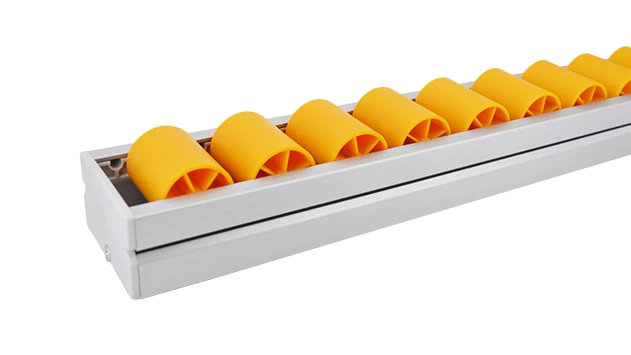
When it comes to material handling in manufacturing and logistics, the right roller track can make all the difference in efficiency, safety, and cost-effectiveness. Roller tracks are the unsung heroes of flow racks and conveyors, ensuring that parts and products move smoothly from one station to another. Today, we're diving deep into two popular options: the 60 Aluminum Roller Track Yellow and the 50mm roller track. We'll compare their load capacities, design features, and ideal applications to help you make an informed decision for your lean solution needs.
What Are 60 Aluminum Roller Track Yellow and 50mm Roller Tracks?
Before we get into the load capacity details, let's first understand what each of these tracks is and why they're used in different scenarios.
60 Aluminum Roller Track Yellow
The 60 Aluminum Roller Track Yellow is a heavy-duty track made from high-quality aluminum extrusion profile. As the name suggests, it has a width of 60mm and features yellow-colored components, which not only add a visual distinction but also provide a protective coating against corrosion. This track is designed to handle substantial weights, making it a go-to choice for industries that deal with heavy parts, like automotive manufacturing and heavy machinery production. It's commonly integrated into flow racks and conveyors where durability and high load bearing are non-negotiable.
50mm Roller Track
The 50mm roller track is a slightly narrower option, also crafted from aluminum. It's optimized for lighter loads and is often found in lean pipe workbenches and smaller flow racks. This track is popular in industries like 3C assembly (computers, communication, consumer electronics) where precision and space efficiency are more important than extreme load capacity. Its compact design allows it to fit into tighter spaces, making it ideal for workstations that need to maximize every inch of available area.
Load Capacity Comparison: A Detailed Breakdown
The primary difference between these two tracks lies in their load-bearing capabilities. Let's take a look at a side-by-side comparison to see how they stack up:
| Track Type | Material Composition | Track Width | Roller Diameter | Roller Spacing | Standard Static Load Capacity (per meter) | Standard Dynamic Load Capacity (per meter) | Maximum Short-Term Load Capacity (per meter) | Ideal Load Range |
|---|---|---|---|---|---|---|---|---|
| 60 Aluminum Roller Track Yellow | Aluminum Alloy 6063-T5 | 60mm | 25mm | 50mm | 300kg | 250kg | 500kg | 150kg - 400kg per meter |
| 50mm Roller Track | Aluminum Alloy 6061-T6 | 50mm | 20mm | 60mm | 200kg | 180kg | 350kg | 50kg - 250kg per meter |
As you can see from the table, the 60 Aluminum Roller Track Yellow outperforms the 50mm track in every load capacity category. This is due to its wider width, larger rollers, closer spacing, and stronger aluminum alloy. However, the 50mm track is not to be underestimated—it's perfect for lighter loads and offers excellent value for industries where heavy lifting isn't a primary requirement.

Key Factors That Influence Load Capacity
Load capacity isn't just about the track's size; several other factors play a crucial role in determining how much weight a track can handle. Let's explore these factors in detail:
1. Material Quality and Thickness
The type of aluminum alloy and the thickness of the track walls directly impact load capacity. The 60 Aluminum Roller Track Yellow uses Aluminum Alloy 6063-T5, which has a higher tensile strength than the 50mm track's 6061-T6 alloy. Additionally, the 60mm track has a wall thickness of 2.5mm, compared to the 50mm track's 1.8mm. This extra thickness allows the 60mm track to withstand more pressure without bending or deforming over time.
2. Roller Design and Spacing
Rollers are the contact points between the track and the items being moved. Larger rollers distribute weight more evenly, reducing stress on individual components. The 60mm track uses 25mm rollers, while the 50mm uses 20mm rollers. Closer roller spacing also helps—with rollers every 50mm, the 60mm track spreads the load across more rollers than the 50mm track's 60mm spacing. This means each roller bears less weight, increasing the overall load capacity of the track.
3. Support Structure and Installation
A track is only as strong as its support system. Using high-quality aluminum profile accessories like brackets, connectors, and legs is essential for maximizing load capacity. For example, mounting the 60mm track on a reinforced lean pipe workbench with heavy-duty legs will allow it to handle more weight than if it's installed on a flimsy structure. Proper installation, including ensuring the track is level and securely fastened, also prevents sagging and extends the track's lifespan.
4. Environmental Conditions
Extreme temperatures, humidity, and exposure to chemicals can weaken aluminum over time. The 60 Aluminum Roller Track Yellow's yellow coating provides an extra layer of protection against corrosion, making it suitable for damp environments like warehouse storage areas or outdoor loading docks. The 50mm track, while still durable, may require additional protective measures if used in harsh conditions to maintain its load capacity.
5. Usage Patterns
How often and how heavily a track is used affects its effective load capacity. Continuous heavy loads can cause fatigue in the aluminum, reducing its strength over time. The 60mm track is designed for continuous heavy use, making it ideal for high-volume production lines. The 50mm track is better suited for lighter, occasional loads, such as in small-batch assembly or order picking stations.

Real-World Applications: Where Each Track Shines
To better understand when to use each track, let's look at some real-world examples across different industries:
Automotive Manufacturing
In car assembly lines, flow racks using 60 Aluminum Roller Track Yellow are a staple. These racks transport heavy engine parts, transmission components, and chassis sections. The high load capacity of the 60mm track ensures that these parts move safely and smoothly from the warehouse to the assembly station. The yellow color also helps workers quickly identify the heavy-duty tracks, preventing accidental overloading which could lead to equipment damage or safety hazards.
3C Assembly Industry
For assembling smartphones, tablets, and laptops, lean pipe workbenches with 50mm roller tracks are perfect. The smaller components like circuit boards, screens, and batteries are lightweight, so the 50mm track's load capacity is more than sufficient. The narrower width of the track also saves valuable space on the workbench, allowing technicians to have more room to work on delicate assemblies. Additionally, the 50mm track's smooth movement ensures that components aren't jostled or damaged during transport.
Medical Device Production
Medical equipment parts, such as surgical instruments and diagnostic devices, are often delicate and require precise handling. The 50mm roller track is ideal for this industry because it provides gentle, controlled movement. These tracks are often integrated into ESD workstations to prevent electrostatic discharge, which can damage sensitive electronic components in medical devices. The 50mm track's compact design also fits well in cleanroom environments where space is limited.
Warehouse Logistics
In warehouses, both tracks are used depending on the items being stored. Bulk items like packaging materials and large boxes are stored on flow racks with 60 Aluminum Roller Track Yellow, while smaller items like electronic accessories and parts are stored on racks with 50mm tracks. This segmentation helps optimize storage space and ensures that each track is used according to its capacity, reducing the risk of overloading and extending the life of the equipment.
Choosing the Right Track for Your Needs
Now that you know the differences between the 60 Aluminum Roller Track Yellow and the 50mm track, how do you choose the right one for your business? Here's a step-by-step guide:
1. Evaluate Your Load Requirements
Start by calculating the average weight of the items you'll be moving. If most items are over 200kg per meter, the 60mm track is the better choice. If they're under 200kg, the 50mm track will suffice. Don't forget to consider peak loads—if you occasionally move heavier items, the 60mm track's higher maximum load capacity will give you more flexibility.
2. Consider Your Workspace
Narrower tracks save space, so if your workspace is limited, the 50mm track is a better fit. For larger areas where heavy items are moved regularly, the 60mm track is more appropriate. Think about how the track will integrate with your existing equipment—will it fit on your current flow racks or lean pipe workbenches?
3. Check Environmental Conditions
If your workspace is damp, dusty, or exposed to extreme temperatures, the 60 Aluminum Roller Track Yellow's corrosion-resistant coating is a major advantage. For dry, controlled environments like cleanrooms, the 50mm track is a cost-effective option.
4. Think About Future Scalability
Lean manufacturing is all about adaptability. If you anticipate growing your business or handling heavier loads in the future, investing in the 60mm track now will save you from having to replace it later. The 60mm track's durability and high load capacity make it a long-term solution that can grow with your business.
5. Consult a Lean Solution Supplier
If you're still unsure which track to choose, reach out to a reputable lean solution supplier. They can assess your specific needs, visit your facility to see your workspace and equipment, and recommend the best track for your application. A good supplier will also provide installation guidance and ongoing support to ensure your track performs optimally.
Conclusion
The 60 Aluminum Roller Track Yellow and the 50mm roller track are both excellent choices for material handling, but they serve different purposes. The 60mm track is the heavyweight champion, ideal for industries that need to move large, heavy items regularly. The 50mm track is the agile contender, perfect for lighter loads and space-constrained environments.
When choosing between the two, consider your load requirements, workspace, environmental conditions, and future needs. By selecting the right track, you'll improve efficiency, reduce the risk of equipment damage,and ensure the safety of your workers. Whether you opt for the 60 Aluminum Roller Track Yellow or the 50mm track, you're investing in a reliable solution that will help streamline your material handling processes and support your lean manufacturing goals.