
- Company Articles
- Products and Technology
- Procurement Guidelines
- 60 Aluminum Roller Track Yellow vs. Steel Roller Track: Cost Comparison
Roller Tracks: The Backbone of Efficient Lean Manufacturing
Roller tracks are the quiet workhorses that keep manufacturing lines moving smoothly. Whether you're building a flow rack for parts storage, a conveyor system for assembly, or integrating them into a lean pipe workbench, the type of track you choose directly impacts your team's productivity and your bottom line. Today, we're breaking down two popular options—60 Aluminum Roller Track Yellow and Steel Roller Track—to help you decide which fits your lean solution best, focusing on every cost angle from upfront prices to long-term value.
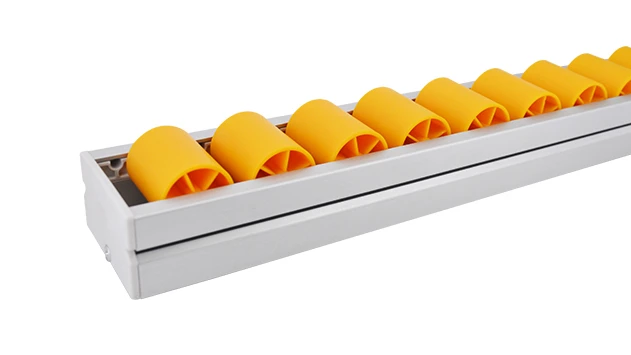
What Is 60 Aluminum Roller Track Yellow?
The 60 Aluminum Roller Track Yellow is a modern, lightweight solution designed for flexibility and durability. Made from high-quality aluminum extrusion profiles coated in a bright yellow finish, this track stands out for its corrosion resistance and ease of use. Let's dive into its key features:
- Material: Aluminum extrusion profile—lightweight yet strong, perfect for lean systems that need frequent adjustments.
- Finish: Bright yellow coating enhances visibility, reducing jams and errors on busy lines.
- Benefits: Rust-proof, easy to cut/adapt, smooth rolling action, and compatible with aluminum profile accessories for quick customizations.
- Use Cases: Ideal for flow racks, conveyors in 3C assembly, medical device manufacturing, and any environment where moisture or chemical exposure is a concern.

What Is Steel Roller Track?
Steel Roller Track is the traditional heavy-duty option, favored for its raw strength. Made from galvanized or stainless steel, it's built to handle extreme loads and harsh industrial conditions. Here's what you need to know:
- Material: Thick steel—sturdy enough for automotive parts, large machinery components, and high-weight conveyor systems.
- Finish: Galvanized or stainless steel to resist rust (though galvanized steel may still corrode over time in damp environments).
- Benefits: Unmatched load capacity, low upfront cost, and familiarity for teams used to traditional manufacturing setups.
- Use Cases: Best for heavy-load applications like warehouse logistics, automotive assembly lines, and situations where durability trumps flexibility.

Cost Comparison Breakdown: Aluminum vs Steel
To make an informed decision, we need to look beyond upfront prices. Let's break down the costs of each track type across every stage of its lifecycle:
| Cost Category | 60 Aluminum Roller Track Yellow | Steel Roller Track |
|---|---|---|
| Initial Purchase Cost | Higher ($15–$25 per linear foot) | Lower ($8–$18 per linear foot) |
| Installation Labor | Lower (lightweight, no special tools) | Higher (heavier, requires lifting equipment) |
| Annual Maintenance | Low ($5–$10 per linear foot/year) | Higher ($15–$25 per linear foot/year) |
| Average Lifespan | 10–15 years | 7–10 years (with rust management) |
| Customization Cost | Low (easy to cut/adapt with accessories) | Higher (welding needed for modifications) |
| Operational Efficiency Gain | Higher (fewer jams, smoother flow) | Moderate (sturdy but more friction) |
1. Initial Purchase Cost
Aluminum tracks have a higher upfront price tag. For example, a linear foot of 60 Aluminum Roller Track Yellow might cost $20, while steel is $12. But this isn't the whole story—aluminum's long-term savings often offset this difference.
2. Installation & Setup
Aluminum's lightweight design means your team can install it without heavy machinery. A 10-foot section of aluminum track can be carried by two people, whereas steel requires a forklift or hoist. This cuts labor costs by 30–40% for installation.
3. Maintenance & Repair
Steel tracks need regular rust prevention treatments (like painting or galvanizing) and lubrication to keep them rolling smoothly. Aluminum tracks are corrosion-resistant, so they only need occasional cleaning. For a 100-foot conveyor system, this saves $1,000–$1,500 per year in maintenance costs.
4. Lifespan & Replacement
Aluminum tracks last 30–50% longer than steel ones. Let's say you use 100 feet of track: aluminum would need replacement once every 12 years, while steel needs replacement every 8 years. Over 24 years, you'd buy 2 sets of steel tracks vs. 1 set of aluminum—saving you the cost of one full replacement.
5. Operational Efficiency
Aluminum tracks have a smoother surface, which reduces friction and jams. For a 3C assembly line, this means fewer stopped lines and more products built per hour. A study of lean manufacturing systems found that aluminum tracks increased line efficiency by 15% compared to steel.
6. Customization Flexibility
If your production line changes frequently (like in consumer electronics), aluminum tracks are easier to adapt. You can cut them to length with a saw and connect them with aluminum profile accessories—no welding needed. Steel tracks require welding for modifications, which adds time and cost. For example, reconfiguring a 20-foot section of aluminum track takes 2 hours, while steel takes 8 hours.
Which Track Fits Your Lean Solution?
The choice depends on your specific needs:
Choose 60 Aluminum Roller Track Yellow if:
- You need a flexible system that adapts to changing production needs (like 3C assembly or medical device manufacturing).
- Your line is in a damp or chemical-exposed environment.
- You value long-term cost savings over upfront price.
Choose Steel Roller Track if:
- You're moving heavy loads (over 500 lbs per linear foot).
- Your production line rarely changes.
- Upfront cost is your top priority.
Conclusion: Total Cost of Ownership Matters Most
While steel tracks are cheaper upfront, aluminum tracks are often the better investment for most lean solutions. Their lower maintenance, longer lifespan, and higher efficiency mean they save you money over time. For example, a 100-foot aluminum track system costs $2,000 upfront but saves $15,000 over 10 years compared to steel.
If you're looking for a custom lean solution that grows with your business, 60 Aluminum Roller Track Yellow is the way to go. It aligns with lean principles like continuous improvement and flexibility, helping you build a more efficient, cost-effective manufacturing line.