- Company Articles
- Products and Technology
- Product knowledge
- 60 Aluminum Roller Track Yellow: Weight Capacity & Load Limits Explained

60 Aluminum Roller Track Yellow: Weight Capacity & Load Limits Explained
Related Product
60 Aluminum Roller Track Yellow
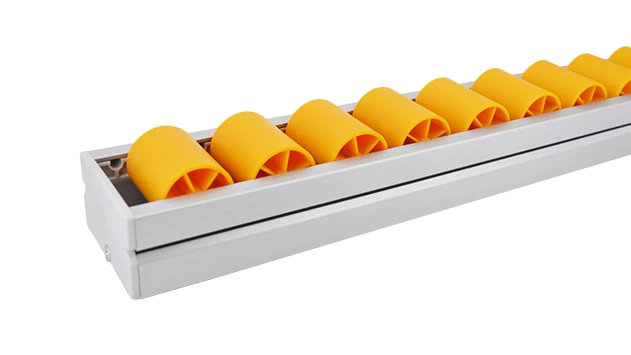
Modular syetem roller tracks aluminum gravity roller tracks are an excellent solution for transporting materials within industrial environments, warehouses and distribution centres.
A deep dive into one of manufacturing's most versatile components—its specs, uses, and how to maximize its performance
What Is 60 Aluminum Roller Track Yellow, and Why Does It Matter?
In busy warehouses and assembly lines around the world, smooth, efficient material flow is the backbone of productivity. When boxes glide seamlessly from storage to picking stations, or parts move without jams from one assembly step to the next, there's often a quiet hero at work: the 60 aluminum roller track yellow. This component isn't just a piece of metal and plastic—it's a carefully engineered solution designed to handle specific loads, reduce friction, and adapt to changing production needs.
Made from lightweight yet durable aluminum alloy and fitted with high-visibility yellow plastic guide rails, this track is a staple in lean manufacturing setups. It's built to last, reusable, and compatible with a wide range of accessories, making it a go-to choice for businesses looking to optimize their operations. Whether you're setting up a new flow rack, upgrading a conveyor line, or enhancing a lean pipe workbench, understanding its weight capacity and load limits is critical to getting the most out of it.
Core Specifications of 60 Aluminum Roller Track Yellow
Before diving into weight capacity, let's break down the key specs that define this track:
- Material Composition: The main frame is constructed from 6063-T5 aluminum alloy—known for its excellent strength-to-weight ratio, corrosion resistance, and ease of machining. The yellow guide rails are made from food-grade, wear-resistant ABS plastic, which reduces friction between the track and moving items while adding a layer of protection against scratches.
- Dimensions: The track gets its name from its 60mm width (outer dimension). Roller diameter typically ranges from 25mm to 30mm, with spacing options from 50mm to 100mm (customizable to your needs). Lengths can be cut to size, from 1 meter up to 6 meters, depending on your application.
- Design Features: The bright yellow color isn't just aesthetic—it enhances visibility in busy workspaces, reducing the risk of accidents and making it easier for workers to identify material flow paths. The aluminum profile features T-slots along its sides, which means it's compatible with a wide range of aluminum profile accessories (like clamps, brackets, and connectors) for easy installation and customization.
- Compatibility: This track works seamlessly with standard lean manufacturing components, including flow racks, conveyors, and lean pipe workbenches. It can be mounted at various angles (from 0° to 15°) for gravity-fed systems, making it ideal for kanban and FIFO (first-in-first-out) inventory management.

Weight Capacity Deep Dive: Factors That Define Load Limits
The weight capacity of 60 aluminum roller track yellow isn't a one-size-fits-all number—it depends on several key factors. Understanding these factors will help you choose the right configuration for your needs and avoid overloading the track (which can lead to damage, jams, or safety hazards).
Key Factors Affecting Load Capacity
- Roller Spacing: Closer roller spacing means more rollers support the load, which increases capacity. For example, a track with 50mm spacing can handle heavier items than one with 100mm spacing, as the weight is spread across more contact points. Overloading a track with wide spacing can cause items to sag between rollers, leading to jams or damage.
- Aluminum Profile Thickness: The thickness of the aluminum frame plays a major role. A 1.5mm thick profile is stronger than a 1.2mm profile, so it can handle more weight without bending or warping. For heavy-duty applications (like industrial flow racks), a 1.5mm profile is recommended.
- Support Structure: The track's capacity is only as good as the structure it's mounted on. If you attach it to a sturdy flow rack made of thick aluminum profiles, it can handle more weight than if it's fixed to a weak or flimsy frame. Always ensure your support structure is rated for the load you plan to put on the track.
- Load Distribution: Evenly distributed loads (like flat boxes or pallets) are better than concentrated loads (like small, heavy tools). Concentrated loads put pressure on a small number of rollers, which can cause them to wear out faster or break. If you need to move concentrated loads, opt for closer roller spacing.
- Angle of Incline: For gravity-fed systems (like flow racks), a steeper incline means items move faster—but it also reduces the track's capacity. A 5° incline is ideal for most applications, as it balances speed and load capacity.
Load Capacity by Configuration
To give you a clear idea of what to expect, here's a breakdown of load limits for common configurations of 60 aluminum roller track yellow:
| Roller Spacing (mm) | Aluminum Profile Thickness (mm) | Max Load Capacity per Meter (kg) | Recommended Application |
|---|---|---|---|
| 50 | 1.5 | 250 | Heavy-duty flow racks for industrial parts |
| 75 | 1.5 | 200 | Conveyor lines for 3C assembly and medical device packaging |
| 100 | 1.2 | 150 | Lean pipe workbenches for light assembly tasks |
| 100 | 1.5 | 180 | Medium-duty flow racks for consumer electronics |
| 150 | 1.2 | 100 | Lightweight gravity-fed systems for small parts |
Note: These are general guidelines. For custom applications (like extra-long tracks or extreme loads), consult a supplier to get a tailored recommendation.

Real-World Applications: Where 60 Aluminum Roller Track Yellow Shines
This track is incredibly versatile, and it's used across a wide range of industries—from 3C assembly to medical device manufacturing. Let's look at some common use cases:
1. Flow Racks for Kanban Inventory Management
Flow racks are a cornerstone of lean manufacturing, and 60 aluminum roller track yellow is the perfect component for them. In a typical flow rack setup, the track is mounted at a slight incline, allowing parts to slide from the back (replenishment side) to the front (picking side). This ensures FIFO inventory management, reducing waste and ensuring that older parts are used first. For example, a consumer electronics factory might use flow racks with this track to store smartphone components—each rack holds enough parts for a few hours of production, and when the front bin is empty, workers replenish it from the back. The track's 200kg per meter capacity (with 75mm spacing) is ideal for this use case, as it can handle stacks of component boxes without issue.
2. Conveyor Lines for Material Handling
Conveyors are essential for moving materials efficiently in warehouses and assembly lines, and this track is a key part of many roller conveyor systems. For example, a medical device manufacturer might use a conveyor with this track to move sterile packaging from the assembly line to the packaging station. The yellow guide rails reduce friction, so the packages glide smoothly without jostling (which is critical for delicate medical devices). The track's compatibility with aluminum profile accessories makes it easy to integrate with other conveyor components (like motors or sensors) for automated systems.
3. Lean Pipe Workbenches for Assembly Tasks
Lean pipe workbenches are designed to be flexible and adaptable, and adding this track to them can significantly improve productivity. For example, a 3C assembly plant might attach the track to the side of a workbench, allowing workers to slide smartphone parts directly to their station without reaching across the bench. This reduces fatigue and speeds up assembly time. The track's 150kg per meter capacity (with 100mm spacing) is perfect for this use case, as it can handle small parts bins and tools.
4. Warehouse Picking Stations
Warehouse picking is a labor-intensive task, but this track can make it easier. For example, a logistics company might install the track on picking stations, allowing workers to slide boxes from the storage area to the packing table. The bright yellow color helps workers quickly identify the flow path, reducing the time spent searching for items. The track's durability means it can handle daily use with heavy boxes, and its compatibility with aluminum profile accessories makes it easy to adjust the station layout as needed.
Installation & Maintenance Tips: Get the Most Out of Your Track
Proper installation and maintenance are key to ensuring your 60 aluminum roller track yellow lasts long and performs well. Here are some tips to follow:
Installation Tips
- Choose the Right Accessories: Use aluminum profile accessories (like T-slot clamps and brackets) to mount the track. Ensure the accessories are the right size for your track's profile—using the wrong size can lead to loose mounts and safety hazards.
- Align the Track Properly: When connecting multiple track sections, make sure they are aligned perfectly. Gaps between sections can cause items to jam or get stuck. Use a level to ensure the track is straight, especially for conveyor lines.
- Set the Correct Incline: For gravity-fed systems (like flow racks), set the incline to 5°–10°. A steeper incline will make items move faster, but it can reduce the track's capacity and cause items to slide too quickly (leading to damage). Test the incline with your actual load to find the sweet spot.
- Secure the Support Structure: Make sure the structure you're mounting the track on (like a flow rack or workbench) is sturdy and level. If the structure is wobbly, the track will not perform well and may even break under load.
Maintenance Tips
- Inspect Regularly: For heavy-use areas (like conveyor lines), inspect the track every month. For light-use areas (like lean pipe workbenches), inspect every 3 months. Look for loose aluminum profile accessories, worn rollers, or cracked yellow guide rails.
- Clean the Track: Use a soft cloth to wipe the rollers and guide rails regularly. Avoid harsh chemicals (like bleach or ammonia) as they can damage the plastic guide rails. For stubborn dirt, use a mild detergent and warm water.
- replace Worn Parts: If you notice worn rollers or cracked guide rails, replace them immediately. Worn parts can cause jams or damage to your items. Most suppliers offer replacement parts (like rollers and guide rails) that are easy to install with basic tools.
- Lubricate Rollers: Lubricate the rollers every 6 months with a light oil (like silicone oil). This reduces friction and extends the life of the rollers. Avoid using heavy oils, as they can attract dust and dirt.
How Does It Compare to Other Roller Tracks?
There are many types of roller tracks available, but 60 aluminum roller track yellow stands out for its versatility and durability. Let's compare it to some common alternatives:
1. 40mm Aluminum Roller Track
The 40mm track is narrower than the 60mm track, so it's better for small items (like screws or bolts). However, it has a lower load capacity (around 100kg per meter) than the 60mm track, so it's not ideal for heavy items. The 60mm track is a better choice for larger boxes or parts.
2. Stainless Steel Roller Track
Stainless steel tracks are corrosion-resistant, so they're ideal for humid environments (like food processing plants). However, they're heavier and more expensive than aluminum tracks. The 60mm aluminum track is lighter and more cost-effective, making it a better choice for most manufacturing applications.
3. Plastic Roller Track
Plastic tracks are cheap and lightweight, but they're not as durable as aluminum tracks. They have a lower load capacity (around 50kg per meter) and can warp under high temperatures. The 60mm aluminum track is more durable and has a higher load capacity, making it a better long-term investment.
4. Galvanized Steel Roller Track
Galvanized steel tracks are strong and corrosion-resistant, but they're heavier than aluminum tracks. They're also more expensive and harder to customize (since they don't have T-slots for aluminum profile accessories). The 60mm aluminum track is easier to customize and install, making it a better choice for lean manufacturing setups.
Customization & Lean Solutions: Adapting to Your Needs
One of the biggest advantages of this track is its flexibility. It's designed to be part of lean manufacturing solutions, which focus on reducing waste and improving efficiency. Here's how you can customize it to fit your needs:
1. Custom Lengths & Spacing
Most suppliers offer custom lengths and roller spacing for this track. For example, if you need a track that's 5 meters long (instead of the standard 3 meters), you can order it. If you need closer roller spacing for heavy items, you can get that too. This customization ensures that the track fits your exact application.
2. Integration with Lean Systems
This track is compatible with a wide range of lean systems, including kanban, 5S, and continuous improvement. For example, if you're implementing a kanban system, you can use the track in flow racks to manage inventory levels. If you're using 5S to organize your workspace, the track's bright yellow color helps you mark material flow paths clearly.
3. Reusability & Sustainability
Lean manufacturing emphasizes reusability, and this track is designed to be reused. If you need to reconfigure your production line, you can easily remove the track from its current setup (using aluminum profile accessories) and install it elsewhere. This reduces waste and saves money, as you don't have to buy new components every time you adjust your line.
Final Thoughts: Is 60 Aluminum Roller Track Yellow Right for You?
60 aluminum roller track yellow is a versatile, durable, and cost-effective component that's ideal for a wide range of manufacturing and warehousing applications. Its load capacity depends on several factors (like roller spacing and profile thickness), but with the right configuration, it can handle everything from small parts to heavy boxes. It works seamlessly with flow racks, conveyors, and lean pipe workbenches, and its compatibility with aluminum profile accessories makes it easy to install and customize.
If you're looking for a component that can improve your material flow, reduce waste, and adapt to changing production needs, this track is a great choice. Just remember to choose the right configuration for your load needs and follow proper installation and maintenance tips to get the most out of it.
Whether you're a small business or a large industrial manufacturer, this track can help you achieve your lean manufacturing goals and improve your bottom line.