- Company Articles
- Products and Technology
- Product knowledge
- 60 Steel Roller Track Green for Medical Device Manufacturing: Cleanliness & Compliance

60 Steel Roller Track Green for Medical Device Manufacturing: Cleanliness & Compliance
Related Product
60 Steel Roller Track Green
The roller track can be installed with multiple accessories to create different slopes and configurations of flow racks.All steel conveyor 60 roller track accessories are engineered to perfectly fit the sliding rail.It is enable the movement of SLC boxes.
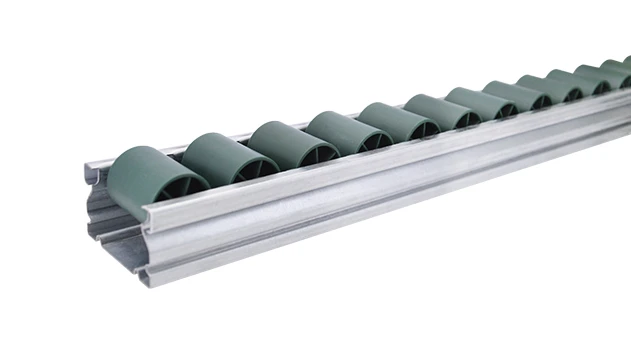
Medical device manufacturing is a field where precision, cleanliness, and compliance aren't just buzzwords—they're the backbone of every successful operation. A single speck of dust or tiny contamination can lead to product recalls, regulatory fines, or even harm to patients. That's why choosing the right equipment for your production line is non-negotiable. Today, we're diving deep into one piece of equipment making waves in the industry: the 60 Steel Roller Track Green. This track isn't just another conveyor component; it's a solution designed to address the unique challenges of medical device manufacturing, from maintaining sterile environments to meeting strict regulatory standards.
The Unique Challenges of Medical Device Manufacturing
Before we get into the details of the 60 Steel Roller Track Green, let's understand the hurdles medical device manufacturers face daily. First, cleanliness is paramount. Whether producing surgical instruments, diagnostic kits, or implantable devices, equipment must be easy to sanitize and free of crevices where dirt, bacteria, or debris hide. Second, compliance with ISO 13485 (quality management for medical devices) and FDA 21 CFR Part 820 (current good manufacturing practices) is mandatory. Every piece of equipment must meet these standards to ensure product safety and consistency. Third, efficiency is key—you need equipment that optimizes workflow, reduces downtime, and keeps up with demand without compromising quality.
Why Cleanliness Matters More Than Ever
In medical device manufacturing, even small contamination has severe consequences. For example, a surgical scalpel exposed to dust during production could lead to patient infection post-surgery. A contaminated diagnostic kit might give false results, leading to incorrect diagnoses. That's why cleanroom environments are common, and every piece of equipment must minimize contamination risks—smooth surfaces, minimal gaps, and materials resistant to disinfectants and sterilization processes.
Regulatory Compliance: A Constant Priority
Regulatory bodies like the FDA and ISO set strict guidelines. ISO 13485 requires consistent quality management, while FDA's 21 CFR Part 820 mandates equipment validation for intended use. Failing to meet these standards can result in recalls, legal action, or loss of manufacturing licenses. So, equipment must be functional and compliant.
What Makes the 60 Steel Roller Track Green Stand Out?
The 60 Steel Roller Track Green is engineered to meet medical device manufacturing's unique needs. Let's break down its key features:
1. High-Quality Steel Construction
Made from premium-grade steel, it's durable enough to handle heavy loads (like metal surgical instruments or diagnostic equipment parts) without bending or warping. Unlike plastic tracks that crack or degrade over time, steel tracks last longer—reducing replacement costs and downtime.
2. Non-Toxic Green Coating
The green coating isn't just aesthetic. It's a non-toxic, smooth finish easy to clean and resistant to common disinfectants (isopropyl alcohol, hydrogen peroxide, bleach). It doesn't chip or peel easily, so no paint fragments contaminate products.
3. Minimal Gap Design
Gaps between rollers or frames trap dust and debris, a major contamination risk. The 60 Steel Roller Track Green has minimal gaps (≤0.5mm) and a frame constructed to eliminate hidden crevices. This makes sanitization quick and effective, keeping production lines sterile.
4. Compatibility with Lean Components
This track integrates seamlessly with flow racks, conveyors, and lean pipe workbenches. For example, use it in a flow rack to store sterile instrument trays, or integrate into a conveyor system moving parts from one lean pipe workbench to another. This compatibility helps implement lean principles—reducing waste and improving efficiency.
How the 60 Steel Roller Track Green Fits into Your Production Line
Let's look at real-world uses:
Example 1: Assembly Line for Surgical Instruments
For a surgical scissors assembly line, the track is part of a conveyor system moving scissors through cutting, polishing, sterilization, and packaging stations. Each station is a lean pipe workbench where workers perform tasks. The track's smooth surface prevents dust pickup during transport, and the green coating is easy to sanitize between batches. Minimal gaps eliminate debris trapping, keeping the line clean and compliant.
Example 2: Warehouse Storage for Diagnostic Kits
Diagnostic kits need clean, dry storage. The track is used in flow racks holding these kits. Rollers allow kits to slide easily from back to front, reducing manual lifting (strain or drops). The green coating resists disinfectants used in storage areas, keeping racks sterile. This setup improves efficiency—workers access kits quickly without searching piles.
Example 3: Packaging Line for Implantable Devices
Implantable devices like pacemakers require highest cleanliness levels. The track is part of a system moving kits through labeling and sealing stations. Minimal gaps prevent dust accumulation, keeping kits clean before sealing. Integration with conveyors moves devices to final storage, ensuring sterility and compliance.
Compliance Check: Does It Meet Medical Standards?
Yes—here's how:
ISO 13485: Manufactured under a quality management system meeting this standard, ensuring consistency and reliability.
FDA Compliance: Green coating uses FDA-approved materials for indirect medical device contact, safe for production lines.
GMP Guidelines: Design meets Good Manufacturing Practice guidelines for cleanroom equipment—easy to clean, no hidden crevices, disinfectant-resistant.
Cleanroom Compatibility: Suitable for Class 100 to Class 10000 cleanrooms, ideal for sensitive devices like implantables or diagnostic kits.
Comparison: 60 Steel Roller Track Green vs. Other Tracks
Let's compare it to common roller tracks:
| Feature | 60 Steel Roller Track Green | 60 Steel Roller Track Yellow | 60 Steel Roller Track Grey |
|---|---|---|---|
| Coating Material | Non-toxic, disinfectant-resistant polymer | Standard polymer (not optimized for disinfectants) | Basic powder coat (prone to chipping) |
| Disinfectant Resistance | Resists alcohol, hydrogen peroxide, bleach | Resists some disinfectants but not all | Limited resistance to strong disinfectants |
| Cleanliness (Gap Design) | Minimal gaps (≤0.5mm) to prevent debris trapping | Gaps up to 1mm (higher contamination risk) | Gaps up to 1.5mm (high contamination risk) |
| Color Significance | Green (signals sterile zone compatibility) | Yellow (general industrial use) | Grey (general warehouse use) |
| Ideal Use Case | Medical device manufacturing, cleanrooms | General manufacturing, non-sterile environments | Warehouse storage, non-sterile products |
Sustainability & Lean Benefits
The track is reusable—rearrange your production line without replacing it, aligning with lean principles of reducing waste. Its durability means a long lifespan, saving money and reducing carbon footprint. It's part of a lean solution optimizing workflow, reducing downtime, and enabling continuous improvement.
Customization Options
Every line is unique, so the track offers customization:
Length: Choose from 1m to 10m to fit your line.
End Caps: Special caps to prevent parts from falling off.
Coating Thickness: Thicker coating for heavy-duty use (large diagnostic equipment).
Integration: Custom integration with flow racks, conveyors, or lean pipe workbenches.
Conclusion
The 60 Steel Roller Track Green is an investment worth making for medical device manufacturers. It meets unique challenges—sterility, compliance, efficiency—and integrates with lean components to build a customized line. Its sustainability benefits reduce waste and costs. Whether producing surgical instruments, diagnostic kits, or implantables, this track keeps your line clean, compliant, and efficient. Choose it to deliver safe, high-quality products while meeting all regulatory standards.